Some films don't just tell a story; they inhabit a feeling, a specific kind of cold that settles deep in your bones long after the credits roll. Ironweed (1987) is one such film. It doesn’t arrive with fanfare; rather, it drifts in like the biting Albany wind that seems to perpetually whip around its characters, carrying with it the ghosts of regret and the heavy scent of cheap whiskey. Watching it again now, decades removed from its initial release, it feels less like a movie and more like bearing witness to fragments of profoundly broken lives.
A Bleak Landscape of the Soul
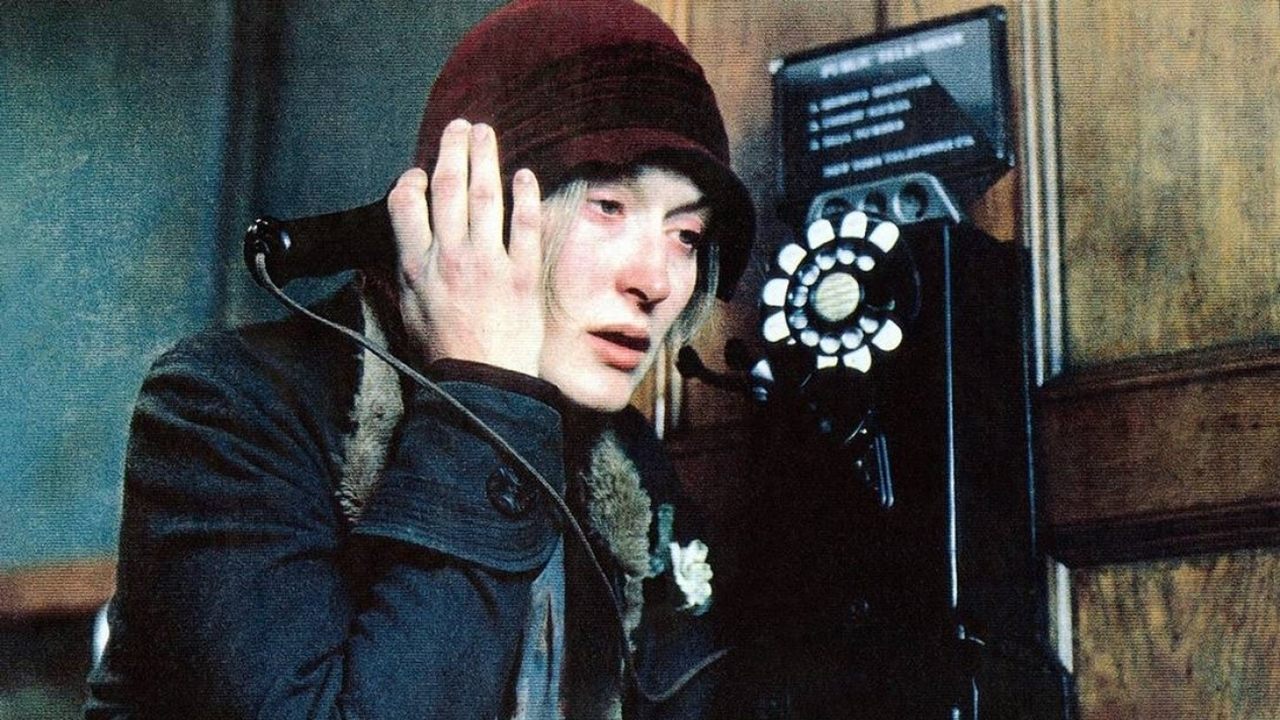
Set during the Great Depression in 1938 Albany, New York, the film follows Francis Phelan (Jack Nicholson), a former baseball player turned alcoholic drifter haunted by the accidental deaths he caused years ago – a scab L.A. striker during a riot, and his own infant son, dropped in a moment of carelessness. He drifts back to his hometown, reconnecting with his long-suffering companion, Helen Archer (Meryl Streep), a former singer also ravaged by illness and alcohol. Together, they navigate a world of soup kitchens, flophouses, temporary work, and the ever-present specters of Francis's past. There isn't much plot in the traditional sense; it's more an immersion into their desperate present, punctuated by Francis's vivid, often jarring, encounters with the ghosts of those he wronged.
Beyond Star Power: Performances of Raw Truth
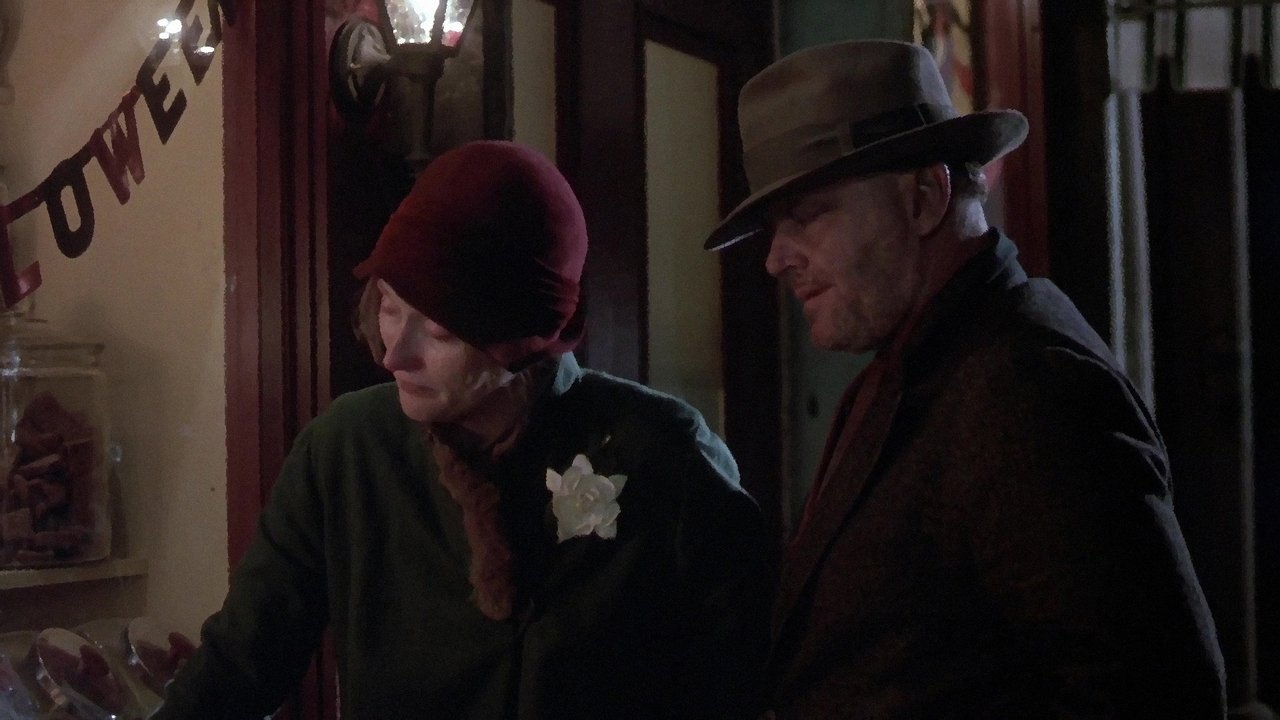
What immediately strikes you about Ironweed, especially revisiting it from our current vantage point, is the sheer, unvarnished commitment of its lead actors. In 1987, Jack Nicholson and Meryl Streep were arguably the biggest movie stars on the planet. Yet, here they are, stripped bare of glamour, inhabiting characters defined by grime, desperation, and profound sorrow. Nicholson, often known for his charismatic, larger-than-life personas, burrows deep into Francis’s weary shell. It’s a performance built on slumped shoulders, a shuffling gait, and eyes that seem to carry the weight of every ghost he sees. He doesn’t ask for pity, only offers a raw portrayal of a man drowning in guilt and booze.
Streep, as Helen, is equally devastating. Her fragility is palpable; there's a musicality still lingering in her voice, even when recounting painful memories or singing period songs in a bar for a drink – songs Streep reportedly learned specifically for the role. Her performance is a masterclass in conveying resilience layered over utter brokenness. It’s fascinating to remember that both earned Academy Award nominations for these intensely unglamorous roles, a testament to their willingness to disappear into character, even when the characters themselves seemed determined to fade away. Supporting players like Carroll Baker as Francis's estranged wife and a brief but memorable turn by Tom Waits as Rudy add further layers of weary authenticity.
Filming the Ghosts

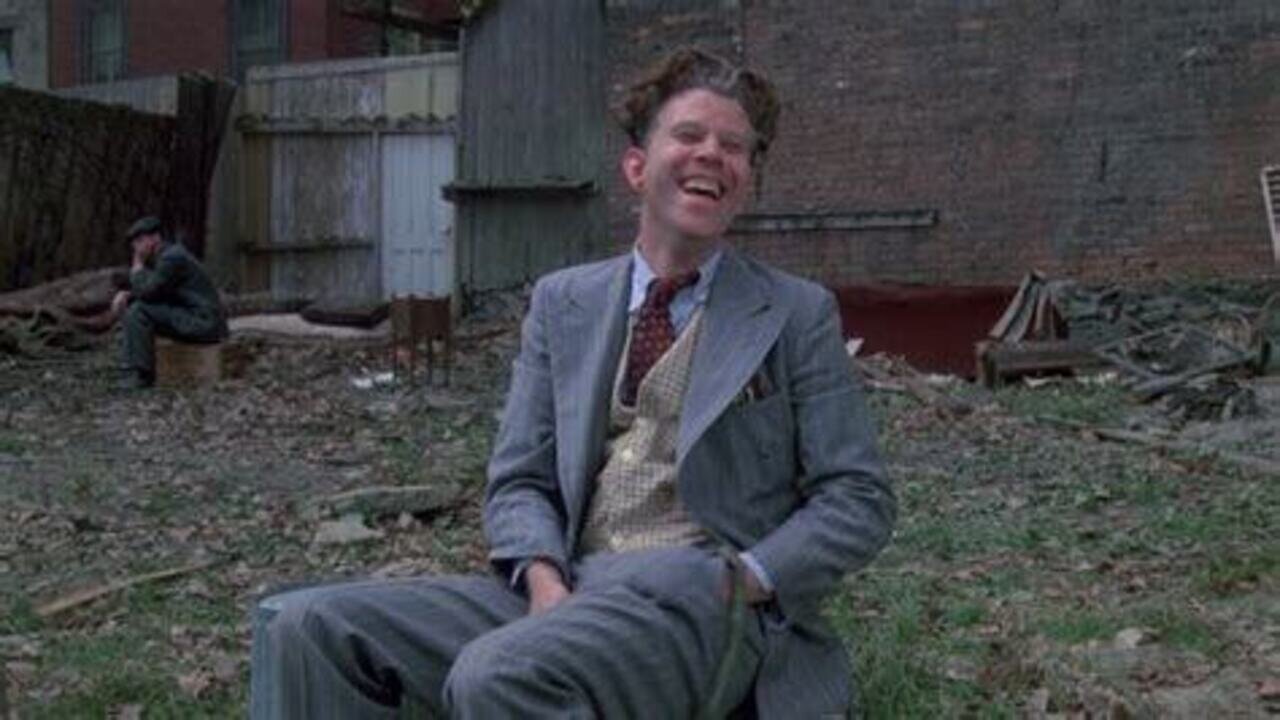
Director Héctor Babenco, fresh off the international acclaim of Kiss of the Spider Woman (1985), brings a deliberate, almost meditative pace to the proceedings. Working from the Pulitzer Prize-winning novel and screenplay by Albany native William Kennedy, Babenco doesn’t shy away from the harsh realities of homelessness and addiction. The Albany locations, Kennedy’s own turf, feel chillingly real – the cold seems to radiate off the screen. What elevates the film beyond mere gritty realism, however, is its handling of Francis's visions. The ghosts aren't presented with flashy effects; they simply appear, solid and accusatory, woven into the fabric of Francis's perception. It’s a powerful cinematic representation of inescapable trauma, how the past isn’t truly past but walks alongside us.
A Tough Sell, Then and Now
I recall renting Ironweed back in the day, probably drawn by the star power on the VHS box. It wasn't exactly the feel-good hit of the season. This was a challenging film, uncompromising in its bleakness. It’s perhaps unsurprising that despite its pedigree and critical nods for the acting, it struggled at the box office, reportedly earning only around $7.4 million against a substantial $27 million budget – a significant investment by the studio for such challenging material, something perhaps less likely today. It demands patience and a willingness to sit with discomfort. There are no easy answers here, no neat narrative arcs of redemption. Francis seeks forgiveness, perhaps, but the film wisely leaves his ultimate fate ambiguous. Can a man truly outrun the ghosts he carries inside? Does absolution even matter in the face of such ingrained despair?
The production itself wasn't without its stories. Nicholson, aware of the film's difficult commercial prospects, reportedly took a significant pay cut to help get it made. And Kennedy's deep involvement, adapting his own novel set in his hometown and being present during the Albany shoot, lent an undeniable layer of authenticity that permeates every frame. It feels like a story wrenched from the very cobblestones it depicts.
The Lingering Chill
Ironweed isn't a film you watch for escapism. It’s a sobering, often heartbreaking immersion into the lives of people on the absolute fringes, anchored by two of the most powerful screen actors of their generation giving performances devoid of vanity. It’s a reminder of a time when major studios occasionally took risks on difficult, adult dramas based on literary works. While its pacing can feel slow and its subject matter relentlessly grim, the sheer force of the performances and the haunting atmosphere Babenco conjures make it a significant, if somber, piece of 80s cinema.
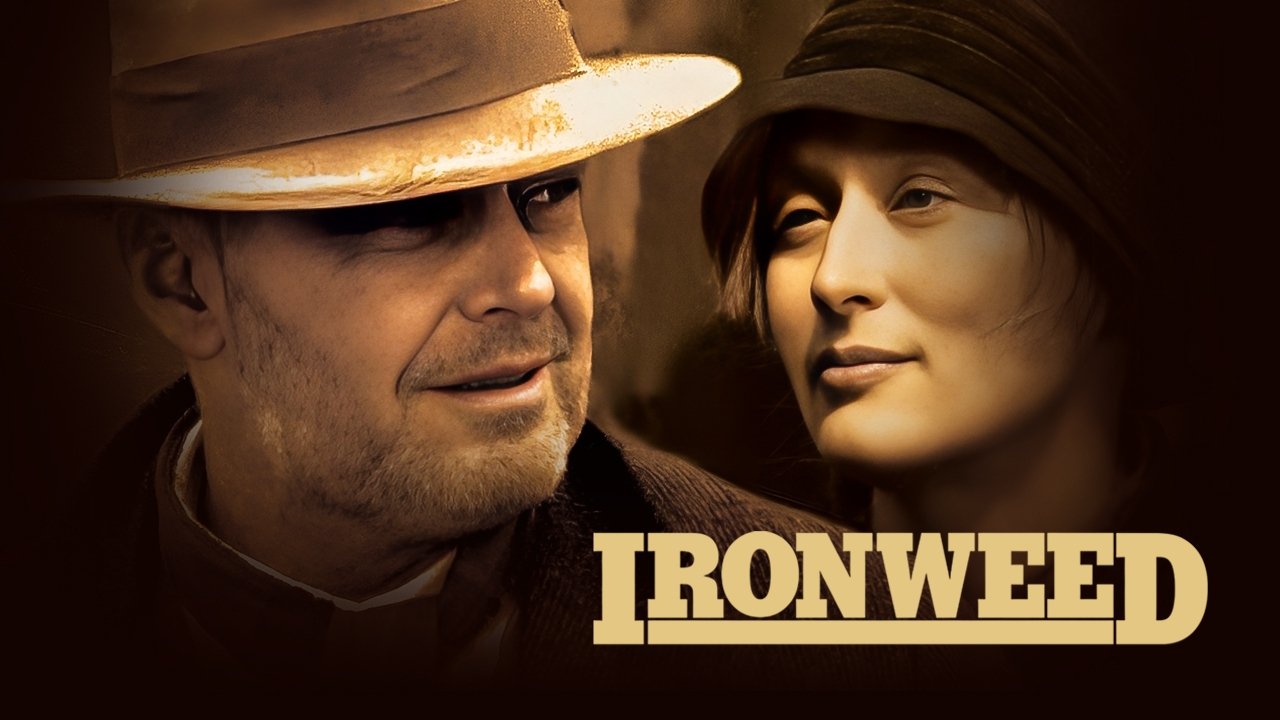
Rating: 7/10
Justification: The score reflects the undeniable power of Nicholson and Streep's performances and the film's atmospheric success in capturing a specific time and desperate state of mind. It's a meticulously crafted adaptation. However, its deliberate pacing and unrelenting bleakness make it a challenging and sometimes emotionally draining watch, preventing it from reaching higher marks for broader appeal or rewatchability for many. It's a film you respect deeply, perhaps more than you "enjoy."
Final Thought: Ironweed lingers like the cold ache of remembered grief, asking us to look at the faces we might otherwise pass by and consider the weight of the histories they carry.