It's a curious thing, the biographical film. How do you capture the whirlwind of a life – especially one as incandescent and ultimately tragic as Oscar Wilde's – within the confines of two hours? Some attempts feel like Wikipedia entries brought dutifully, if lifelessly, to the screen. But then there are films like Brian Gilbert's Wilde (1997), films that breathe with a quiet authenticity, less concerned with ticking off historical milestones and more interested in exploring the fragile human heart beating beneath the public persona. Watching it again recently, pulling that familiar tape from its sleeve, I wasn't just revisiting a film; I was reconnecting with a specific kind of late-90s cinematic introspection, a thoughtful sadness that lingers long after the VCR clicks off.
More Than Just Wit
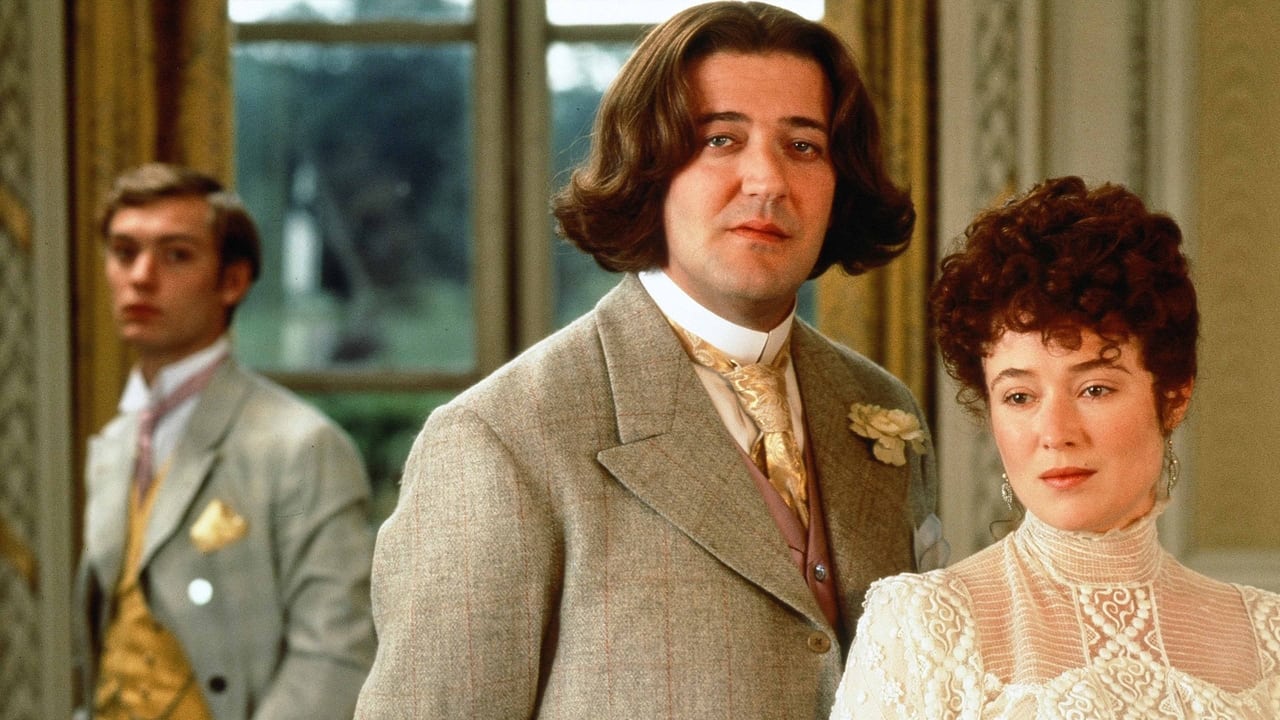
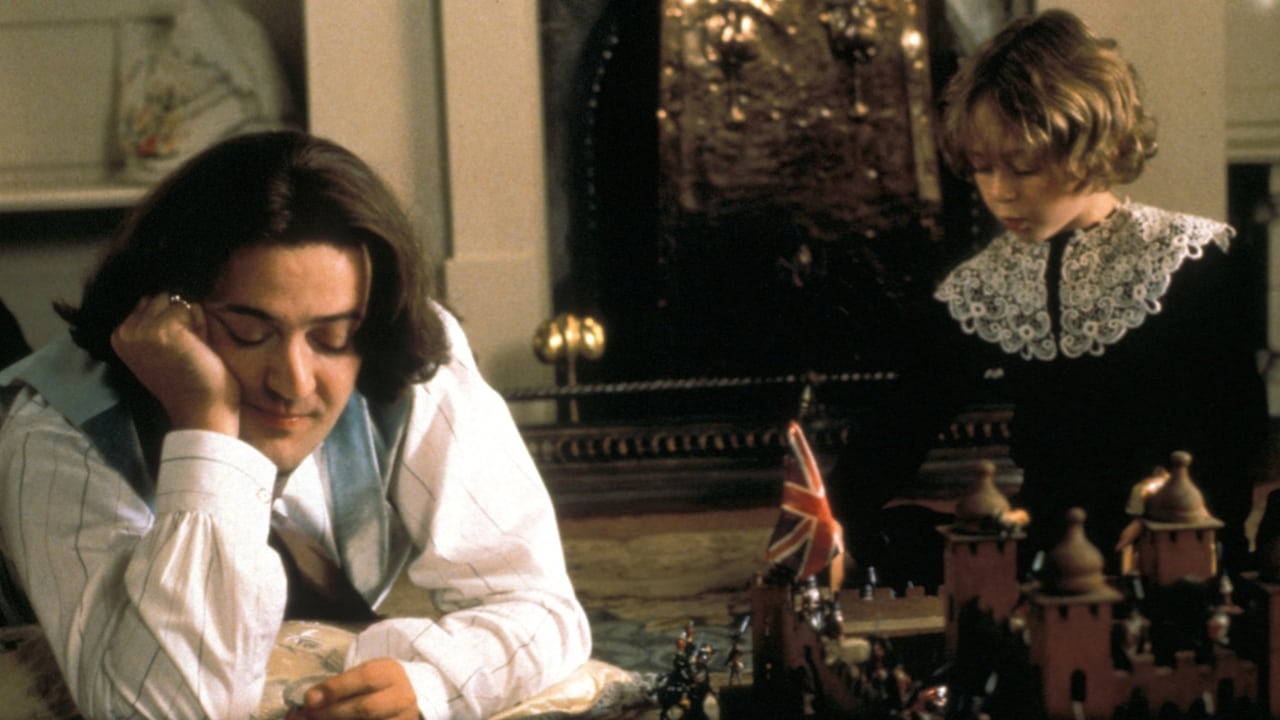
At the absolute core of Wilde's enduring power is Stephen Fry. It’s one of those rare instances where actor and role feel utterly, cosmically intertwined. Fry, himself a renowned wit and intellectual with a deep, long-held affinity for Wilde, doesn't merely impersonate; he inhabits the man. We see the celebrated playwright holding court, tossing off bon mots with effortless grace, the public figure who charmed and scandalized London society. But Fry delves so much deeper. He finds the vulnerability beneath the velvet waistcoat, the yearning for connection, the devastating naivete that coexisted with piercing insight. It’s in the subtle shift of his eyes, the slight tremor in his voice during moments of private anguish, the palpable joy that illuminates his face in moments of love and creativity. It’s a performance built not on mimicry, but on profound empathy. I remember hearing back in the day that Fry had wanted to play Wilde for years; that passion isn't just trivia, it's visible in every frame, lending the portrayal an astonishing truthfulness. This wasn't just a role for him; it felt like a calling.
A Moth to the Flame
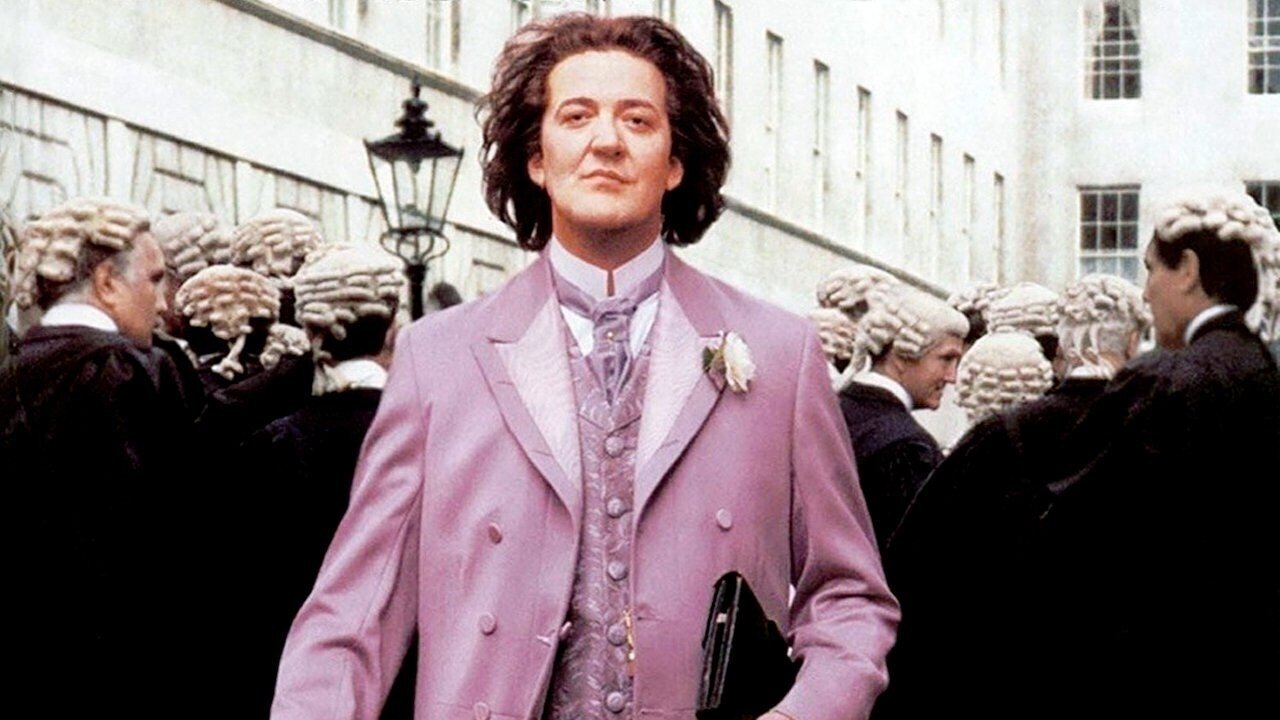
Of course, Wilde's story is inextricably linked with Lord Alfred Douglas, or 'Bosie'. And here, Jude Law, in a role that significantly boosted his rising star, is electric. He captures Bosie's intoxicating beauty, the petulant charm, the aristocratic entitlement, and the dangerous, destructive narcissism that would ultimately prove Wilde's undoing. The chemistry between Fry and Law is palpable – a complex blend of adoration, intellectual sparring, and simmering danger. You understand Wilde's fascination, even as you see the inevitable heartbreak speeding towards him like an oncoming train. Law doesn't shy away from Bosie's less savory aspects; he makes you understand the allure without excusing the toxicity. It’s a magnetic performance, perfectly counterpointing Fry’s more grounded portrayal.
The supporting cast is uniformly excellent. Vanessa Redgrave, as Wilde’s wonderfully eccentric mother Speranza, lights up her few scenes with fierce intelligence and maternal concern. Jennifer Ehle brings quiet dignity and heartbreak to the role of Wilde's loyal wife, Constance, while Zoë Wanamaker is wonderfully grounded as Ada Leverson, a steadfast friend. These aren't just satellites orbiting Wilde; they feel like fully realized individuals caught in the gravitational pull of his extraordinary, and ultimately catastrophic, life.
The Gilded Cage and the Gathering Storm
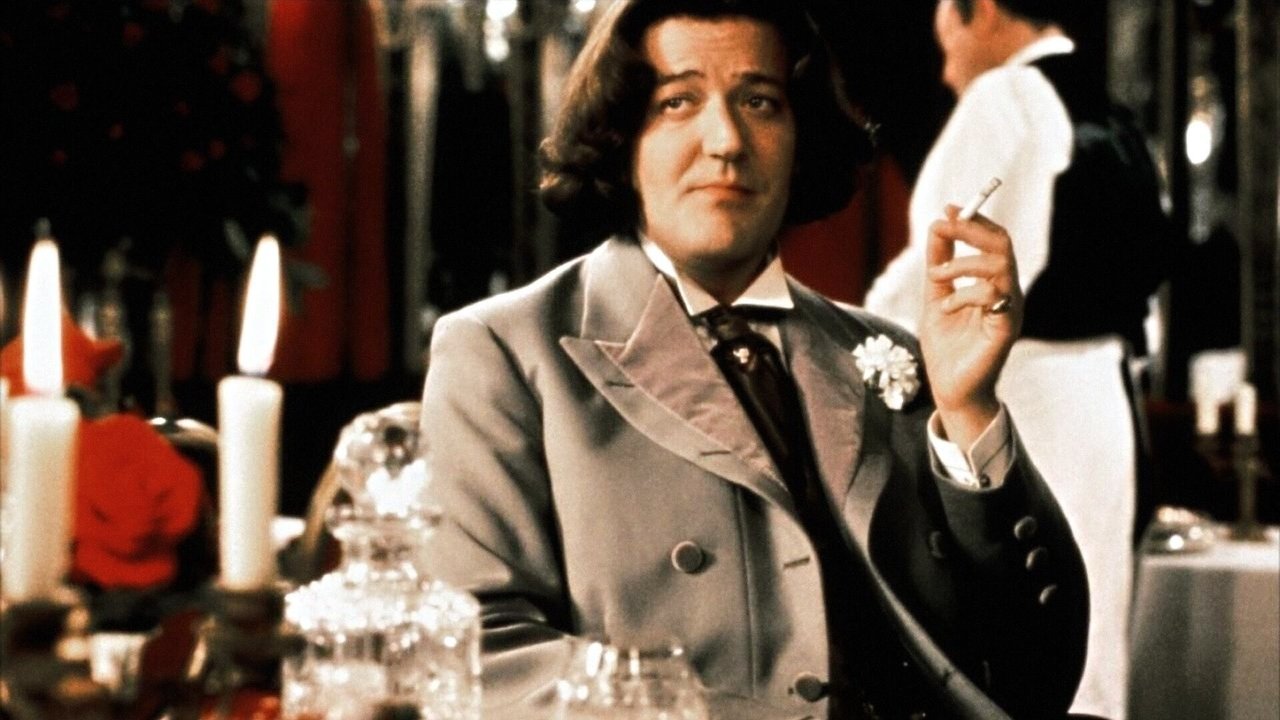
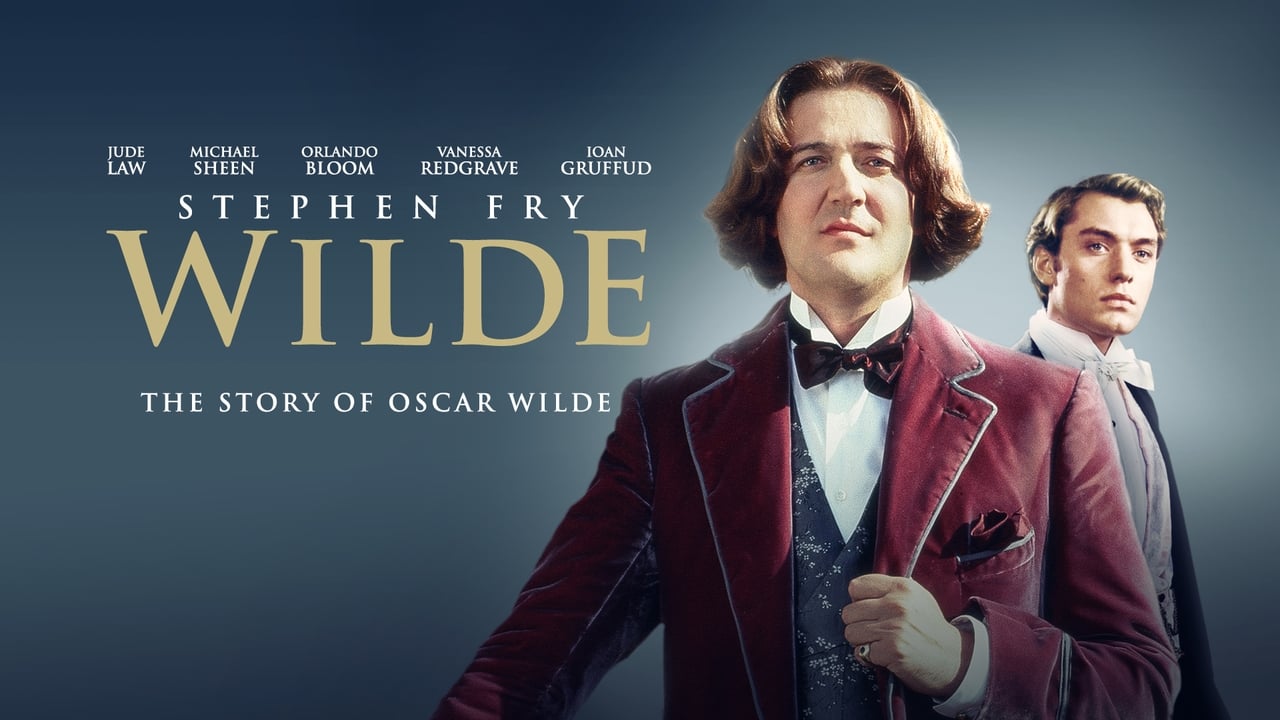
Director Brian Gilbert, perhaps better known for the intense drama Not Without My Daughter (1991), handles the material with sensitivity and restraint. Working from Julian Mitchell’s screenplay (adapted from his own successful stage play), Gilbert avoids sensationalism. The film doesn't shy away from the homosexual relationship central to the narrative – quite progressive for a mainstream film in 1997 – but treats it with tenderness and humanity rather than prurience. The pacing is deliberate, allowing moments of quiet reflection and building a sense of impending doom as Wilde's societal standing begins to crumble under the weight of his affair and Bosie's recklessness.
The production design and costumes effectively evoke Victorian London, from the opulent drawing rooms to the grim confines of Reading Gaol. There's a richness to the visuals, yet it never feels ostentatious. Debbie Wiseman's score, too, is beautifully judged, subtly underscoring the emotional currents without becoming overbearing. It all contributes to an atmosphere that feels both authentically of its time and emotionally resonant today. Doesn't the film’s depiction of societal judgment and the pressure to conform still echo in our own times?
Behind the Curtain: A Labour of Love
Digging into the background of Wilde, you find it was very much a passion project, particularly for Fry. Made on a relatively modest budget (around $10 million according to some sources, though figures vary - it certainly wasn't a blockbuster budget even then), its success relied heavily on the strength of the performances and script. It wasn't a huge box office smash (grossing just over $2 million in the US), but it garnered significant critical acclaim, particularly for Fry (earning him a Golden Globe nomination) and Redgrave (who won a BAFTA for Best Supporting Actress). It’s interesting to think that this thoughtful, character-focused drama found its space amidst the louder cinematic landscape of the late 90s. It felt like a film made because people believed in the story and the man, not just because it fit a market trend. Its enduring presence on VHS and later DVD cemented its place for many as the definitive screen portrayal of Oscar Wilde.
The Verdict
Wilde is not a film you watch for thrilling plot twists or explosive action. It’s a character study, a portrait of genius and fragility, love and self-destruction. It invites contemplation rather than simple consumption. The pacing might feel slow to some accustomed to modern editing rhythms, but it’s essential for building the atmosphere and allowing the performances to breathe. Fry's portrayal is simply magnificent, a career highlight that feels both definitive and deeply personal. The film handles its subject matter with intelligence, grace, and a profound sense of empathy.
Rating: 9/10
This rating reflects the sheer power of Fry's central performance, the strength of the supporting cast, and the film's sensitive, intelligent handling of a complex life. It succeeds beautifully in capturing the spirit, the wit, and ultimately the tragedy of Oscar Wilde, avoiding biopic clichés to deliver something genuinely moving and insightful. It’s a film that reminds us of the human cost of societal prejudice and the enduring power of art created in the face of adversity. What lingers most, perhaps, is the echo of Wilde's own brilliance, filtered through Fry's remarkable portrayal – a haunting reminder of a unique light extinguished too soon.