The static hiss of the tracking adjustment fades, and the image flickers into view. But what coalesces on screen isn't comfort or adventure. It’s a smear of primordial dread, a violation of the familiar that lodges itself deep in the subconscious. Some films aim to scare; Xtro (1982) feels like it wants to infect you. Forget the comforting glow of Spielberg's visitor from the stars that arrived the same year; this transmission crackles with pure biological wrongness.

A Homecoming Most Foul
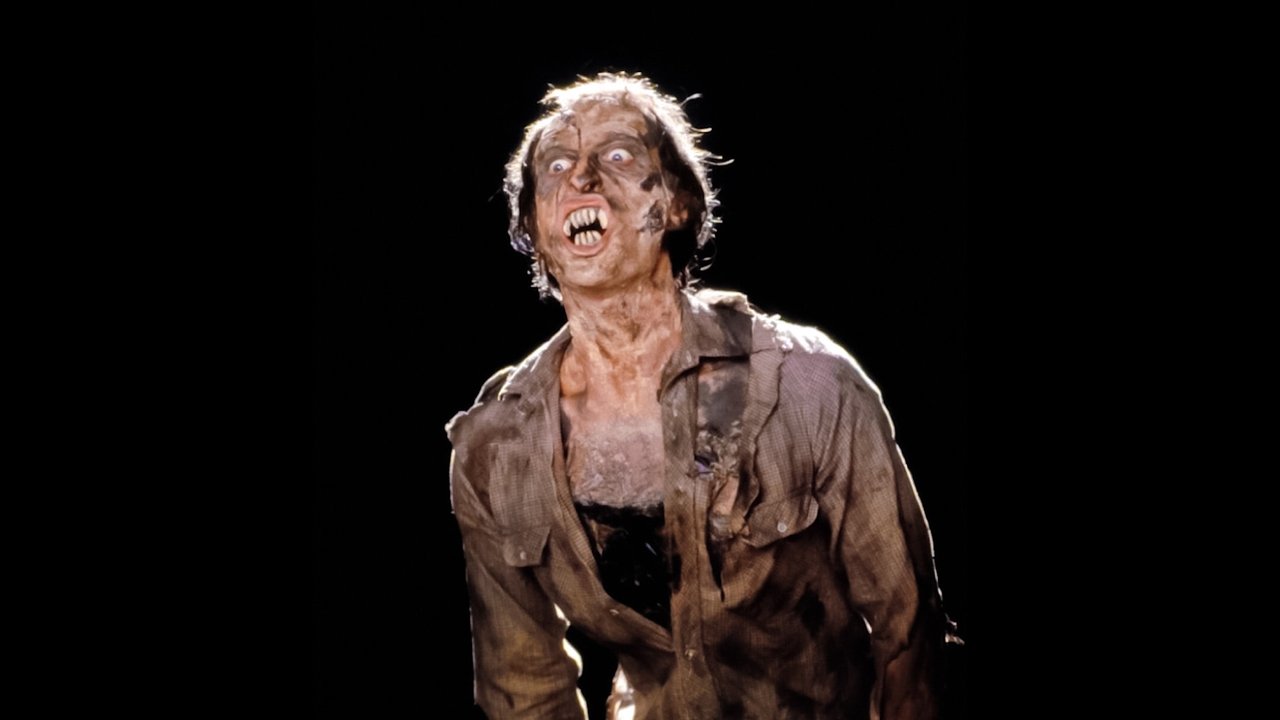
The premise is deceptively simple, almost mundane in its setup. Young Tony (Simon Nash) witnesses his father, Sam (Philip Sayer), seemingly abducted by a blinding light while playing near their cottage. Three years later, Sam returns. But this isn't the tearful reunion of a Lifetime movie. This Sam is… off. He materializes not from a spaceship, but birthed grotesquely from a roadside cocoon after an alien creature impregnates a hapless woman. From the moment Sayer appears, gaunt and unsettlingly calm, a palpable sense of unease permeates the family home he infiltrates, twisting the domestic bliss sought by his wife Rachel (Bernice Stegers) into a slow-motion nightmare. It's less a story of alien invasion and more one of insidious bodily infiltration.
The Texture of Unease

Directed by Harry Bromley Davenport, Xtro weaponizes its low budget. There's a grimy, almost tactile quality to the film that enhances the discomfort. The lighting often feels harsh, the sets mundane in a way that makes the intrusions of the bizarre feel even more jarring. This isn't sleek, polished sci-fi; it's damp, organic horror that feels like it could crawl out of the damp patches in your basement. The score, often sparse and electronic, prickles at the nerves rather than guiding emotions, amplifying the sense of alienation and impending violation. Davenport, by his own admission, set out to make something commercially viable in the wake of E.T. the Extra-Terrestrial (1982), but his commercial instincts led him down a path far darker and stranger than perhaps even he anticipated, resulting in a film that baffled critics but burrowed deep into the psyches of late-night video renters.
Those Scenes You Can't Unsee
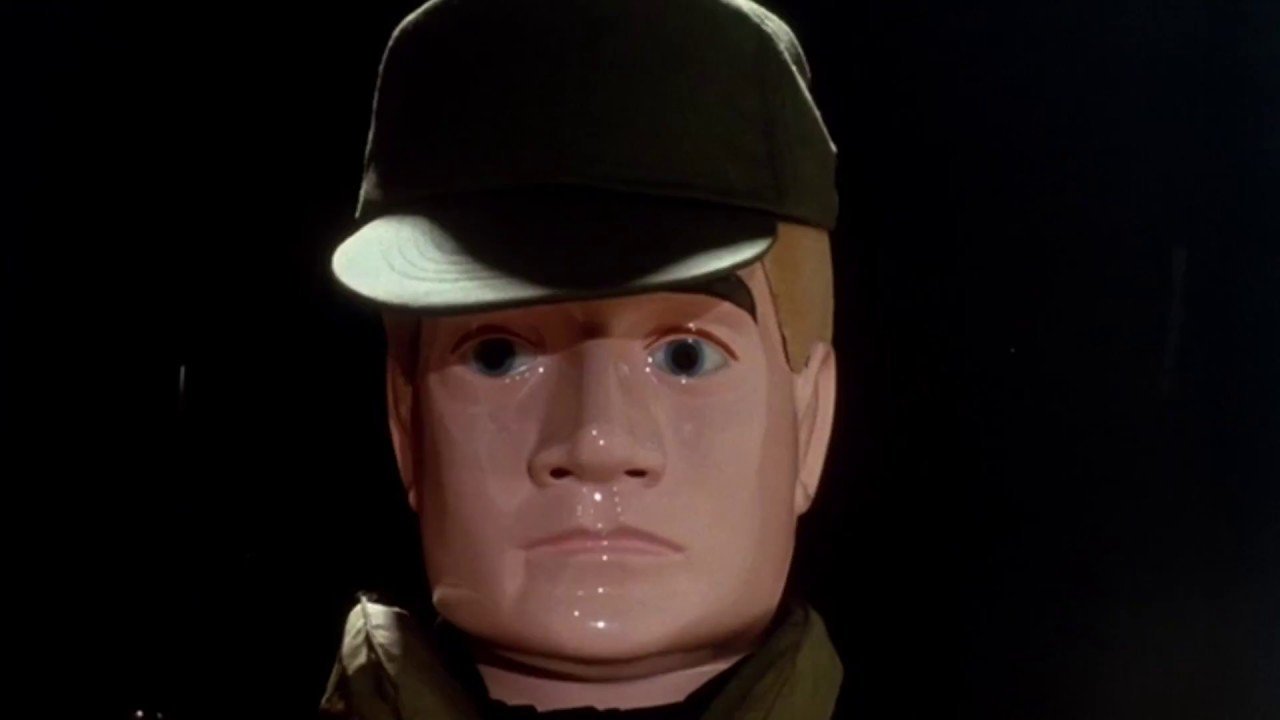
Let's be frank: Xtro is infamous for specific moments that feel less like plot points and more like fever-dream transmissions. The aforementioned roadside birth sequence is a masterclass in low-budget practical effects body horror, managing to be both repulsive and strangely hypnotic. Then there's the sequence involving Tony's toys – particularly a life-sized clown and an unnervingly animated toy soldier – which taps into childhood fears with brutal efficiency. Reportedly, young Simon Nash suffered nightmares related to the clown, a grim testament to the scene's effectiveness. And who could forget the bizarre spectacle of the panther in the apartment? Apparently achieved with a real animal on set, adding a layer of genuine peril to the already surreal proceedings. These moments aren't just scary; they're weird, operating on a logic entirely their own, contributing to the film's enduring cult status. Did any sequence from Xtro leave a particular scar on your own adolescent psyche?

A Strange Kind of Success
Despite a critical mauling upon release, Xtro found its tribe in the burgeoning home video market. Its lurid cover art practically leaped off the shelves, promising forbidden thrills. Made for roughly $850,000, it became surprisingly profitable, particularly in the UK on VHS, enough to spawn two vastly different (and generally considered inferior) sequels: Xtro II: The Second Encounter (1990) and Xtro 3: Watch the Skies (1995). Interestingly, the US distributor, New Line Cinema (yes, the house Freddy Krueger built), reportedly added the prologue clarifying Sam's abduction, perhaps trying to impose a sliver of conventional narrative onto the film's inherent strangeness. While never officially branded a "video nasty" in the UK's infamous moral panic, its graphic content often saw it discussed in the same breath, adding to its transgressive allure.
The performances reflect the film's unsettling tone. Philip Sayer is chillingly effective as the returned Sam, his emptiness more terrifying than any overt monstrosity. Bernice Stegers convincingly portrays Rachel's descent from confusion to horror, grounding the escalating weirdness. And Simon Nash gives a remarkably natural performance as Tony, the vulnerable child caught in the centre of an extraterrestrial psychodrama, whose developing powers become a source of both wonder and profound dread.
Legacy of the Unsettling
Xtro isn't a traditionally "good" film. Its plot meanders, its tone lurches unpredictably, and its internal logic feels, at times, alien itself. But its power lies in its refusal to conform. It delivers unforgettable, often disturbing imagery and cultivates an atmosphere of genuine unease that lingers long after the tape clicks off. It’s a prime example of that specific brand of 80s horror that wasn't afraid to be truly bizarre, prioritising visceral impact and sheer strangeness over narrative coherence. It reminds us of a time when video store shelves held genuine surprises – films that could shock, confuse, and profoundly disturb in equal measure.
---
Rating: 6.5/10
Justification: Xtro earns its score through sheer audacity and unsettling effectiveness. While hampered by budget limitations and narrative oddities, its iconic, grotesque sequences, pervasive atmosphere of dread, and commitment to being genuinely weird make it a memorable, if uncomfortable, watch. The practical effects, though dated, possess a disturbing physicality often missing today. It loses points for plot incoherence and uneven pacing, but gains them back for being an unforgettable slice of bizarre 80s VHS horror history that continues to provoke strong reactions.
Final Thought: Xtro remains a fascinating, repulsive artifact – a reminder that sometimes the most unsettling alien encounters aren't about invasion, but contamination. It’s the cinematic equivalent of finding something inexplicable growing in the dark corner of your basement.