Some whispers from childhood are laced with something far colder than nostalgia. Forget the brightly coloured cartoons or adventure serials; remember those other tales, the ones whispered in shadowed corners, hinting at a darkness lurking just beneath the surface of innocence? 1986's Veneno para las hadas (Poison for the Fairies), a chilling masterpiece from Mexican horror auteur Carlos Enrique Taboada, plunges directly into that icy abyss. This isn't a film you easily shake off; it lingers, a quiet, unsettling presence long after the credits roll, much like the unnerving silence of a grand, empty house.

A Childhood Game Turns Grimm
The story centers on two young girls in 1960s Mexico City: the shy, imaginative Flavia (Elsa María Gutiérrez) and the manipulative, wealthy Verónica (Ana Patricia Rojo). New at school, Flavia finds herself drawn into Verónica's orbit. Verónica, living a lonely existence in a sprawling gothic mansion overseen by a stern, almost spectral nanny (Leonor Llausás, who snagged an Ariel Award for her unsettlingly detached performance), quickly convinces the impressionable Flavia of a fantastical secret: she is a witch, capable of weaving spells and communing with dark forces. What begins as seemingly innocent, albeit creepy, make-believe – brewing "potions," conducting "rituals" – steadily curdles into a disturbing game of psychological dominance. Verónica's demands escalate, her cruelty sharpening, as Flavia becomes trapped in a web of fear and twisted loyalty.
Taboada's Theatre of Suggestion
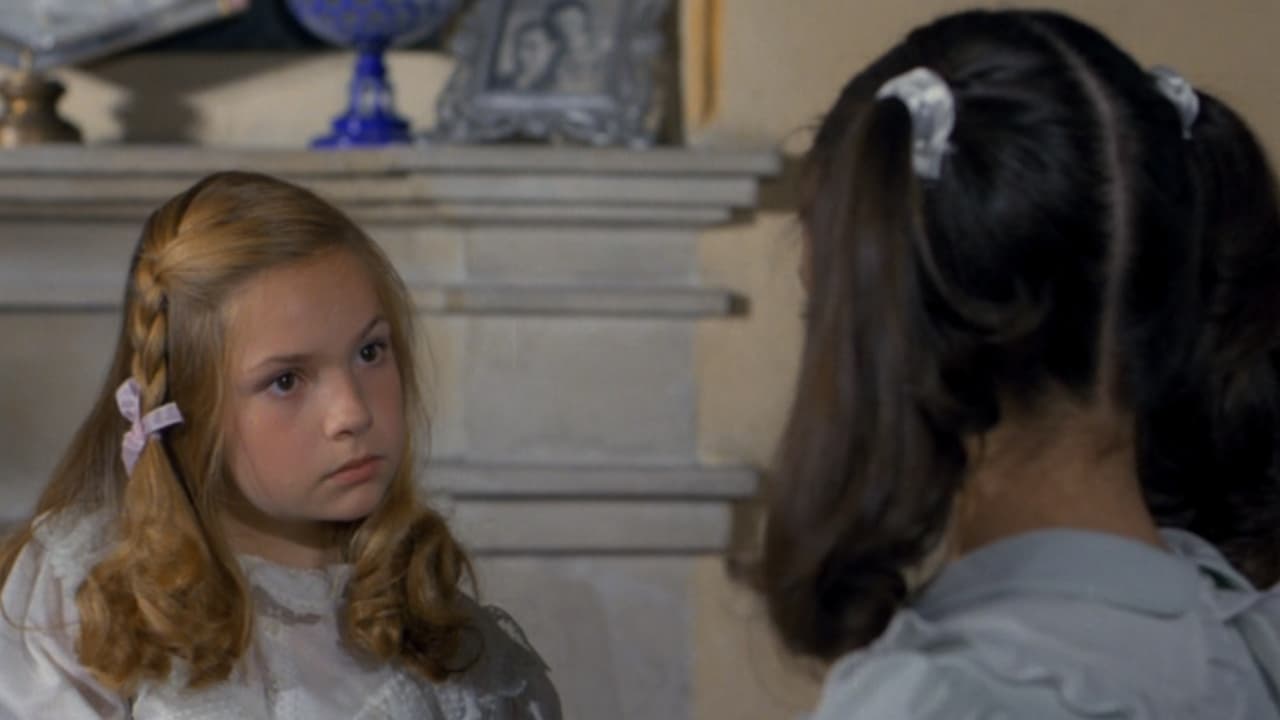
Director Carlos Enrique Taboada, already revered in Mexico for his previous gothic chillers like Hasta el viento tiene miedo (1968) and Más negro que la noche (1975), orchestrates Poison for the Fairies with masterful restraint. This was sadly his final theatrical feature, but he went out on a high note, sweeping the Ariel Awards (Mexico's equivalent of the Oscars) including Best Picture and Best Director. His genius lies in what he doesn't show. The horror is almost entirely psychological, built through atmosphere, implication, and the truly unnerving performances he coaxes from his young leads. Ana Patricia Rojo is simply magnetic as Verónica, embodying a chillingly believable childhood sociopathy – a performance made all the more remarkable considering her age. Elsa María Gutiérrez perfectly captures Flavia’s vulnerability and dawning terror. It's reported Taboada worked meticulously with the girls, framing the dark narrative almost like a grim fairy tale during filming to shield them while still achieving profoundly unsettling results.
One of the film's most striking stylistic choices is how it marginalizes the adult world. Grown-ups are often kept just out of frame, their faces obscured, their voices distant. We experience this claustrophobic world entirely through the girls' eyes, amplifying the sense that they are adrift in a reality governed by their own increasingly dangerous rules. This wasn't accidental; it was a deliberate technique by Taboada to immerse us completely in their warped perspective, making Verónica's power feel absolute and Flavia's isolation palpable. Doesn't that technique still feel incredibly effective at creating a sense of childhood vulnerability and menace?
Where Innocence Dies
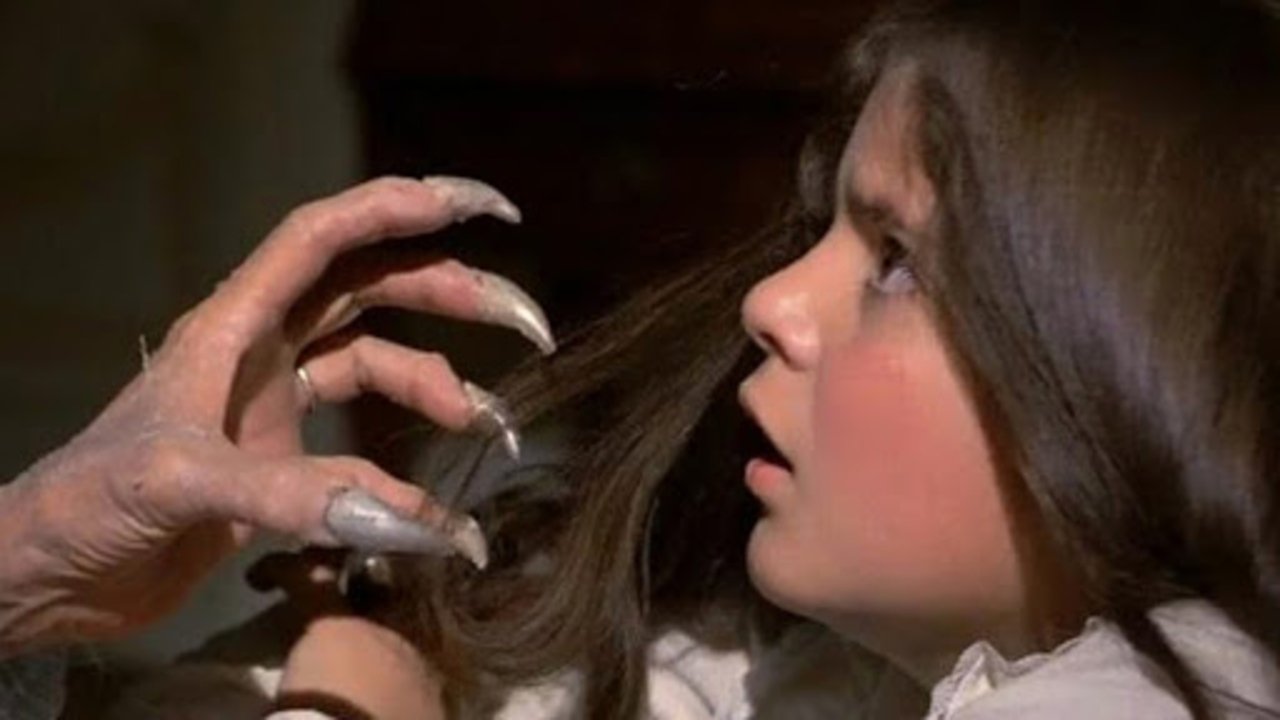
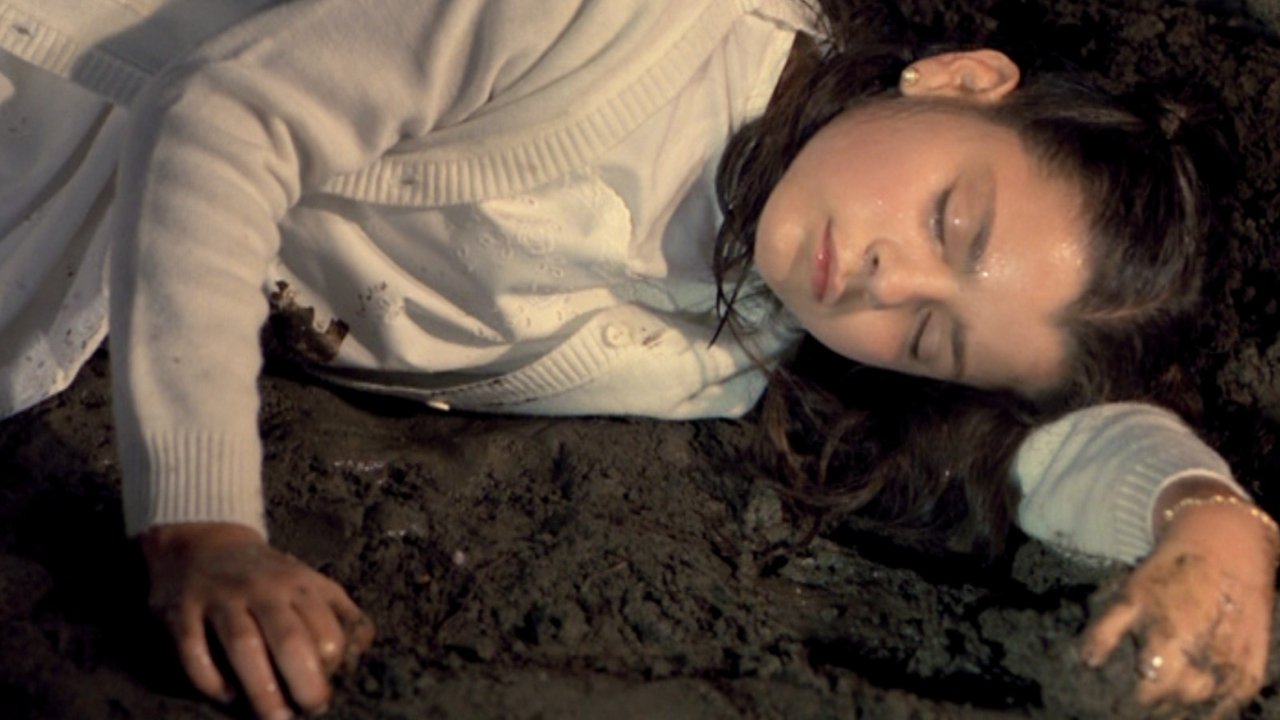
The production design is crucial, transforming Verónica’s opulent home into a character itself – all shadows, imposing furniture, and unsettling quiet. The piano-driven score drifts between melancholic and menacing, perfectly underscoring the slow-burn dread. There are no jump scares here, no monsters leaping from closets. The terror is far more insidious, rooted in the recognizable dynamics of childhood friendships twisted into something monstrous. It explores unsettling themes: the cruelty children are capable of, the dangerous allure of power, the stark realities of class differences, and the thin veil between imagination and delusion.
Watching it back then, perhaps on a grainy VHS procured from a specialist store or a lucky find in a deeper catalogue rental section, Poison for the Fairies felt different. It lacked the comforting tropes of American horror. Its pace was deliberate, its chill existential. It was the kind of film that burrowed under your skin precisely because it felt so plausible, so rooted in the dark potential of the human (even the very young human) heart.
[Spoiler Warning for the film's climax] The infamous climax, involving a desperate plan hatched by Verónica to concoct a literal poison for the fairies (who she blames for her perceived failures), is relentlessly bleak. The cold, methodical nature of the preparations, seen through Flavia's terrified eyes, culminates in an act of violence that is shocking not for its graphic detail (which Taboada characteristically avoids), but for its chilling inevitability and the utter darkness it reveals. The film offers no easy answers, no comforting resolution. It simply leaves you with the horrifying consequences of unchecked manipulation and broken innocence. [End Spoiler Warning]
Lasting Chill
Poison for the Fairies remains a high watermark for Mexican cinema and a potent example of psychological horror done right. It eschews gore and spectacle for suffocating atmosphere and deeply uncomfortable character dynamics. The central performances are haunting, and Taboada's assured direction crafts an unforgettable experience. It’s a film that reminds us that sometimes the most terrifying monsters aren't supernatural beasts, but the darkness we can find within ourselves, even at a disturbingly young age.
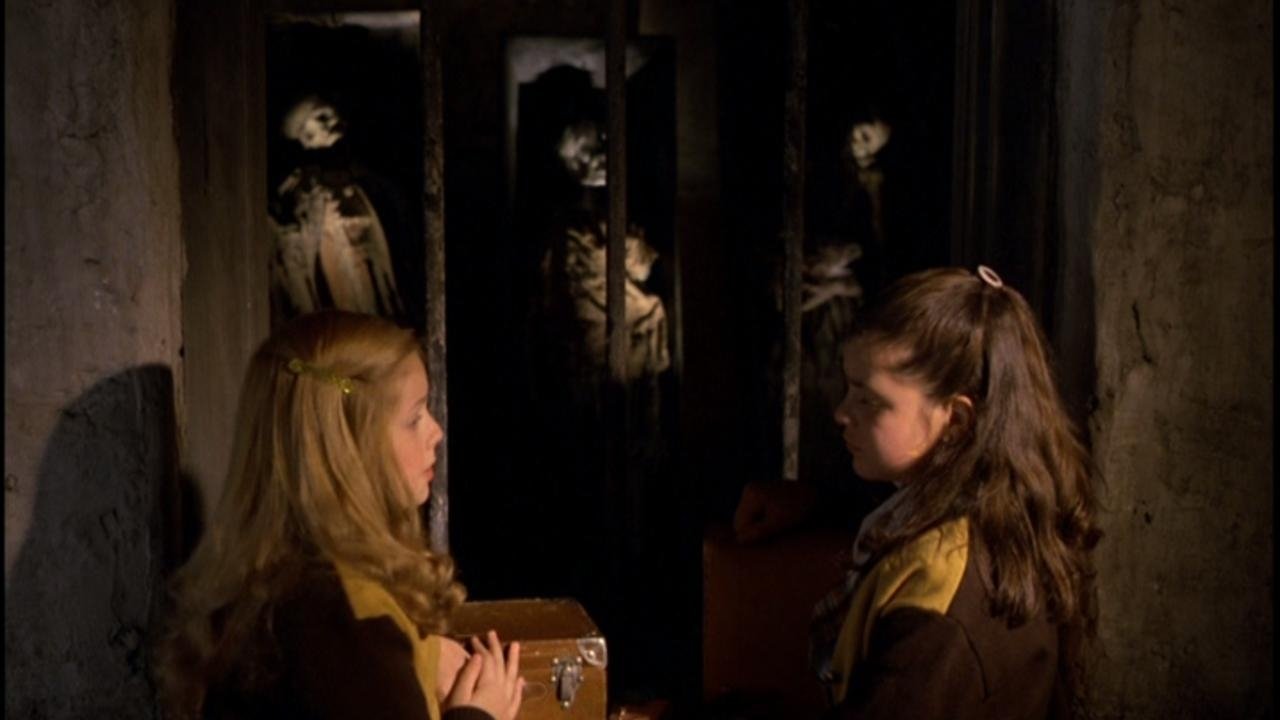
Rating: 9/10
Justification: This score reflects the film's masterful direction, chilling atmosphere, outstanding child performances, and its powerful, unsettling psychological horror. It's a near-perfect execution of its grim concept, losing perhaps a single point only for a pacing that might test viewers accustomed to more conventional horror rhythms, though this deliberate pace is arguably essential to its effectiveness.
Final Thought: A truly disturbing gem from the VHS era that proves genuine terror often whispers rather than screams, leaving a far deeper, colder mark. A must-watch for fans of atmospheric, psychologically driven horror.