There's a quiet hum beneath the surface of Where the Money Is (2000), a film that arrived just as the millennium turned, feeling both comfortably familiar and unexpectedly gentle for a heist story. It doesn't burst onto the screen with the swagger of its genre brethren; instead, it eases you in, anchored by the magnetic, late-career presence of a screen legend and the sharp, watchful eyes of an actress who always commanded attention. Watching it again, perhaps years after catching it on a late-night movie channel or picking up the DVD release that felt like the successor to our beloved tapes, it strikes me not as a high-octane thriller, but as something more akin to a character study wrapped in the guise of a caper.
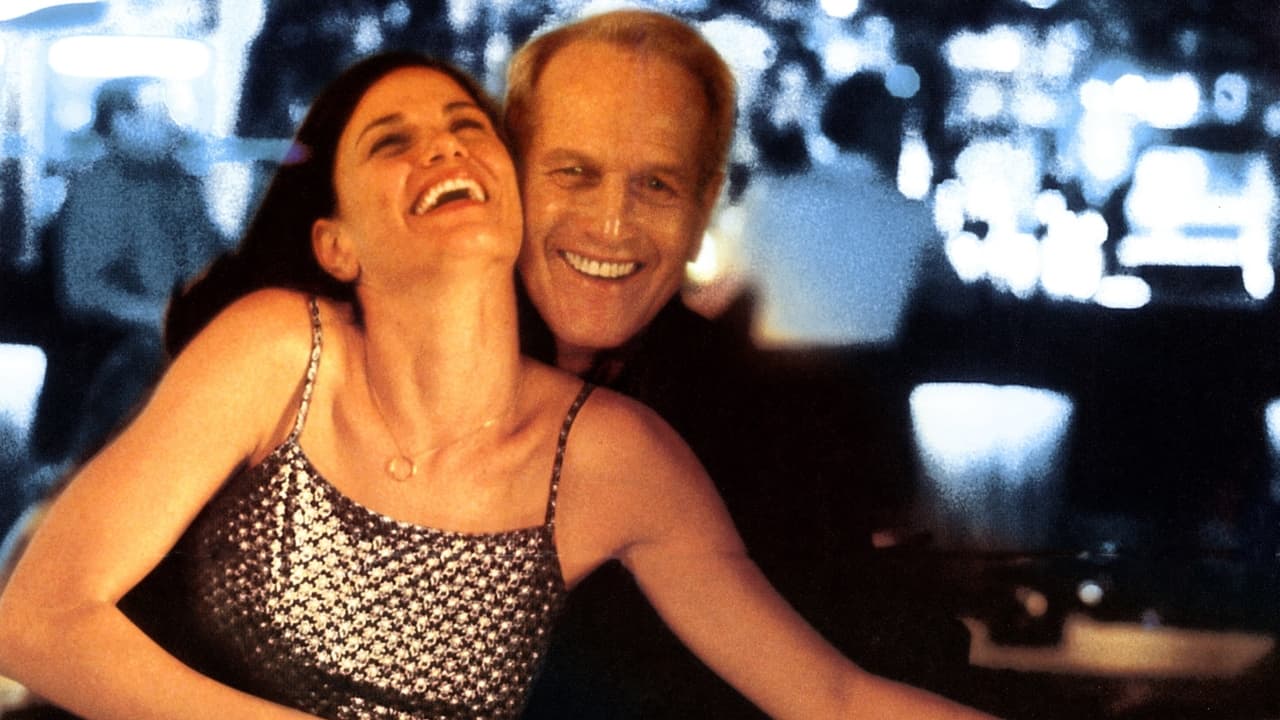
An Unexpected Spark in the Quiet
We find ourselves in a sleepy Oregon town (though sharp-eyed viewers might spot the Montreal filming locations substituting), where Carol Ann McKay (Linda Fiorentino) feels the walls closing in. A nurse, wife to the devoted but perhaps slightly dim Wayne (Dermot Mulroney), and a former prom queen whose glory days feel increasingly distant, she's stuck. Life has settled into a predictable rhythm, and you can practically feel her yearning for something more. That something arrives in the form of Henry Manning (Paul Newman), a legendary bank robber transferred to Carol's nursing home after a stroke supposedly leaves him incapacitated. But Carol, possessing an intuition sharpened by boredom and maybe a touch of mischief, isn't buying it. She suspects Henry is faking, pulling the ultimate long con. What begins as a test – dangling him precariously over a pier, employing increasingly risky methods to provoke a reaction – evolves into a strange, compelling alliance.
The Newman Charm, Even Muted
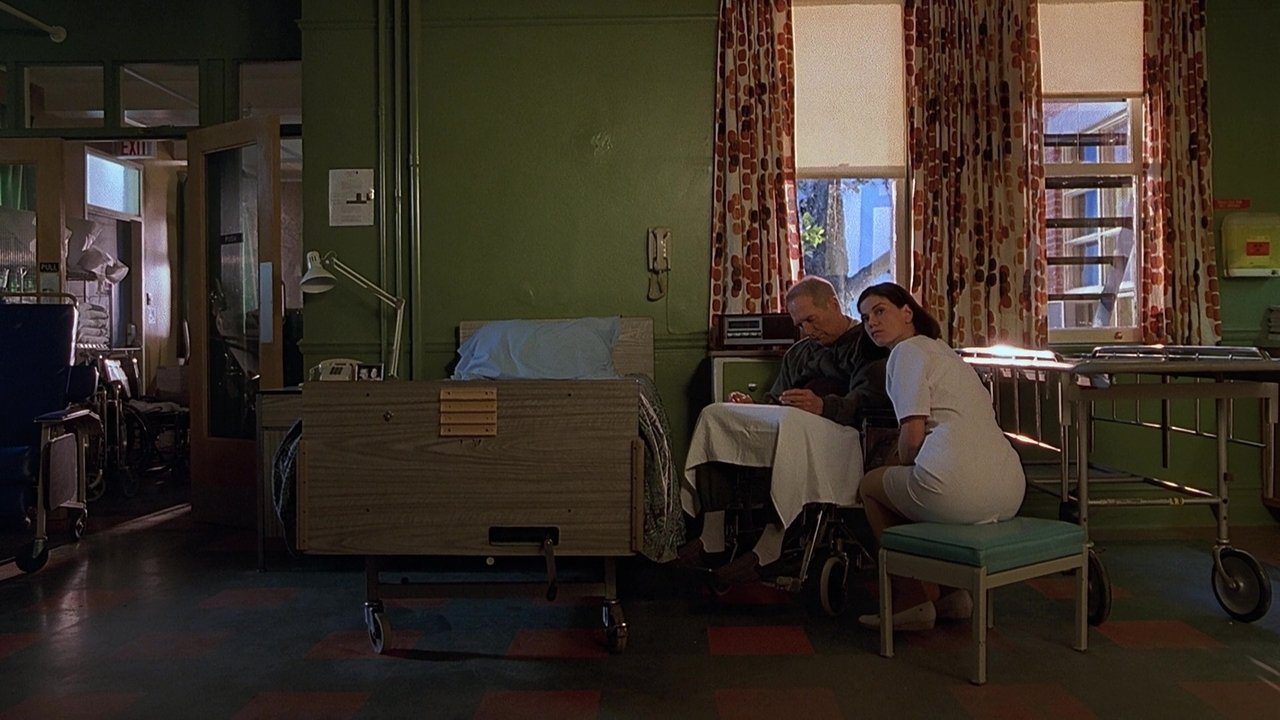
It's impossible to discuss this film without focusing on Paul Newman. At 75, his iconic blue eyes might have been framed by more lines, but the charisma, the sheer weight of his screen presence, remained undimmed. His performance here is a masterclass in subtlety. For a significant portion of the film, he communicates entirely through stillness, through the faintest flicker of awareness in his eyes. When Henry finally "awakens," Newman doesn't suddenly transform into the Cooler Hand Luke of old. Instead, he embodies a man revitalized, yes, but also weary, contemplating his own legacy and limitations. There's a lovely meta-textual layer here; Newman, the Hollywood giant, playing a legendary thief contemplating one last score. Reportedly, Newman himself relished the challenge of portraying a character who was, in essence, acting throughout the first act – faking the stroke. It adds a playful dimension to his scenes, even when silent.
Fiorentino's Prickly Magnetism
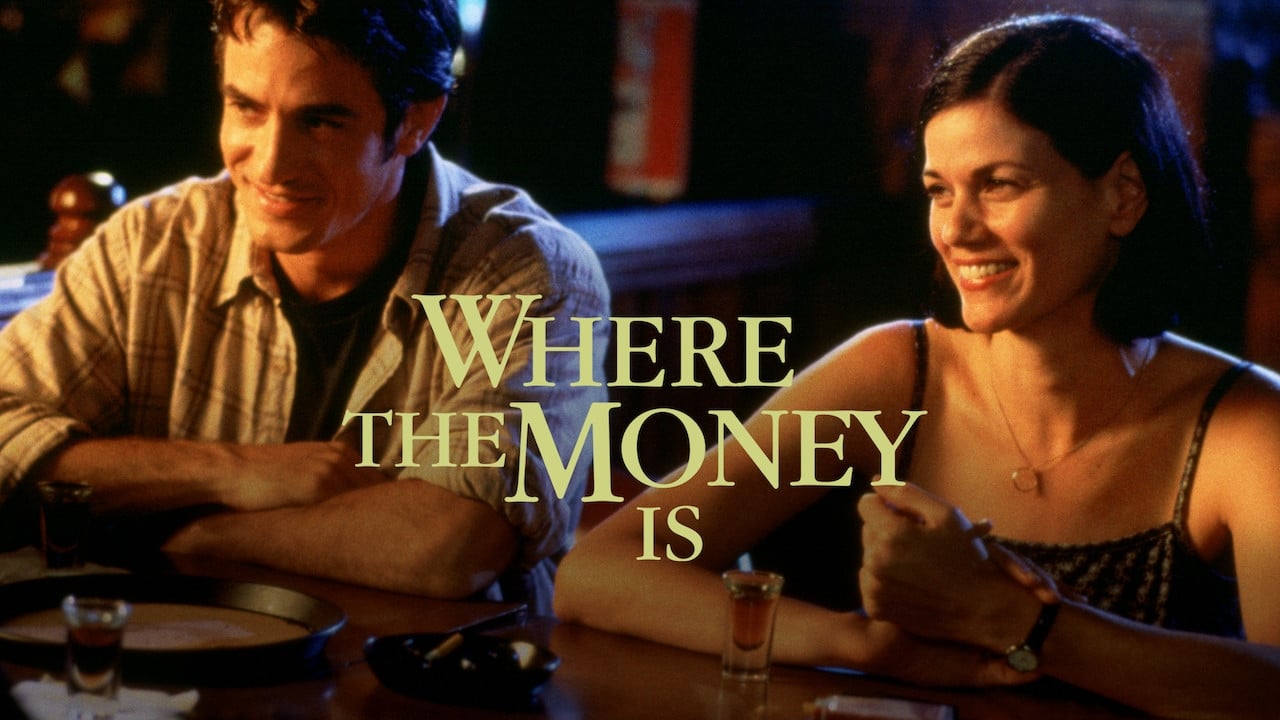
Paired opposite Newman, Linda Fiorentino is perfectly cast. Fresh off memorable turns in films like The Last Seduction (1994) and Men in Black (1997), she brings that signature blend of intelligence, cynicism, and banked intensity to Carol. She’s not just a bored housewife; she’s the catalyst, the one who sees the potential for excitement and perhaps redemption, not just for Henry, but for herself. Her chemistry with Newman isn't conventionally romantic; it's built on mutual recognition, a shared spark of rebellion against the mundane. Dermot Mulroney, often the romantic lead in the 90s, plays Wayne with an earnestness that grounds the film, serving as the slightly anxious moral compass caught between his wife's ambition and Henry's illicit expertise.
Behind the Heist: A Quieter Caper
It's interesting to note that Where the Money Is marked the return of director Marek Kanievska to feature filmmaking after a 13-year gap following the stylish but bleak Less Than Zero (1987). Kanievska, along with writers E. Max Frye (who penned the fantastic 80s screwball thriller Something Wild), Topper Lilien, and Carroll Cartwright, opts for a surprisingly low-key approach. The eventual heist itself feels almost secondary to the interplay between the characters. The focus remains squarely on Carol's reawakening and Henry's twilight dance with his old life. This might explain the film's somewhat muted reception upon release; with an estimated budget of $28 million, it only pulled in around $6 million domestically. It wasn't the explosive crime thriller some might have expected. The original working title, "Breaking Out," perhaps hinted at a more conventional jailbreak narrative, whereas the final title better reflects the film's focus on finding value and excitement, not just cash.
The film doesn't lean heavily on elaborate action sequences or complex twists. Instead, its strengths lie in the performances and the gentle exploration of its themes: escaping monotony, the allure of risk, and finding connection in unexpected places. It asks, perhaps, what truly constitutes a 'rich' life? Is it safety and predictability, or the thrill of the unknown, even late in the game?
Worth Seeking Out?
Does Where the Money Is reinvent the heist genre? No. Is it a forgotten masterpiece? Probably not. But it possesses a quiet charm and offers the undeniable pleasure of watching Paul Newman deliver a nuanced, engaging performance in one of his final leading roles. Fiorentino provides the perfect foil, injecting the film with a restless energy. It feels like a comfortable, character-driven piece that might have felt more at home in the late 80s or early 90s than in the increasingly noisy landscape of 2000s cinema. For fans who appreciate subtle character work over spectacle, and for anyone who misses the effortless cool of Newman or the distinctive presence of Fiorentino, this film is a rewarding find, a pleasant echo from the turn of the century that still resonates.
Rating: 7/10
This score reflects the film's strong central performances, particularly Newman's captivating turn, and its surprisingly gentle, character-focused approach. It's docked points for a somewhat predictable plot trajectory and a heist element that feels slightly underdeveloped compared to the character dynamics. However, its warmth and the quality of the acting make it a worthwhile watch.
It lingers not as a story of daring crime, but as a reminder that the spark for adventure, or simply for feeling truly alive, can ignite at any age, often when you least expect it.