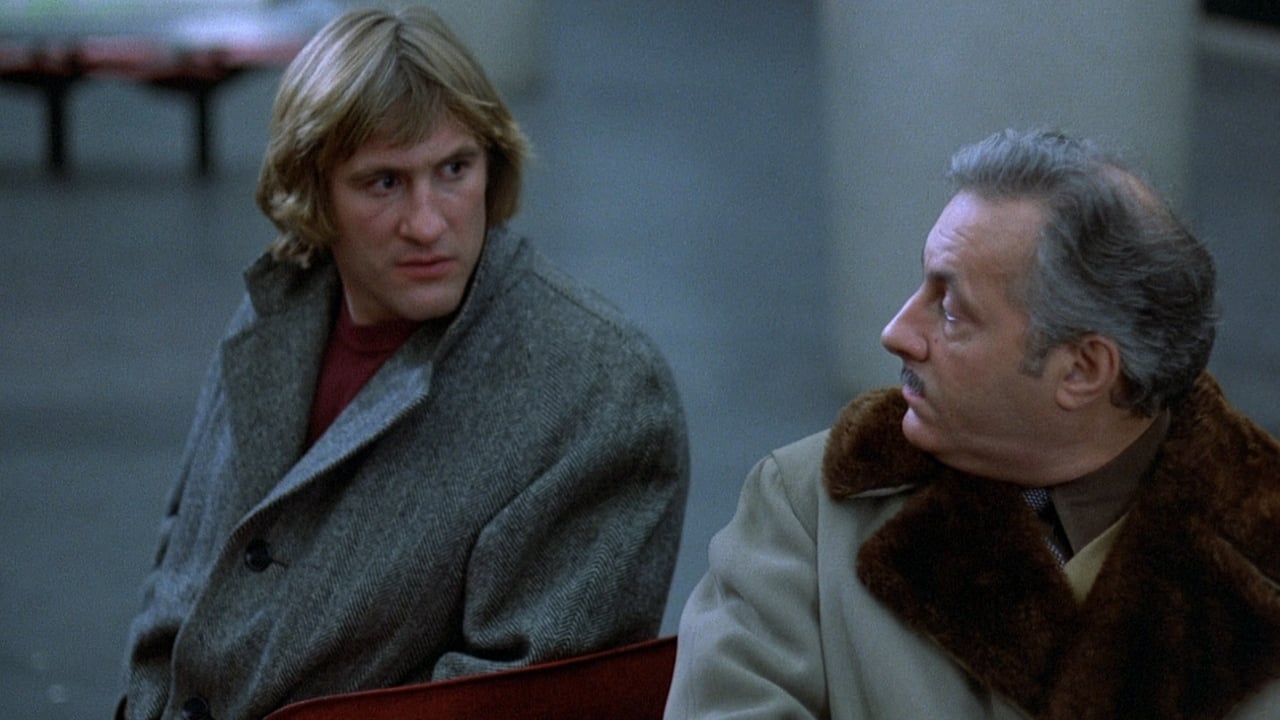
It begins with a knife, lost or perhaps discarded, in the echoing emptiness of a nearly deserted Métro station. This simple, unsettling image perfectly encapsulates the experience of watching Bertrand Blier's Buffet Froid (1979). Stepping just over the threshold from the 70s into the decade we often celebrate here, this film feels less like a party starter and more like the strange, disquieting guest who lingers long after everyone else has gone home, leaving you pondering conversations you only half understood. It's a film that defies easy categorization, existing somewhere between pitch-black comedy, surrealist nightmare, and existentialist puzzle box – the kind of unexpected find that sometimes turned up in the 'World Cinema' aisle of the video store, promising something utterly different.
An Urban Chill
Forget cozy Parisian cafes; Blier plunges us into the stark, modernist landscape of the La Défense district, all cold concrete towers and desolate plazas. This setting isn't just background; it's practically a character, mirroring the emotional vacancy and profound alienation of the inhabitants. The story, such as it is, follows Alphonse Tram (Gérard Depardieu), an unemployed man whose casual encounter with a stranger (Michel Serrault in a brief but memorable role) about a missing knife sets off a chain reaction of inexplicable deaths and bizarre alliances. He soon finds himself entangled with his morose, lonely neighbour, Police Inspector Morvandieu (Bernard Blier, the director's father), and a seemingly random murderer (Jean Carmet).
What unfolds isn't a traditional narrative but a series of absurdist vignettes linked by sudden violence, deadpan dialogue, and a pervasive sense of dread. Characters confess to murders with the nonchalance of discussing the weather, form unlikely bonds born of shared loneliness and psychopathy, and drift through the sterile environment like ghosts haunting their own lives. The film asks: in a world this indifferent and disconnected, does murder even matter? Does anything?
Masters of the Morose
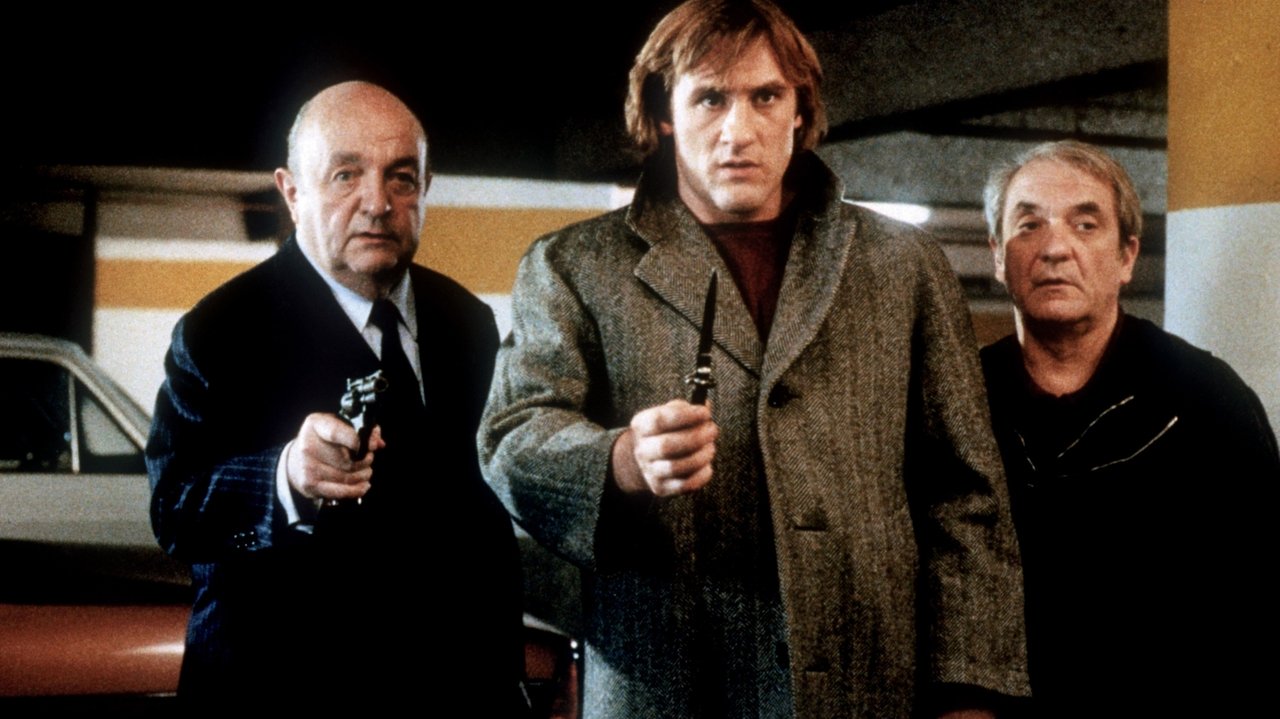
The performances are absolutely key to making Buffet Froid's peculiar world function. Gérard Depardieu, already a rising force in French cinema after films like Going Places (1974, also directed by Bertrand Blier), embodies Alphonse with a unsettling blend of passivity and potential menace. He drifts through events, seemingly unable to grasp their gravity, yet capable of sudden, chilling pronouncements. Is he an innocent bystander swept up in madness, or something far more complicit? Depardieu keeps you guessing, his sheer physical presence contrasting sharply with his character's apparent inertia.
Then there's the magnificent Bernard Blier, a veteran presence who brings a world-weary gravitas to the Inspector. His character isn't investigating crimes so much as observing the decay around him, occasionally prodded into action by boredom or a flicker of morbid curiosity. The dynamic between Depardieu and the elder Blier is fascinating – a strange, almost paternal relationship forming amidst the surrounding chaos. Adding Jean Carmet as the third member of this grim trio, a man who kills seemingly out of compulsion and loneliness, completes the picture of profound societal breakdown. Carmet plays him not as a monster, but as a pitiable, lost soul, making his actions somehow even more disturbing. The trio's interactions are studies in deadpan delivery, finding bleak humour in the utter collapse of social norms.
Behind the Bleakness
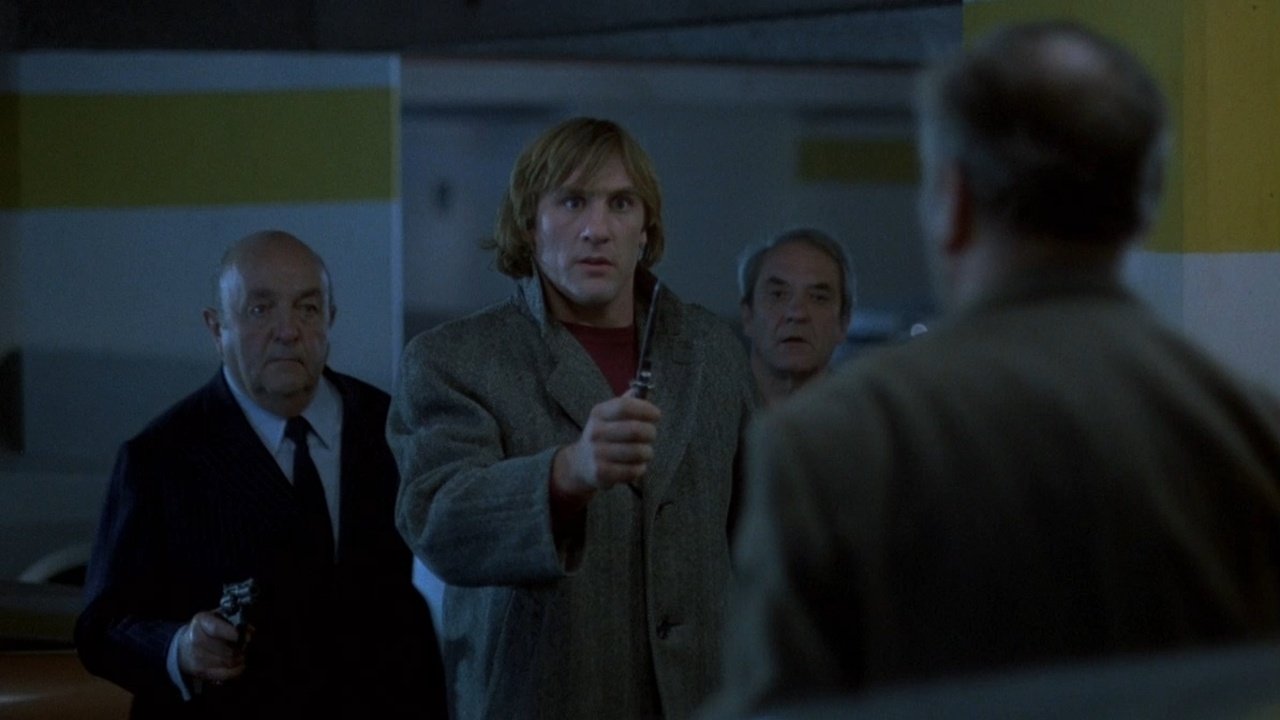
Bertrand Blier wasn't exactly known for sunshine and rainbows. His films often explored themes of masculinity, dissatisfaction, and societal alienation with a signature cynical wit. Buffet Froid, which won the César Award for Best Screenplay, is perhaps his most distilled expression of this worldview. The sterile, almost futuristic architecture of La Défense, meticulously captured by cinematographer Jean Penzer, wasn't just an aesthetic choice; it was central to the film's thesis about modern dehumanization. Filming in these then-newly constructed, often empty spaces perfectly amplified the characters' isolation.
Interestingly, while critically acclaimed in France and nominated for the Palme d'Or at Cannes, the film's sheer strangeness and bleak outlook made it a challenging watch for some. It didn’t offer easy answers or comforting resolutions. Finding this on VHS back in the day, nestled perhaps between more conventional thrillers or comedies, must have been a jarring experience for the unprepared viewer – a cinematic cold shower that lingered far longer than the runtime. It’s a testament to Blier’s uncompromising vision that the film remains just as potent and unsettling today. It doesn't feel dated; its anxieties about urban isolation and random violence feel, if anything, disturbingly prescient.
The Lingering Chill
Buffet Froid isn't a comfortable film. It offers no heroes, no clear motivations beyond a pervasive existential ennui, and certainly no warmth. Yet, its power lies in its commitment to its singular, chilling vision. It's a masterpiece of atmosphere, using its stark visuals, elliptical narrative, and brilliant central performances to create a world that feels both nightmarishly unreal and disturbingly familiar. It forces you to confront uncomfortable questions about connection, responsibility, and the thin veneer of civilization. What happens when the unspoken rules that hold society together simply dissolve?
This isn't the tape you'd pop in for a casual Friday night movie marathon. It's the one you watch alone, perhaps late at night, letting its cold beauty and unsettling implications seep under your skin. It’s a film that doesn’t just entertain; it haunts.
Rating: 8.5/10
Justification: Buffet Froid earns this high score for its unique, uncompromising artistic vision, its masterful creation of atmosphere, the pitch-perfect performances from its central trio (Depardieu, Blier, Carmet), and its chillingly relevant exploration of modern alienation. While its deliberate coldness and narrative ambiguity might not appeal to all tastes, its power as a piece of unsettling, thought-provoking cinema is undeniable. It's a standout example of French filmmaking daring to explore the darker, stranger corners of the human condition.
Final Thought: Decades after its release, the icy chill of Buffet Froid hasn't thawed; it remains a potent reminder of the strangeness lurking just beneath the surface of modern life, a question mark hanging in the cold city air.