Okay, let's dim the lights, imagine the whir of the VCR engaging, and settle in. Tonight, we're taking a trip back to mid-90s Italy, a time and place captured with raw, youthful energy in Enza Negroni's 1996 film, Jack Frusciante è uscito dal gruppo (literally, Jack Frusciante Has Left the Band). For many Italian viewers of a certain age, just hearing that title unlocks a flood of memories, not just of the film, but of the cultural phenomenon that preceded it. It’s a film vibrating with the intensity of first love, teenage rebellion, and the aching desire to find your own frequency amidst the static of conformity.

Echoes of a Literary Earthquake
You can't really talk about this film without first mentioning the book. Enrico Brizzi's novel, published in 1994 when he was barely out of his teens himself, wasn't just a bestseller in Italy; it was practically a generational manifesto. It sold over a million copies, passed hand-to-hand among high schoolers, its dog-eared pages whispering tales of Alex D., his punk rock ethos, and his consuming love for Aidi. Capturing that lightning in a bottle on film was always going to be a monumental task. Enza Negroni, making her feature directorial debut, stepped up to the challenge, co-writing the screenplay with Brizzi himself and Beatrice Ravaglioli. The result is a film that, while perhaps inevitably less revolutionary than its source, still pulses with a sincerity and passion that feels distinctly of its time. It perfectly captures that feeling when one person, one song, or one choice feels like the axis upon which your entire world spins.
Bologna Burning: Young Love and Raw Nerves
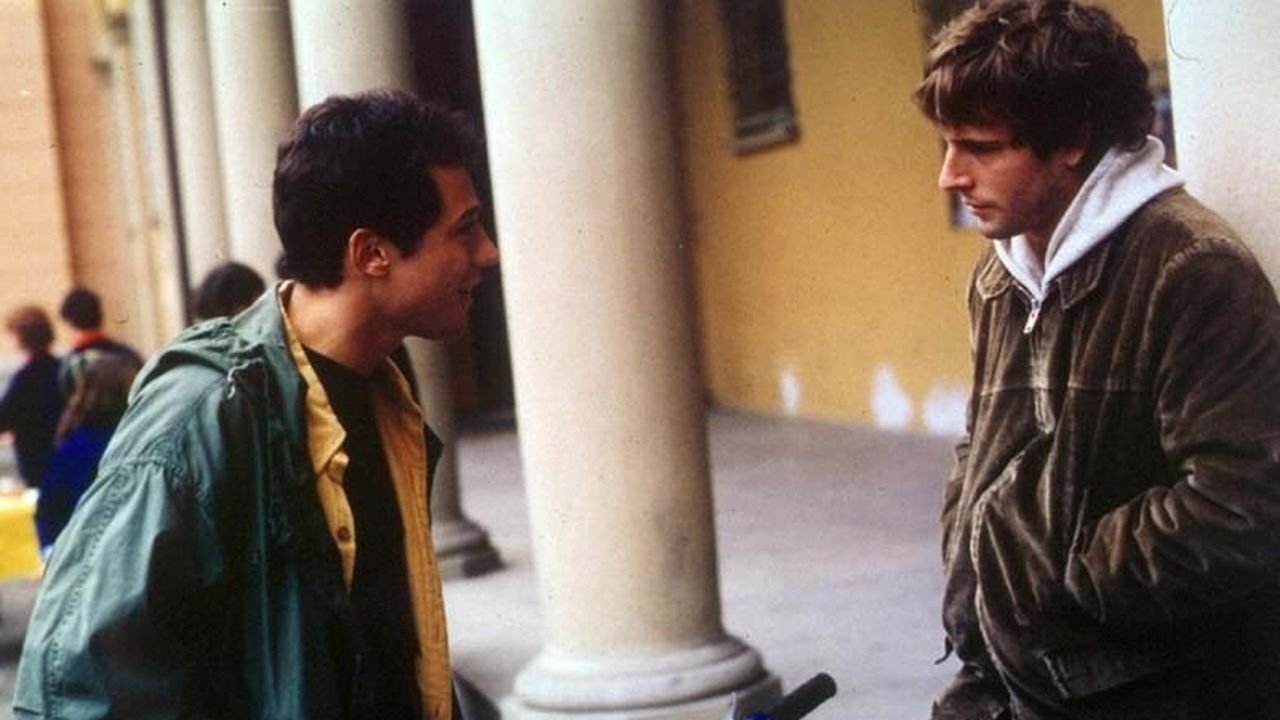
At the heart of the film are Alex (a breakout role for Stefano Accorsi) and Aidi (Violante Placido, daughter of the renowned actor/director Michele Placido). Watching them navigate the treacherous, exhilarating landscape of first love against the backdrop of Bologna – a city rendered here not just as a location but as a living, breathing entity – is where the film truly finds its footing. Accorsi, all restless energy and simmering discontent, embodies the kind of intelligent, slightly alienated teenager who finds solace in music and meaning in rejecting the mainstream. His Alex isn't just moody; there's a vulnerability beneath the punk posturing that feels authentic. You believe his turmoil, his moments of defiant joy, and his crushing disappointments.
Placido, as Aidi, is more than just the object of affection. She brings a quiet intensity to the role, portraying a young woman grappling with her own expectations and desires. Their chemistry isn't the stuff of polished Hollywood romance; it's messy, urgent, and deeply felt. Think back to your own teenage years – wasn't there a connection that felt this important, this all-consuming? Negroni directs these scenes with an intimacy that lets the awkwardness, the tentative touches, and the sudden bursts of passion feel incredibly real. It's in these moments, often dialogue-light but emotionally charged, that the film resonates most powerfully.
Leaving the Band: More Than Just a Title
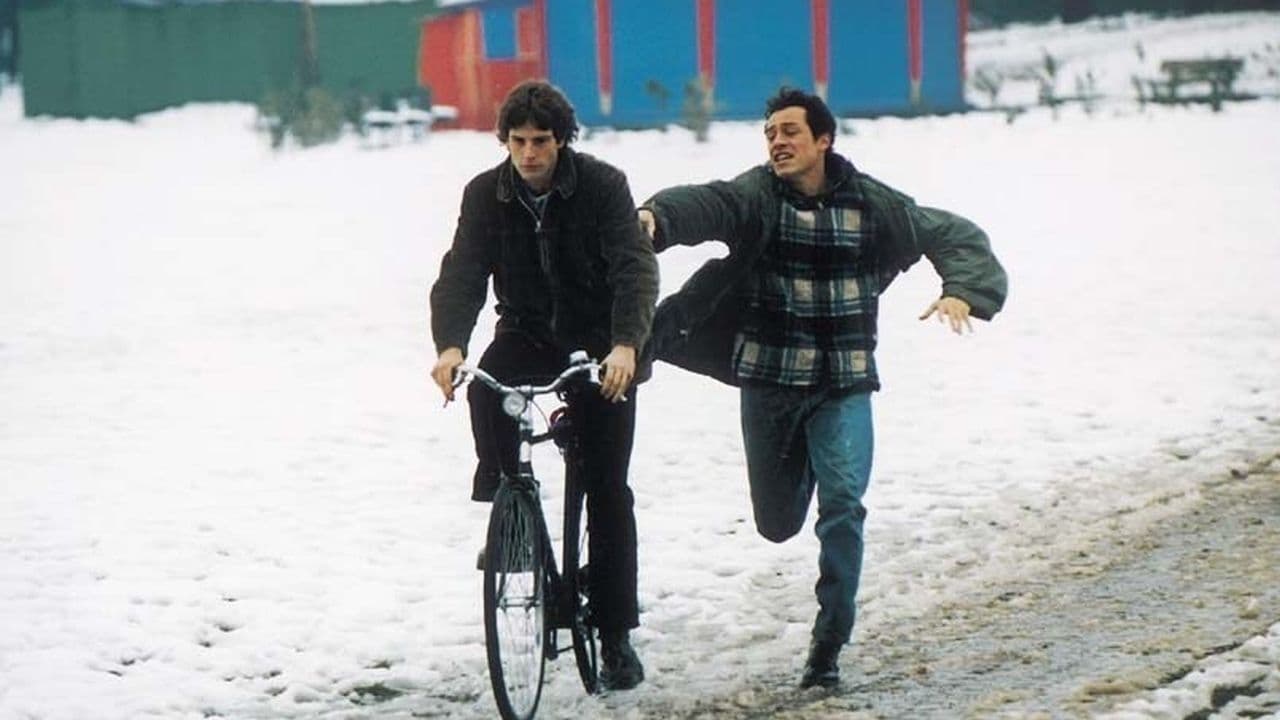
The title itself, a reference to guitarist John Frusciante's then-recent departure from the Red Hot Chili Peppers, serves as a potent metaphor. It speaks to Alex's own struggle – the desire to break away from the 'group,' whether that means his family's expectations, the social cliques at school, or the broader path of conventional adulthood he sees stretching before him. It’s about the courage, or perhaps the necessity, of choosing a different path, even if it means going it alone. This theme, universal yet acutely felt during adolescence, is woven throughout the narrative. Does choosing individuality inevitably lead to isolation? Or is it the only way to truly live? The film doesn't offer easy answers, preferring instead to sit with the discomfort and uncertainty of Alex's choices.
From Page to Screen: Capturing the Vibe
Adapting such a beloved, almost sacred, text presented unique challenges. While the film streamlines some of the novel's complexities, it crucially retains its atmosphere. The slightly gritty cinematography, the emphasis on Bologna's specific architecture (porticoes and all), and, of course, the soundtrack brimming with the alternative and punk sounds that fuel Alex's spirit – it all works to immerse you in his world. Reportedly, Brizzi's involvement helped ensure the film stayed true to the novel's core spirit, even as changes were made for the screen. It’s less a literal translation and more an interpretation, capturing the feeling, if not every single plot point, of the book that defined a moment for so many young Italians. It became a significant hit in its home country, propelled by the book's fame and Accorsi's star-making turn.
VHS Memories and Lasting Resonance
Seeing this film pop up in the rental store back in the day, especially if you were aware of the book's reputation, felt like discovering a hidden piece of European youth culture. It wasn’t trying to be slick or universally palatable; it was unapologetically itself, steeped in its specific Italian context yet tapping into universal teenage anxieties. Does it hold up perfectly? Perhaps some of the earnestness feels very mid-90s, but the core emotional truth – the intensity of young love, the pain of disillusionment, the search for identity – remains potent. The performances, particularly from Accorsi, feel remarkably fresh even now. He would, of course, go on to become one of Italy's most prominent actors, starring in films like The Last Kiss (2001) and Italian Race (2016), but here you see the raw talent just beginning to ignite.
---
Rating: 7.5/10
This score reflects the film's powerful, authentic performances and its success in capturing a specific, emotionally charged time and place. It successfully translates the spirit, if not the full depth, of its source material, making it a significant Italian cult classic of the 90s. While perhaps less impactful for those unfamiliar with the original novel's phenomenon, its core themes and the raw energy of its central relationship still resonate. It earns its points for sincerity, atmosphere, and launching a major talent in Stefano Accorsi.
Final Thought: Jack Frusciante è uscito dal gruppo remains a poignant time capsule – a reminder that sometimes, the most rebellious act is simply choosing your own soundtrack, even if it means leaving the perceived safety of the band behind. It asks us, gently, if we ever truly stop searching for our own frequency.