Okay, let's dim the lights, maybe ignore the dust bunnies gathering around the old CRT for a moment, and settle in. Tonight, we're cracking open a tape that wasn't exactly nestled between the action blockbusters or family comedies at the local video store. No, this one often sat on the indie shelf, radiating a peculiar, almost dangerous energy. I'm talking about Mark Waters' unsettling 1997 debut, The House of Yes.
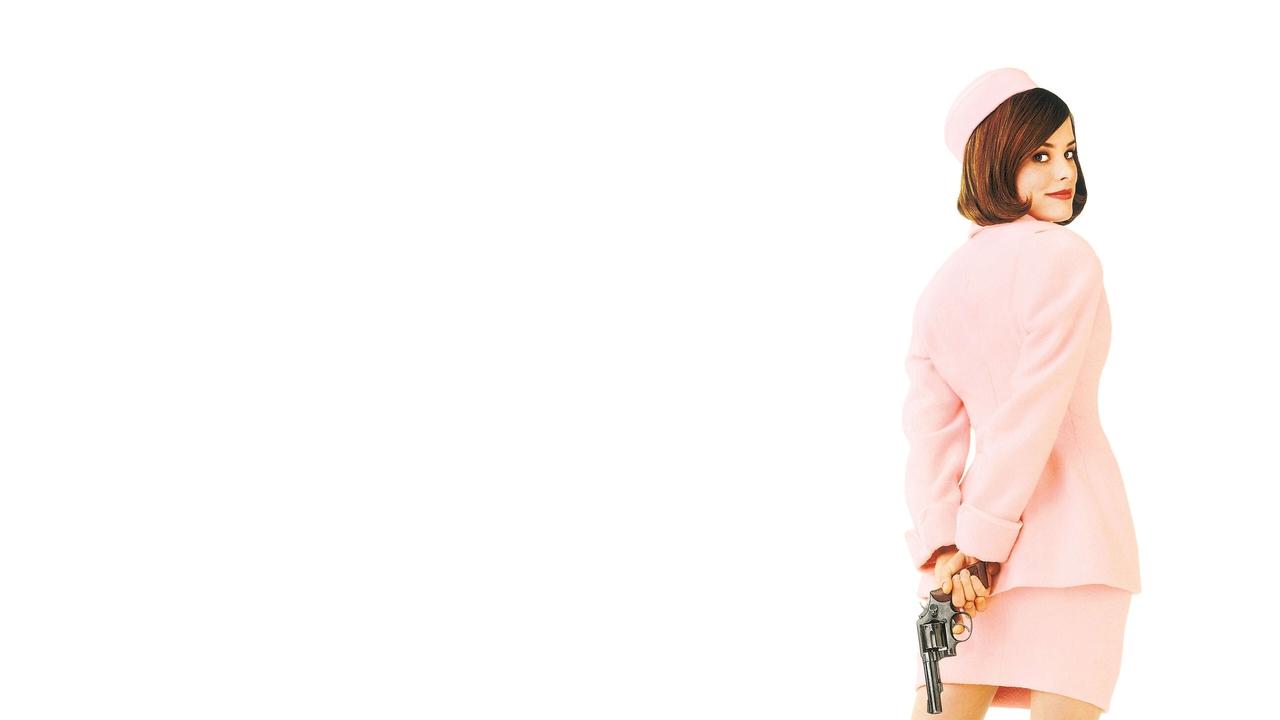
Remember finding those films that felt... different? The ones that didn't offer easy answers or comfortable viewing, but lodged themselves in your brain anyway? The House of Yes is absolutely one of those. It throws open the doors to the Pascal family home during a turbulent Thanksgiving storm, and what we find inside is far more tempestuous than the weather outside. The air crackles not just with familial tension, but with a kind of hyper-stylized, hothouse insanity.
Welcome Home, Stranger
The setup is deceptively simple: Marty Pascal (Josh Hamilton) brings his unassuming fiancée, Lesly (Tori Spelling), home to meet the family for the first time. "Family," however, barely scratches the surface of the gothic tangle awaiting them. There’s the quietly manipulative mother, Mrs. Pascal (Geneviève Bujold), the naive younger brother Anthony (Freddie Prinze Jr., in an early role quite different from his later teen heartthrob image), and, dominating the centre like a black hole, Marty's twin sister, Jacqueline. Or, as she prefers, Jackie-O.

And what a Jackie-O she is. Played by the reigning queen of 90s indie cinema, Parker Posey, in a performance that still feels astonishingly raw and dangerously magnetic, Jackie is obsessed. Not just with the former First Lady, but specifically with the assassination of JFK, an event inextricably linked in her mind with her father's abandonment years prior on that very day. This obsession manifests in disturbing, ritualistic ways, particularly involving her twin brother, Marty. Lesly's arrival isn't just an introduction; it's a grenade thrown into a meticulously constructed, deeply unhealthy dynamic.
Posey's Reign of Unnerving Charm
Let's be clear: Parker Posey is the film. It's a performance of such committed, unhinged intensity that it borders on camp yet somehow remains terrifyingly grounded in its own warped reality. She embodies Jackie's delusion with a brittle elegance, switching from childlike vulnerability to venomous manipulation in the blink of an eye. Her fixation on the Kennedys, particularly her insistence on wearing that pink Chanel suit (a specific replica, naturally) and reenacting the Dallas motorcade, is played not for laughs, but for profound unease. It's a testament to Posey's skill that we can find Jackie strangely charismatic even as we're repulsed by her actions and the disturbing intimacy she demands from Marty. It’s no surprise Posey received Special Jury Recognition at the Sundance Film Festival for this role; it’s the kind of lightning-in-a-bottle performance that defined an era of independent film.
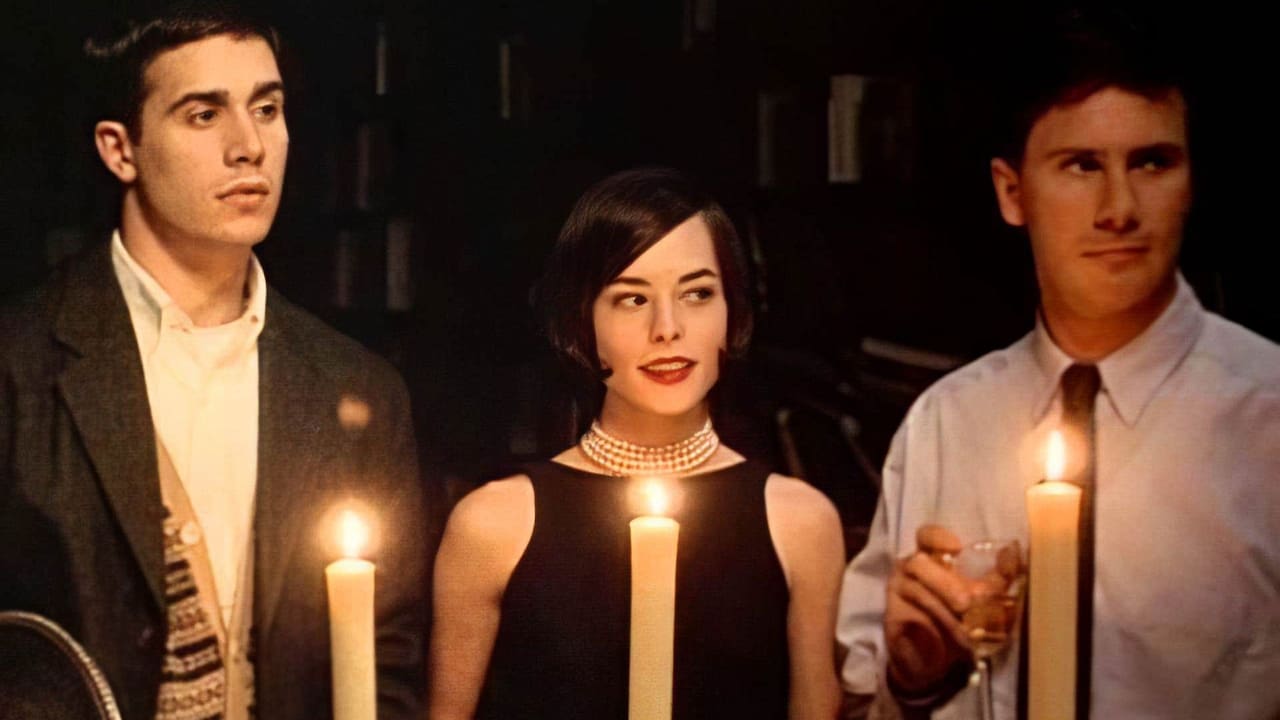
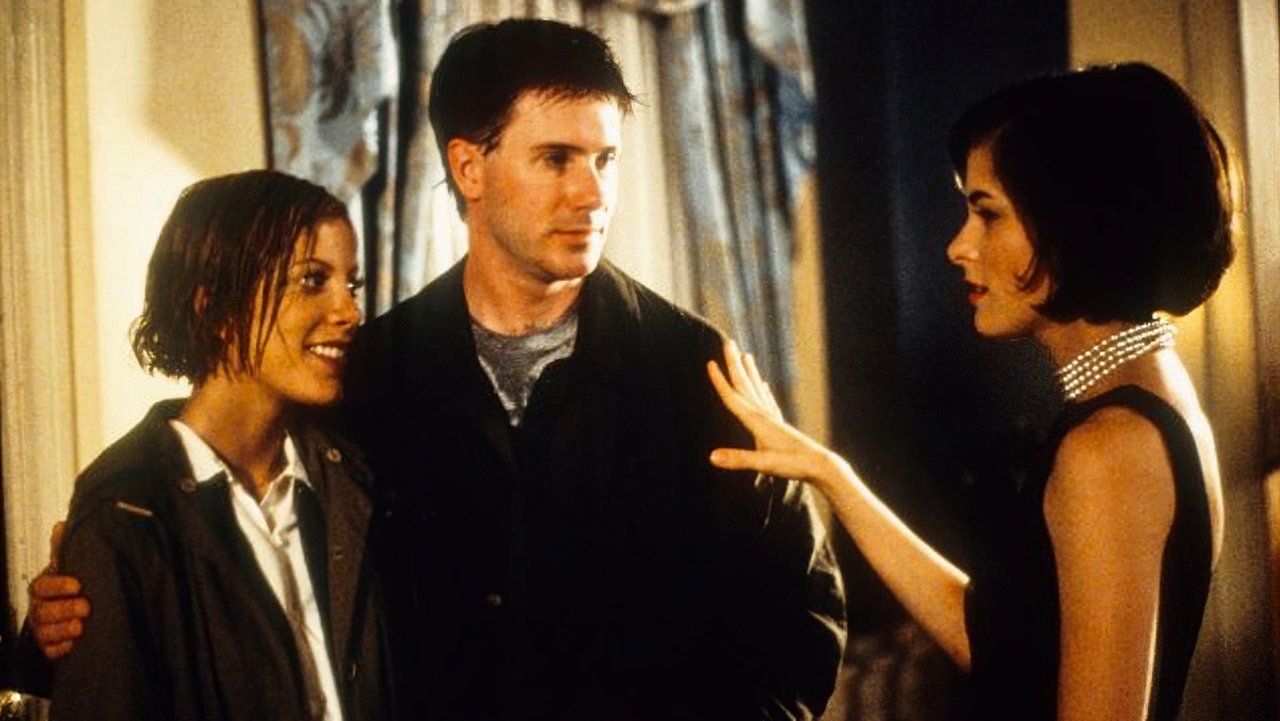
Interestingly, the film itself was adapted by Mark Waters from the play by Wendy MacLeod. You can feel its stage origins – the single location (mostly), the dialogue-heavy scenes, the pressure-cooker atmosphere building within the confines of the gothic Pascal mansion. Waters, who would later direct much lighter fare like Freaky Friday (2003) and the iconic Mean Girls (2004), shows a surprisingly deft hand here with darker material in his feature directorial debut. He leans into the theatricality, using stylized lighting and framing that enhance the feeling of characters trapped not just by the storm, but by their own history and pathologies. The house itself becomes a character, its opulent decay mirroring the family's psychological state.
Orbiting the Danger Zone
The supporting cast does admirable work navigating the whirlpool created by Posey's Jackie. Josh Hamilton portrays Marty's conflicted nature effectively – the desire for a normal life warring with the gravitational pull of his twin's need. Geneviève Bujold brings a chillingly detached quality to Mrs. Pascal, suggesting layers of denial and complicity. And then there's Tori Spelling. It was somewhat surprising casting at the time, given her Beverly Hills, 90210 fame. Reportedly, Spelling actively pursued the role of Lesly, the 'normal' outsider dropped into this nest of vipers. She actually holds her own remarkably well, providing the audience's anchor to reality. Her wide-eyed reactions and growing horror feel genuine, making her the perfect foil to the Pascals' hermetically sealed world. Freddie Prinze Jr. is also quite good as the younger brother, perhaps not fully cognizant of the depths of dysfunction surrounding him, but certainly aware something is deeply wrong.
This wasn't a big-budget affair – reportedly made for around $1.5 million – and it relies entirely on performance and atmosphere rather than spectacle. There’s a deliberate artificiality to some of the dialogue, reflecting the performative nature of the family's interactions, their lives a kind of ongoing, disturbing play.
The Lingering Chill
The House of Yes isn't a comfortable watch. It delves into taboo subjects – incestuous desire, severe mental illness, the suffocating weight of the past – with a dark, almost brittle wit. The humor, when it lands, is sharp and unsettling, derived from the sheer absurdity of the characters' self-absorption against the backdrop of genuine psychological horror. It’s the kind of film that might have prompted some intense post-rental discussions back in the day. What drives Jackie's obsession? How complicit is Marty? Is there any escape from the cycles of family trauma?
It’s a potent reminder of the kind of challenging, actor-driven independent films that thrived in the 90s, films that weren't afraid to make you squirm. It sits strangely in Mark Waters' filmography, a dark, thorny outlier before his shift to more mainstream comedy, but perhaps that unique sensibility is exactly what allowed him to later dissect the equally complex, albeit funnier, social hierarchies of Mean Girls.
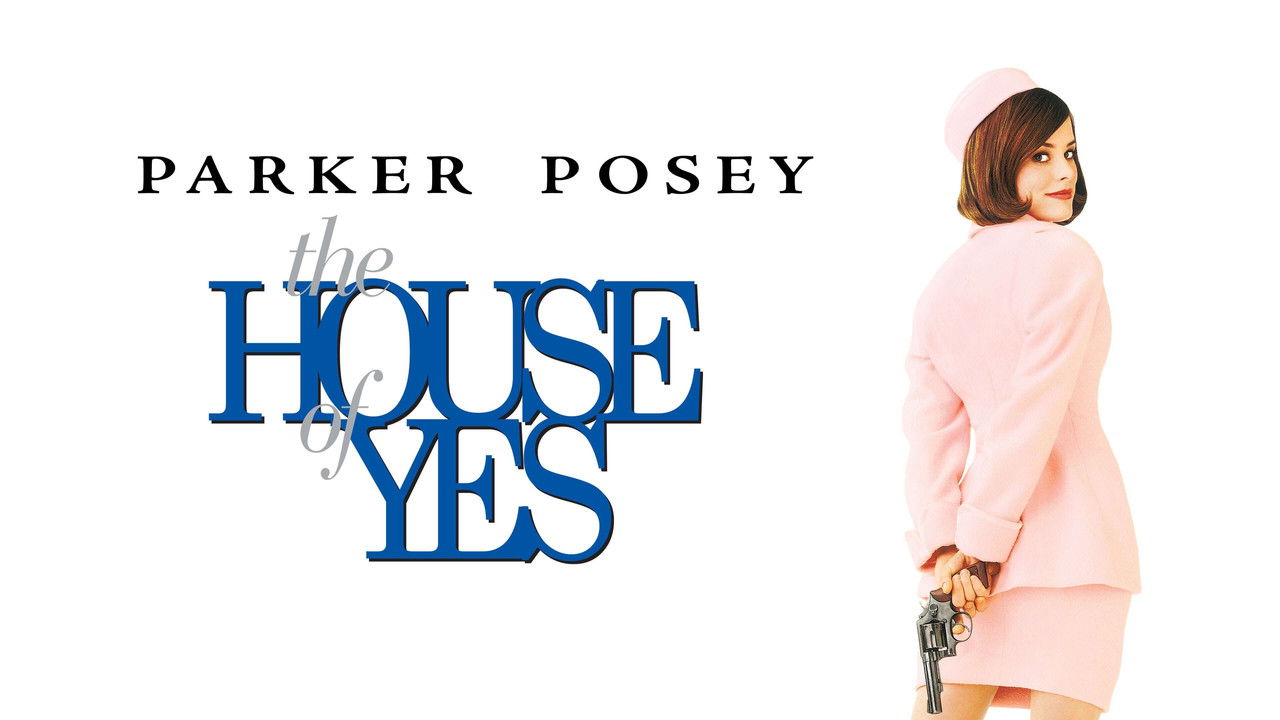
Rating: 8/10
Justification: The House of Yes earns a strong 8 for its sheer audacity, its commitment to its dark vision, and Parker Posey's truly iconic, fearless performance. The claustrophobic atmosphere, sharp writing (adapted from the play), and effective direction overcome its stagey limitations. It loses a couple of points perhaps because its intense, stylized nature and deeply uncomfortable themes make it a challenging, rather than universally enjoyable, experience. It’s niche, but brilliantly executed within that niche.
Final Thought: This is one houseguest that overstays its welcome in your mind long after the tape ejects, leaving behind a residue of dark glamour and profound unease. A quintessential slice of 90s indie weirdness, and all the more memorable for it.