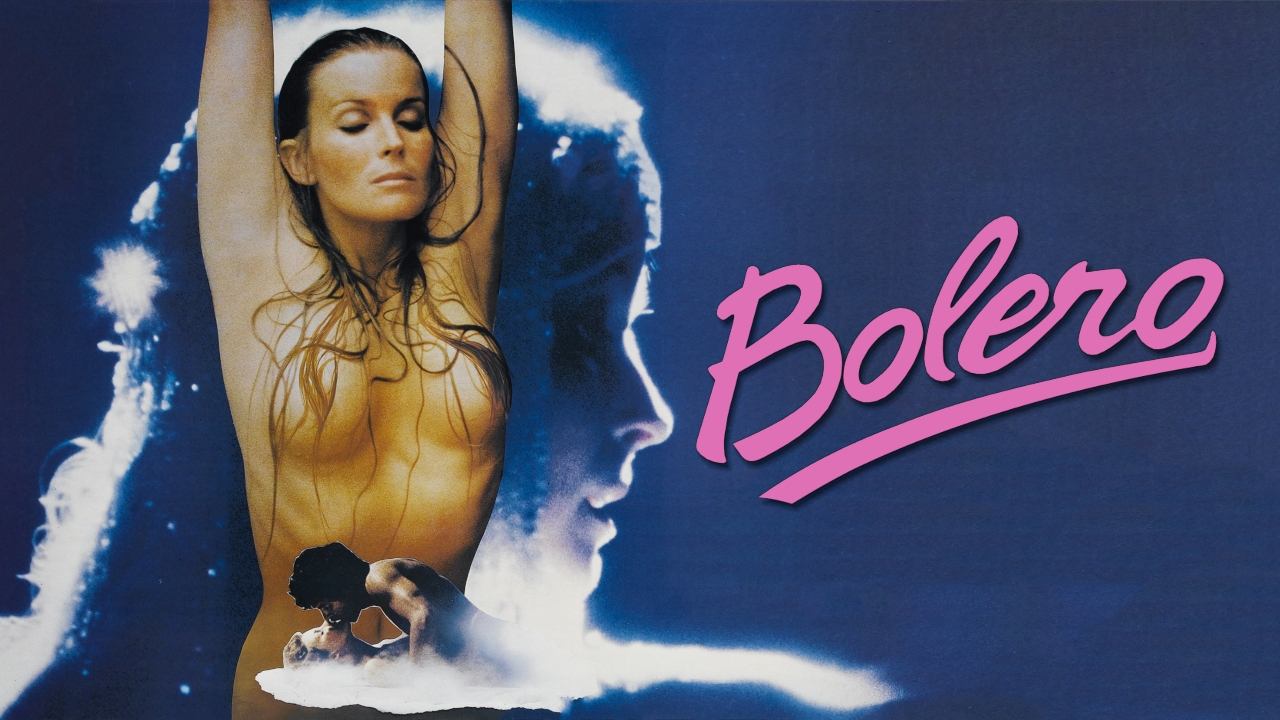
Alright, fellow tape travelers, let's rewind to a time when certain VHS boxes practically pulsed with forbidden energy on the rental store shelves. You know the ones – maybe nestled between the action flicks and the big comedies, sporting suggestive cover art and perhaps even a bold "UNRATED" sticker that promised… well, something. Today, we're cracking open the clamshell case on one of the most notorious examples: 1984's Bolero.

This wasn't just any movie; it felt like an event, whispered about more than genuinely recommended. Fresh off her iconic turn in 10 (1979), Bo Derek was a global phenomenon, and Bolero was conceived by her husband, director/writer/cinematographer John Derek, as the ultimate vehicle to showcase her… assets. Forget subtlety; this film wears its intentions on its barely-there sleeve. It's less a coherent narrative and more a series of lavishly filmed excuses for Bo to look stunning, often partially clothed, against exotic backdrops.
A Very Specific Kind of Quest
The premise, set in the Roaring Twenties, is almost charming in its single-minded absurdity. Ayre "Mac" MacGillvary (Bo Derek) graduates from a fancy British finishing school, inherits a fortune, and promptly sets off on a global quest to find the perfect man to relieve her of her virginity. Yes, that's the plot. Her companions on this peculiar mission include her loyal chauffeur Cotton (George Kennedy, bless his Oscar-winning heart, seemingly enjoying a paid vacation) and her best friend Catalina (Ana Obregón).
Their journey takes them from Morocco to Spain, encountering potential suitors including an Arab sheikh (played with gusto by Greg Bensen) and, crucially, the dashing bullfighter Angel (Andrea Occhipinti). It’s Angel who becomes the primary focus of Mac's… affections. The sheer, unadulterated focus on this quest, presented with utter seriousness, is part of what makes Bolero such a fascinating time capsule. Remember trying to explain this plot to friends back in the day? It sounded kind of wild, right?
The Derek Touch: Lavish Looks, Eyebrow-Raising Choices
You have to hand it to John Derek – the man knew how to photograph his wife. Having started as an actor and then transitioning behind the camera (he also directed Bo in Tarzan, the Ape Man three years earlier), he lenses Bolero like a sprawling, slightly soft-focus perfume commercial. The locations in Spain and Morocco look genuinely beautiful, capturing a sun-drenched, old-world glamour. The costumes are elaborate, the sets are opulent – no expense seems spared in creating a visual playground for Bo. Reportedly costing around $7 million (a decent chunk for '84, maybe around $20 million today), you can see where the money went on screen, even if it wasn't spent on script polish.


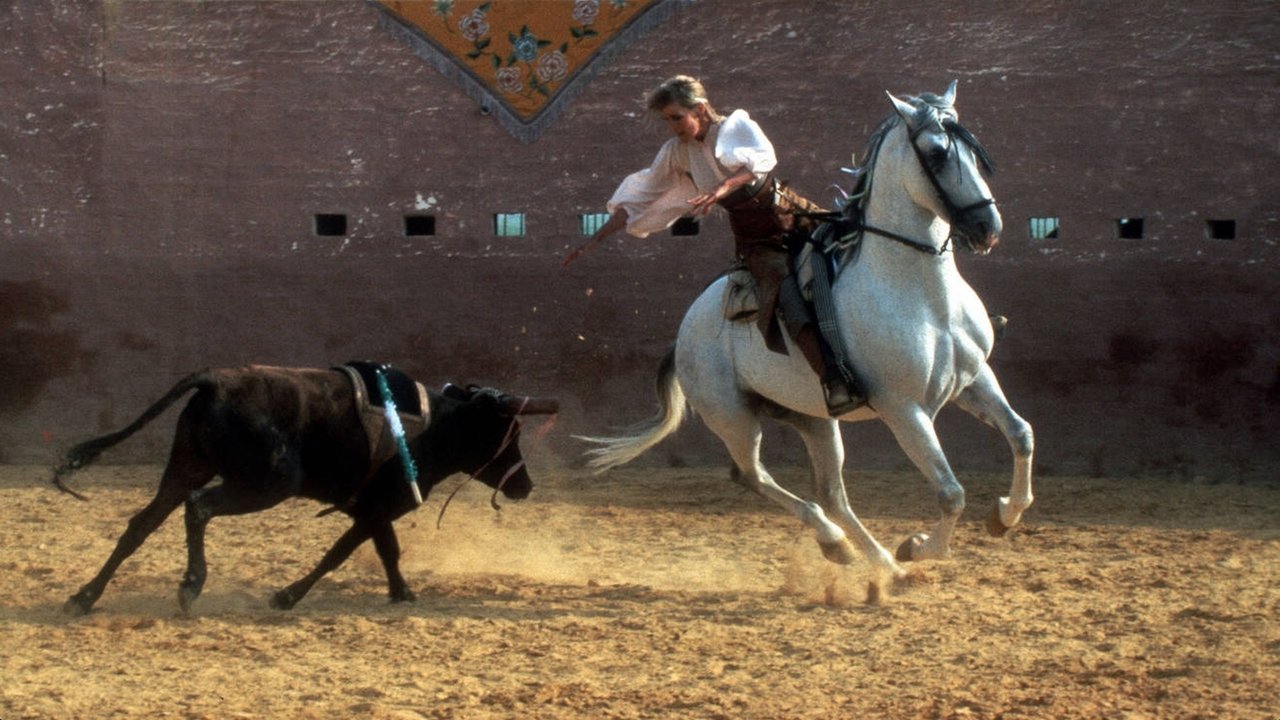
But oh, the choices! The infamous bullfighting scenes, featuring Angel and later Mac herself, are central to the film's romantic climax. While aiming for passion and danger, they often land somewhere between perplexing and unintentionally hilarious today. The "eroticism" often feels more awkward than alluring, staged with a kind of naive sincerity that’s almost endearing in its lack of self-awareness. It's this strange mix of high production value and baffling content that cemented Bolero's cult status.
Rated X for... Expectations?
Bolero famously courted controversy for its nudity and sexual content. It initially received an X rating from the MPAA, a kiss of death for mainstream distribution back then. John Derek, ever the maverick (or perhaps just stubborn), refused cuts and eventually released it through Cannon Films either unrated or with a self-imposed "Mature Audiences Only" tag in different markets. This rating drama undoubtedly fueled the film's notoriety – was it really that scandalous? Watching it now, it feels more quaintly explicit than genuinely shocking by modern standards, but for 1984, it pushed buttons and certainly got people talking, even if critics were absolutely scathing. Let's not forget, this film swept the Razzies that year, taking home Worst Picture, Worst Actress, Worst Director, Worst Screenplay, and Worst Musical Score. Ouch.
So, Why Remember Bolero?
Despite the critical drubbing and the eye-rolling plot, there's a certain weird magic to Bolero on VHS. It represents a particular brand of ambitious, slightly clueless, star-driven filmmaking that feels distinctly of its era. Bo Derek undeniably possesses screen presence, even if the script gives her little to work with beyond looking ethereal or concerned. And George Kennedy? He brings a strange gravitas to his role, seemingly aware of the absurdity but gamely playing along. You just had to see what all the fuss was about, even if you rented it slightly sheepishly. I vividly remember the distinctive Cannon Films logo preceding the film, always a sign you were in for something interesting, if not always conventionally "good".
Rating: 3/10
Let’s be honest, folks. As a piece of dramatic storytelling, Bolero is a beautiful disaster. The dialogue is often laughable, the plot is thinner than Mac's lingerie, and the attempts at eroticism frequently misfire. The 3 points are awarded purely for the sheer audacity of its existence, the undeniable visual polish John Derek brought (even in service of questionable taste), George Kennedy's inexplicable presence, and its undeniable status as a VHS-era curiosity. It’s earned its place in the annals of "so bad it's fascinating" cinema.
Final Take: Bolero is the cinematic equivalent of finding a rhinestone-encrusted rotary phone at a garage sale – utterly impractical, bafflingly designed, yet possessing a strange, undeniable, and uniquely '80s kind of charm you just don't see anymore. Worth watching? Maybe once, with friends and perhaps a stiff drink, purely as an artifact of a bygone era of star power and glorious miscalculation.