Okay, settle in and let's rewind the tape back to 1984. Amidst the neon glow and synthesized soundtracks that often defined the decade's cinema, there arrived a film quite unlike its contemporaries. Falling in Love doesn't shout; it barely raises its voice above a conversational murmur. It’s a film built not on grand gestures, but on hesitant glances across crowded train platforms and the quiet weight of unspoken feelings. Do you remember stumbling upon this one at the video store, perhaps nestled between louder, more bombastic choices? It felt different even then, didn't it?
A Chance Encounter, A Familiar Echo
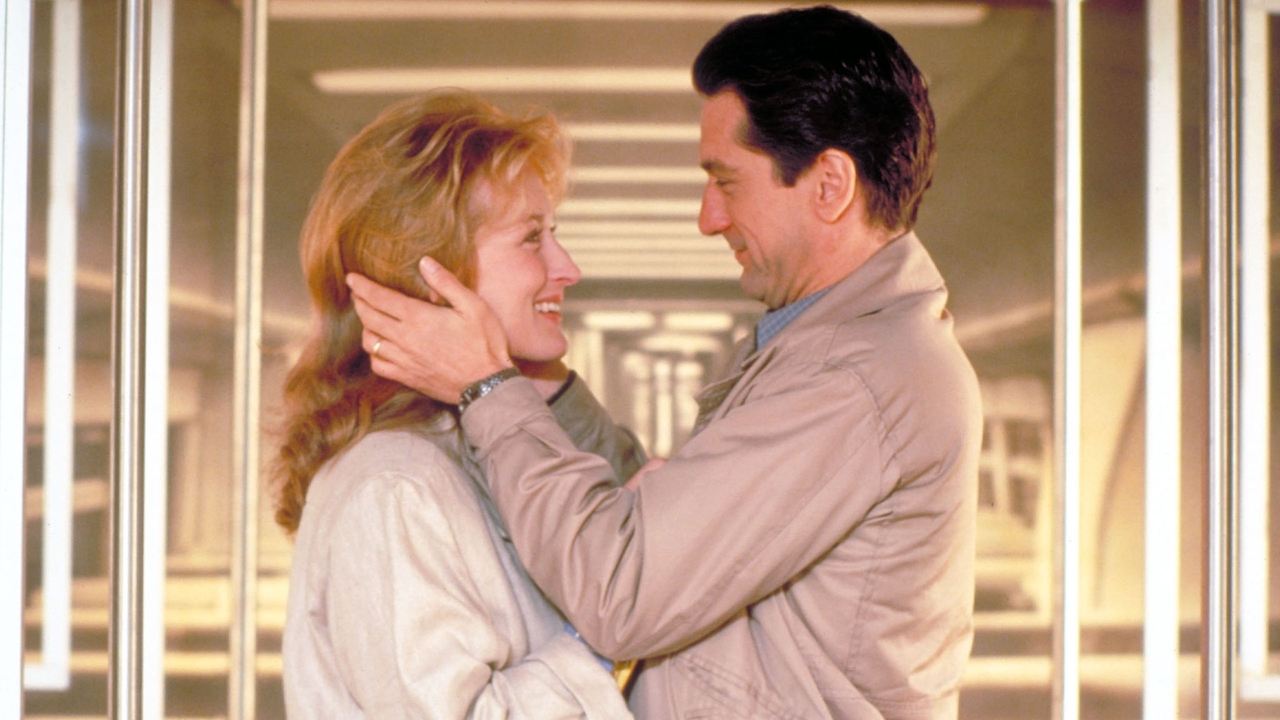
The premise is deceptively simple, echoing classic cinema rather than 80s trends. Frank Raftis (Robert De Niro), an architect, and Molly Gilmore (Meryl Streep), a graphic artist, literally collide while Christmas shopping at Rizzoli bookstore in Manhattan. In the ensuing chaos, they accidentally swap wrapped books meant for their respective spouses. This chance meeting sparks further encounters on their shared commuter train journey between the city and the suburbs. Both are married – Frank to Ann (Jane Kaczmarek) and Molly to Brian (David Clennon) – and seemingly settled, yet an undeniable connection begins to bloom in the stolen moments of their daily commute.
It’s impossible to discuss Falling in Love without acknowledging its clear inspiration: David Lean's 1945 masterpiece Brief Encounter. Writer Michael Cristofer (who penned the Pulitzer-winning play The Shadow Box) and director Ulu Grosbard (known for gritty character studies like Straight Time) lean into this homage. Like its predecessor, the film explores the profound emotional disruption caused by an unexpected, inconvenient love, focusing on ordinary people caught in an extraordinary emotional tangle. But where Brief Encounter feels steeped in post-war British reserve, Falling in Love captures a particular kind of late-20th-century suburban listlessness, the quiet hum of dissatisfaction beneath comfortable lives.
The Powerhouse Pairing, Subdued
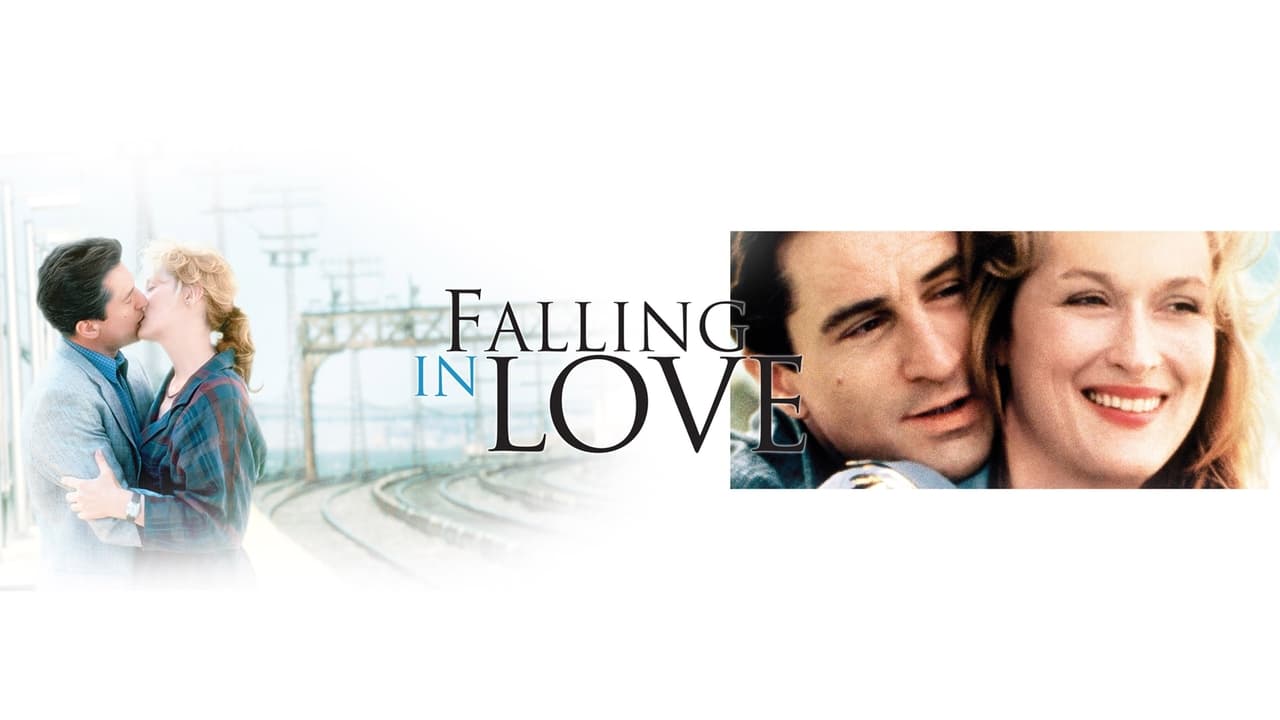
The absolute core of this film, the reason it lingers despite its deliberate pacing, is the pairing of Robert De Niro and Meryl Streep. Fresh off their intense shared screen time in The Deer Hunter (1978), seeing them reunited here, in such a different context, was a significant event for movie lovers back in '84. And they deliver, not with fiery explosions, but with masterful subtlety.
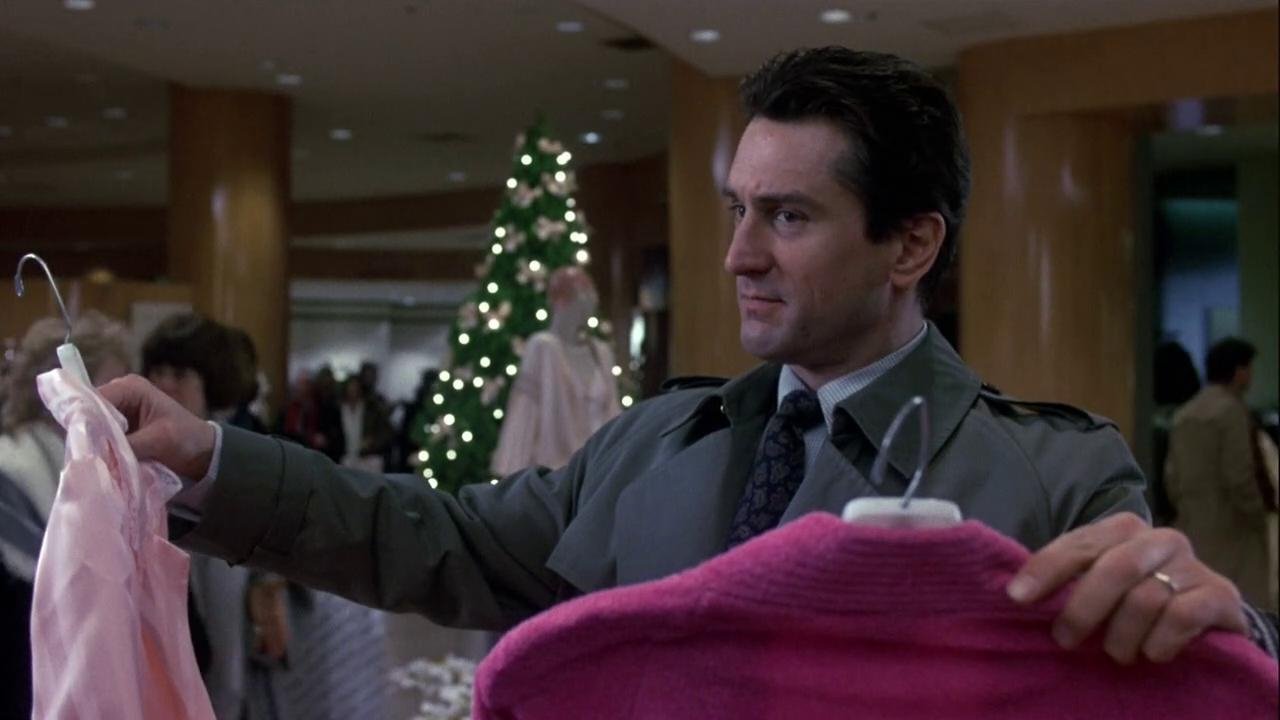
De Niro, stepping away from the volatile characters that were becoming his trademark, embodies Frank's decency and growing inner turmoil with a quiet intensity. His Frank isn't a predator or a cad; he's a man blindsided by a feeling he can't ignore, his confusion and longing etched onto his face in moments of silent reflection. Reportedly, De Niro shadowed architects to capture the nuances of Frank's professional life, adding another layer to his grounded performance.
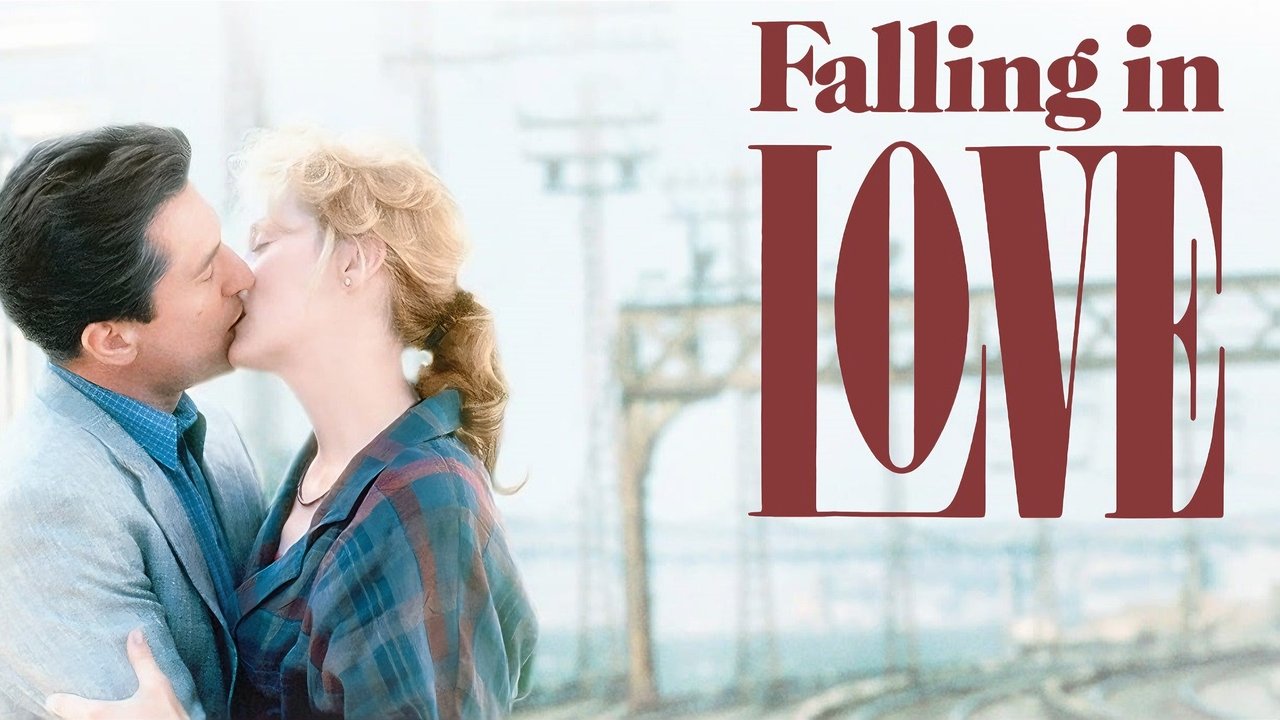
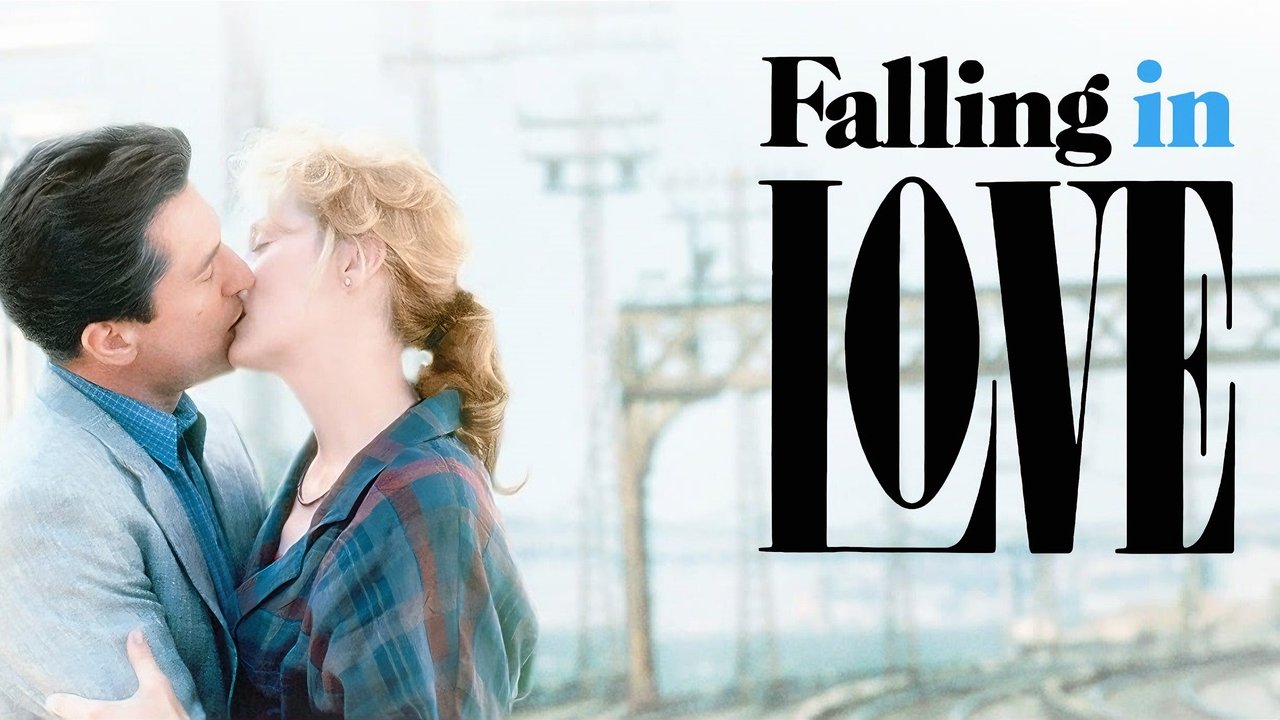
Streep, as Molly, is equally compelling. She conveys a fragility masked by a composed exterior. You see the flicker of excitement warring with guilt in her eyes, the way a simple train ride becomes charged with possibility and dread. It's fascinating to know that Streep initially hesitated, feeling Molly might be too passive a character. Yet, in her hands, Molly’s quietude becomes a complex tapestry of duty, desire, and apprehension. The chemistry between them isn't explosive; it's a slow burn, built on shared glances, tentative smiles, and the aching pauses in their conversations. Even Harvey Keitel, in a smaller role as Frank's concerned friend Ed, brings his signature authenticity, grounding Frank's dilemma.
Whispers on the Metro-North
Director Ulu Grosbard resists melodrama at every turn. The film unfolds with a patient rhythm, mirroring the repetitive nature of Frank and Molly's commutes. The cinematography captures the muted tones of New York City and its surrounding suburbs, the grey winter light reflecting the characters' internal states. The Metro-North train itself becomes a crucial setting, a liminal space between work and home where their forbidden connection can tentatively grow.
Dave Grusin’s score is similarly understated, providing gentle emotional cues without ever overwhelming the performances. It’s a film that asks the viewer to lean in, to observe the small details – the way Frank fiddles with his wedding ring, the slight hesitation in Molly’s voice. It wasn’t a box office smash, earning a modest $11 million or so against its budget (roughly $14.5 million - a disappointment for a Streep/De Niro vehicle), and critics were divided, some finding it too slow or derivative. But perhaps its lack of commercial fireworks is part of its quiet charm now.
A Quiet Corner in the VHS Library
Watching Falling in Love today feels like uncovering a time capsule, not just of 80s fashion and locations, but of a particular style of adult drama that feels increasingly rare. It tackles infidelity not with sensationalism, but with empathy and a focus on the emotional consequences for everyone involved. It doesn't offer easy answers or neat resolutions. What resonates most, perhaps, is its honesty about the magnetic pull of connection and the difficult choices it can force upon ordinary lives. Did Frank and Molly do the right thing? The film leaves you pondering that, long after the credits roll.
I remember renting this one, probably expecting something… more. More overt drama, maybe? But its quiet power stuck with me. It wasn't the kind of tape you'd watch with a rowdy group of friends, but rather one you'd absorb more thoughtfully, perhaps on a quiet afternoon.
Rating: 7/10
Justification: While its deliberate pacing might test some viewers and its plot feels familiar territory (especially given the Brief Encounter parallels), Falling in Love is elevated significantly by the sheer magnetism and nuanced performances of Robert De Niro and Meryl Streep. Their understated chemistry and the film's commitment to realism create moments of genuine emotional truth. It’s a mature, thoughtful character study that captures a specific mood and time beautifully. It doesn't aim for fireworks, but its quiet glow is compelling.
Final Thought: A gentle, melancholic look at the complexities of the heart, carried by two acting legends operating at the peak of their subtle powers – a quiet gem from the 80s drama shelf.