It’s hard to overstate the sheer audacity of Reds. Dropping into cinemas in 1981, amidst the rise of Reagan conservatism and a Hollywood increasingly drawn to high-concept blockbusters, here was Warren Beatty – superstar actor, producer, director, and co-writer – pouring his heart, soul, and a staggering budget into a three-hour-plus epic about American communists caught up in the Russian Revolution. You didn't just casually rent Reds; picking up that distinctive double-VHS box felt like a commitment, an event. Settling in for this sprawling, deeply felt historical drama was an experience far removed from the usual Friday night video store fare, and one that lingers long after the tape rewound.
### An Epic Canvas, An Intimate Portrait
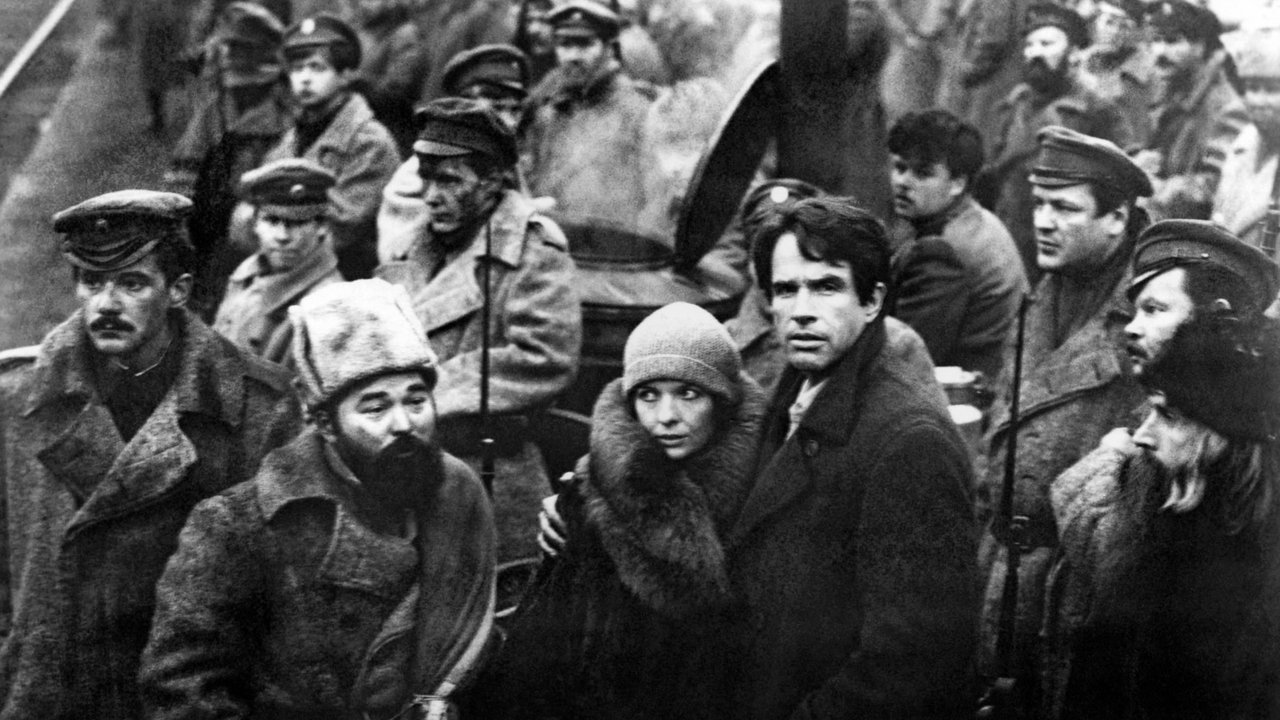
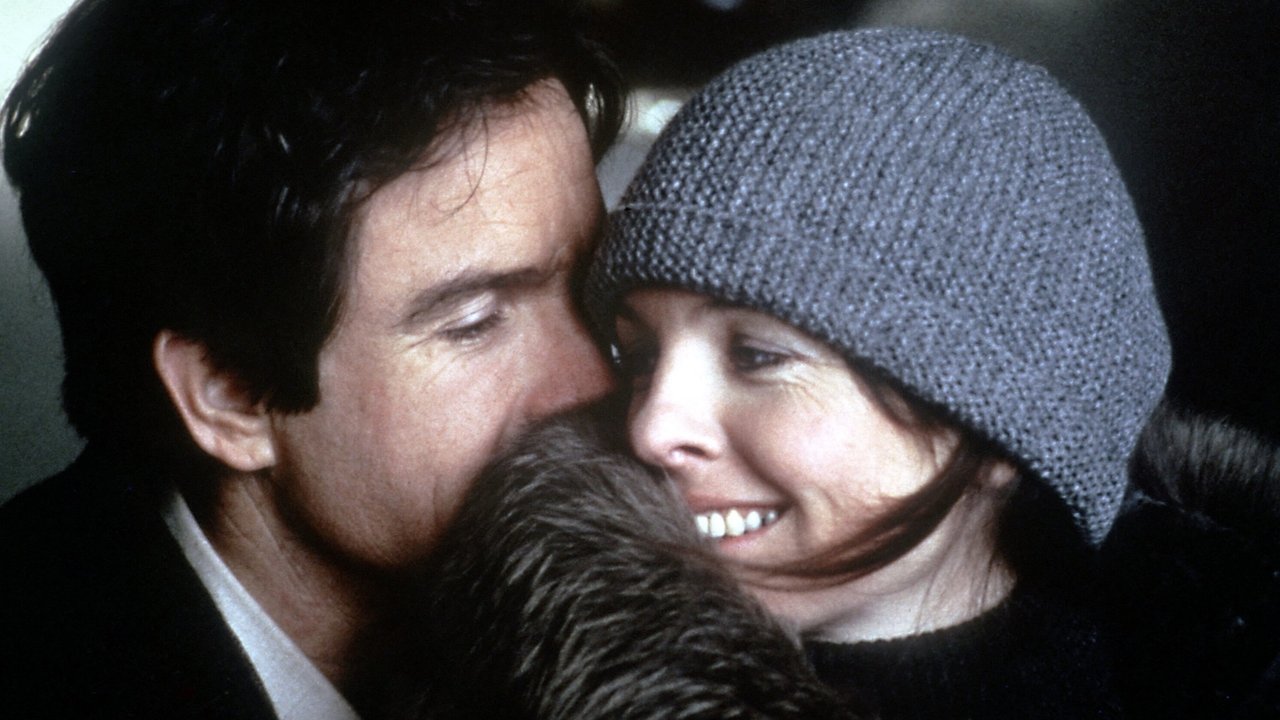
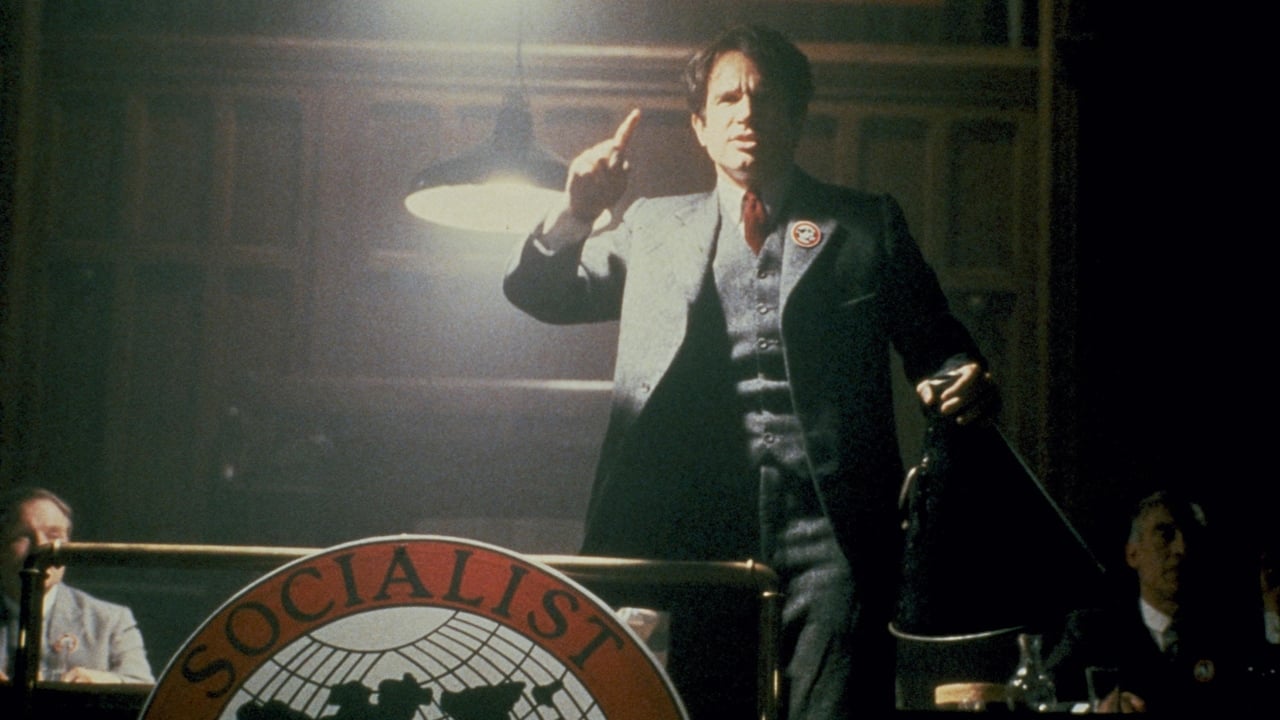
At its core, Reds tells the passionate, tumultuous story of John Reed (Warren Beatty) and Louise Bryant (Diane Keaton). Reed, the idealistic journalist who famously chronicled the Bolshevik uprising in Ten Days That Shook the World, and Bryant, a writer and feminist struggling for her own voice and identity, are magnetic figures. Their complex relationship – full of love, ambition, jealousy, and fierce intellectual sparring – forms the emotional anchor amidst the sweeping historical events unfolding around them. Beatty doesn't shy away from the messiness of their lives or the political complexities they navigated, presenting them not as plaster saints of the revolution, but as flawed, searching human beings.
The film masterfully balances the personal and the political. We follow Reed and Bryant from the bohemian salons of Greenwich Village, alongside figures like playwright Eugene O'Neill (a memorably cynical Jack Nicholson) and editor Max Eastman (Edward Herrmann, providing thoughtful counterpoint), to the snow-swept streets of Petrograd during the revolution. Beatty, as director, paints on a vast canvas, recreating historical moments with impressive scale and detail. Yet, the focus always returns to the human drama, the intimate struggles playing out against this epic backdrop. What does it mean to dedicate your life to a cause? Can personal happiness coexist with political fervor? These are the questions simmering beneath the surface.
### The Weight of Witness
One of the film's most striking and effective devices is the interspersed interviews with real-life "Witnesses" – contemporaries of Reed and Bryant, now elderly, sharing their fragmented, sometimes contradictory memories. Figures like Henry Miller, Rebecca West, and ACLU founder Roger Baldwin offer invaluable texture and perspective. It's a brilliant stroke, grounding the historical narrative in lived experience and highlighting the elusive nature of truth and memory. Hearing these voices, often frail but sharp, reminds us that history isn't just dates and events, but the collective stories of individuals who lived through it. This technique elevates Reds beyond simple biopic; it becomes a meditation on how we remember, how we construct narratives, and how ideals clash with reality over time. It adds a layer of authenticity that feels incredibly poignant, especially watching it today.
Beatty reportedly spent years coaxing these interviews, a testament to his dedication. The production itself was legendarily ambitious and arduous, spanning multiple countries with a budget ballooning to around $32 million (a colossal sum in 1981, roughly $100 million today). Beatty's notorious perfectionism led to countless takes – stories circulated about Diane Keaton enduring dozens of takes for emotionally demanding scenes. Yet, the result on screen is undeniable. Keaton, who won the Best Actress Oscar for her performance, is extraordinary. She charts Louise Bryant’s evolution from uncertain dilettante to committed, independent woman with nuance and fierce intelligence. Her chemistry with Beatty crackles with genuine passion and intellectual friction; their arguments feel startlingly real. Beatty, too, delivers a career-defining performance, embodying Reed's infectious idealism and eventual disillusionment. He captures the charisma that drew people to Reed, but also the stubbornness and perhaps naiveté that marked his path.
### Craftsmanship and Commitment
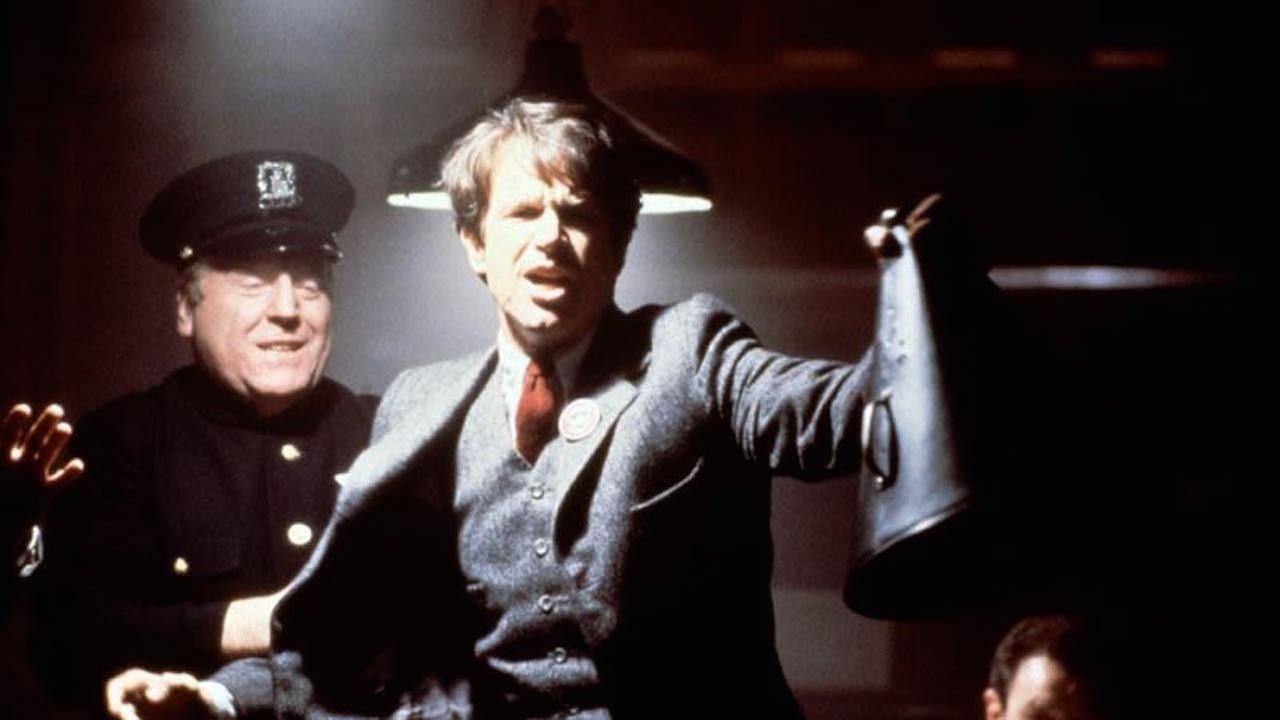
Beyond the performances, the film is a technical marvel. Vittorio Storaro's cinematography (Apocalypse Now (1979)) is breathtaking, capturing both the intimate moments and the revolutionary sweep with painterly beauty. Stephen Sondheim provides a subtle, effective score. Beatty deservedly won the Best Director Oscar, orchestrating this massive undertaking with vision and control. It’s a film made with palpable conviction, a level of personal investment rarely seen in mainstream Hollywood then or now.
Of course, its length and dense subject matter meant Reds wasn't exactly Raiders of the Lost Ark (1981) at the box office, though it performed respectably and earned critical acclaim (including 12 Oscar nominations). But its existence felt important. It was proof that ambitious, adult-oriented epics could still be made, even if they required the clout and sheer willpower of someone like Beatty. Watching it on VHS, perhaps over two nights thanks to that tape break, felt like engaging with something substantial, something that demanded your attention and rewarded it with emotional depth and historical scope.
### Lasting Echoes
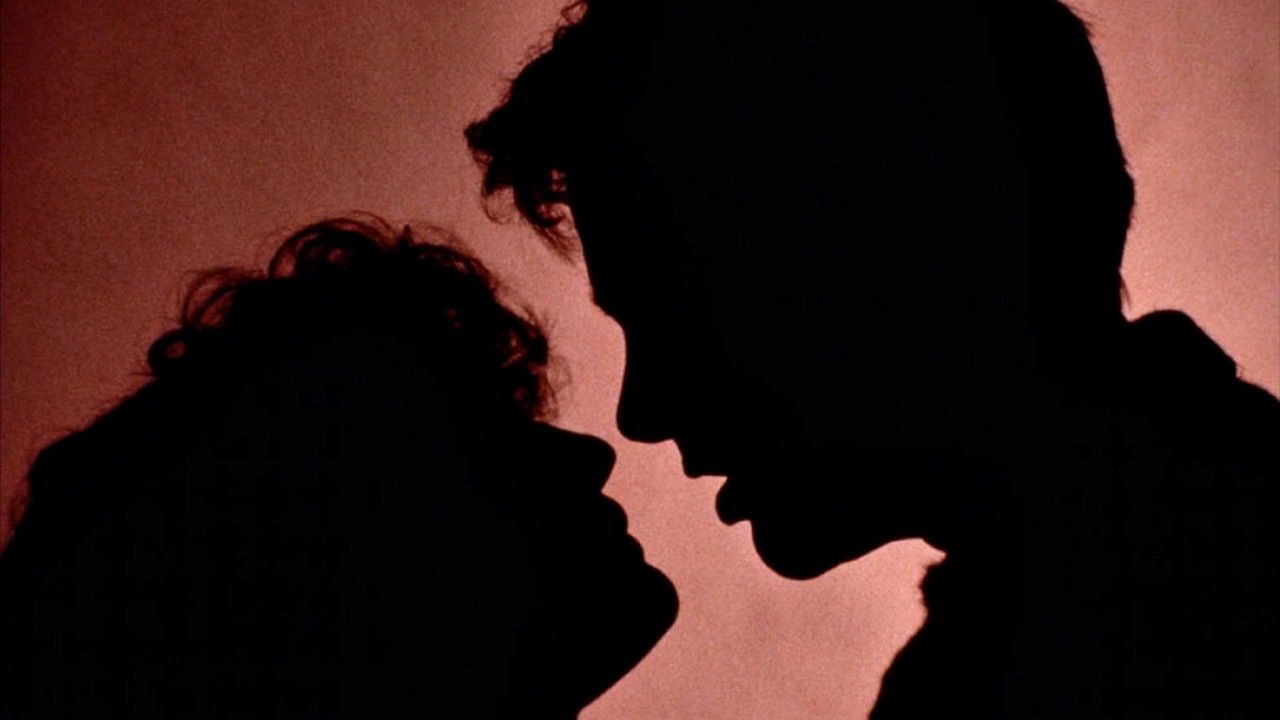
Reds stands as a monumental piece of filmmaking. It’s a film about big ideas – revolution, idealism, art, love, loyalty – explored through the intensely personal lens of two unforgettable individuals. It wrestles with the complexities of political commitment and its human cost, refusing easy answers. The performances remain powerful, the direction assured, and the use of the "Witnesses" lends it a unique, documentary-like resonance. It’s a film that might test the patience of some, but its rewards are immense.
Rating: 9/10
This score reflects the film's incredible ambition, Beatty's directorial triumph, the powerhouse performances (especially Keaton's Oscar-winning turn), and its masterful blending of epic history with intimate human drama. Its sheer scale and commitment to exploring complex themes make it a landmark of 80s cinema, even if its pacing requires investment. That double-VHS set wasn't just bigger; the film itself felt weightier, more significant, and it remains so today. It leaves you pondering the fire of youthful idealism and the compromises life inevitably demands.