That opening sequence. Even now, decades later, the image remains indelible: young men in white, running in slow motion along a vast, wet beach, kicking up spray against a grey sky. And beneath it all, that soaring, anachronistic synthesizer score by Vangelis – a sound that somehow felt both utterly out of place for 1924 Paris Olympics and yet perfectly, transcendently right. Chariots of Fire (1981) doesn't just tell a story; it evokes a feeling, a potent blend of striving, dedication, and the complex weight of personal conviction. It wasn't the typical fare lighting up video store shelves back then, nestled perhaps awkwardly between neon-splashed action flicks and creature features, but finding it felt like discovering something substantial, something that lingered.
More Than Just a Race
At its heart, Hugh Hudson’s directorial debut (what a debut!) isn't really about running, is it? The track is merely the arena where deeper battles are waged. We follow two main protagonists, both training for the 1924 Olympics, yet driven by vastly different fires. Harold Abrahams (Ben Cross), a Jewish student at Cambridge, feels the sting of antisemitism and the sneering condescension of the establishment. His running is fueled by a fierce, almost desperate need to prove himself, to smash through the invisible walls erected around him. He seeks validation, acceptance through victory, hiring a professional coach, Sam Mussabini (Ian Holm, in a typically brilliant supporting turn), a move frowned upon by the amateur-idealizing university dons. You feel Abrahams’ simmering resentment, his coiled energy; Cross portrays him not just as determined, but as carrying a profound burden, the weight of being perpetually 'other'.
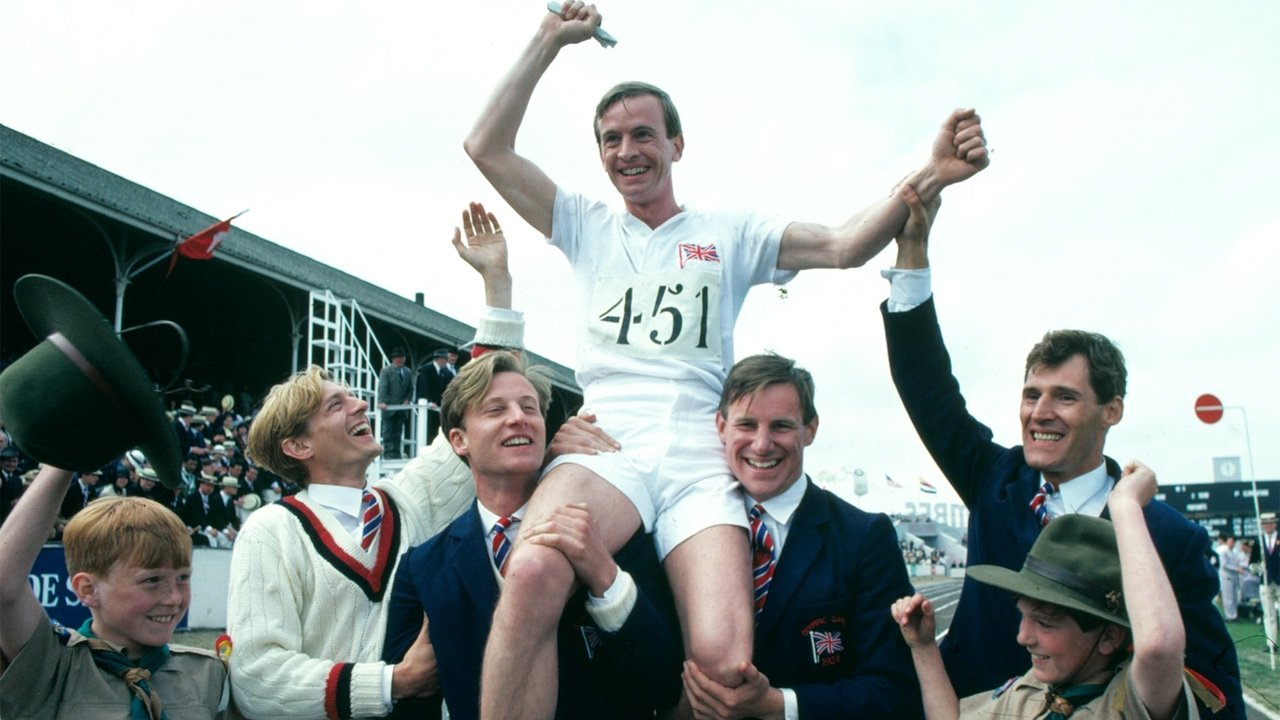
Then there's Eric Liddell (Ian Charleson), the "Flying Scotsman." A devout Christian missionary-to-be, Liddell runs, as he famously declares, for the glory of God. His speed feels less like a weapon, more like a gift, an expression of divine pleasure. Charleson embodies Liddell with a quiet intensity, a serene certainty that contrasts sharply with Abrahams' angst. His conflict isn't external prejudice, but an internal crisis of faith when the Olympic schedule forces him to choose between running a qualifying heat on a Sunday and honoring the Sabbath. It’s a fascinating juxtaposition: one man running against something, the other running for something greater than himself. Doesn't this exploration of motivation – what truly drives us to push our limits – still resonate deeply?
Crafted with Care
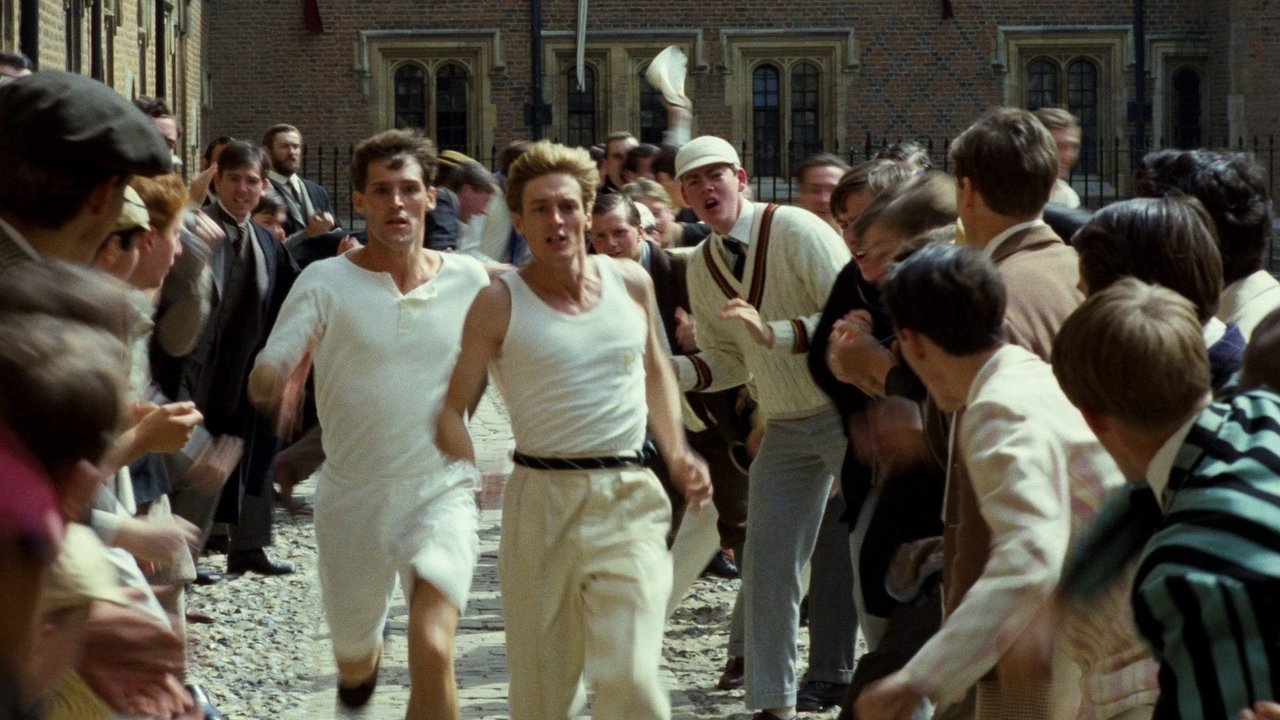
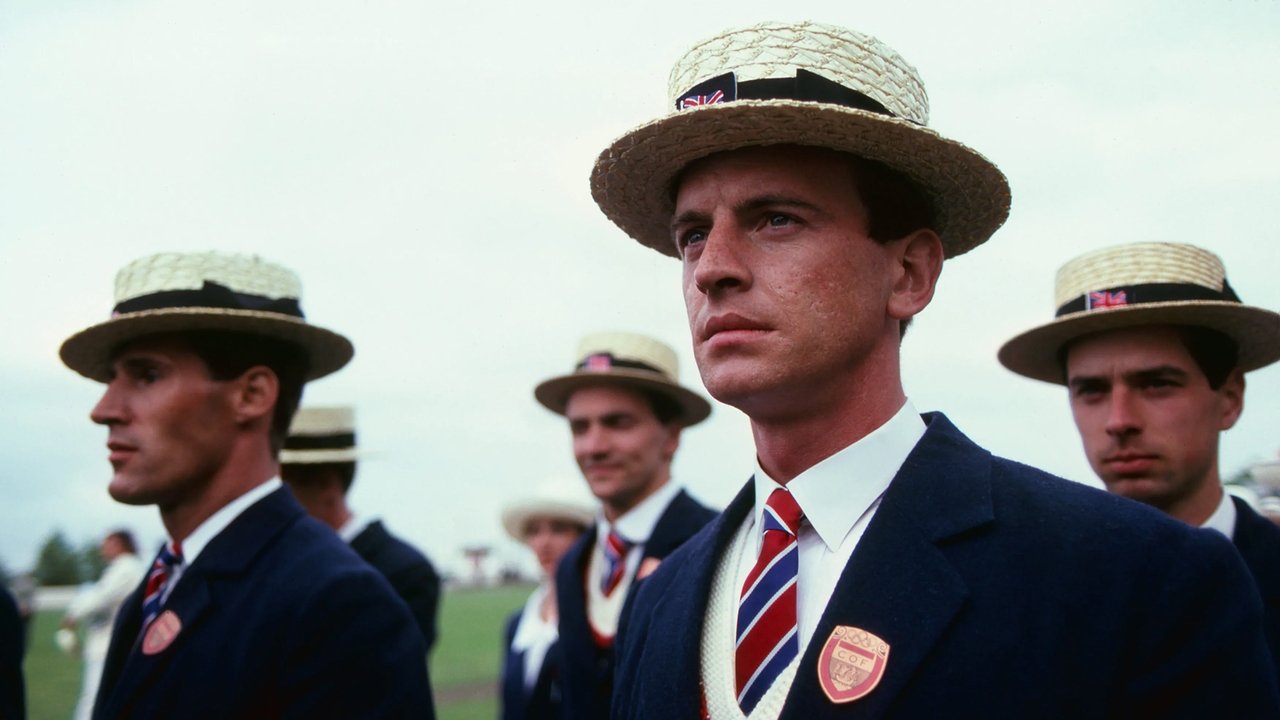
The film itself feels meticulously constructed, much like the athletes it portrays. Colin Welland's Oscar-winning screenplay elegantly balances the two narratives, weaving in themes of class, prejudice, and the fading glory of the British Empire. Hudson’s direction is measured, almost stately, allowing the characters and their internal struggles to breathe. The period detail is immaculate, transporting us convincingly to the halls of Cambridge and the muddy tracks of post-WWI Britain. It’s a far cry from the rapid-fire editing that would come to dominate later in the decade; Chariots of Fire takes its time, building atmosphere and character depth with patience.
And that score... ah, the score. It’s almost impossible to discuss the film without mentioning Vangelis's groundbreaking electronic music. Using synthesizers for a period piece was a bold, even controversial choice at the time. Yet, it works magnificently. It lifts the film beyond mere historical drama, tapping into the universal emotions of aspiration, struggle, and triumph. I distinctly remember hearing that main theme everywhere in the early 80s; it captured a certain zeitgeist, a feeling of optimistic striving. Few film scores become cultural phenomena in their own right, but this one certainly did. Apparently, director Hudson had initially used Vangelis’s track "L'Enfant" from his Opéra sauvage album as temporary music for the beach running scene during dailies, and it worked so well he commissioned Vangelis for the whole score. A stroke of genius born from experimentation!
Retro Fun Facts & Lasting Impressions
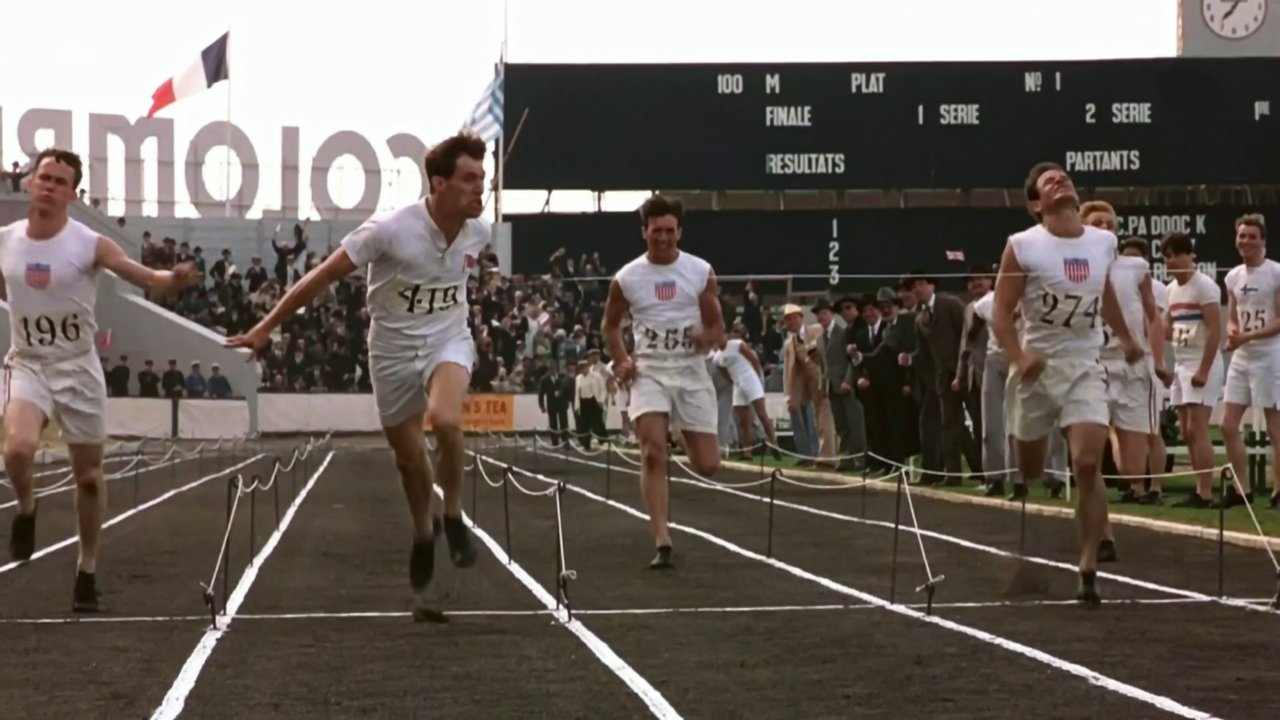
It’s fascinating to think that Chariots of Fire, a relatively low-budget British film ($5.5 million) with largely unknown leads (Ben Cross and Ian Charleson were not household names then), went on to win four Academy Awards, including Best Picture, beating out heavy hitters like Raiders of the Lost Ark (1981). Screenwriter Colin Welland famously accepted his Oscar by hoisting it aloft and proclaiming, "The British are coming!" – a line that perfectly encapsulated the film’s unexpected triumph. The film’s success wasn't just critical; it pulled in nearly $59 million at the US box office alone, proving audiences were hungry for intelligent, character-driven drama. Interestingly, the iconic beach scenes weren't filmed at Broadstairs, the setting in the story, but at West Sands, St Andrews, in Scotland – chosen for its grand scale. They reportedly had quite the time keeping the actors warm between takes in the chilly North Sea air!
While some might find its pacing deliberate by today's standards, Chariots of Fire remains a powerful and profoundly moving film. It explores the complex interplay between personal ambition, faith, societal pressures, and the sheer physical and mental dedication required for greatness. The performances feel authentic and deeply felt; Cross’s fiery intensity and Charleson’s quiet conviction are the twin pillars upon which the film rests. It asks us to consider why we strive, what principles we hold dear, and what sacrifices we are willing to make for them.
Rating: 9/10
This rating reflects the film's exceptional craft, its timeless themes, the unforgettable score, and the powerhouse performances, particularly from Cross and Charleson. Its Best Picture win feels thoroughly earned, showcasing how a character-focused drama, told with intelligence and heart, can resonate profoundly. Minor deductions account only for a pacing that might feel slow to some modern viewers accustomed to quicker cuts, but this deliberateness is arguably part of its strength and immersive quality.
Chariots of Fire is more than just a sports movie; it's a meditation on the human spirit. It lingers not just for its iconic imagery or music, but for the enduring questions it poses about the fire that drives us all. A true classic that absolutely earned its place on the top shelf of the video store, and in film history.