The Messenger: The Story of Joan of Arc
### The Weight of Voices, The Roar of Battle
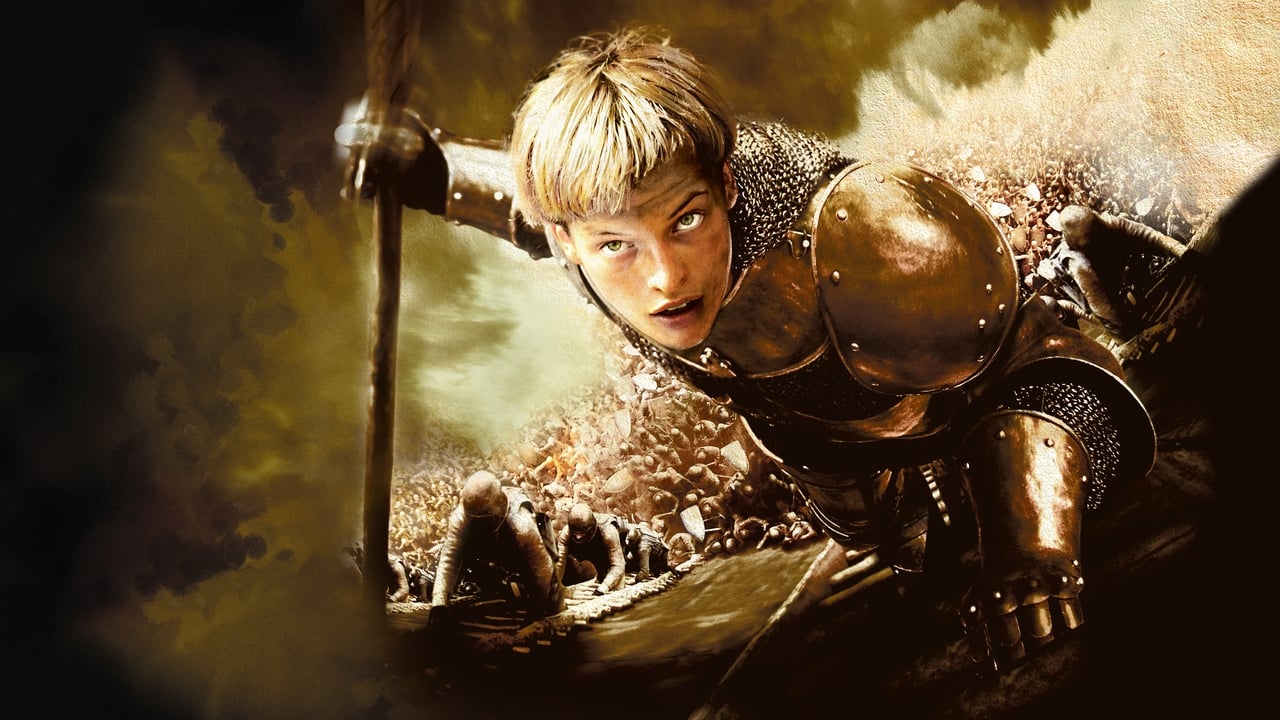
There’s a certain kind of silence that follows Luc Besson’s The Messenger: The Story of Joan of Arc (1999). It’s not the quiet contentment of a neat resolution, but the heavy pause after a storm – ears ringing, mind racing, trying to reconcile the brutal clang of medieval steel with the whispered, fervent prayers of a young woman convinced of her divine mission. This wasn't your standard, stately historical epic when it landed on shelves in chunky VHS cases. Besson, fresh off the visually explosive The Fifth Element (1997), brought his signature kinetic energy to 15th-century France, creating something altogether more visceral, more jarring, and arguably, more psychologically probing than many expected. Renting this one felt like an event; you knew you weren't getting a dry history lesson.
### A Different Kind of Saint
From the harrowing opening depicting the trauma that shapes young Joan, Besson makes his intentions clear. This isn't merely a recounting of historical events; it's an attempt to dive headfirst into the psyche of a figure consumed by faith, trauma, and the bewildering conviction that she hears God. The film immediately confronts us with the sheer violence of the era, not just on the battlefield but in the personal tragedies that fuel Joan's unwavering, almost terrifying, certainty. It asks uncomfortable questions from the outset: Where does divine inspiration end and delusion begin? Can profound faith coexist with profound psychological scars?
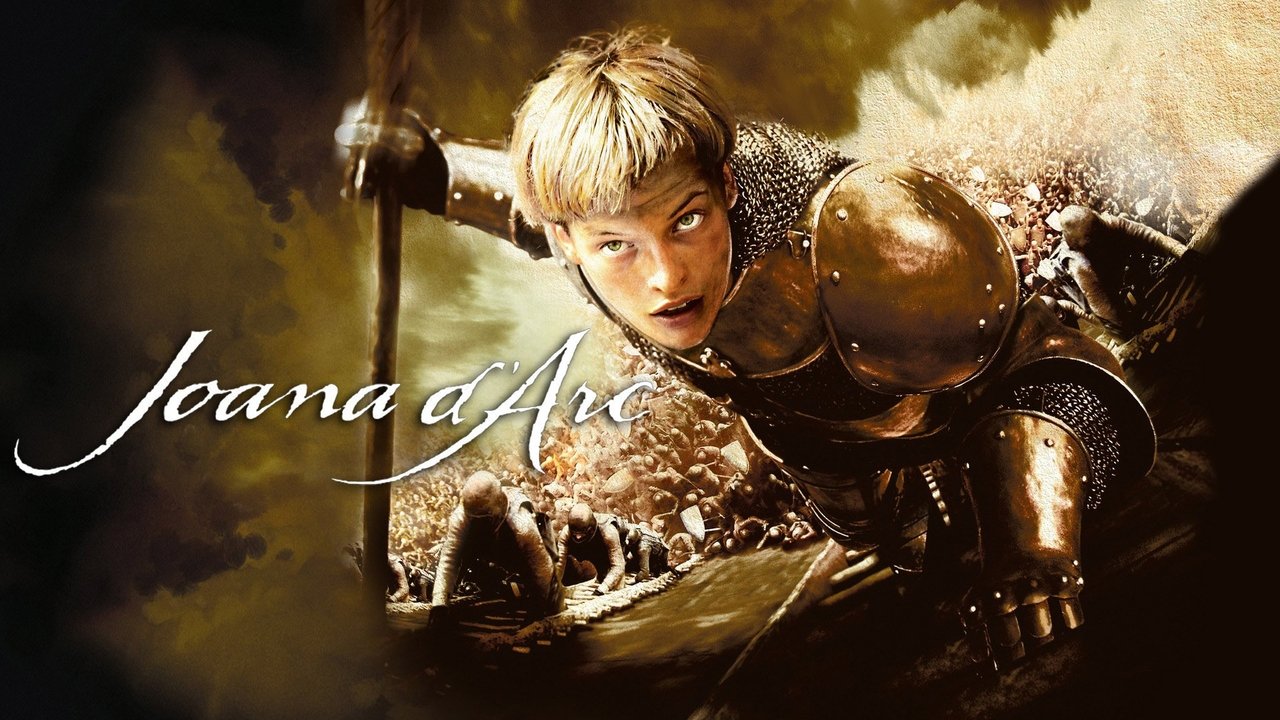
The narrative traces Joan’s meteoric rise, from bewildered peasant girl experiencing visceral, sometimes frightening visions, to the unlikely military leader rallying a demoralized French army against the English during the Hundred Years' War. We see her desperate attempts to convince the cynical Dauphin, Charles VII (John Malkovich), and his court, including the shrewd Yolande of Aragon (Faye Dunaway), of her divine purpose. The film doesn't shy away from the political machinations swirling around her – the way her faith is used, questioned, and ultimately betrayed by those seeking power.
### Forged in Fire: Jovovich's Fierce Portrayal
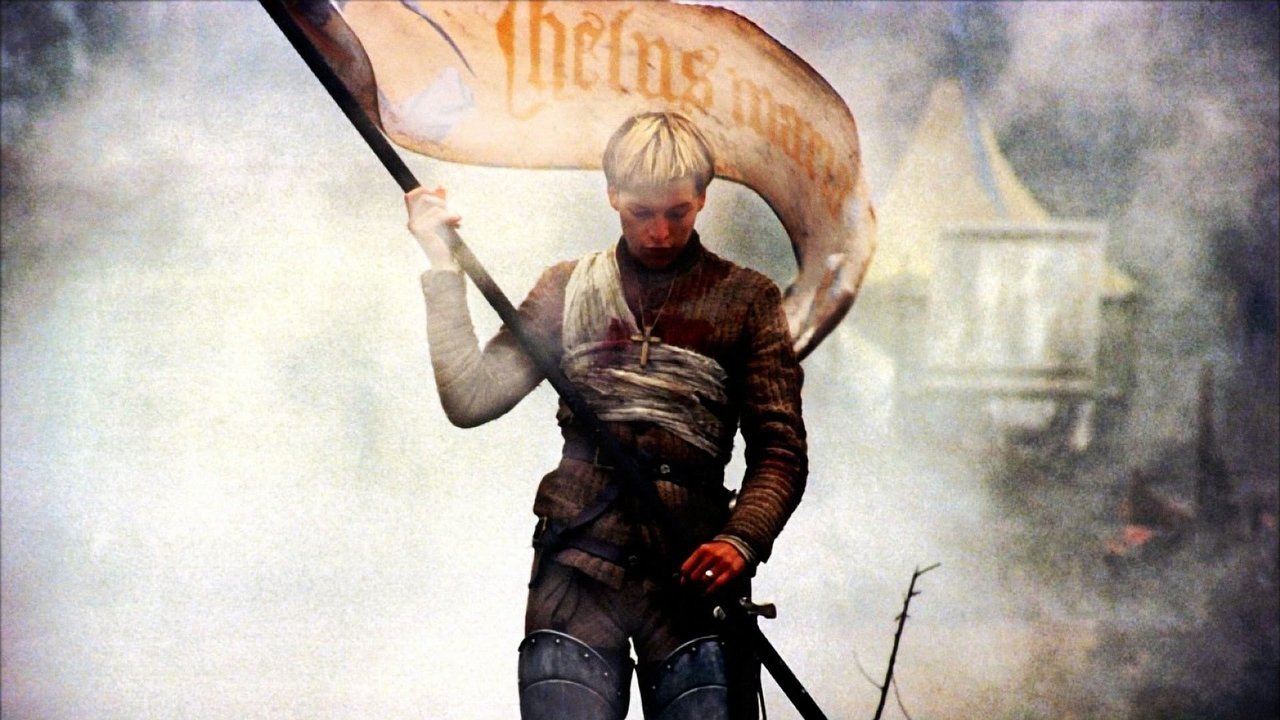
At the heart of this maelstrom is Milla Jovovich as Joan. Besson, directing his then-wife, clearly envisioned a Joan far removed from serene iconography. Jovovich’s performance is raw, physical, and intensely emotional. She embodies Joan not as a plaster saint, but as a bundle of fierce conviction, youthful naiveté, righteous anger, and paralyzing doubt. There's a fragility beneath the armor, a wide-eyed terror mixed with unwavering resolve. It’s a performance that polarized audiences and critics; some found it overly shrill or historically jarring, while others saw a brave attempt to portray the overwhelming, possibly destabilizing, burden of Joan's experience. I remember finding it exhausting, yet utterly magnetic – you couldn't look away, even when her intensity felt almost unbearable. It's a portrayal that feels less like acting and more like channeling raw nerve.
Supporting her, John Malkovich delivers a masterclass in weary cynicism as the Dauphin, later King Charles VII. His Charles is less a noble leader and more a man trapped by circumstance, easily swayed, and ultimately pragmatic to the point of cruelty. His scenes with Joan crackle with the tension between her unwavering faith and his profound skepticism. Faye Dunaway, in a relatively brief but memorable role, embodies regal manipulation, her eyes conveying intricate political calculations. And later, Dustin Hoffman appears as Joan’s conscience (or perhaps her internal doubt personified) during her trial, bringing a quiet, philosophical gravity to the film's final act.
### Besson's Battlefield: Style Meets Substance (and Controversy)
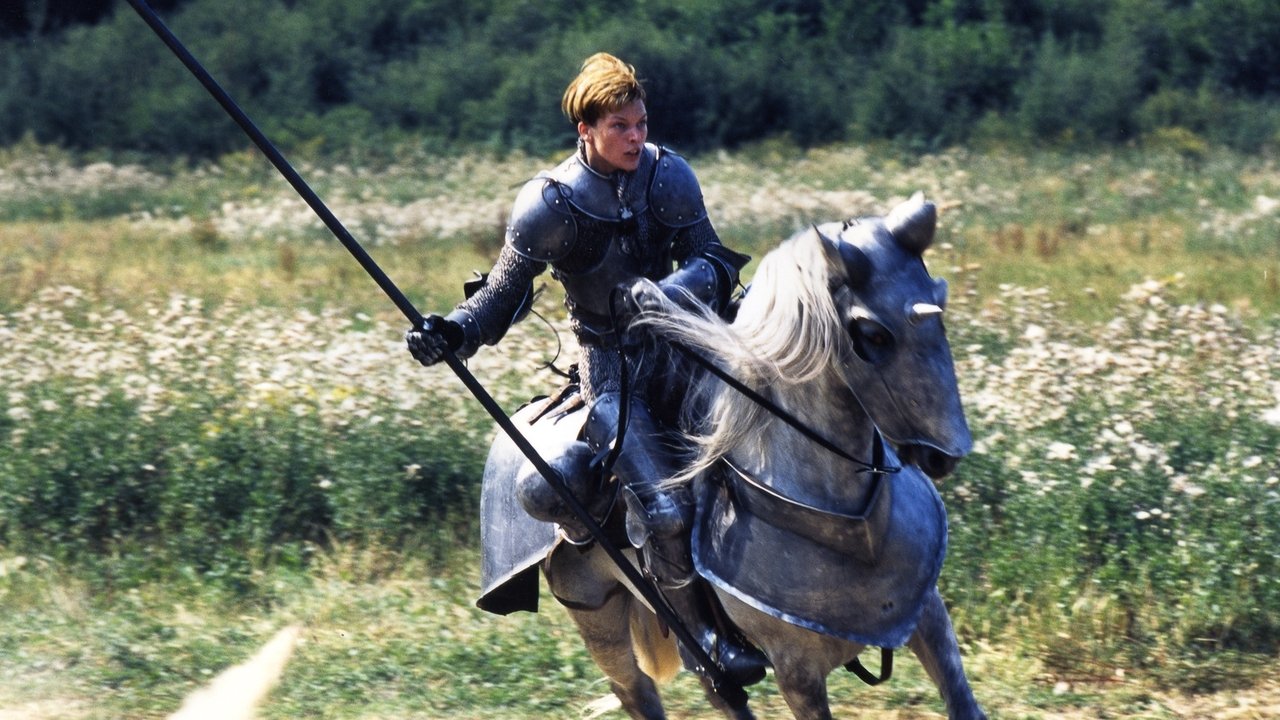
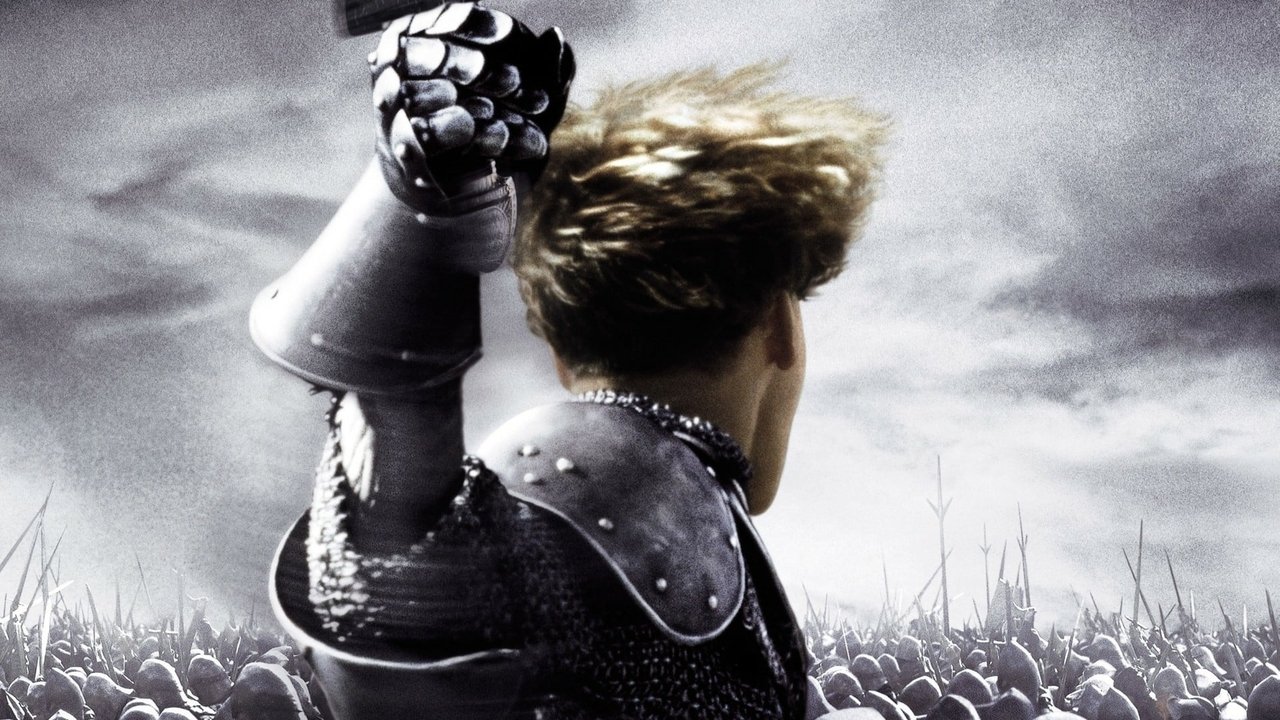
Visually, The Messenger is undeniably a Luc Besson film. The battle sequences are chaotic, muddy, and brutal, filmed with a kinetic energy that plunges the viewer into the heart of the conflict. Forget stately, choreographed clashes; this is medieval warfare depicted as confusing, terrifying, and bloody. The siege of Orléans is a standout, a visceral assault on the senses that captures the chaos and desperation of the fighting. Besson employed thousands of extras and significant practical effects for these scenes, filmed extensively on location in the Czech Republic, leveraging a substantial $60 million budget (estimated around $110 million today) – a huge sum for a non-Hollywood production at the time.
This stylistic approach, however, also drew criticism. Some felt Besson's modern cinematic language – quick cuts, intense close-ups, Eric Serra's occasionally anachronistic score – clashed with the historical setting. The film's historical accuracy was also hotly debated, particularly its emphasis on Joan's childhood trauma and psychological state, sometimes portraying her less as a divinely inspired leader and more as a deeply troubled young woman exploited by political forces. It’s a challenging interpretation, one that deliberately eschews reverence for a more complex, ambiguous portrait. Interestingly, the project had a complex genesis; Besson had initially been developing it for director Kathryn Bigelow, envisioning Jovovich in the lead, before taking over the directorial reins himself when that collaboration dissolved.
### Echoes of the Maiden
Despite the controversies and its mixed reception (it performed modestly at the box office, recouping its budget but not becoming a runaway hit), The Messenger lingers. It’s not an easy film, nor a comfortable one. It forces reflection on the nature of faith, the cost of conviction, and the brutal realities often obscured by legend. What does it mean to truly believe? And what happens when that belief crashes against the rocks of political reality and human fallibility? The film doesn't offer simple answers, leaving the viewer to grapple with Joan's legacy – saint, warrior, visionary, or perhaps all three, tragically intertwined.
I remember the VHS tape itself felt substantial, hinting at the epic scale within. Watching it again now, the film feels like a bold, flawed, but undeniably powerful attempt to grapple with a near-mythic figure in human terms. It’s a product of its specific late-90s moment – ambitious, visually driven, and unafraid to court controversy.
Rating: 7/10
Justification: While occasionally uneven in tone and taking significant historical liberties that may alienate purists, The Messenger earns its score through its sheer ambition, Besson's visceral direction of the battle sequences, and a towering, committed central performance from Milla Jovovich. The supporting cast, particularly John Malkovich, adds considerable weight. Its willingness to explore the psychological complexity and potential fragility behind the legend, even if controversially, makes it a more challenging and ultimately more memorable film than a straightforward hagiography. It's a flawed epic, but a fascinating and visually potent one.
Final Thought: It’s a film that stays with you, not necessarily for its historical accuracy, but for its raw, unsettling portrayal of faith under fire, leaving you to ponder the thin, often blurred line between sainthood and madness.