Imagine stumbling upon a VHS tape with cover art hinting at Romero-level carnage, but possessing an underground, almost forbidden aura. Then, spotting a familiar name in the credits – Sam Raimi, executive producer. That unexpected connection is your entry point into the ambitious, gore-soaked world of J.R. Bookwalter's The Dead Next Door (1989), a film forged in the crucible of low-budget necessity and youthful passion, shot on Super 8mm film stock no less, right in the suburban landscapes of Akron, Ohio. This wasn't just another zombie flick; it was a statement of intent from a filmmaker barely out of his teens.
### Akron Apocalypse on 8mm
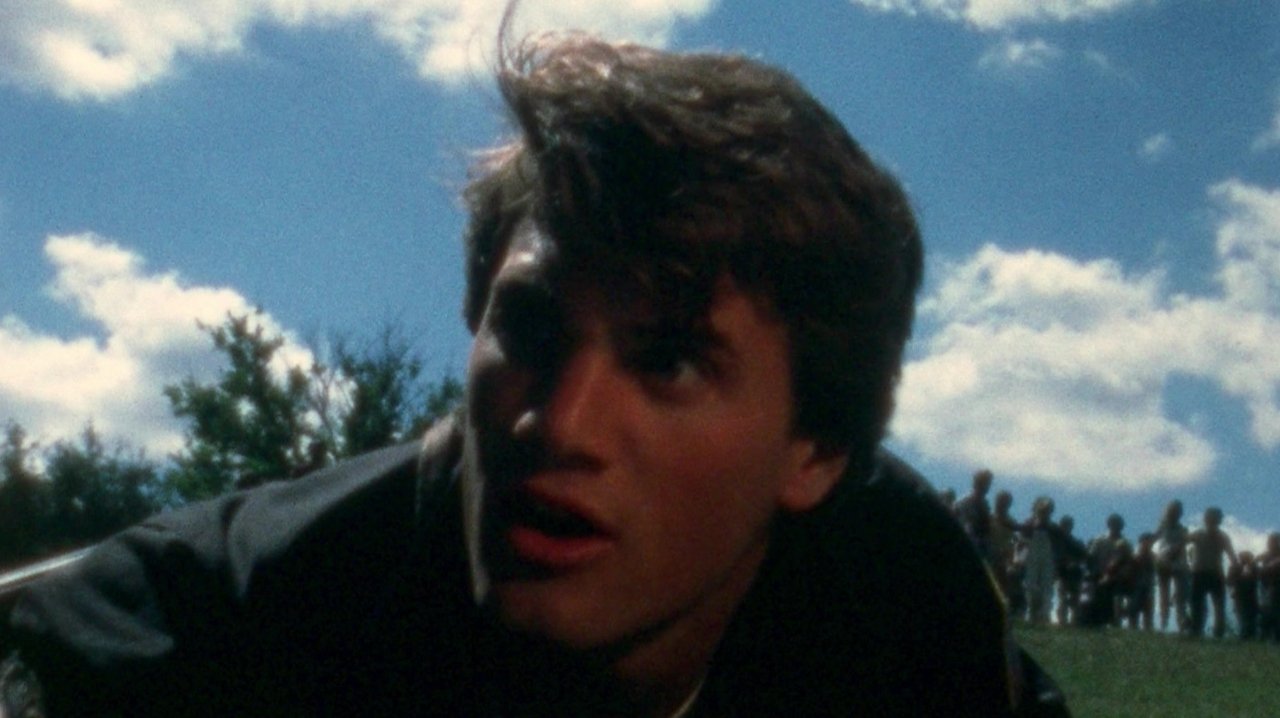
The setup is classic post-Romero: a mysterious virus sweeps the globe, the dead rise, and humanity scrambles to survive. We follow the "Zombie Squad," an elite government unit tasked with containing the undead menace and researching a cure. Their ranks include Raimi (Pete Ferry channeling a bit of Ash), the stoic Mercer (Bogdan Pecic), and the determined Kuller (Michael Grossi). Opposing them isn't just the shambling hordes, but a sinister zombie-worshipping cult led by the Reverend Jim Jones-esque Dr. Bow (Robert Kokai), adding a layer of human villainy to the undead chaos.
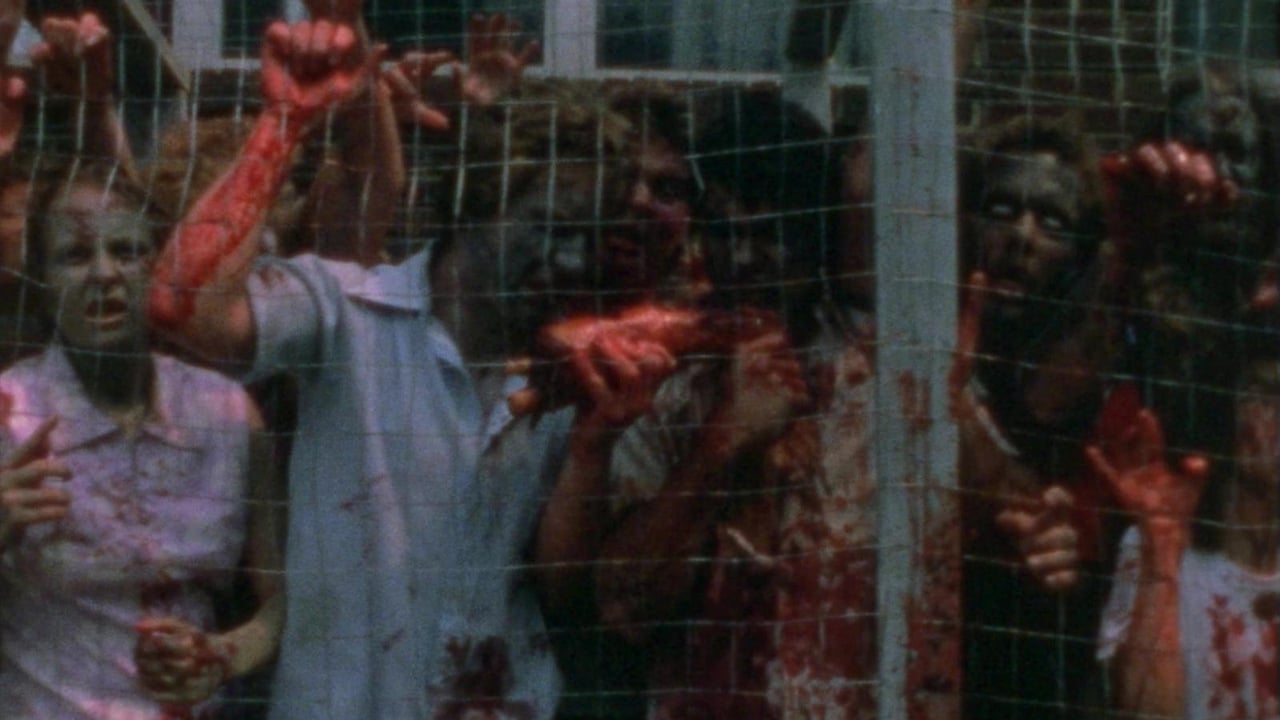
What immediately strikes you about The Dead Next Door, especially watching it again on a fuzzy CRT glow reminiscent of its original viewing context, is the sheer scale of ambition. J.R. Bookwalter, famously mentored and partially funded by Sam Raimi (who provided roughly $10,000-$15,000 from his Evil Dead II earnings after being impressed by Bookwalter's earlier SOV work), didn't just aim for a few isolated zombie encounters. He staged running gun battles, sprawling hordes (often cleverly framed local extras), and surprisingly elaborate gore set-pieces. The decision to shoot on 8mm film and then blow it up to 16mm (and even 35mm for some international prints) was a bold move, lending the film a grainy, raw texture that feels authentically gritty, far removed from the flat look of many shot-on-video efforts of the era. This technical gamble cost nearly half the film's eventual $125,000 budget but gave it a unique visual signature.
### Guts, Gore, and Grindhouse Glory
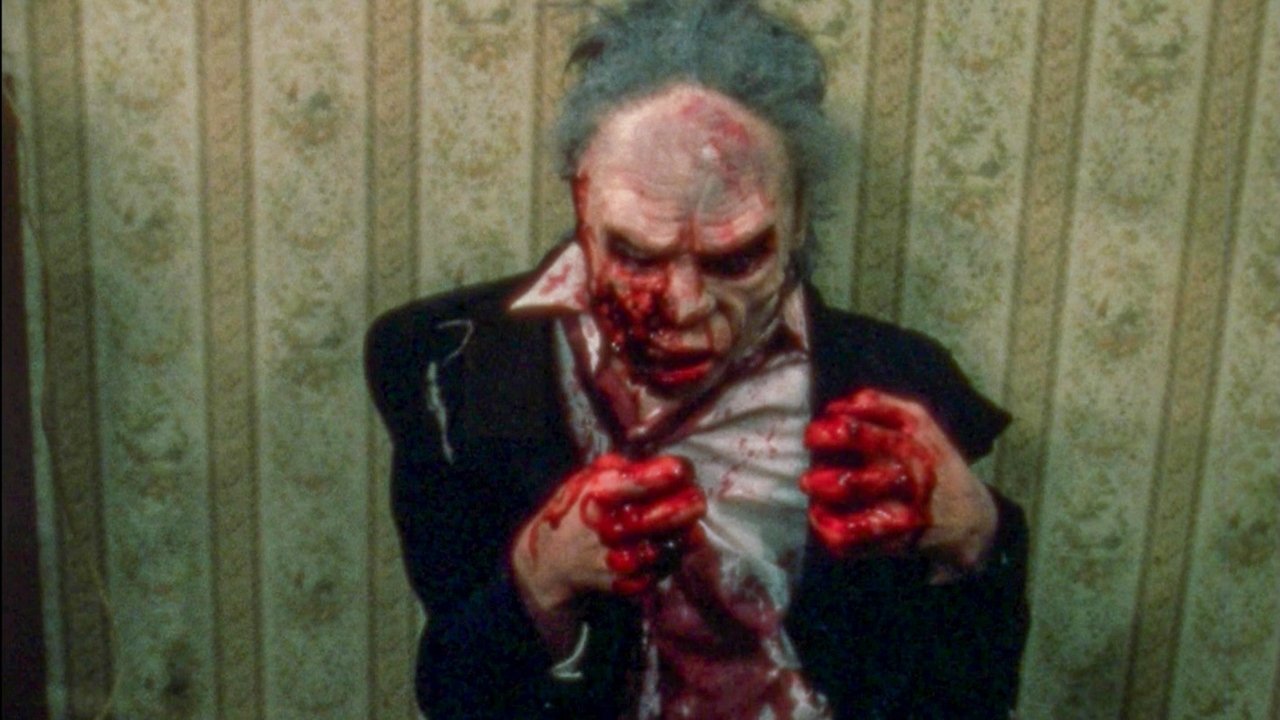
Let's talk effects. For a film operating on fumes budget-wise, the practical gore is relentless and often surprisingly effective. Heads explode, limbs are torn, entrails spill – it’s a smorgasbord of latex and Karo syrup deployed with unrestrained glee. Sure, some moments betray the budget, but the sheer volume and enthusiasm carry it through. You can almost feel the young crew’s excitement behind the camera, pushing the boundaries of what they could achieve. There's a palpable energy here, a desire to deliver the goods that many bigger-budget, more cynical productions lack. Remember the sequence involving the zombie getting its head caught in the car door? Crude, perhaps, but undeniably memorable and indicative of the film's DIY splatterpunk ethos.
The performances are… well, they fit the film. Earnest, sometimes stiff, but imbued with a certain regional charm. Pete Ferry leans into the square-jawed hero archetype, while Bogdan Pecic offers a more grounded presence. The dialogue, also penned by Bookwalter, occasionally hits classic B-movie territory ("They're dead... they're all messed up!"), but it serves its purpose in driving the action forward. It’s the kind of dialogue you might have chuckled at during a late-night rental session, but it feels part and parcel of the film’s unique identity. Adding to the genre cred are fun cameos from figures like Scott Spiegel (co-writer of Evil Dead II) and even a voice-over contribution from the Sultan of Splatter himself, Bruce Campbell, credited pseudonymously as "Raimi Hoff". These weren't just cameos; they were nods to the supportive network Raimi helped foster around his protégé.
### Echoes in the Static
The Dead Next Door wasn't just shot in Akron; it feels like Akron. The familiar suburban houses, the local parks, the very specific Midwestern normalcy being torn apart by the undead – it grounds the fantástico in a relatable reality, enhancing the unsettling feeling. The score, a mix of synth pulses and driving electronic cues, effectively ramps up the tension during action sequences, capturing that quintessential late-80s horror soundscape.
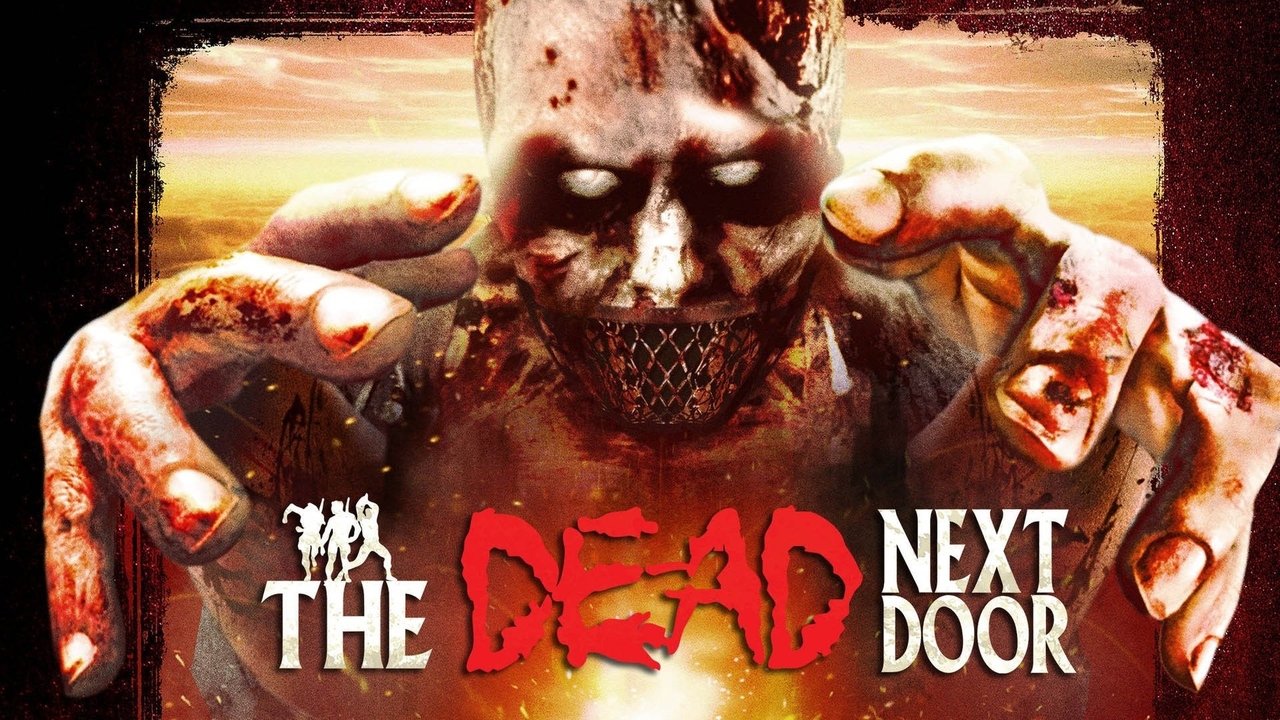
Did Bookwalter overreach? Maybe. The plot sometimes meanders, and the pacing isn't always tight. But the sheer audacity is infectious. He wrangled hundreds of local extras (reportedly paid in pizza and T-shirts), coordinated complex action scenes, and delivered a zombie epic that felt bigger than its budget should have allowed. It’s a testament to resourcefulness and a love for the genre. The film reportedly took nearly four years to complete, a marathon effort reflecting the challenges of independent filmmaking. It became a staple on video store shelves, instantly recognizable for its striking poster art, and developed a dedicated cult following among fans who appreciated its rough-hewn charm and surprisingly potent gore.
Watching it today evokes that specific thrill of discovering a hidden gem in the horror section, something made with evident passion, warts and all. It’s a time capsule of late-80s independent horror filmmaking, a stepping stone for J.R. Bookwalter (who went on to create his own Tempe Entertainment production house), and a fascinating example of how mentorship (Raimi's support was crucial) could elevate a regional production onto the world stage, or at least, onto countless VHS rental shelves worldwide.
Rating: 6/10
Justification: This score reflects The Dead Next Door’s status as a highly ambitious and impressively gory low-budget cult classic. It punches far above its weight in terms of scale and practical effects, fueled by palpable passion. However, limitations in acting, pacing, and overall polish keep it from reaching higher echelons. It's a score celebrating its achievements within its specific context – a remarkable feat of 8mm filmmaking.
Final Thought: More than just zombies, The Dead Next Door is a monument to guerrilla filmmaking spirit, a grainy, gory reminder that sometimes, the raw energy of creation is more compelling than polished perfection. It remains a must-see for fans of regional horror and anyone who appreciates the sheer willpower it takes to make a movie against the odds.