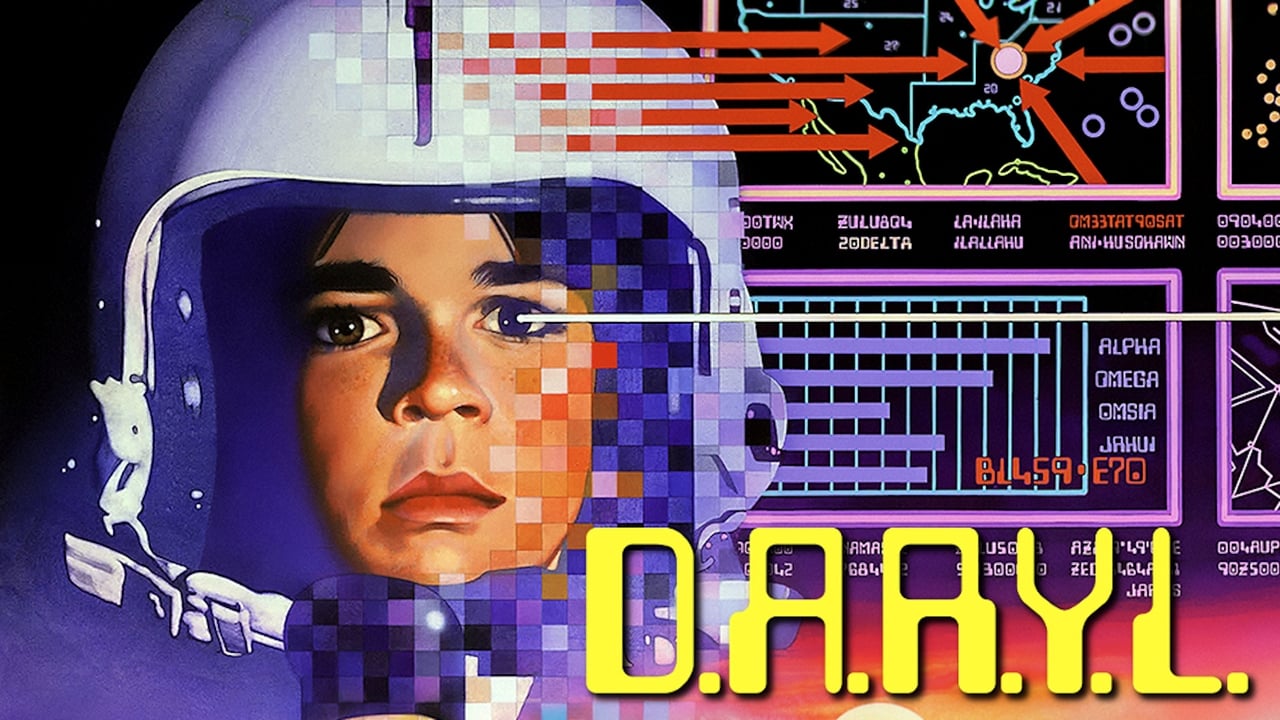
He arrives like a forgotten memory, a young boy found wandering alone with no past, possessing an almost unnerving politeness and aptitude. That’s the quiet, intriguing entry point into D.A.R.Y.L. (1985), a film that nestled itself comfortably onto many a VHS shelf, offering a gentler, more thoughtful brand of 80s sci-fi adventure than its flashier contemporaries. It wasn't about space battles or laser guns; it was about a boy, a family, and a secret that could change everything – a premise that felt both wondrous and a little bit sad, even back then.
The Boy Who Knew Too Much
At the heart of the film is Daryl himself, brought to life with remarkable poise by Barret Oliver, who was then riding a wave of child stardom following The NeverEnding Story (1984) and Cocoon (also 1985). Daryl is initially taken in by the wonderfully warm and slightly bewildered Richardson family, played with genuine heart by Mary Beth Hurt and Michael McKean (yes, Lenny from Laverne & Shirley and later David St. Hubbins of This Is Spinal Tap!). Daryl isn't just smart; he's impossibly capable. He masters video games instantly, calculates complex problems in his head, and learns skills with startling speed. I remember watching this as a kid, utterly captivated by his abilities – who wouldn't want to suddenly be amazing at baseball or effortlessly ace every test? There was a definite wish-fulfillment element, but Oliver’s subtle performance always hinted at something more beneath the surface, a disconnect that kept you guessing.
More Than Meets the Eye
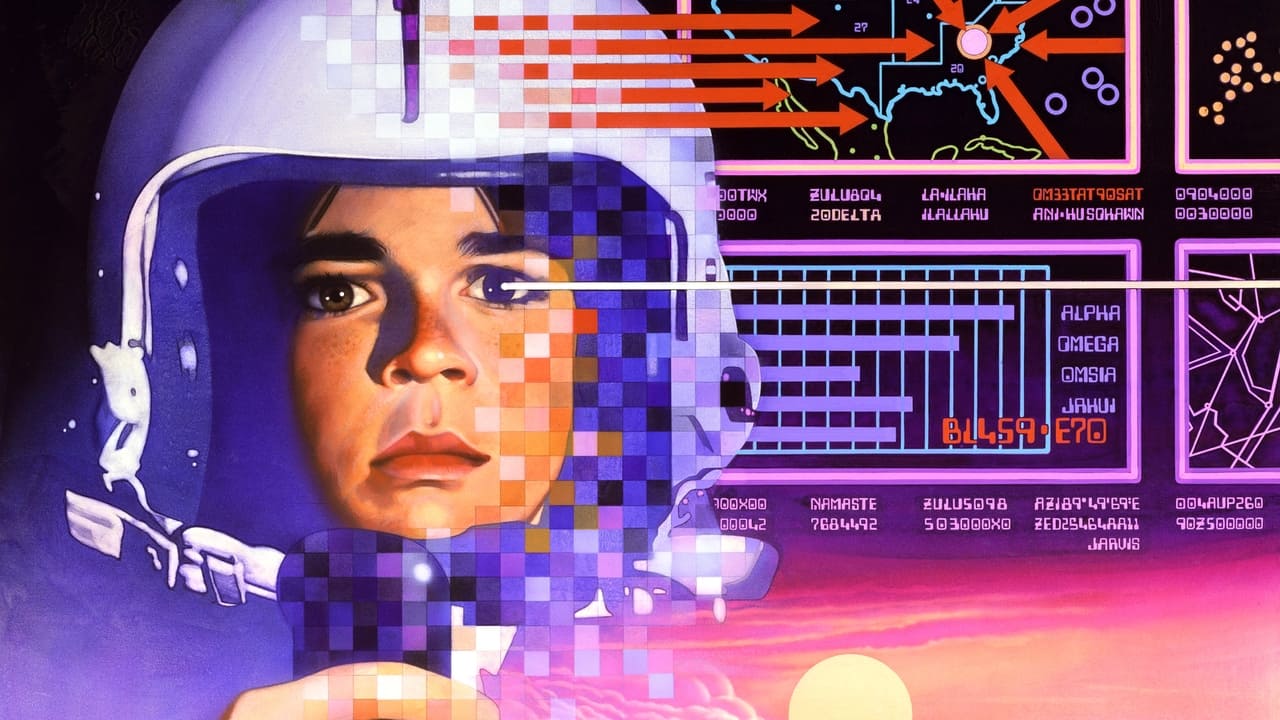
Of course, Daryl isn't just a gifted child. The film, directed by Australian Simon Wincer (who would later give us the beloved family hit Free Willy in 1993 and the classic western Quigley Down Under in 1990), slowly peels back the layers of his origin. Crafted by writers David Ambrose, Allan Scott, and Jeffrey Ellis, the narrative reveals Daryl is actually D.A.R.Y.L. – a Data Analyzing Robot Youth Lifeform, a government experiment in artificial intelligence housed in a biological body. This twist shifts the film from a curious family drama into a gentle sci-fi thriller, as the scientists and military figures who created him come looking for their valuable asset. It raises questions, albeit subtly for a family film, about what defines humanity and belonging. Can something created artificially develop real emotions and attachments? The film suggests yes, anchoring its heart firmly with the Richardson family's unconditional love.
Retro Tech and A Daring Escape
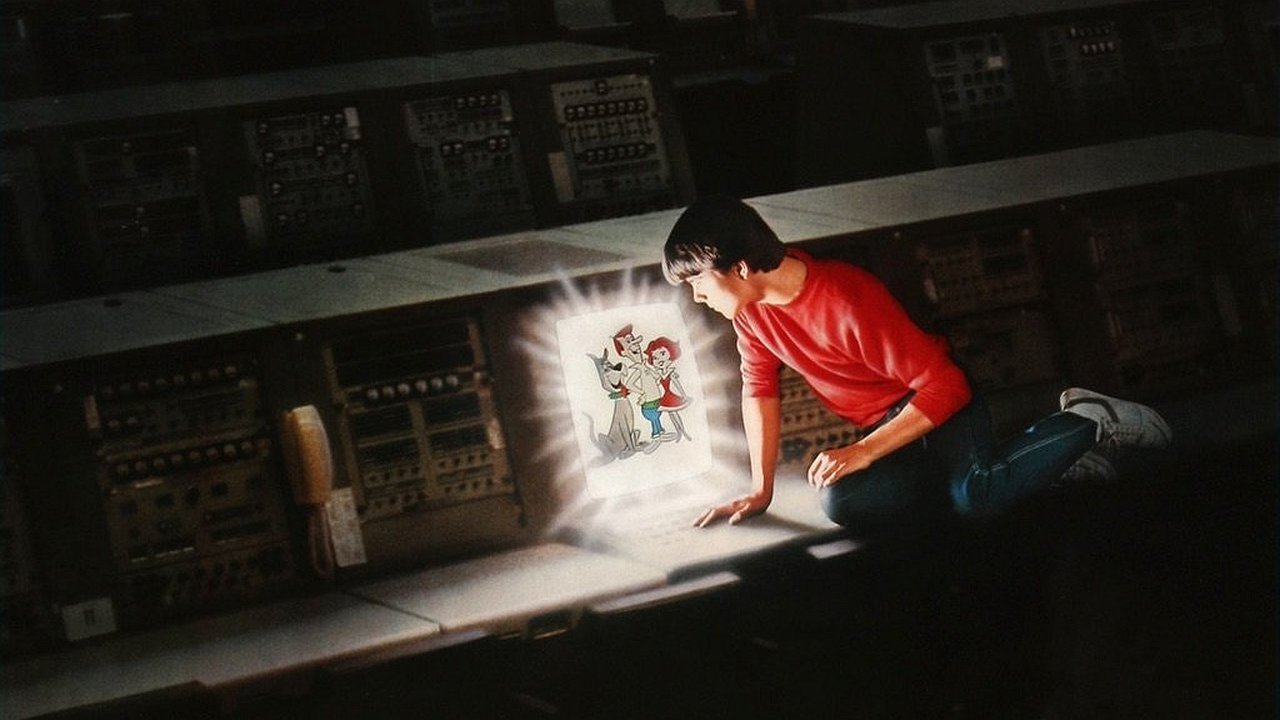
While D.A.R.Y.L. leans more on character and emotion than spectacle, it certainly delivers some memorable 80s moments. The scene where Daryl uses his lightning-fast reflexes to hit an impossible number of home runs is pure playground fantasy fuel. And who could forget the sequence where he "hacks" an ATM using his knowledge of computer systems? It seemed impossibly cool and futuristic back then, a glimpse into the burgeoning digital age viewed through a warm, analog lens.

The film's climax, however, is where the adventure truly kicks in. Daryl's escape culminates in one of the most genuinely awesome moments of 80s kid-centric cinema: stealing and piloting the legendary SR-71 Blackbird reconnaissance plane. Seeing that sleek, impossibly fast aircraft on screen was breathtaking. Retro Fun Fact: Securing the use of a real SR-71 Blackbird from the U.S. Air Force was a significant coup for the production, adding immense visual impact, though the actual flight sequences cleverly combined models and aerial shots. It was a bold, almost fantastical sequence that perfectly captured the blend of grounded family story and high-concept sci-fi the film aimed for. Despite its moderate budget (around $12 million), moments like these gave the film a sense of scale. It's interesting to note that while D.A.R.Y.L. wasn't a massive box office smash on release (grossing under $8 million domestically), its life on VHS and television cemented its place in the memories of many 80s kids.
More Than Just Programming?
What makes D.A.R.Y.L. endure, beyond the cool factor of a kid flying a spy plane, is its heart. The central relationship between Daryl and his adoptive parents feels genuine. Mary Beth Hurt and Michael McKean portray Joyce and Andy Richardson not as caricatures, but as kind, decent people grappling with an extraordinary situation. Their growing affection for Daryl, and his gradual reciprocation, forms the emotional core. Barret Oliver carries the film admirably, conveying Daryl's internal conflict – the logic of his programming warring with the nascent feelings fostered by human connection. It’s a surprisingly nuanced performance for a young actor in a genre film. The film doesn't shy away entirely from the potential darkness of Daryl's situation – the coldness of his creators, the threat of being deactivated – which gives the eventual emotional payoffs more weight.
It's not perfect; the pacing can feel a little leisurely by modern standards, and some plot elements might seem predictable now. But viewed through the lens of nostalgia, these are minor quibbles. D.A.R.Y.L. captured a specific feeling – a blend of suburban comfort, technological wonder, and heartfelt emotion that resonated with audiences looking for something more thoughtful than explosive action. It treated its young protagonist, and its audience, with respect.
***
VHS Heaven Rating: 7/10
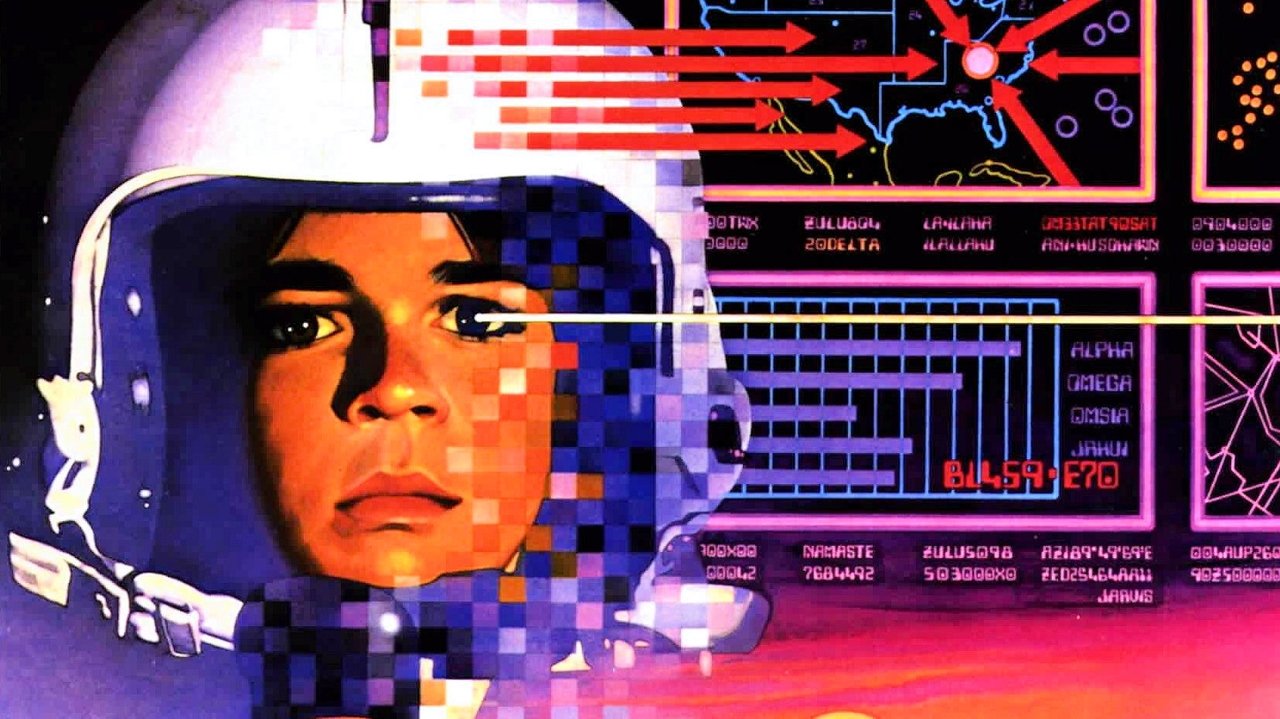
D.A.R.Y.L. earns a solid 7 for its genuine heart, Barret Oliver's compelling lead performance, and those truly memorable moments of 80s wish-fulfillment (that Blackbird!). While perhaps not as iconic as some contemporaries, its blend of family drama and gentle sci-fi holds up surprisingly well, carried by strong emotional beats and a core concept that still sparks curiosity. It might move a bit slower than today's fare, but its warmth and the thrilling climax more than justify revisiting this charming VHS-era gem.
It’s a film that reminds us that sometimes, the most extraordinary adventures begin not with a bang, but with a quiet arrival and the discovery of what it truly means to be human, even if you started as something else entirely.