Okay, pull up a comfy chair, maybe grab a soda like we used to back at the rental counter. Let's talk about a film that feels uniquely of its time, yet hinges on a star whose appeal is timeless: 1984's Tank. What strikes me most, rewatching it now after all these years, isn't just the outlandish premise – though we'll certainly get to that – but how perfectly it embodies the quiet, determined strength of its leading man, James Garner. And here’s a piece of trivia that beautifully illuminates the whole film: the Sherman M4A3E8 tank featured so prominently? It wasn't just a prop; it was Garner's own, lovingly restored machine. Knowing that adds a whole layer of authenticity to a story that could easily have veered into pure silliness.
### A Father's Fury, Measured in Tons
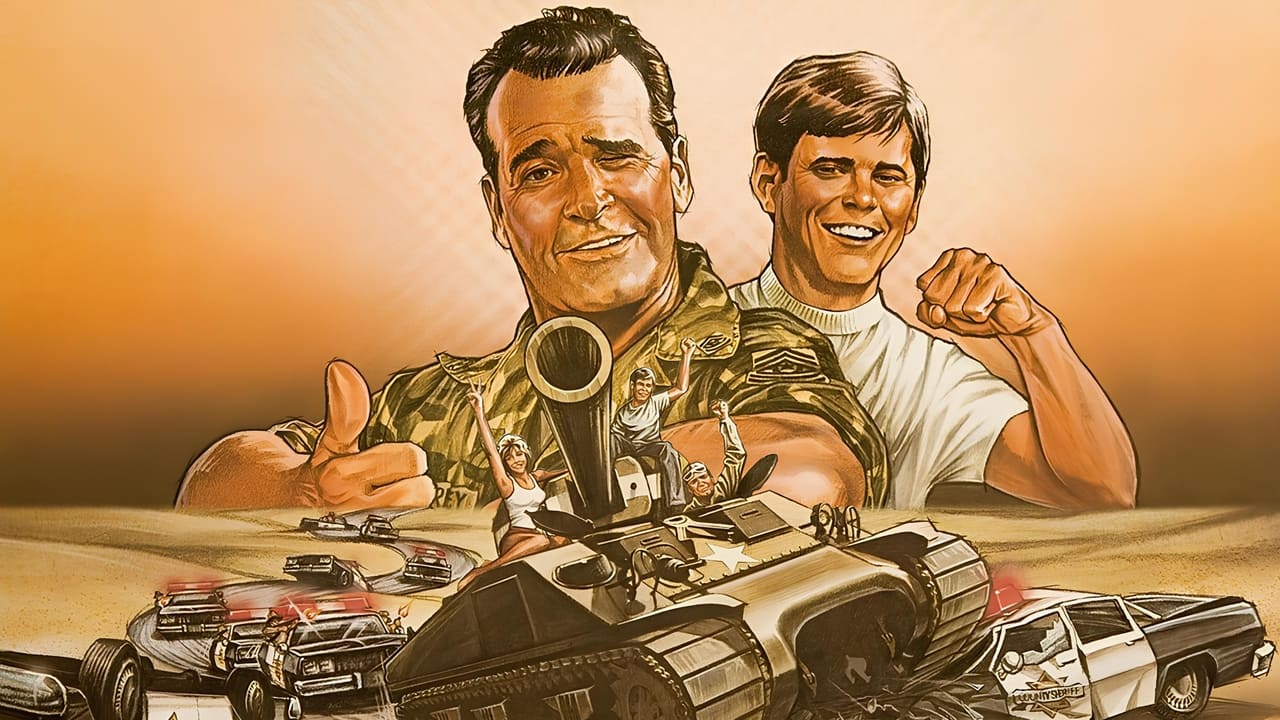
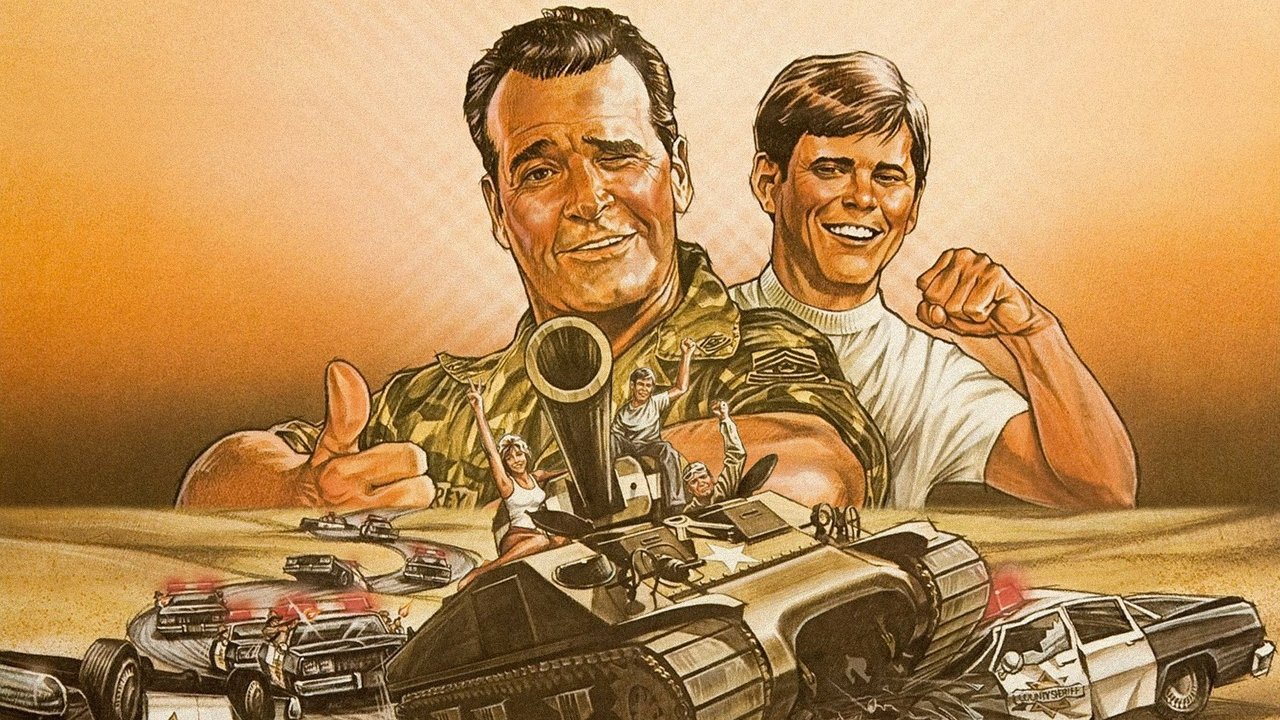
The setup is classic B-movie gold, the kind of thing you'd pick up based on the cover art alone at Blockbuster. Command Sergeant Major Zack Carey (James Garner) is nearing retirement at a Georgia army base. He's a stand-up guy, the epitome of military integrity, looking forward to settling down with his wife, LaDonna (Shirley Jones, bringing warmth and resilience). His teenage son, Billy (C. Thomas Howell, fresh off The Outsiders and embodying youthful earnestness), runs afoul of the cartoonishly corrupt local Sheriff, Buelton (G. D. Spradlin, deliciously slimy). When Billy is framed and thrown into a brutal prison farm, facing trumped-up charges and Buelton's sadistic wrath, Zack finds the system utterly rigged against him. Appeals to authority fail. Legal channels are blocked. What's a career soldier with a strong sense of justice and, conveniently, a privately-owned World War II tank parked in his backyard, supposed to do?
It's this moment, the decision to literally roll out the heavy artillery against small-town corruption, that defines Tank. There's an undeniable satisfaction, a primal cheer, when that Sherman engine rumbles to life. It taps into that fantasy of overwhelming force against petty tyranny. We've all felt powerless against bureaucracy or injustice at some point, haven't we? Tank just gives that feeling treads and a 75mm cannon.
### Garner: Driving the Narrative (and the Tank)
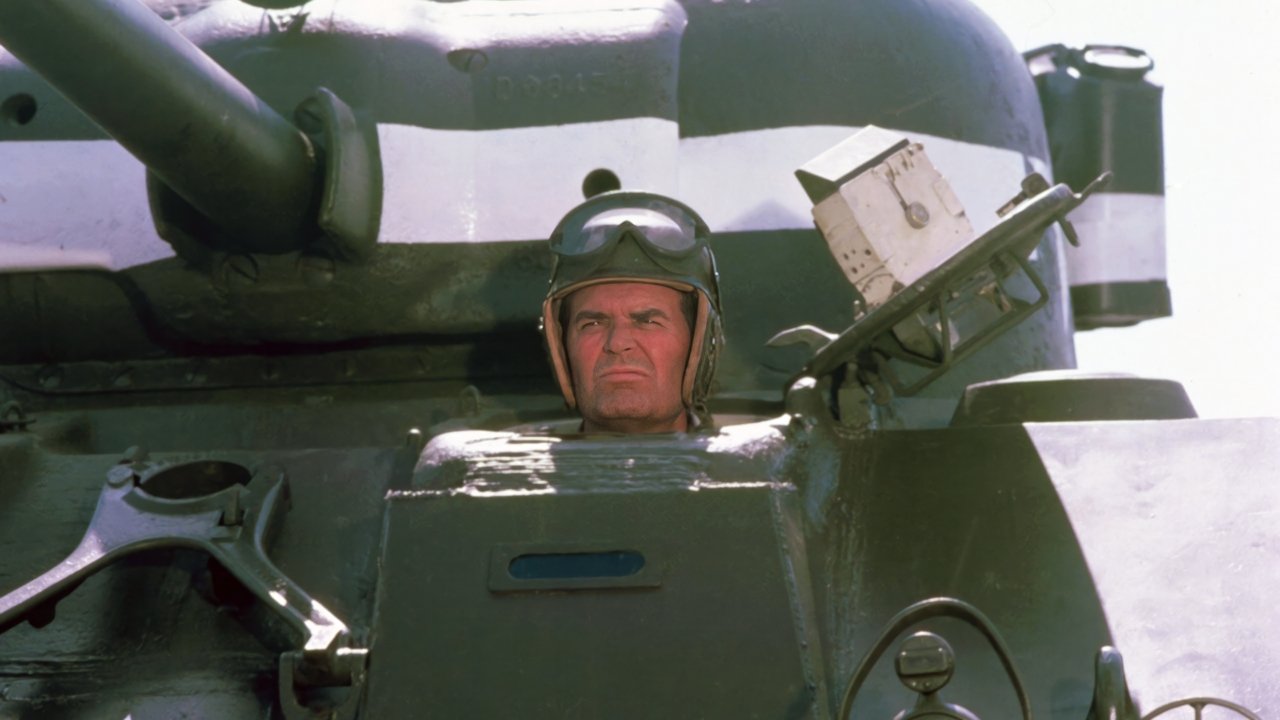
The film absolutely hinges on James Garner. Without his inherent decency and understated charisma, Zack Carey could have become a vigilante caricature. But Garner, drawing perhaps on his own Korean War experiences (where he earned two Purple Hearts), imbues Zack with a weary resolve. He’s not a hothead; he’s a measured professional pushed beyond his limits. You believe him when he tries the proper channels first. You feel his frustration mounting. And crucially, you believe his proficiency with the titular vehicle – because, well, it was his tank, and reports confirm he did a significant amount of the driving himself. This isn't just acting; it’s a man comfortable in his element, both as a performer and, apparently, as a tank commander.
His interactions with C. Thomas Howell feel genuine, capturing a believable father-son dynamic amidst the escalating chaos. Shirley Jones, though somewhat sidelined by the plot mechanics, provides the necessary emotional anchor. But the real sparks fly between Garner and G. D. Spradlin, whose Sheriff Buelton is a distillation of every power-tripping small-town despot imaginable. Their conflict feels personal, grounded, even when one party is communicating via tank turret.
### Rolling Through 80s Sensibilities
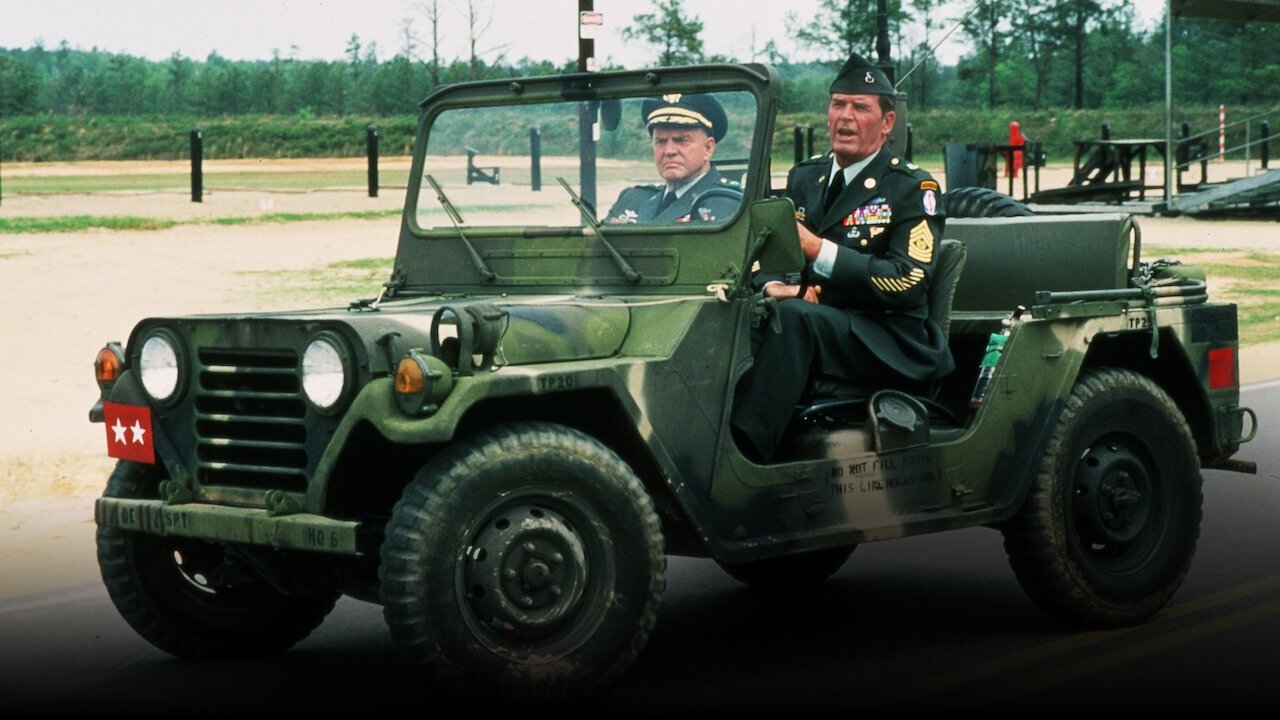
Directed by Marvin J. Chomsky, whose background was primarily in prestigious television miniseries like Roots (1977) and Holocaust (1978), Tank sometimes exhibits a straightforward, slightly less cinematic style than its big-screen action contemporaries. The action sequences involving the tank are impressive in their practicality – this was filmed largely on location at Fort Benning and in nearby Climax, Georgia, adding a layer of sun-baked realism – but they aren't overly flashy or destructive in the way later action films would become. There's a focus on the implication of the tank's power, its unstoppable presence plowing through roadblocks and confronting inept deputies, rather than elaborate pyrotechnics.
The film carries an earnestness typical of the mid-80s. It presents a clear moral dichotomy: the honorable military man versus the corrupt civilian authority. It doesn't delve too deeply into moral complexities; Buelton is bad, Zack is good, and the tank is the equalizer. Some might find this simplistic today, but there’s a certain comfort in its straightforward narrative, a feeling that, sometimes, righteous indignation can win the day, especially if you have superior firepower. It’s almost a modern Western, swapping the lone rider and his Colt Peacemaker for a Command Sergeant Major and his Sherman.
### Behind the Tread Marks
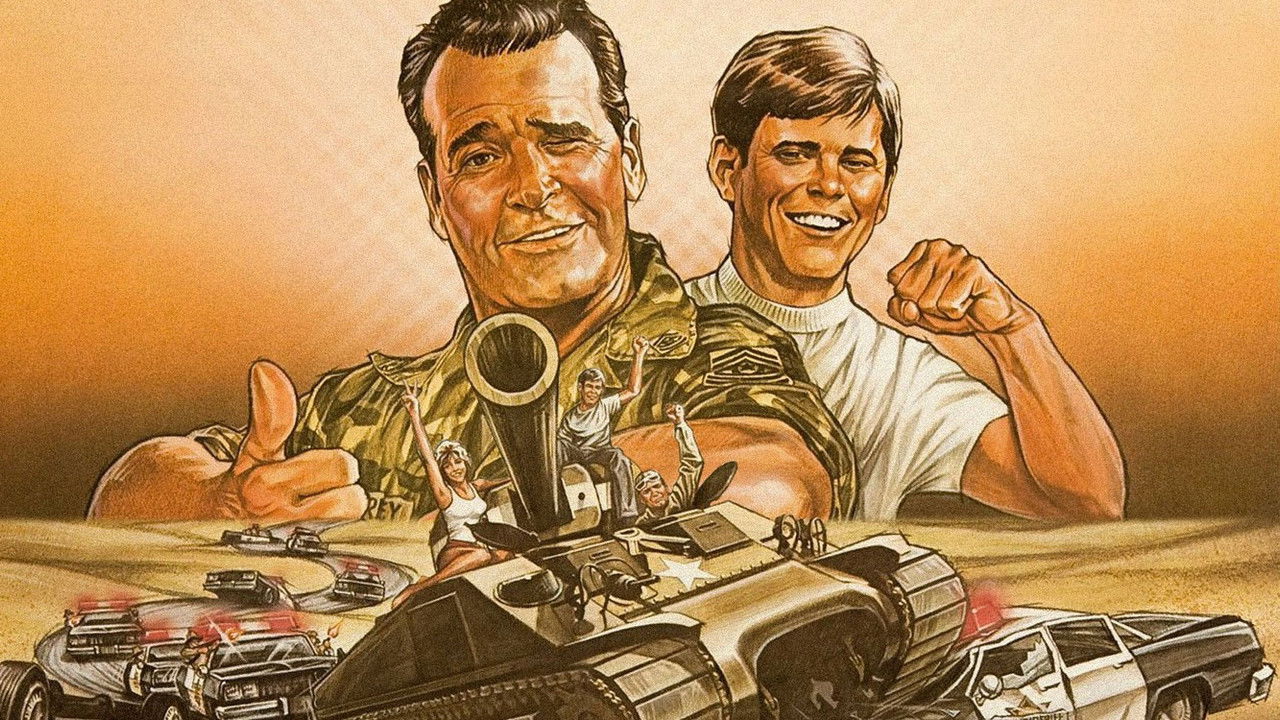
Beyond Garner's personal ownership and operation of the tank, the production itself holds some interest. Made for roughly $11 million, it grossed around $14 million domestically – not a blockbuster, but likely a solid performer on the burgeoning home video market where its high-concept premise and familiar star would have made it a popular rental. I certainly remember seeing that distinctive VHS box art frequently. The story goes that writer Dan Gordon (who would later pen films like Wyatt Earp (1994)) conceived the idea after hearing about a conflict between soldiers and local authorities near a military base. It taps into that sometimes uneasy relationship between military installations and their neighboring civilian communities. While not a deep exploration, it provides the necessary friction for the plot.
### Legacy on the Shelf
Does Tank hold up? As a piece of intricate filmmaking, perhaps not entirely. Its plot follows a fairly predictable path, and its characterizations outside of Garner are functional rather than deeply nuanced. But as a vehicle (pun intended) for James Garner to do what he did best – embody integrity, quiet strength, and a touch of wry humor under pressure – it absolutely succeeds. It’s a film built on a fantastic, almost mythic premise, executed with sincerity. It’s the kind of movie that likely played endlessly on cable channels and became a comforting favorite for many who grew up browsing those video store aisles. It asks, perhaps not subtly, how far one man should go when the system fails, and provides a thunderously satisfying, if improbable, answer.
Rating: 7/10
This score reflects the undeniable star power and perfect casting of James Garner, the sheer B-movie joy of the central premise, and its execution with earnest conviction. While it might lack the polish or depth of true classics, its straightforward narrative, practical action, and Garner's authentic connection to his metal co-star make it a genuinely enjoyable slice of 80s Americana. It earns its spot on the VHS shelf through sheer, unpretentious likability.
Final Thought: Watching Tank today feels like finding a well-worn, comfortable denim jacket in the back of the closet – maybe not high fashion, but reliable, sturdy, and carrying the unmistakable imprint of a true American icon.