Alright, settle in, grab your beverage of choice, and let's rewind the tape back to 1995. Forget hunting through dusty shelves for this one – if you were anywhere near a video store with an "International" section (or lucky enough to have a local connection), you might have stumbled upon a phenomenon. I'm talking about Baasha, the Tamil powerhouse that didn't just entertain; it detonated across screens and VCRs, cementing Rajinikanth not just as a star, but as the Superstar for a generation. Finding this tape felt like unearthing smuggled treasure, crackling with an energy that Hollywood action often missed.
### The Quiet Storm
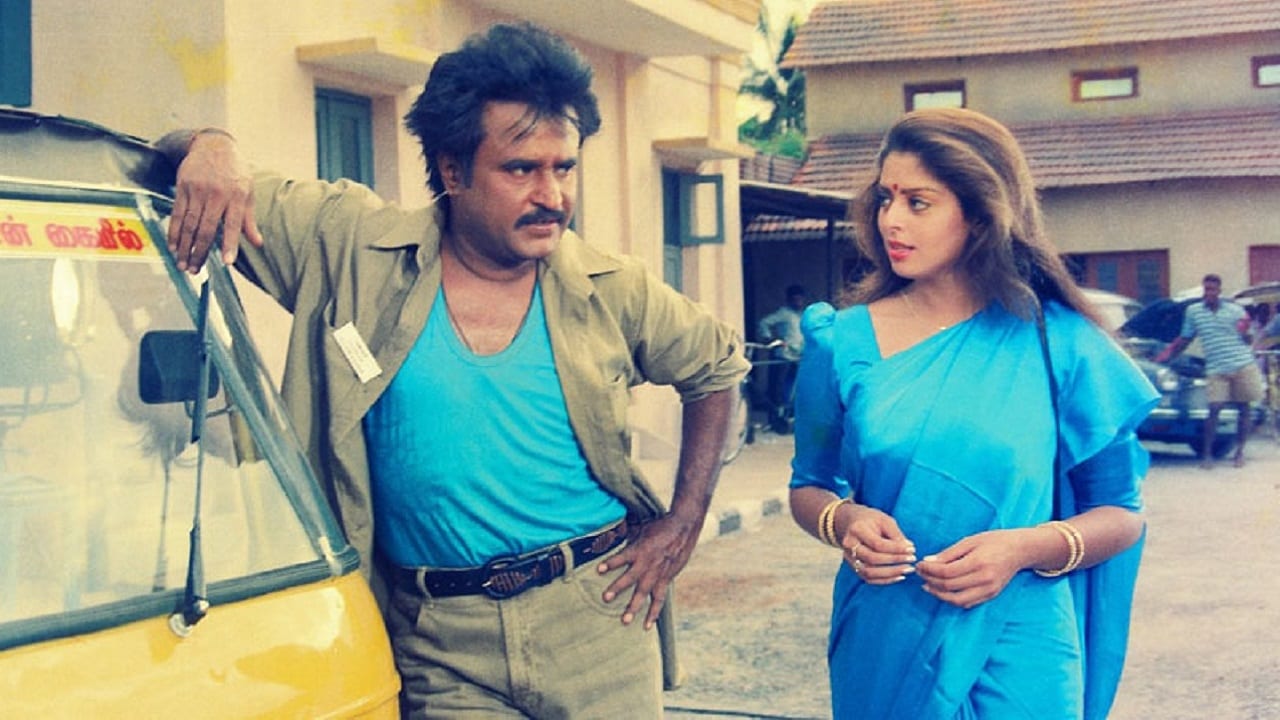
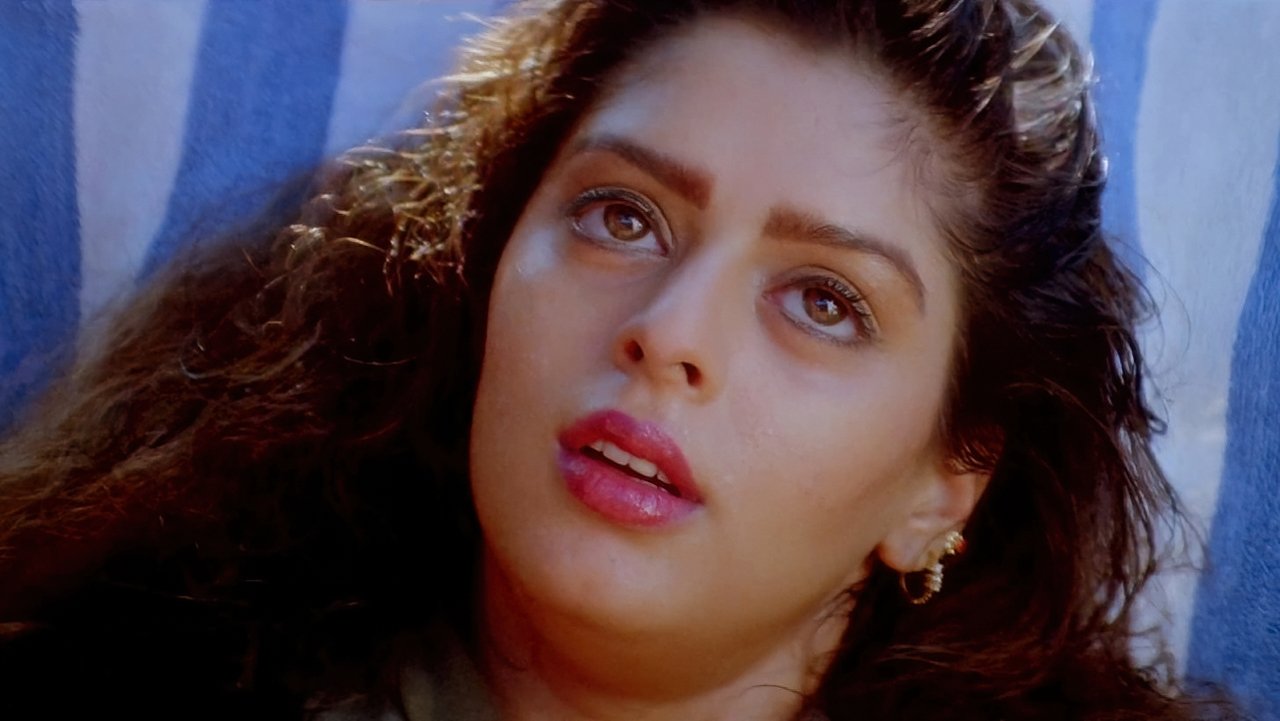
The film kicks off by introducing us to Manickam (Rajinikanth), a seemingly mild-mannered auto-rickshaw driver in Madras (now Chennai). He's humble, helpful, avoids conflict, and dotes on his family. He catches the eye of Priya (Nagma), the daughter of a wealthy businessman, charmed by his inherent goodness despite his simple life. It’s a classic setup, almost deceptively gentle. You watch Manickam patiently dealing with everyday struggles, diffusing minor conflicts, and you know there's something more simmering beneath the surface. Rajinikanth, even in these early scenes, commands the screen with an effortless charisma, making Manickam instantly likable, but with a hint of coiled intensity just visible in his eyes.
### "Naan Oru Thadava Sonna..."
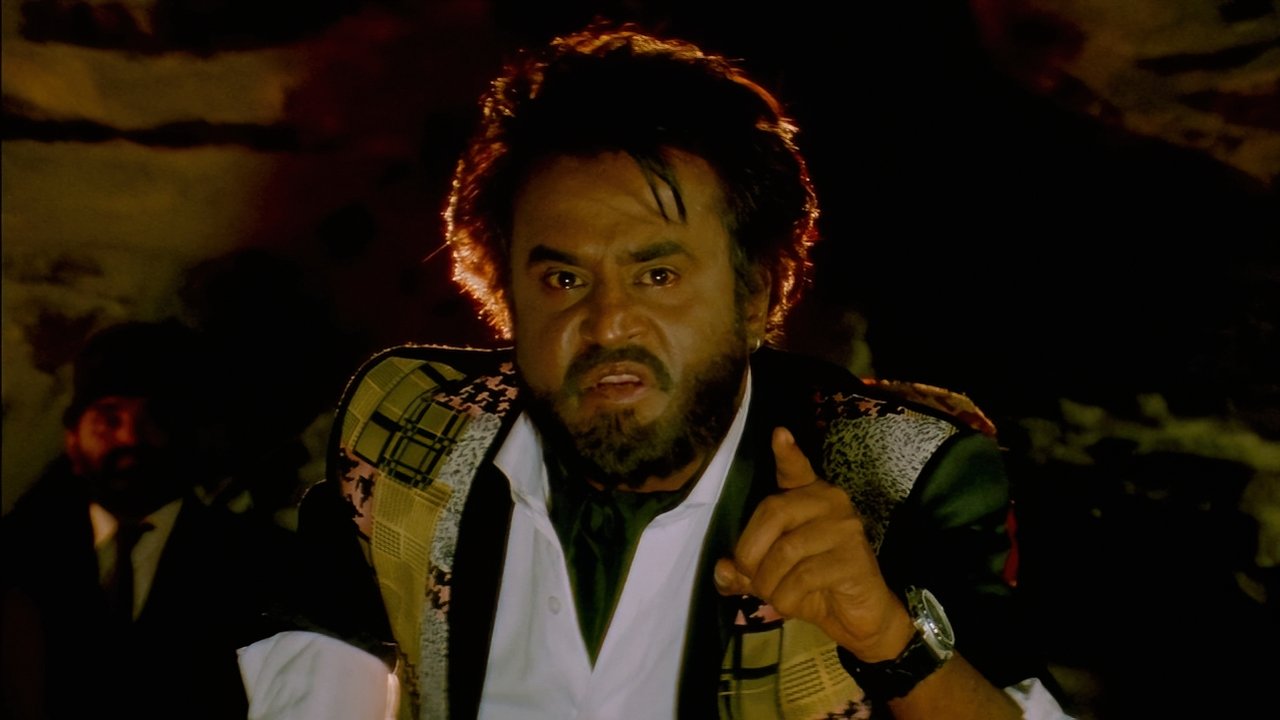
And then, it happens. Pushed too far by local thugs threatening his family, the mild façade shatters. The transformation isn't just a plot point; it's an event. The reveal of Manickam's past life as Baasha, a feared and respected Mumbai underworld don, is pure cinematic electricity. Remember that feeling when a movie suddenly kicks into high gear? Baasha delivers that jolt tenfold. Director Suresh Krissna, who had previously worked with Rajinikanth on the hit Annamalai (1992), clearly understood how to build anticipation and deliver a payoff that had audiences erupting. The iconic line, "Naan oru thadava sonna, nooru thadava sonna mathiri!" ("If I say something once, it's as if I've said it a hundred times!"), wasn't just dialogue; it became a cultural catchphrase, delivered with that trademark Rajini swagger.
This structural reveal, flashing back to Baasha's reign in Bombay, is where the film truly earns its action stripes. It’s a structure reportedly inspired by the Hindi film Hum (1991), starring Amitabh Bachchan, but Suresh Krissna and writer Balakumaran tailor it perfectly to Rajinikanth's larger-than-life persona, amplifying the "secret past" trope into something mythic.
### The Unforgettable Villain
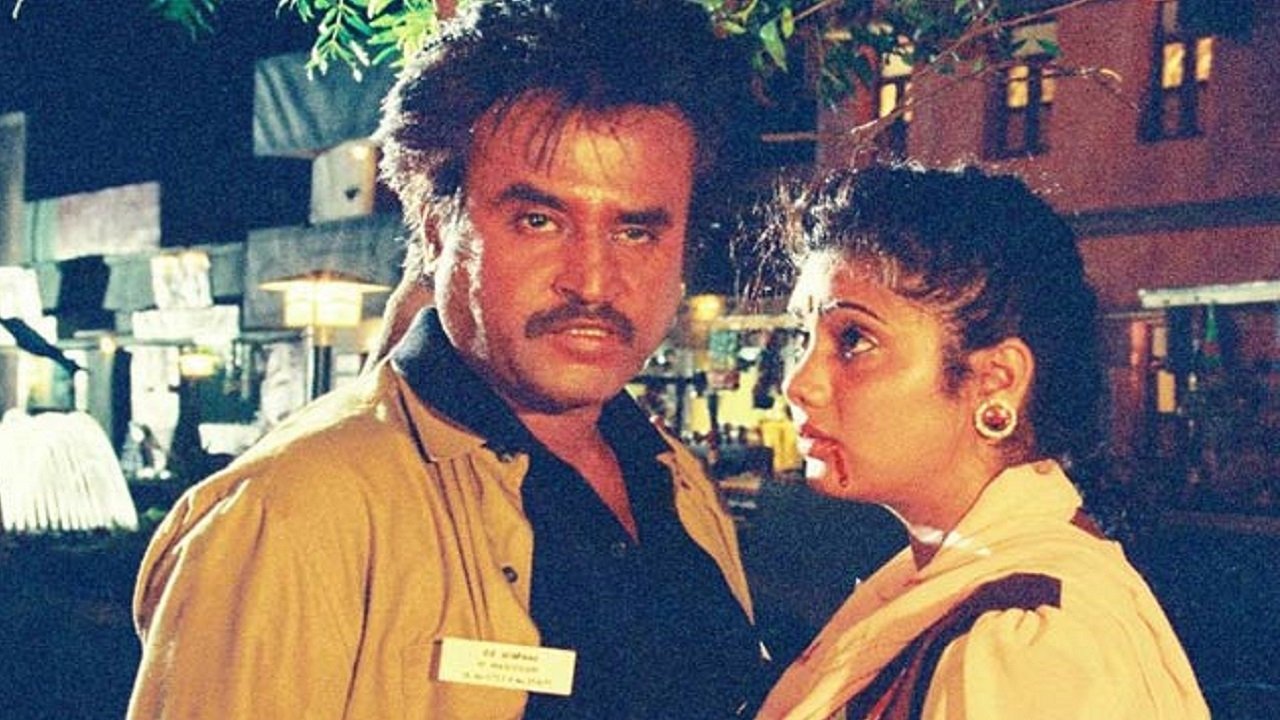
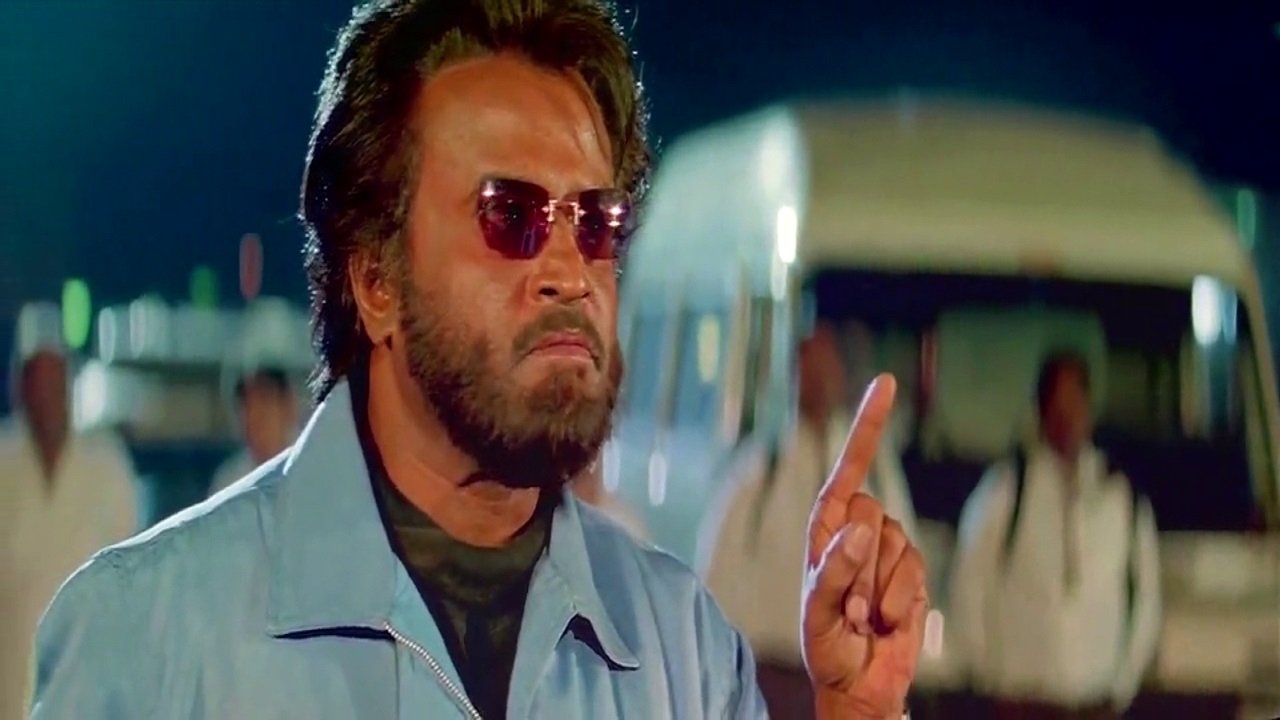
What's a hero without a formidable villain? Enter Mark Antony, played with chilling menace by the late, great Raghuvaran. Antony isn't just a generic bad guy; he's charismatic, cruel, and utterly ruthless, providing the perfect counterpoint to Baasha's sense of justice (even if it's vigilante justice). Raghuvaran delivers a performance that became legendary in Tamil cinema, his calm demeanor making his brutality even more shocking. The confrontations between Baasha and Antony are highlights, crackling with tension and fueled by stellar performances. Their dynamic elevates the film beyond simple action into a compelling clash of personalities. Retro Fun Fact: Raghuvaran's portrayal was so impactful that it set a new benchmark for villains in Tamil cinema for years to come.
### 90s Action with Style
Let's talk action. Compared to today's hyper-edited, CGI-heavy sequences, Baasha's action feels refreshingly grounded, yet simultaneously larger-than-life. It's less about intricate realism and more about impact and style. The fight choreography emphasizes Rajinikanth's unique screen presence – those signature walks, the way he flips a cigarette (reportedly insured!), the sheer force of his punches. It’s stylized, yes, but the hits feel heavy, the stakes feel real within the film's universe. You see stunt performers taking falls, practical effects selling the chaos. It possesses that raw, unpolished energy that defined so much 90s action filmmaking, where charisma and physical presence often mattered more than seamless digital trickery. Wasn't there something satisfying about seeing those fights unfold with that raw energy, before quick cuts took over?
The film's score by Deva is another crucial element, instantly recognizable and perfectly complementing the action and drama. The "Baasha Paaru" theme song is pure adrenaline, embedding itself in your brain long after the credits roll.
### The Phenomenon
It's hard to overstate Baasha's impact back in the day. It wasn't just a movie; it was a cultural event in South India. Retro Fun Fact: The film ran for over 365 days in some theaters, a testament to its unprecedented popularity, smashing box office records with collections reportedly exceeding its budget many times over (precise figures are debated, but its success was colossal). It became a blueprint for countless "masala" films that followed, mixing action, drama, romance, and comedy, all revolving around a charismatic lead with a hidden past. It cemented Rajinikanth's status, turning him into an almost demigod-like figure for his fans.
***
Rating: 9/10
Why a 9? Baasha is the quintessential 90s Indian action entertainer, executed with explosive style and anchored by career-defining performances from Rajinikanth and Raghuvaran. It masters the slow burn reveal, delivers unforgettable dialogue, and boasts action sequences driven by pure star power. While some elements might feel dated by today's standards (the pacing in the first half, some melodrama), its energy, cultural impact, and sheer entertainment value are undeniable. It perfectly captures the feeling of discovering a powerhouse film on VHS – raw, exciting, and utterly captivating.
Final Word: Forget subtlety; Baasha hits you with the force of a speeding auto-rickshaw driven by a legend, a glorious reminder of when action heroes had style to burn and one iconic line could echo for decades. Still electrifying.