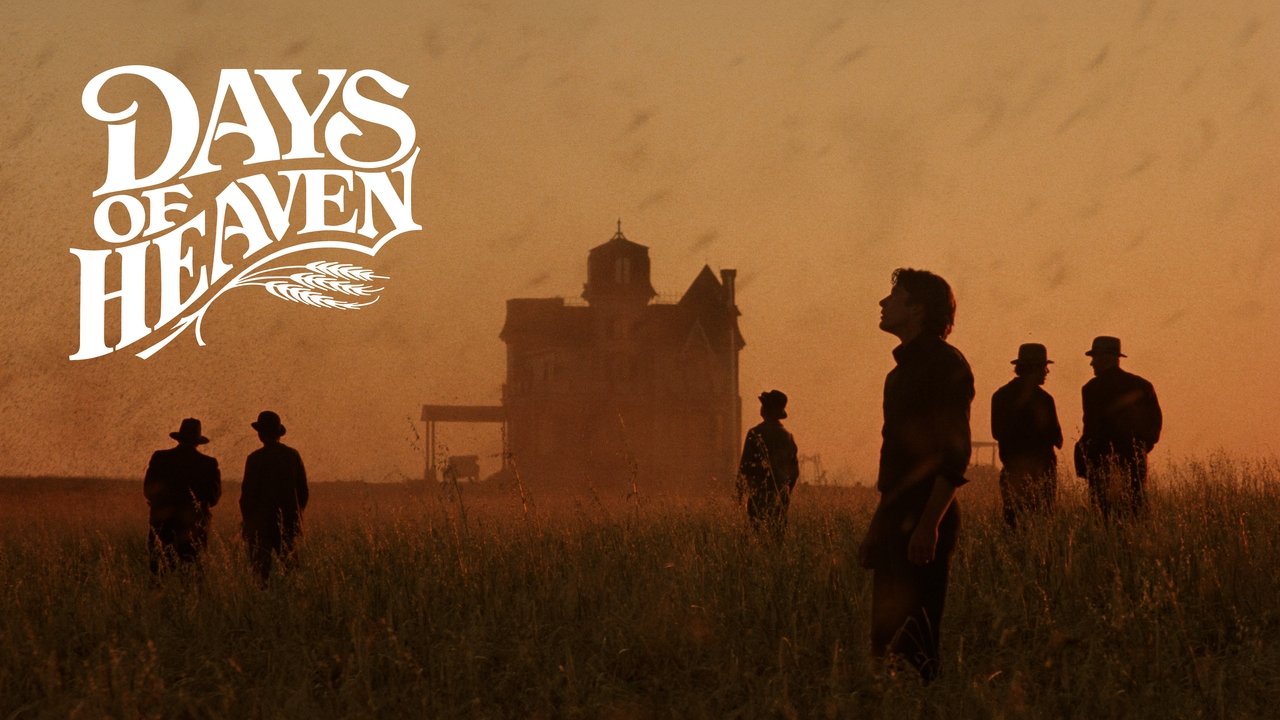
Okay, fellow travelers down the magnetic tape memory lane, let's deviate just slightly from our usual 80s/90s stomping grounds today. We're rewinding a touch further, back to 1978, but trust me, this one belongs in the "VHS Heaven" pantheon. Its ethereal glow likely emanated from countless video store shelves throughout the decade that followed, a quiet enigma amidst the louder action and comedy tapes. I'm talking about Terrence Malick's breathtakingly beautiful, hauntingly tragic Days of Heaven.
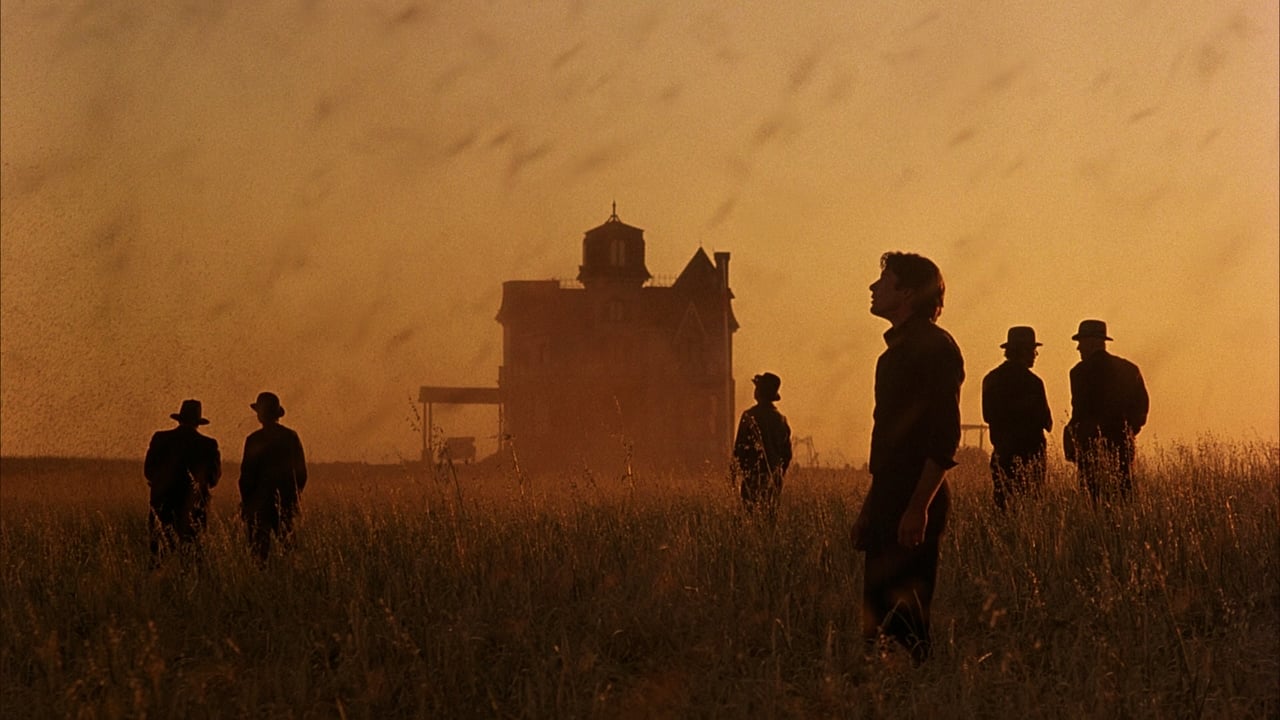
Finding this gem nestled between, say, Commando and Ferris Bueller's Day Off back in the day must have felt like discovering a hidden frequency. It doesn't shout; it whispers. It doesn't rely on rapid cuts or explosive set pieces; it invites you to linger in sun-drenched fields under impossibly vast skies. What stays with you isn't necessarily a complex plot, but a feeling – a profound sense of transient beauty and inevitable sorrow, captured like lightning in a bottle.
Fields of Gold, Shadows of Doubt
The story itself feels almost biblical in its simplicity. Bill (Richard Gere, in one of his earliest, most magnetic roles, years before An Officer and a Gentleman defined a different kind of screen presence), his lover Abby (Brooke Adams), and his young sister Linda (Linda Manz) flee Chicago after a fatal incident. Posing as siblings, they find work harvesting wheat on the sprawling Texas Panhandle farm of a wealthy, ailing farmer (Sam Shepard, the celebrated playwright bringing his quiet intensity to the screen). Seeing a chance for a better life, Bill convinces Abby to accept the farmer's proposal of marriage, believing his illness means their wait for inheritance won't be long. Of course, human hearts and desires rarely follow such neat plans.
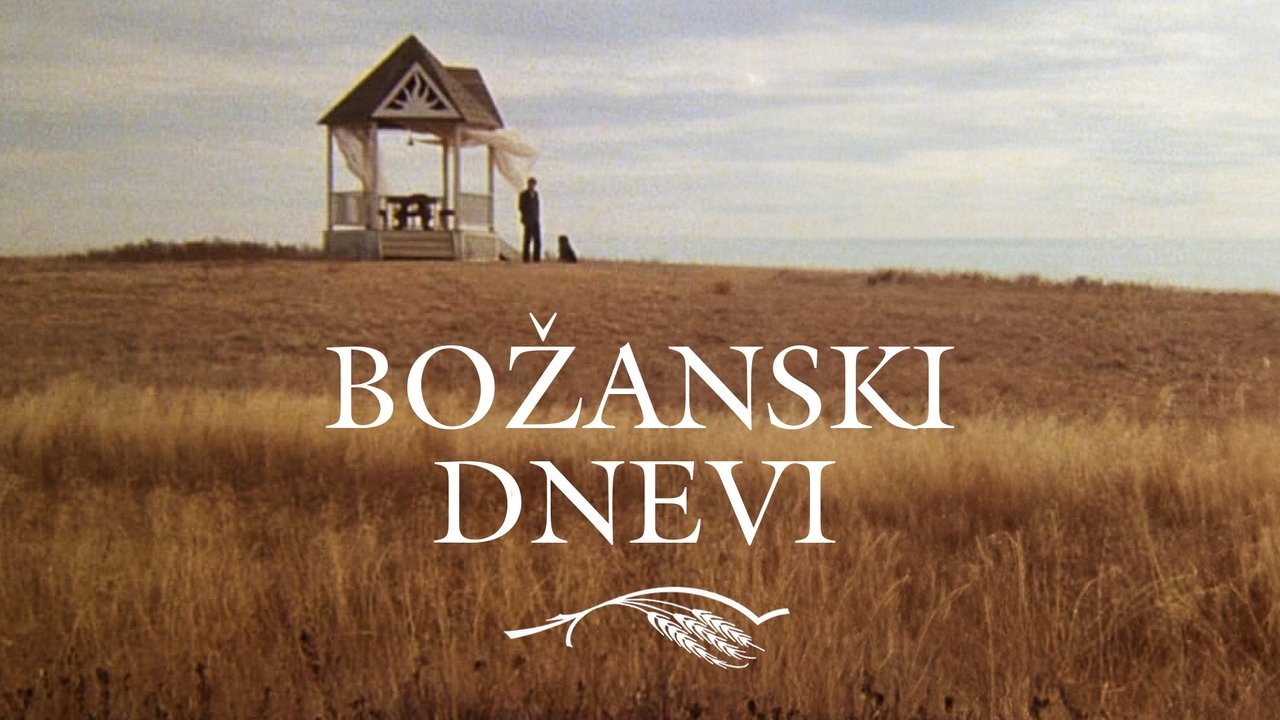
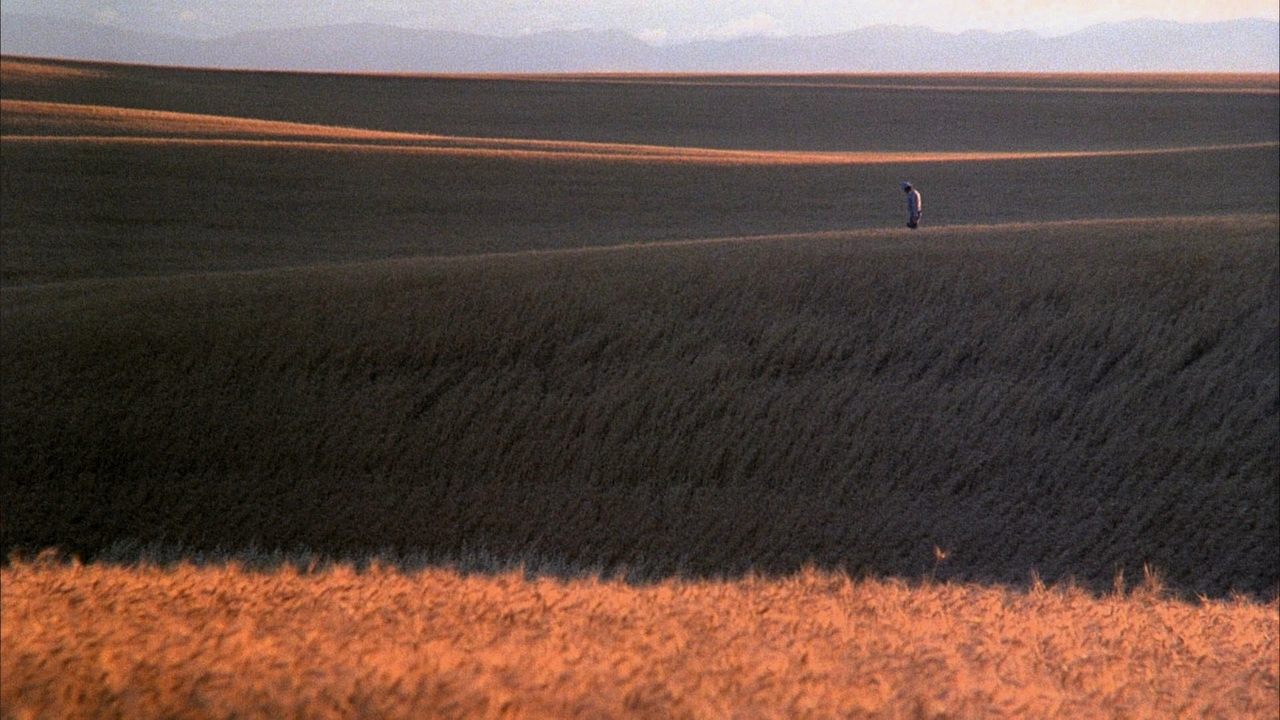
What unfolds isn't just a love triangle, but a meditation on nature, human fallibility, and the fleeting moments of grace – the "days of heaven" – that punctuate lives often marked by hardship. The landscape itself becomes a character, vast and indifferent, witnessing the small dramas of these figures dwarfed by its scale.
Whispers on the Wind: Crafting Atmosphere
If ever a film felt painted rather than merely shot, it's this one. The legendary cinematography, primarily by Néstor Almendros (with Haskell Wexler stepping in when Almendros had prior commitments), is the stuff of legend. Much of the film was famously shot during the "magic hour," those brief, golden periods just after sunrise and before sunset. This wasn't just an aesthetic choice; it permeates the film with an otherworldly light, lending a dreamlike quality to even the most mundane activities. Remember seeing those stunning, painterly shots even on a fuzzy CRT? They had a power that transcended the limitations of the format.
This visual poetry is complemented by Ennio Morricone's evocative score and, perhaps most uniquely, the narration provided by the young Linda Manz. Her voice, untrained, authentic, full of streetwise observation filtered through childlike wonder, offers a perspective that’s both naive and strangely profound. Apparently, much of her narration was improvised during the lengthy, famously meticulous editing process Malick undertook (he reportedly spent two years editing), drawing from her reactions to the footage. It's an unconventional choice that adds immeasurably to the film's unique texture. It feels less like exposition and more like fragmented memories, catching snippets of truth on the wind.
Performances Forged in Sunlight and Silence
The acting feels grounded and naturalistic, often relying on glances and gestures rather than extensive dialogue. Richard Gere projects a restless, simmering ambition beneath his charm. Brooke Adams conveys Abby's complex mix of affection, opportunism, and weary resignation with subtle grace. And Sam Shepard, embodying the lonely, decent farmer, brings a quiet dignity and pathos that makes his character deeply sympathetic, despite the central deception. His performance is a masterclass in understated emotion. We feel his isolation, his yearning for connection, making the inevitable heartbreak all the more palpable.
Does the sparse narrative sometimes feel elusive? Perhaps. Malick is less interested in intricate plotting than in capturing moments, moods, and the overwhelming power of the natural world. It asks the viewer to surrender to its rhythm, to absorb the imagery and let the emotions wash over them. It forces us to consider: how much of our lives are dictated by forces beyond our control, like the changing seasons or the whims of fate?
A Legacy Burned onto Film
Days of Heaven wasn't a massive box office hit upon release, but its influence has been immense, particularly on cinematography. Its painterly visuals and reliance on natural light set a standard and inspired countless filmmakers. For Terrence Malick, it marked the beginning of a near 20-year hiatus from directing, adding to the film's mystique. It became this near-mythical work from a vanished auteur, rediscovered and revered by new generations of cinephiles, often through those very VHS tapes we remember.
It remains a film that rewards patience and contemplation. It’s a visual feast, certainly, but also a deeply felt exploration of love, loss, and the fragile beauty of existence. It might not have been the tape you reached for every Friday night, but encountering it felt like unearthing something special, something timeless.

Rating: 9.5/10
Justification: While its deliberate pacing and minimalist narrative might not connect with every viewer seeking straightforward storytelling, Days of Heaven is an undeniable masterpiece of visual poetry and atmospheric filmmaking. The breathtaking cinematography, the evocative performances, and the unique narrative voice create an unforgettable, immersive experience. Its influence on cinema is undeniable, and its power to evoke beauty and melancholy remains undimmed. It’s a near-perfect execution of a singular artistic vision.
Final Thought: What lingers long after the screen fades to black isn't just the stunning imagery, but the echo of Linda's voice and the weight of choices made under that vast, indifferent sky – a reminder of how small we are, yet how fiercely we strive for our own brief days of heaven.