It begins not with explosions or gunfire, but with the quiet hum of bureaucracy grinding against the immense, unquantifiable weight of loss. Two years after the Armistice that silenced the cannons of the Great War, France remains a nation haunted, scarred not just physically across its landscapes but deep within its collective soul. This is the unsettling, poignant terrain of Bertrand Tavernier's 1989 masterpiece, Life and Nothing But (La Vie et rien d'autre), a film that arrived on video store shelves offering something profoundly different from the usual late-80s fare. It doesn't depict the fighting; it delves into the harrowing, meticulous, and deeply human task of counting, identifying, and honouring the dead – and the missing.
The Ledger of Loss
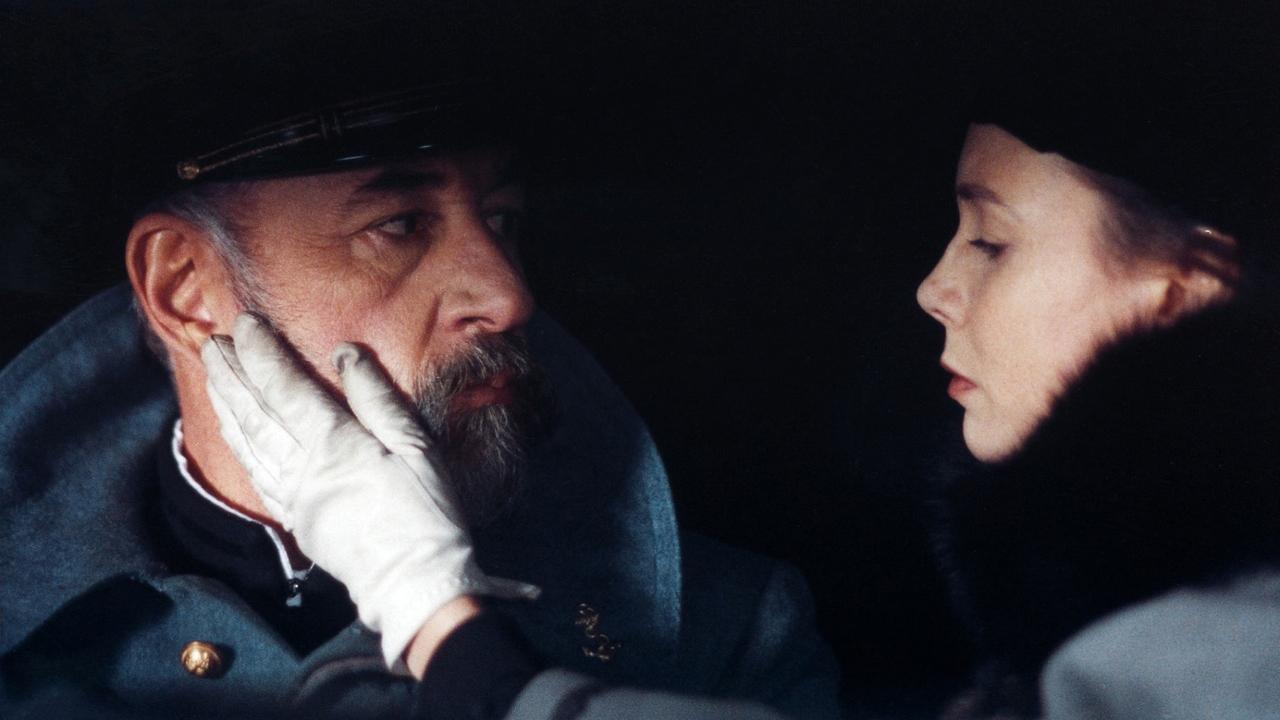
At the film's heart stands Major Dellaplane, played with magnificent, world-weary gravitas by the great Philippe Noiret (whose face many will recognise from Cinema Paradiso, released just the year before). Dellaplane is a man tasked with an almost impossible duty: overseeing the identification of hundreds of thousands of soldiers lost in the charnel house of the Western Front. He navigates a landscape littered with skeletal remains, fragmented memories, and the desperate hopes of relatives clinging to any sliver of information. Noiret embodies Dellaplane not as a hero, but as a profoundly decent man worn down by the sheer scale of death, yet fiercely committed to granting each fallen soldier, known or unknown, a measure of dignity. His performance is a masterclass in controlled emotion; the fatigue is etched onto his face, the cynicism tempered by an unyielding sense of purpose. You see the war not in flashbacks, but in the permanent shadow it casts upon his eyes.
Into Dellaplane's orbit come two women searching for their own lost connections. Irène de Courtil (Sabine Azéma, a frequent Tavernier collaborator), a sophisticated Parisian aristocrat, seeks her missing husband, navigating the chaos with a steely resolve that barely conceals her vulnerability. Alice (Pascale Vignal) is a younger, more provincial woman searching for her fiancé, representing a different strata of society united by the same gnawing uncertainty. The interactions between these three characters, set against the backdrop of official indifference and the bureaucratic machinations surrounding the selection of France's Unknown Soldier, form the film's emotional core. Their intertwined searches become a microcosm of a nation grappling with grief on an unprecedented scale.
Beyond the Battlefield
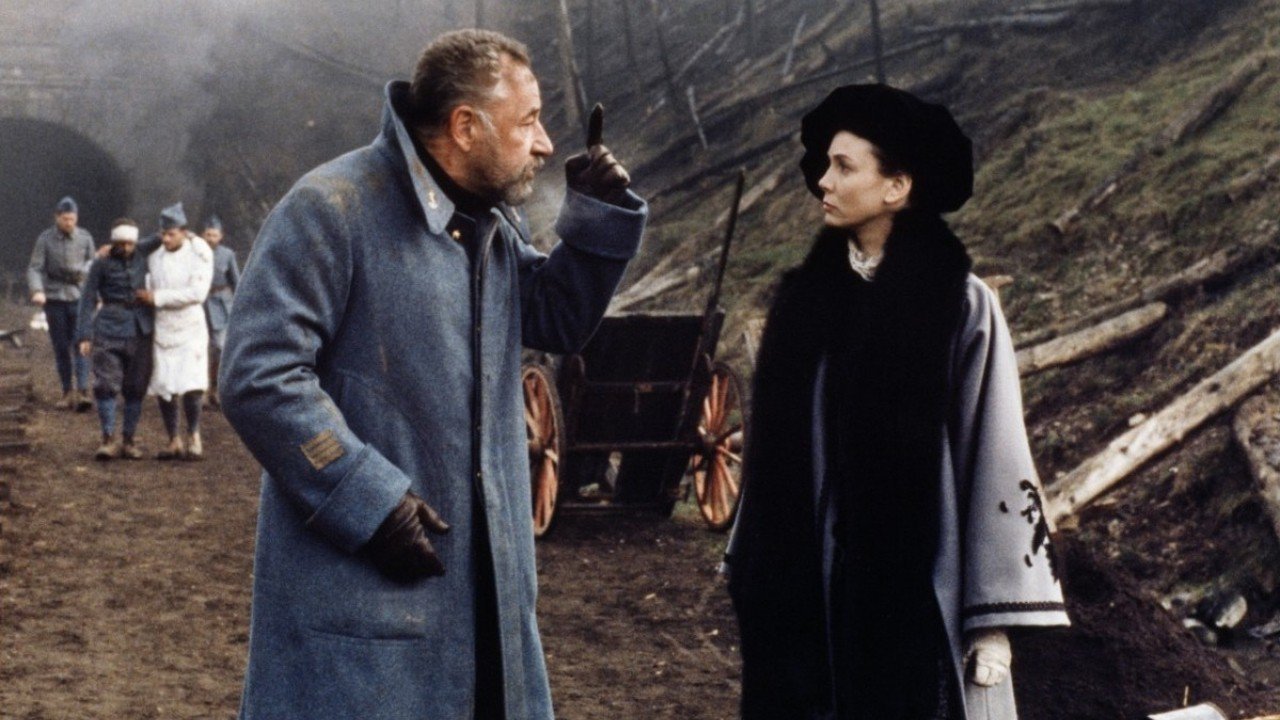
What makes Life and Nothing But resonate so powerfully, even decades later, is its focus on the aftermath. Bertrand Tavernier, working with co-writer Jean Cosmos, eschews battlefield heroics for the grim logistics of remembrance. We see the trains packed with hopeful families, the meticulous cataloguing of bones and personal effects, the political maneuvering behind the creation of a national symbol of sacrifice. Tavernier, known for his meticulous research and humanist perspective in films like Coup de Torchon (1981) and 'Round Midnight (1986), presents this world with an unflinching, almost documentary-like realism, yet suffused with deep empathy.
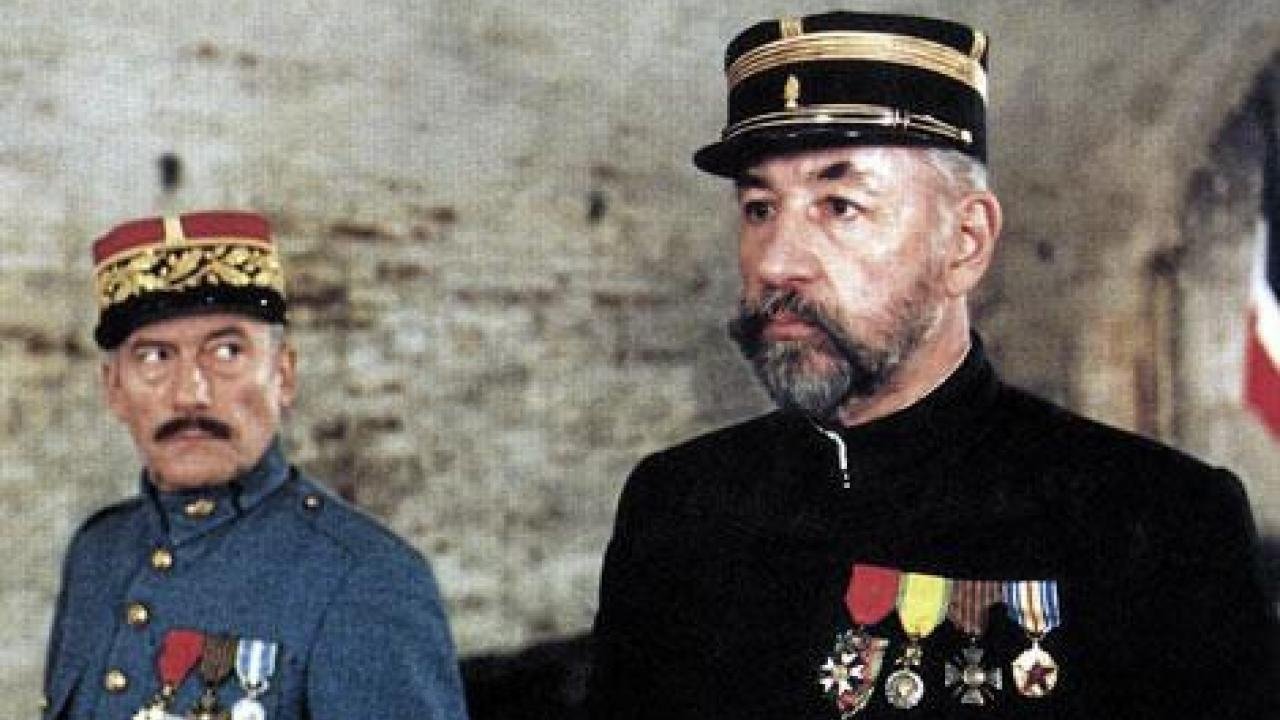
One piece of fascinating, and historically accurate, trivia woven into the film's fabric is the process for selecting the Unknown Soldier. The film depicts the gathering of unidentified bodies from various battlefields, laid out for a young soldier (who himself had served) to choose the one who would represent all the fallen beneath the Arc de Triomphe. It’s a chillingly bureaucratic solution to an overwhelming emotional need, a detail that underscores the film's central themes of identity, memory, and the impersonal nature of mass death colliding with intensely personal grief. Tavernier doesn't just present history; he invites us to feel its weight.
A Forgotten Gem from the Video Shelf
Finding Life and Nothing But on VHS back in the day might have felt like discovering a secret transmission from another world, nestled perhaps between action sequels and sci-fi adventures. Its tan, somewhat austere cover art likely didn't scream "weekend entertainment" in the same way. Yet, for those who took a chance, it offered something far more enduring: a profound meditation on how societies, and individuals, cope when faced with unimaginable loss. The cinematography captures the bleak beauty of the recovering landscape, while Oswald d'Andrea's score is perfectly pitched, melancholic but never manipulative.
It wasn't a blockbuster – historical dramas rarely were – but Life and Nothing But garnered significant critical acclaim, winning Césars (the French Oscars) for Best Actor (Noiret) and Best Director, and a BAFTA for Best Film Not in the English Language. Its power lies not in spectacle, but in its quiet insistence on the value of individual lives and the enduring human need for connection and closure, even amidst the ruins.
Rating: 9/10
This score reflects the film's exceptional quality – powerhouse performances (especially from Noiret), intelligent and deeply moving script, masterful direction, and its unique, vital perspective on the often-unseen consequences of war. It’s a demanding film, certainly, lacking the easy comforts of genre fare, but its emotional honesty and historical insight are undeniable. Life and Nothing But is a testament to the enduring power of cinema to explore the deepest recesses of human experience.
It leaves you contemplating not just the cost of war, but the quiet, determined resilience required to simply keep living, searching, and remembering, long after the fighting stops. A truly essential piece of filmmaking from the era.