Alright VHS veterans, pull up a comfy chair, maybe pop some corn. Tonight, we're rewinding to 1983 and a film that might have initially seemed like an odd choice for the king of cinematic parody, Mel Brooks. Forget Mongo punching a horse or villagers storming Frankenstein's castle; To Be or Not to Be offers something different, a sophisticated, often hilarious, and surprisingly heartfelt remake of Ernst Lubitsch's 1942 wartime classic. Finding this tape on the rental shelf, perhaps nestled between a Golan-Globus actioner and a slasher flick, felt like uncovering a hidden gem – a comedy with actual stakes, wrapped in that distinctively glossy early-80s sheen.
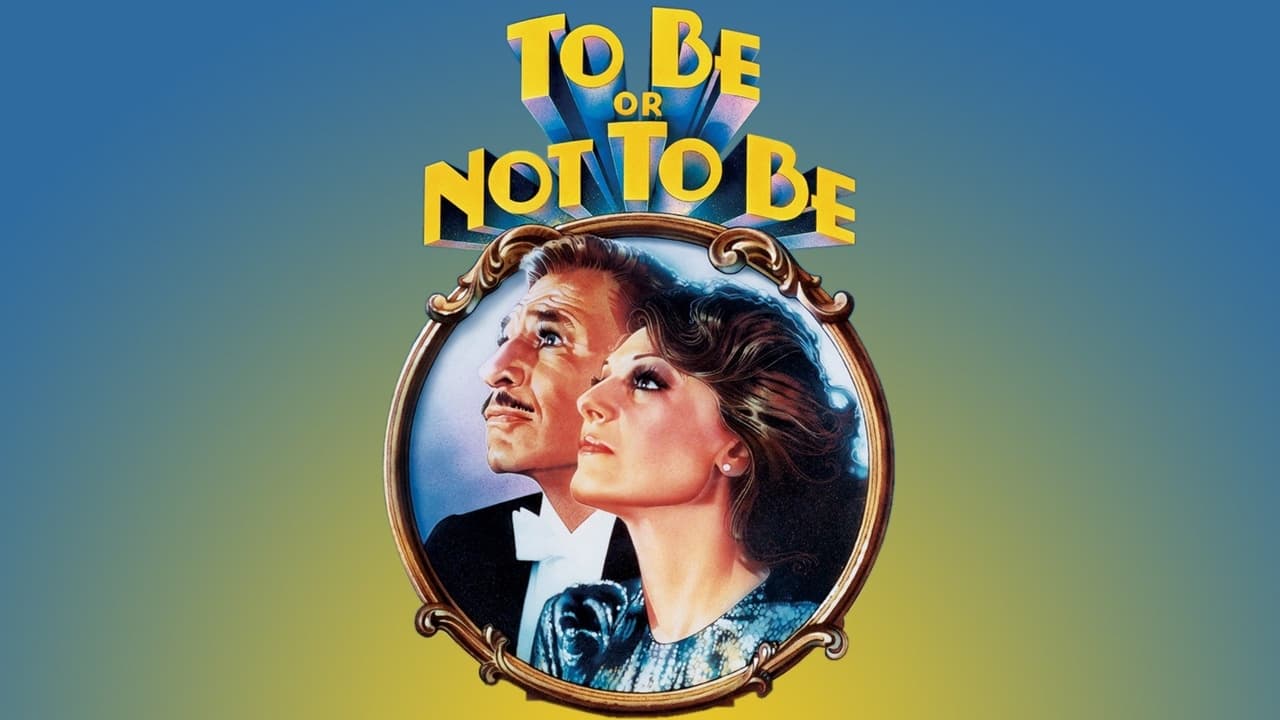
Warsaw Gaiety Under Siege
The premise itself is wonderfully theatrical: Frederick and Anna Bronski (Mel Brooks and the incomparable Anne Bancroft, his real-life wife) are the egocentric stars of a theatrical troupe in Warsaw, 1939. Their shaky production of "Hamlet" (Frederick really wants to do the soliloquy) gets abruptly overshadowed by a far more serious drama: the Nazi invasion of Poland. Suddenly, this company of hams, including the dashing young flyer Lt. Sobinski (Tim Matheson, looking sharp after Animal House), finds themselves embroiled in espionage, impersonating high-ranking Nazis, and trying to save the Polish underground, all while navigating backstage rivalries and Frederick's crippling insecurity whenever someone walks out during his big speech.
It’s a tightrope walk of a concept – finding humour amidst the horrors of Nazi occupation – but Brooks and his team mostly nail it. This isn't the anarchic, fourth-wall-breaking free-for-all of Blazing Saddles (1974) or Spaceballs (1987). Instead, it’s a more plot-driven farce, relying on clever dialogue, mistaken identities, and escalating situations that feel both funny and genuinely tense. Remember how palpable the danger felt, even amidst the laughs? The stakes here are life and death, giving the comedy a weight that many 80s romps lacked.
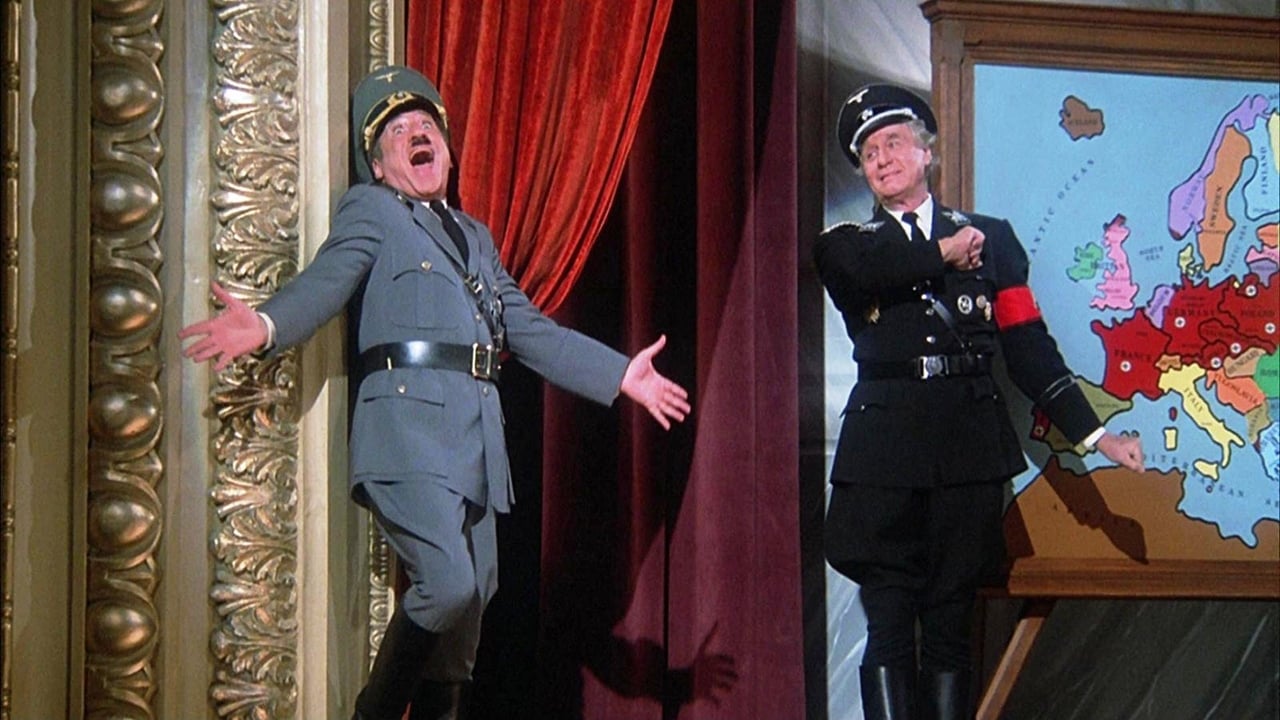
Brooks & Bancroft: A Masterclass
Let's be honest, the absolute heart of this film is the pairing of Mel Brooks and Anne Bancroft. Seeing them together on screen is pure magic. Brooks dials back his usual manic persona just enough to embody Frederick Bronski, a man whose vanity is constantly battling his genuine courage (and fear). He’s brilliant, capturing the pomposity of a 'great actor' but also the desperation of a man trying to survive. Bancroft, radiant and witty as Anna, is his perfect match. She’s smart, resourceful, and navigates the affections of both her husband and the young Lt. Sobinski with effortless charm. It’s a performance that rightly earned her a Golden Globe nomination, showcasing her incredible range beyond dramatic roles like Mrs. Robinson in The Graduate (1967). Their chemistry isn't just believable; it feels lived-in, adding layers to every shared glance and snappy exchange.
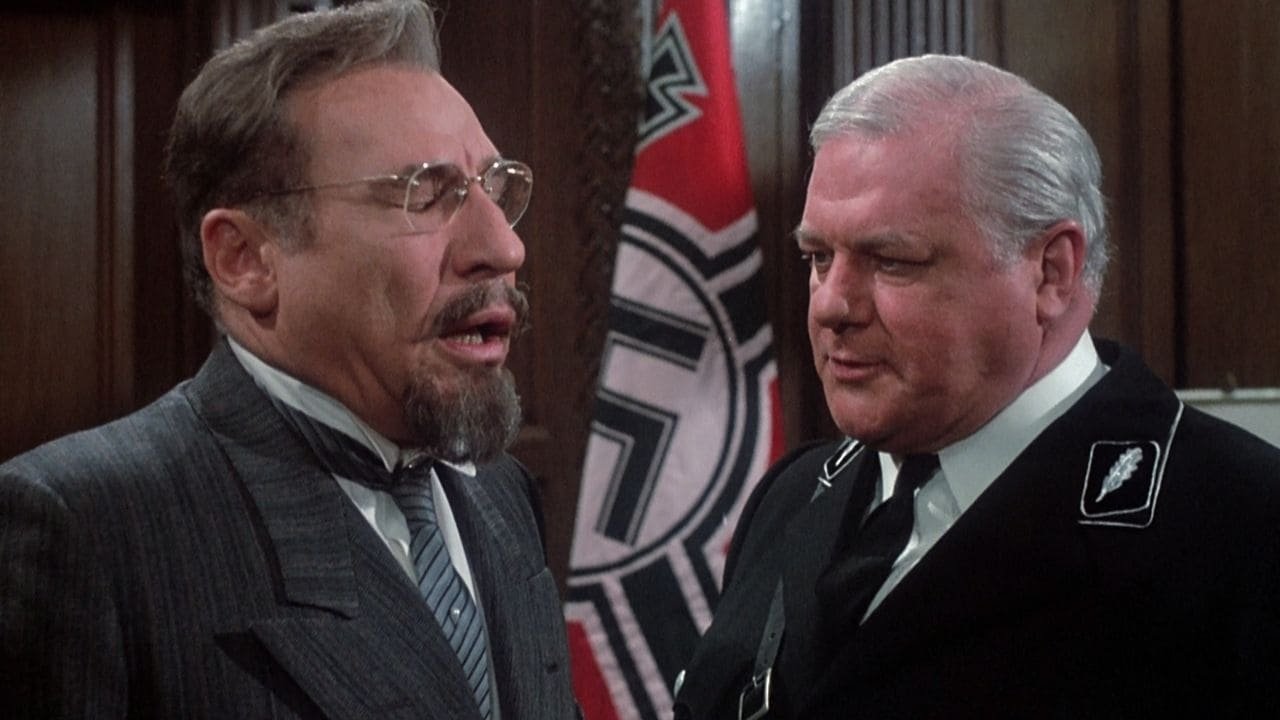
Supporting them is a stellar cast. Charles Durning nearly steals the show as the bumbling, lecherous Gestapo Colonel Erhardt ("So, they call me Concentration Camp Erhardt?"). His scenes with Brooks, particularly the running gag involving Bronski impersonating Hitler, are comedy gold. And look out for José Ferrer lending gravitas as Professor Siletski.
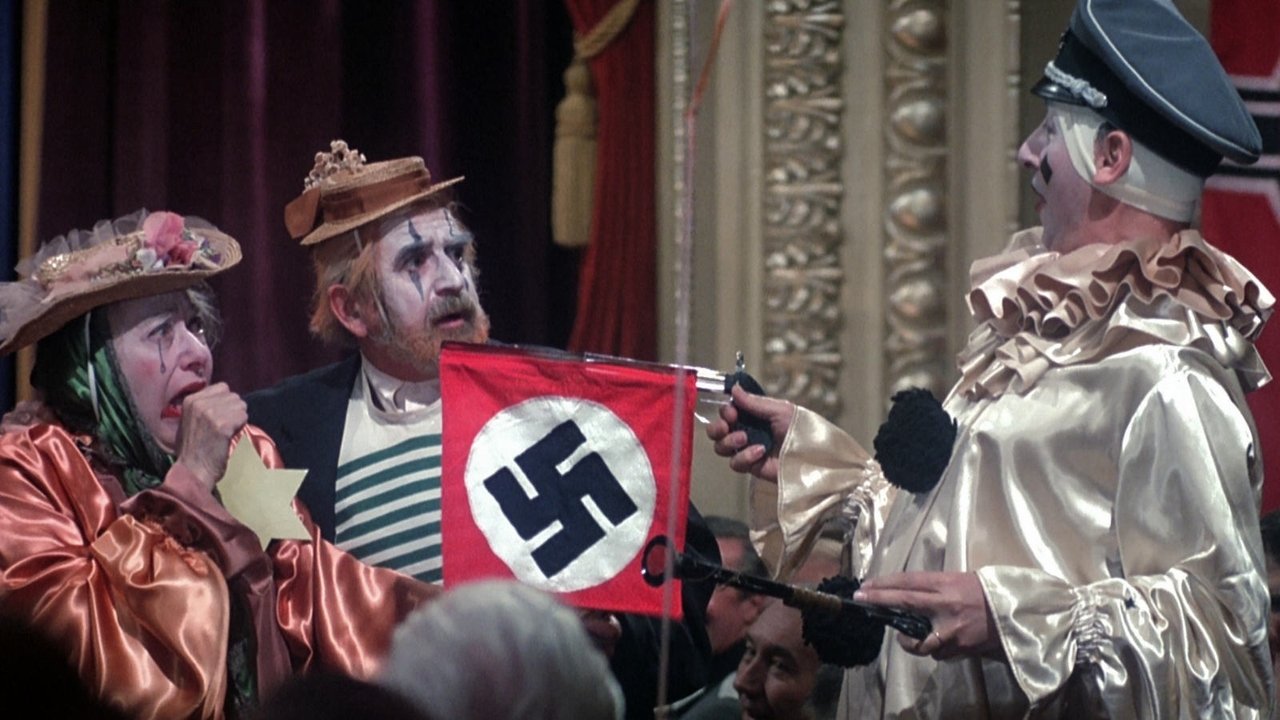
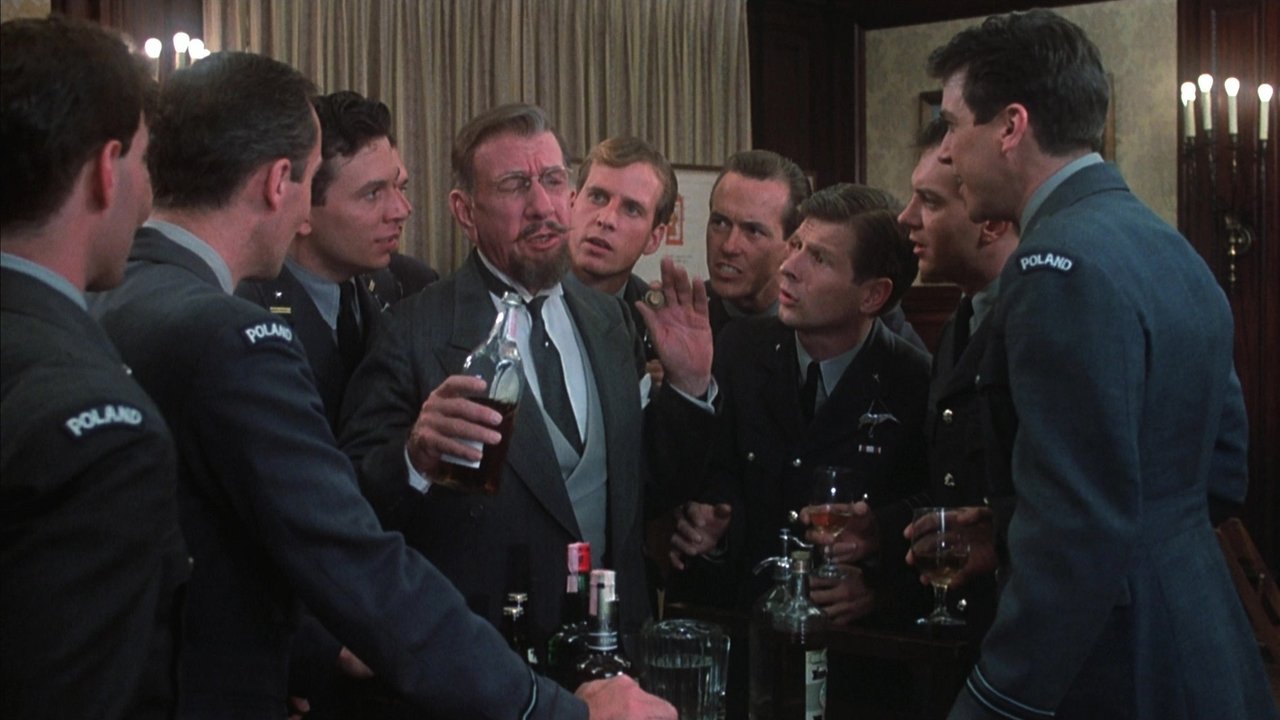
Crafting Comedy Under Pressure
Directing duties fell to Alan Johnson, who, interestingly enough, was primarily known as a choreographer, notably collaborating with Brooks on the iconic "Puttin' on the Ritz" sequence in Young Frankenstein (1974). This film marked his feature directorial debut, and you can perhaps see a choreographer's eye in the precise staging of some comedic set pieces and the overall theatrical feel. He keeps the complex plot moving smoothly, balancing the escalating farce with moments of genuine suspense. Did you know much of the filming, meant to represent Warsaw, actually took place in Zagreb, Yugoslavia, and at Shepperton Studios in England? It’s a testament to the production design that it feels so convincingly like pre-war Poland.
While the original 1942 film was made during the war itself, giving it an immediate, raw edge, this 1983 version benefits from hindsight, allowing for a slightly broader comedic touch. Yet, it never feels disrespectful. The screenplay, adapted by Ronny Graham and Thomas Meehan (who also worked on Brooks' Spaceballs and Young Frankenstein), cleverly updates the dialogue and situations while retaining the core brilliance of the original story by Edwin Justus Mayer and Melchior Lengyel. It was a moderately budgeted film for its time (around $11 million), and while not a blockbuster ($13 million gross), it found its audience and critical appreciation, especially for the lead performances.
That Unmistakable 80s Stamp
Despite the 1939 setting, there's an undeniable 80s flavour here. John Morris’s score, while fittingly dramatic and sometimes whimsical, has that certain polish typical of the era's studio comedies. And then, of course, there’s the end credits sequence: Brooks performing "To Be or Not to Be (The Hitler Rap)". Yes, you read that right. It’s baffling, bizarre, and utterly, undeniably 80s – a novelty music video tacked onto a sophisticated wartime comedy. Was it necessary? Probably not. Is it memorable? Absolutely. It’s one of those delightfully dated moments that screams "VHS era" – a fascinating time capsule showing how even a period piece couldn't entirely escape the pull of MTV.
Rating: 8/10
To Be or Not to Be holds up remarkably well. The laughs are genuine, stemming from clever situations and brilliant character work rather than just cheap gags. Brooks and Bancroft are simply magnificent together, anchoring the film with wit and warmth. While the pacing might feel slightly stagey compared to modern comedies, and that infamous rap might raise eyebrows, the core story remains compelling, and the execution is sharp. It successfully navigates tricky tonal shifts, delivering both suspense and hilarity.
Final Thought: A classy, clever comedy that proved Mel Brooks could do more than just parody, delivering laughs wrapped in genuine wartime tension – even if it ended with history's most unlikely rap battle. Definitely worth tracking down for a rewatch.