Dust off that imaginary pith helmet and grab your canteen – we're heading back to the sweeping desert sands. Forget the gentle, almost mythical beauty of that first encounter on the island; 1983's The Black Stallion Returns throws young Alec Ramsay, and us along with him, into a full-blown, sun-drenched adventure quest. It felt different, sure, arriving four years after the near-perfect original, but pulling this tape from the shelf always promised a thrilling ride across exotic landscapes, a world away from suburban living rooms.
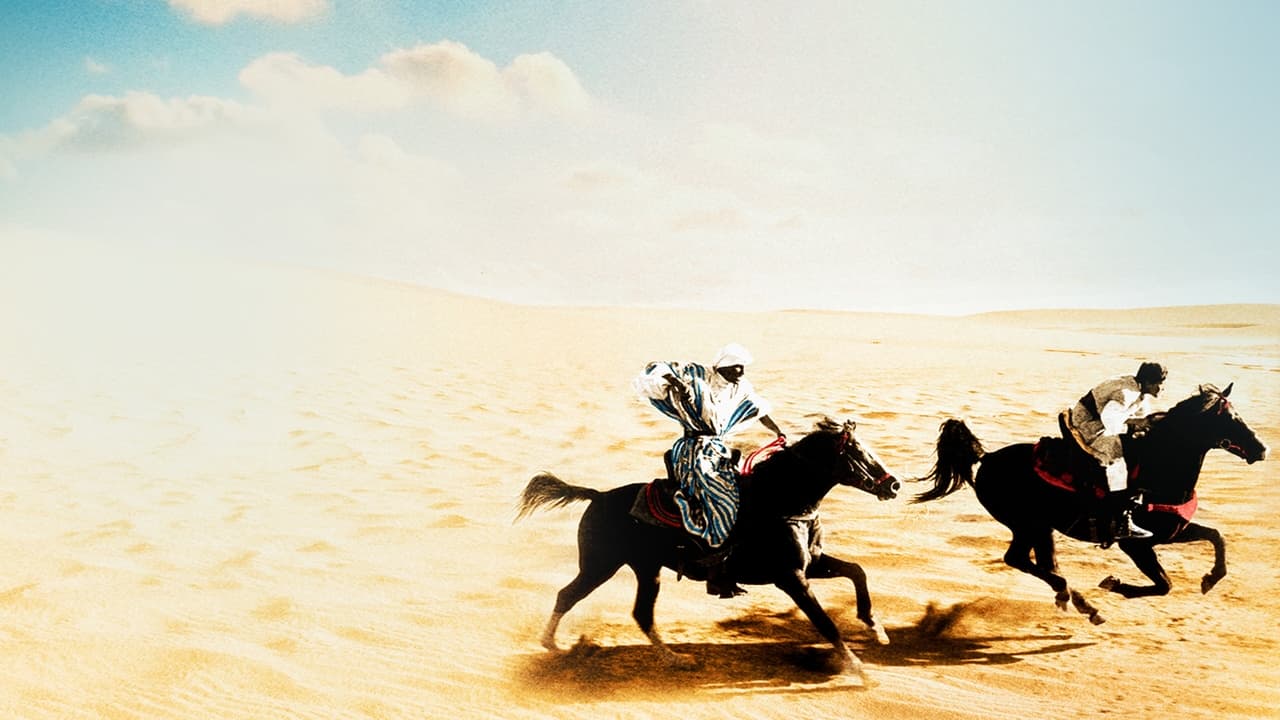
Across the Burning Sands
The premise is pure, high-stakes adventure: The Black, the magnificent horse Alec (Kelly Reno, returning with the same earnest intensity) bonded with so deeply, is stolen by his purported original owners, mysterious figures from the deserts of North Africa. Determined to reclaim his equine soulmate, Alec stows away on a plane and finds himself plunged into the vast, unforgiving Sahara. This isn't the introspective tale of survival and connection from the first film; directed by Robert Dalva (who masterfully edited the 1979 original, The Black Stallion), this sequel swaps lyricism for locomotion. Dalva, working from a script by Richard Kletter and Jerome Kass based on Walter Farley's novel, crafts a journey filled with peril, alliances, and the thundering hooves of a climactic desert race.
An Unlikely Caravan
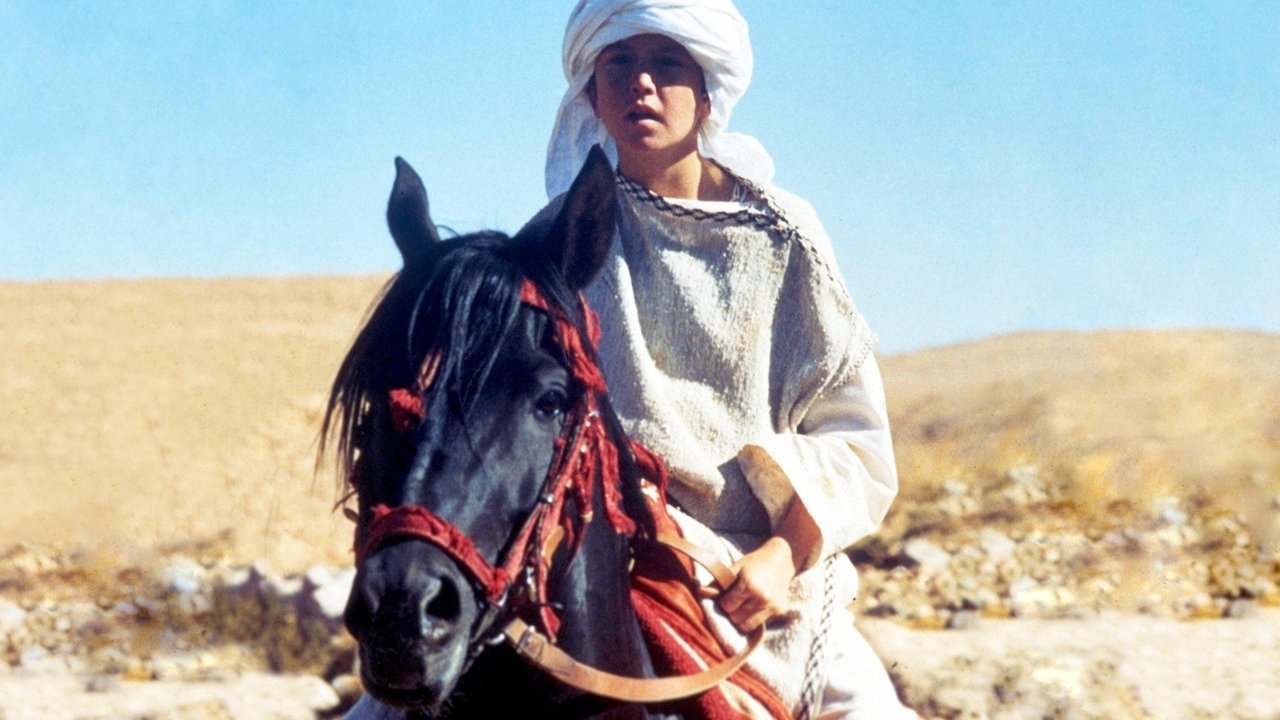
Young Kelly Reno carries the film admirably, portraying Alec's unwavering determination with a quiet strength that feels authentic. His journey isn't solitary this time. He crosses paths with Raj (Vincent Spano, radiating youthful charisma just before films like Baby It's You (1983) and Rumble Fish (1983)), the knowledgeable leader of a Berber tribe, and faces off against the menacing Meslar (Ferdy Mayne, a veteran actor often cast in imposing roles), another claimant to the legendary stallion. We even get a brief, enjoyably slippery turn from Allen Garfield as an American wheeler-dealer type back stateside, reminding us of the world Alec left behind. The dynamic shifts; it's less about the internal bond and more about navigating a complex, dangerous human world for that bond.
The shift in location is everything here. Filmed extensively in Morocco and Algeria, the landscapes are characters in themselves. You could almost feel the desert heat radiating from the old CRT screen, the vast emptiness swallowing young Alec whole. It’s a visually striking film, capturing the harsh beauty of the Sahara, a far cry from the windswept beaches and familiar racetracks of the first movie. This commitment to location shooting lends the adventure a tangible authenticity that elevates it beyond typical family fare.
Retro Fun Facts: Wrangling the Sequel
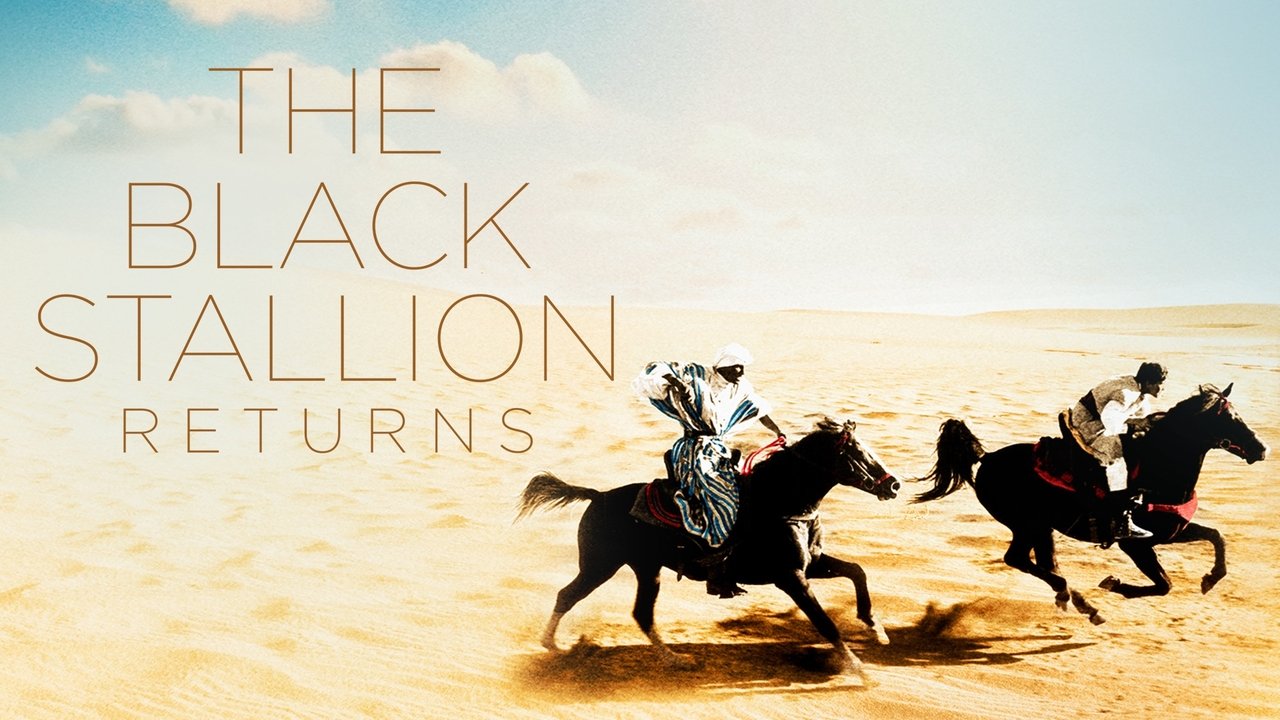
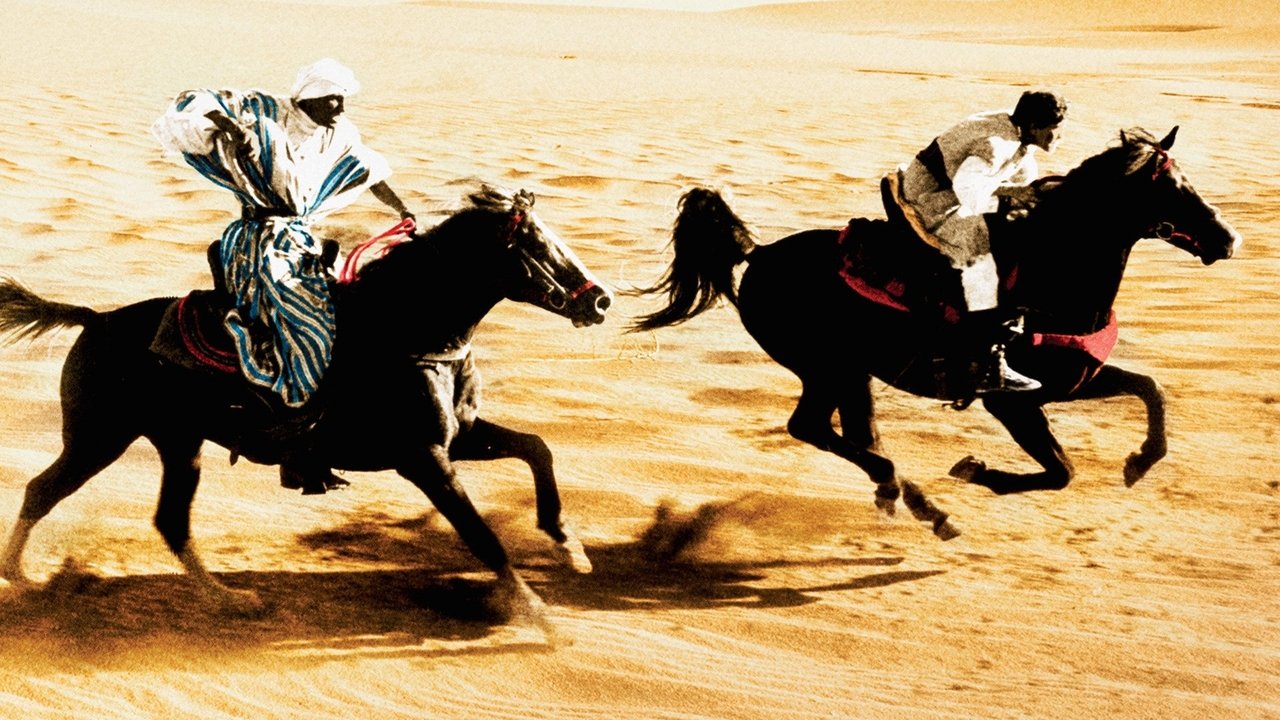
Making a sequel to a film as beloved and visually poetic as The Black Stallion was never going to be easy. Robert Dalva stepping up to direct felt like a natural choice, given his intimate understanding of the material from the editing bay. However, filming challenges were immense. Wrangling horses, especially the multiple steeds needed to portray the fiery "Black" (primarily Cass Ole, reprising his role, alongside others for different scenes), in the demanding desert environment was a logistical feat. Sadly, Kelly Reno suffered a serious leg injury in a non-film-related truck accident shortly after production, which significantly impacted his burgeoning acting career – a poignant 'what if' for fans who saw his potential. While the original film's score by Carmine Coppola is iconic, Georges Delerue, a celebrated composer known for his work with French New Wave directors and films like Platoon (1986), provided a lush, adventurous score for the sequel that perfectly complements the grander scale, even if it doesn't quite haunt the memory like Coppola's themes. Critically and commercially, it didn't reach the heights of the original (which earned over $37 million on a small budget), but it performed respectably and found its audience on home video, becoming a staple adventure rental.
A Different Breed of Adventure
Let's be honest: The Black Stallion Returns doesn't possess the same quiet, artistic magic as its predecessor. It trades ethereal beauty for exciting set pieces, meditative moments for forward momentum. Some might have missed the unique flavour Coppola Sr. brought to the first film. Yet, viewed on its own terms, especially through the lens of 80s adventure cinema, it works wonderfully. It delivers thrilling chases, moments of genuine peril (remember Alec navigating that treacherous terrain?), and a satisfyingly epic climax in the form of the grueling cross-desert race. It tapped into that vein of youthful adventure stories popular in the era, where determined kids faced incredible odds in faraway lands. Maybe it wasn't high art, but it was high adventure, perfectly suited for a Saturday afternoon glued to the VCR.
It holds up as a compelling story about loyalty and courage, showcasing the unbreakable bond between a boy and his horse against a truly epic backdrop. The practical stunt work, especially involving the horses, feels visceral and real in a way that CGI often struggles to replicate. It might be the more conventional sibling, but it’s got heart and spectacle to spare.
Rating: 7/10
This rating reflects a really solid, often thrilling family adventure film that stands confidently on its own four hooves, even if it gallops in the shadow of a cinematic masterpiece. The stunning locations, Reno's committed performance, the sheer excitement of the quest, and the satisfyingly grand scale earn it high marks. It loses a few points for lacking the unique artistic depth of the original, but as a piece of rousing 80s adventure filmmaking, it delivers the goods.
So, while the first film might be the one critics rhapsodize about, The Black Stallion Returns is the one that took us on a proper, dusty, sun-baked adventure. And sometimes, that’s exactly the kind of escape those worn-out VHS tapes delivered best.