The vast, unforgiving white of the Arctic stretches out, swallowing the tiny figure dropped into its midst. It's an image that stays with you long after the static hiss of the rewinding VHS tape fades – a profound sense of isolation, but also, strangely, of potential. Watching Carroll Ballard's Never Cry Wolf (1983) again after all these years, that feeling returns with surprising force. It wasn't the typical fare cluttering the rental shelves back then, sandwiched perhaps between explosive action flicks and creature features. This was something else entirely: quieter, more contemplative, a film that asked you to simply watch, and wait, and maybe understand something new.

Into the White Silence
Based on Farley Mowat's semi-autobiographical (and admittedly controversial) book, the film follows Tyler (Charles Martin Smith), a young, somewhat naive government biologist, dispatched to the desolate Canadian North. His mission? To study the arctic wolves, creatures blamed by officialdom for the decline in caribou populations. Armed with little more than supplies, scientific equipment, and a head full of assumptions, Tyler is deposited by the brash bush pilot Rosie (Brian Dennehy, perfectly cast as the pragmatic, slightly cynical counterpoint) into a landscape that feels less like Earth and more like the moon. What unfolds isn't a typical survival narrative, but a journey of profound observation and unexpected self-discovery.
The Performance of Patience
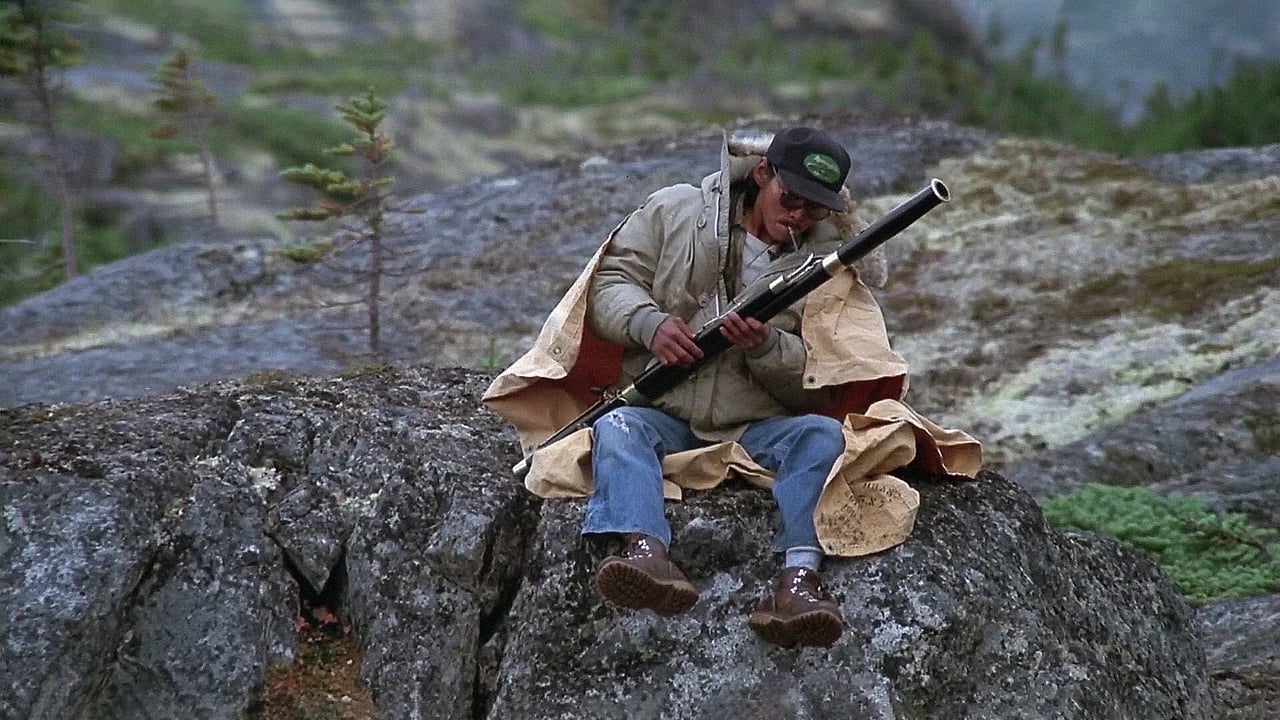
So much of Never Cry Wolf rests on the slender shoulders of Charles Martin Smith. It's a remarkably internalized performance, often dialogue-free for long stretches, relying on subtle shifts in expression and body language to convey Tyler's gradual transformation. We see him initially fumble, a fish out of water trying to impose scientific order on untamable nature. Remember his ill-fated attempts to build a functioning latrine, or the sheer absurdity of trying to mark wolf territory with his own urine? Yet, Smith masterfully charts Tyler's evolution from detached observer to someone deeply, almost spiritually, connected to the environment and its inhabitants. His eventual understanding, particularly his radical rethinking of the wolves' diet (leading to the infamous sequence of him consuming mice), feels earned and deeply resonant. Smith reportedly lost significant weight for the role and endured considerable hardship, including that unforgettable, stark-naked dash across the tundra alongside migrating caribou – a scene filmed in genuinely freezing conditions, a testament to his commitment and Ballard's demanding vision.
Ballard's Observational Eye
Director Carroll Ballard, who had previously mesmerized audiences with the visual poetry of The Black Stallion (1979), brings a similar artistic sensibility here. Working with cinematographer Hiro Narita, he captures the stark, immense beauty and brutality of the Arctic with breathtaking clarity. The film often feels almost like a documentary, patiently observing the wolves (a mix of trained animals and stunning wildlife footage) in their natural habitat. There's little conventional plot; the narrative is driven by Tyler's experiences and shifting perceptions. Ballard trusts the audience to engage with the quiet moments, the rhythms of the wilderness, and the gradual unfolding of understanding. This patient, observational style was certainly a bold choice for a Walt Disney Productions film in 1983, released before the Touchstone banner existed to handle more mature themes. It was a gamble, costing around $11 million and earning a respectable but not blockbuster $25 million – perhaps reflecting its unique, less commercial appeal.
Beyond the Science
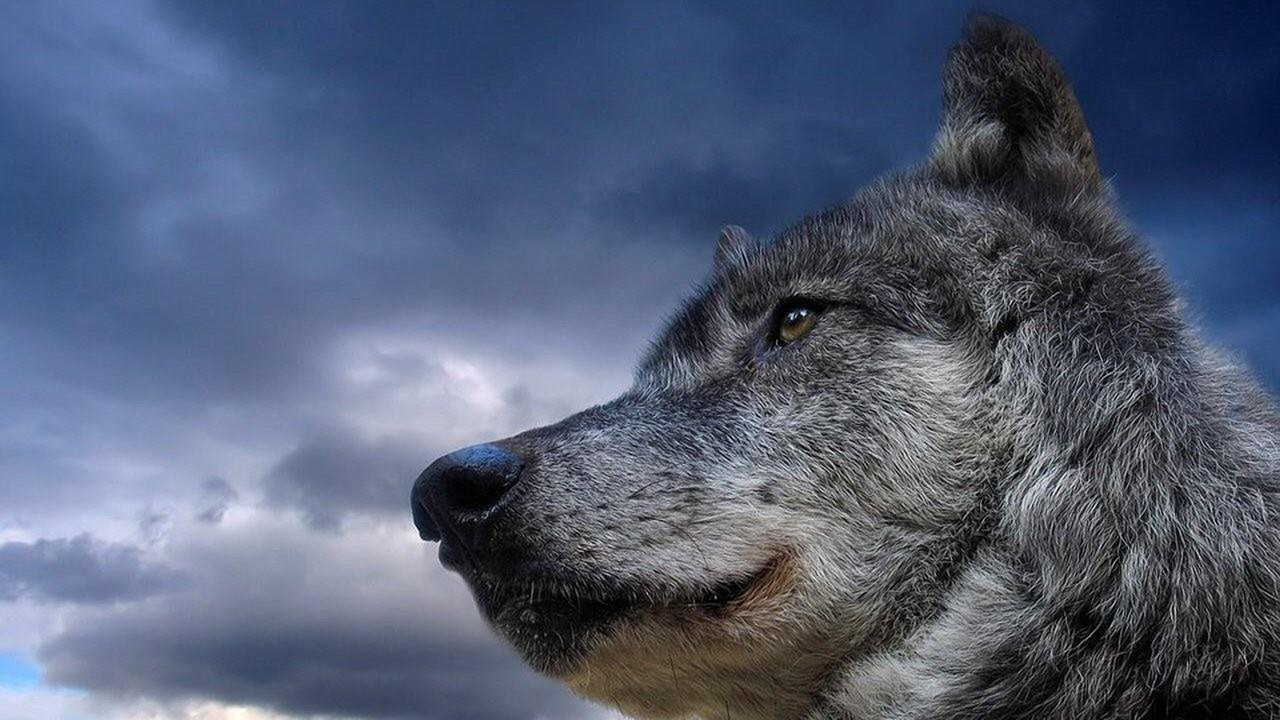
While Tyler initially approaches his task with scientific detachment, the film beautifully illustrates the limits of that perspective. His encounters with the Inuit hunter Ootek (Zachary Ittimangnaq, bringing quiet dignity and wisdom) and the thoughtful Mike (Samson Jorah) introduce him to a different way of knowing, one rooted in deep ecological understanding and respect passed down through generations. These interactions are crucial, grounding Tyler's solitary experience and highlighting the human element within the vast wilderness. The wolves themselves cease to be mere subjects; they become individuals, a family unit whose behaviours challenge every preconceived notion Tyler arrived with. Isn't there something profound in realizing that the 'monsters' are perhaps not monstrous at all, merely misunderstood?
Crafting the Wild
Achieving the film's sense of authenticity was a monumental undertaking. Filming in remote locations across the Yukon, British Columbia, and Alaska presented immense logistical hurdles. Working with wolves, even trained ones, required incredible patience from the crew and animal handlers. The screenplay itself, interestingly co-written by future L.A. Confidential director Curtis Hanson and Batman (1989) scribe Sam Hamm alongside Richard Kletter and Farley Mowat, manages to translate the book's episodic nature into a compelling cinematic narrative, focusing on the core emotional and philosophical journey. Mark Isham's spare, haunting electronic score perfectly complements the visuals, enhancing the sense of isolation and wonder without ever becoming intrusive.
A Quiet Echo on the Shelf
Never Cry Wolf remains a unique entry in the cinematic landscape of the 80s. It lacked the explosions and high-concept hooks of its contemporaries, offering instead a meditative, visually stunning exploration of humanity's relationship with the natural world. Pulling that worn VHS tape off the shelf often felt like choosing a different path for the evening – a quieter, more thoughtful experience. Its message about challenging assumptions, respecting the wild, and finding connection in unexpected places feels, if anything, more relevant today than it did four decades ago. It asks us to look closer, listen harder, and perhaps reconsider our place within the grand, indifferent beauty of nature.
Rating: 9/10
This rating reflects the film's breathtaking cinematography, Charles Martin Smith's compelling central performance, Carroll Ballard's masterful direction, and its courageous, contemplative departure from mainstream fare. It's a film whose patient beauty and quiet profundity achieve a rare power, justifying its place as a standout piece of 80s cinema, even if its pace might test those accustomed to faster narratives.
Never Cry Wolf doesn't shout its message; it whispers it on the Arctic wind, leaving you with indelible images and a lingering sense of wonder about the wild, both outside us and within.