There's a particular kind of melancholy that settles in when watching something vibrant fade away. It’s not always sudden, often it's a slow dimming, like a stage light losing power just as the main attraction steps into the spotlight. That feeling permeates Bye Bye Brazil, Carlos Diegues' sprawling, colourful, and deeply poignant road movie from 1980. It arrived just as the decade turned, perfectly capturing a nation, and perhaps a world, teetering on the brink of seismic change, waving a reluctant goodbye to one way of life as another, transmitted through the airwaves, relentlessly took hold.

The Last Show on Earth (Almost)
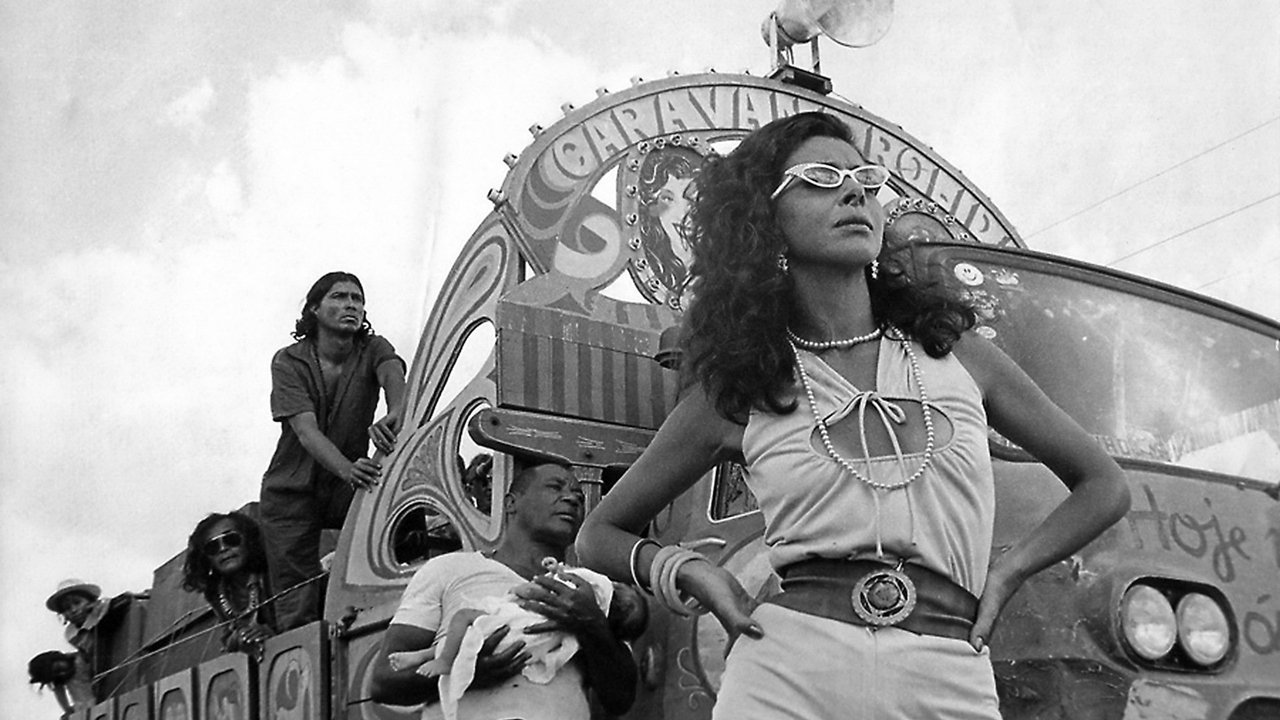
Our guides through this shifting landscape are the members of the Caravana Rolidei, a travelling troupe whose name itself – a wonderfully Brazilian phonetic twist on "Holiday" – hints at both escape and perhaps a certain charming naiveté. Led by the charismatic, if increasingly desperate, Lord Cigano (a magnetic José Wilker) and featuring the sultry dancer/singer Salomé (Betty Faria, radiating raw energy) and the mute strongman Swallow, they bring illusions, music, and a splash of colourful spectacle to remote towns untouched by modern conveniences. Their arrival is an event, announced via crackling loudspeaker, promising temporary magic. But even in the deepest corners of Brazil, the antennas are sprouting. Television, the great homogenizer, is arriving, offering its own, more potent, brand of electronic escapism, free of charge.
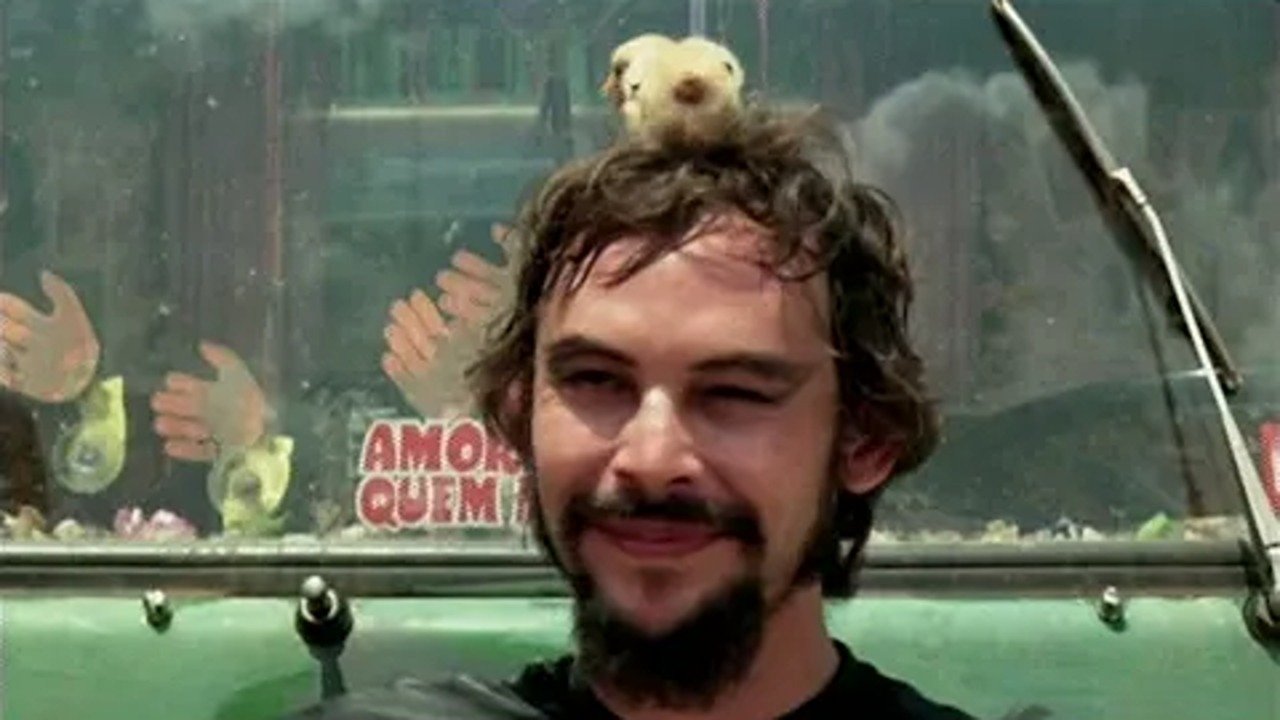
The film follows the Caravana as they journey deeper into the country, seeking audiences still hungry for their brand of live entertainment. Along the way, they pick up Ciço (Fábio Júnior), a young accordionist dreaming of a brighter future, and his pregnant wife Dasdô (Zaira Zambelli). Their presence introduces a generational tension: Ciço is drawn to the Caravana's romance but also embodies the pragmatic pull towards the stability offered by the 'new' Brazil, the one paved by highways and illuminated by neon signs advertising the very TVs that threaten the troupe's livelihood.
Fading Magic, Enduring Humanity
What makes Bye Bye Brazil resonate so strongly, even decades later when viewed on formats far removed from its original celluloid or that cherished VHS copy, is its profound empathy. Diegues, a key figure associated with Brazil's influential Cinema Novo movement (though this film has a more polished, accessible feel than some earlier examples), doesn't merely lament the loss of tradition. He explores the human cost of progress, the bittersweet reality that advancement often means leaving something cherished behind. Lord Cigano isn't just a showman; he’s a symbol of a dying art form, his sleight-of-hand tricks increasingly futile against the seemingly effortless magic beamed into homes. Wilker portrays him beautifully, layering the bravado with vulnerability, the charm tinged with desperation.
Betty Faria as Salomé is equally captivating. Her performances are sensual, defiant, full of life, yet you sense her awareness of the changing tides. Is there a place for her potent, physical artistry in a world captivated by flickering images on a screen? The younger couple, Ciço and Dasdô, represent the crossroads. Their journey with the Caravana is one of discovery, but also disillusionment. They see the allure, but also the hardship, the constant movement just to stay afloat. Their eventual choices feel earned, reflecting the difficult compromises inherent in navigating such transformative times.
Across a Technicolor Landscape
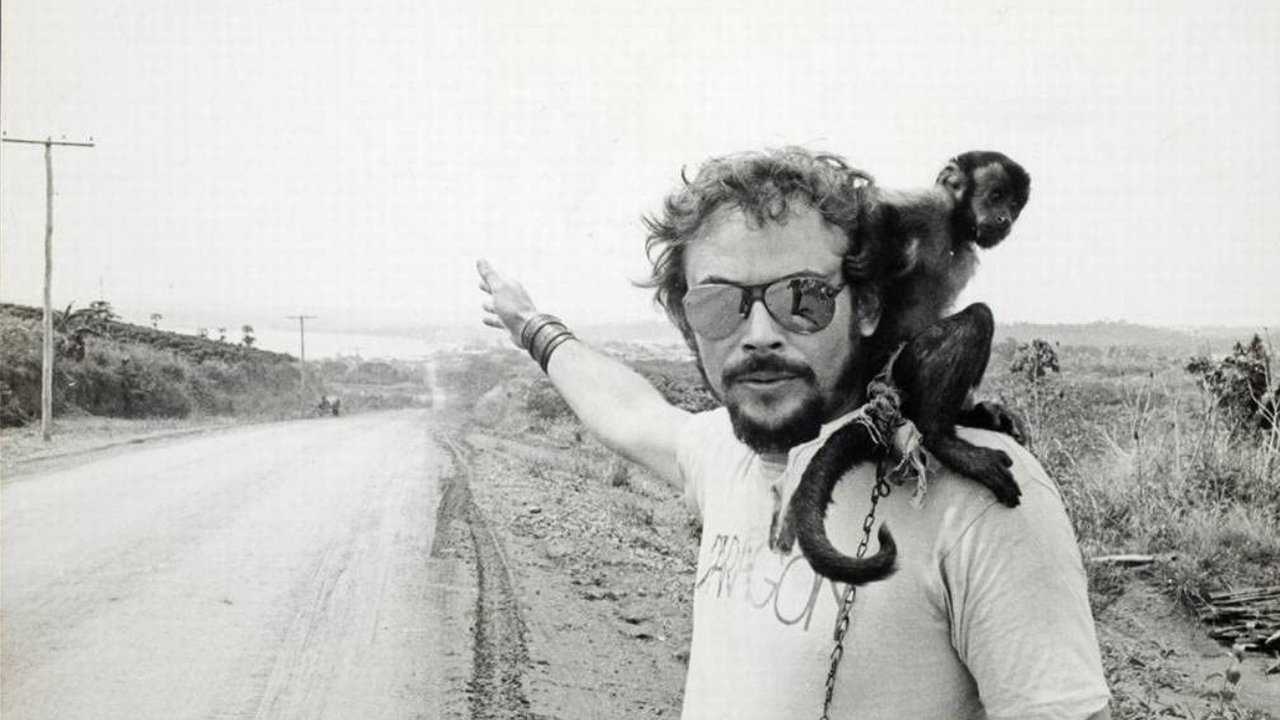
Visually, the film is a feast. Diegues and his cinematographer Lauro Escorel capture the staggering diversity of the Brazilian landscape – the arid Northeast, the lush beginnings of the Amazon, the dusty frontier towns springing up along new highways. The sheer scale of the country becomes a character itself, emphasizing the vastness the Caravana must traverse. It’s remarkable to think about the logistical challenge of filming this epic journey across thousands of miles in the late 70s, long before digital conveniences. This wasn't just setting up a shot; it was an expedition mirroring the fictional one on screen.
The film doesn't shy away from the less glamorous realities – the poverty, the environmental exploitation hinted at near the Trans-Amazonian Highway, the casual encounters that drift between desire and transaction. Yet, it maintains an almost dreamlike quality at times, blending the grit with moments of pure cinematic poetry. The music, a mix of regional styles and atmospheric scoring, is crucial, enhancing the mood and underscoring the cultural richness the film portrays, even as it depicts its potential erosion.
Why It Lingers
Finding Bye Bye Brazil back in the video store days often felt like unearthing something special, exotic yet strangely familiar. Its themes felt specific to Brazil's rapid modernization during that era, yet universal in their exploration of change, loss, and the search for meaning. Doesn't the tension between live, communal experience and passive, electronic consumption feel even more relevant today? What magic do we lose when everything becomes available at the touch of a button, mediated through a screen?
The film doesn't offer easy answers. It presents the allure of the new alongside the heartbreak of the old fading away. It acknowledges that progress is often messy, contradictory, and leaves casualties in its wake. The Caravana Rolidei may be struggling, their brand of magic losing its lustre, but the human connections, the desires, the resilience depicted within the troupe remain powerfully affecting.
Rating: 9/10
Bye Bye Brazil earns this high mark for its stunning visual storytelling, its deeply resonant performances, and its intelligent, compassionate exploration of cultural transition. It captures a specific moment in time with breathtaking scope and intimacy, blending social commentary with poetic beauty. It’s a film that feels both grand and deeply personal, a vibrant tapestry woven with threads of joy, melancholy, and undeniable humanity.
It leaves you contemplating the road ahead, wondering what marvels and what losses await around the next bend, both for its characters and for ourselves. A true gem from the dawn of the 80s, its poignant beauty hasn't faded one bit.