Some films don't just flicker on the screen; they leave a stain. They crawl under your skin with imagery so deliberately grotesque, so gleefully excessive, it feels less like cinema and more like a dare. Enter Faust: Love of the Damned (2000), a film that arrived just as the VHS era was giving way to DVD, yet felt spiritually bound to the grimy, anything-goes energy of direct-to-video horror's heyday. This wasn't subtle dread whispered in shadows; this was a full-throated scream echoing from the depths of B-movie hell, smeared in viscera and nihilism.
A Pact Signed in Grime
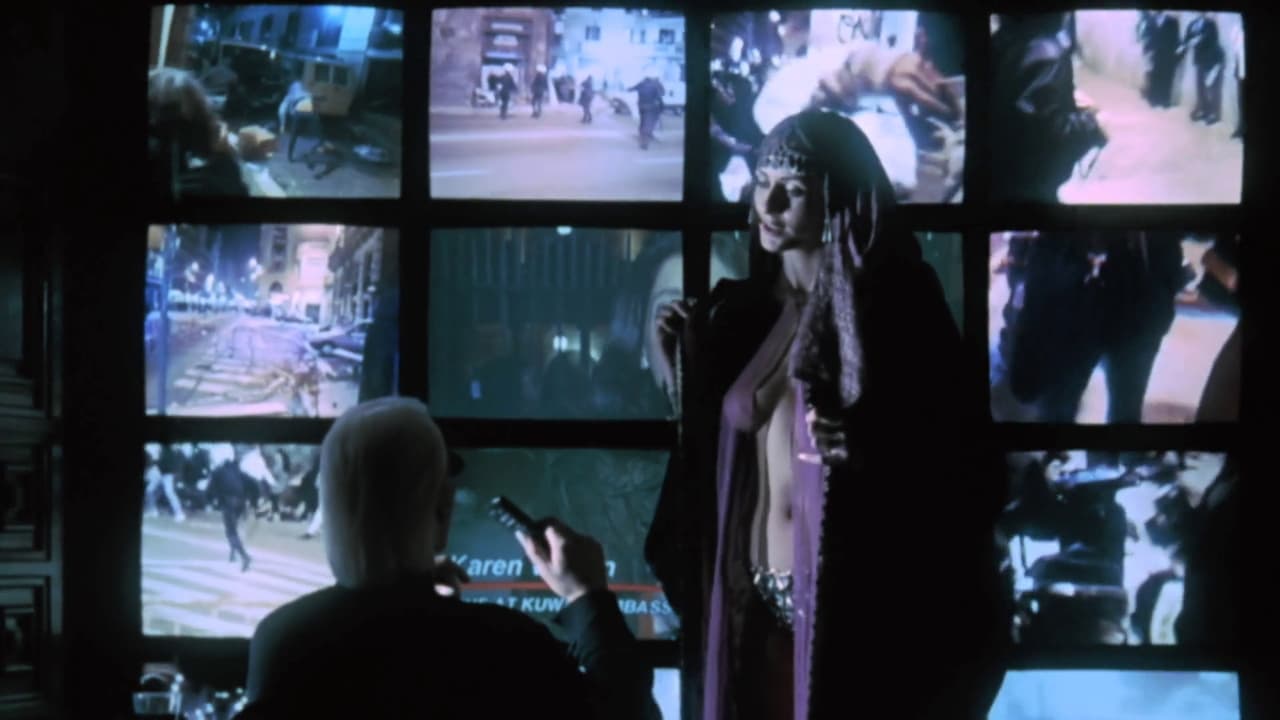
Based on the infamous underground comic by Tim Vigil and David Quinn – a work notorious even among hardened indie comic readers of the 90s for its relentless violence and explicit content – Faust was brought kicking and screaming to the screen by producer/director Brian Yuzna. This is the man who gave us the squirm-inducing socialite horrors of Society (1989) and produced Stuart Gordon’s legendary Re-Animator (1985), so you know you're not in for a gentle ride. Faust was one of the flagship productions of Filmax's "Fantàstic Factory," Yuzna's Barcelona-based genre label aimed at creating stylish, low-budget horror for an international market. And "stylish" in this context means drenched in perpetual rain, neon-lit alleyways, and copious amounts of stage blood.
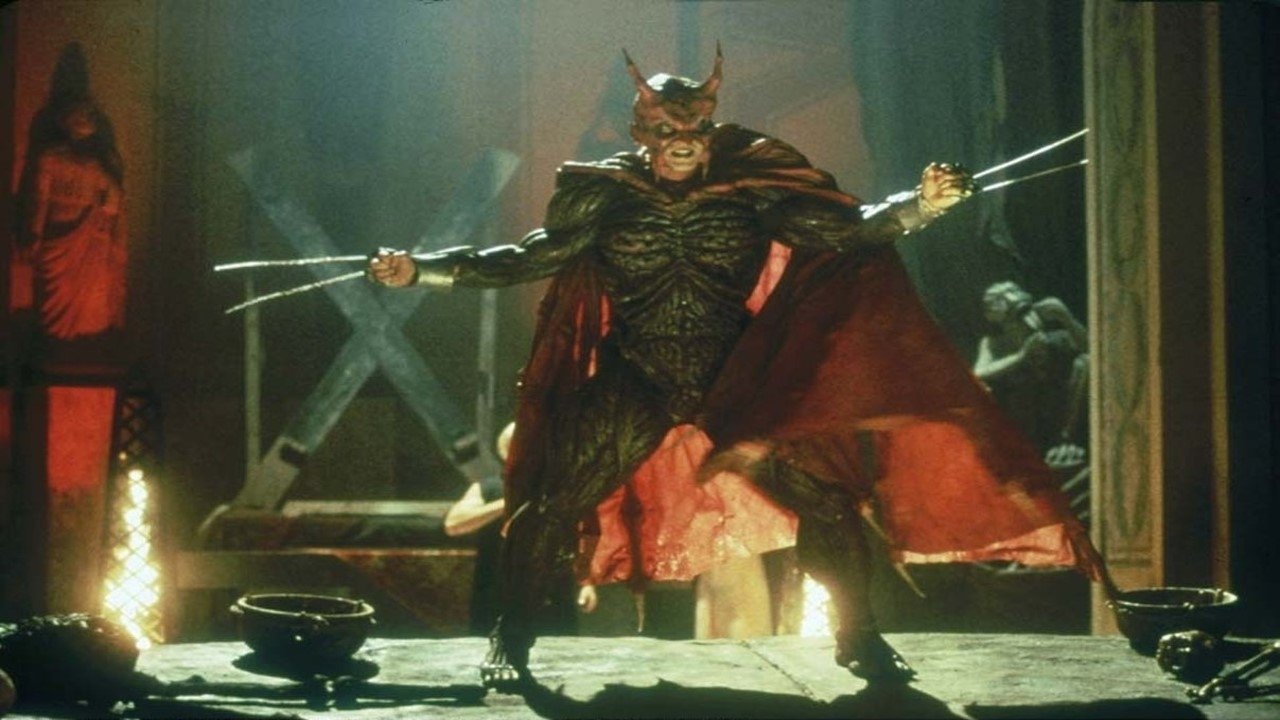
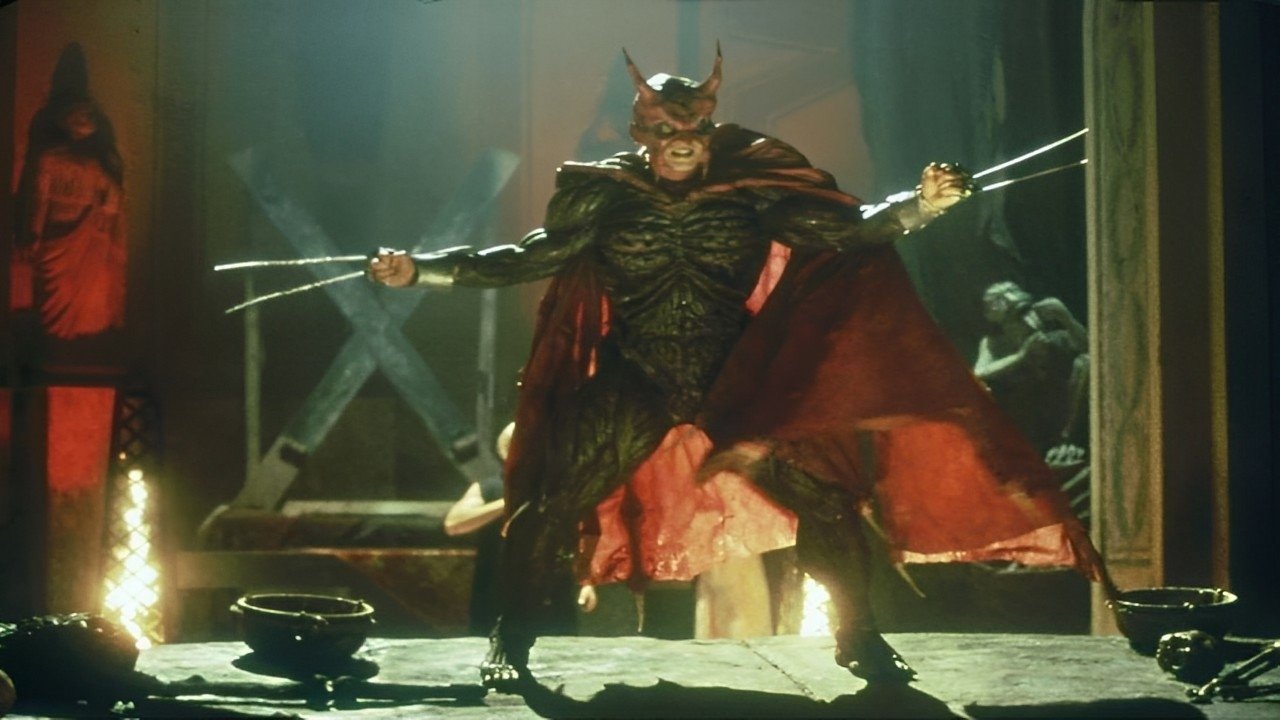
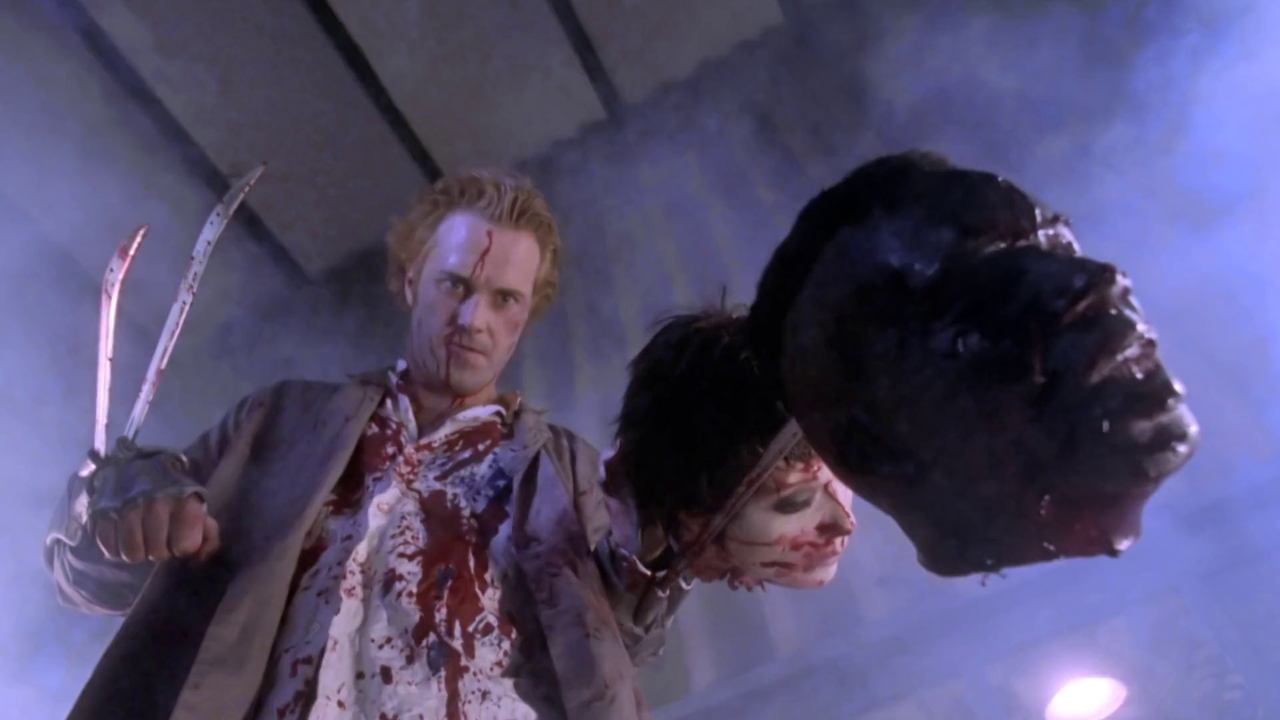
The premise is, appropriately, Faustian. Artist John Jaspers (Mark Frost) witnesses the brutal murder of his girlfriend and, consumed by grief and rage, makes a pact with the enigmatic M (Andrew Divoff). In exchange for his soul, Jaspers gains demonic powers and razor-sharp arm blades to exact bloody vengeance. But M, naturally, is Mephistopheles himself, and his agenda involves far more than one man's revenge quest, ensnaring Jaspers in a web of demonic conspiracy, corrupt cops, and tormented souls, including the conflicted psychiatrist Jade (Isabel Brook).
The Screaming Mad Touch
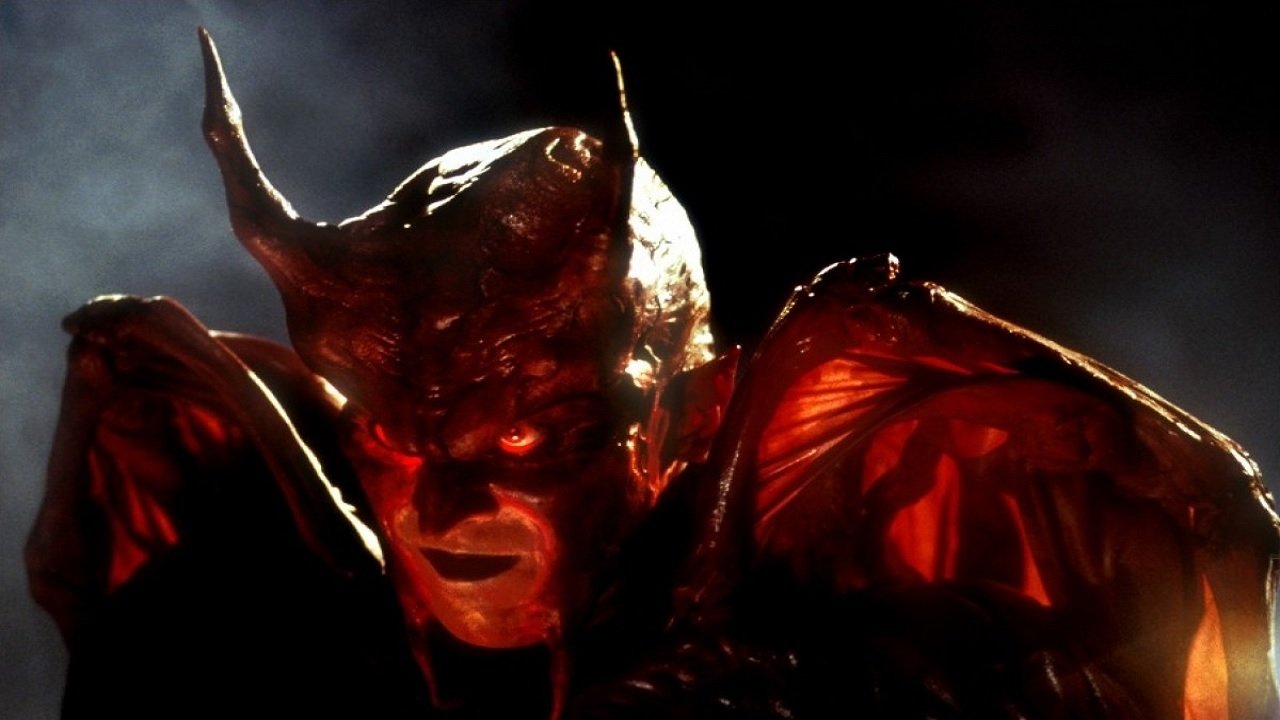
Forget atmospheric chills; Faust aims squarely for visceral repulsion and delivers in buckets. The plot often feels secondary to the spectacle of carnage, a delivery system for the next outrageous set piece. And who better to orchestrate this chaos than legendary effects maestro Screaming Mad George? His signature blend of surreal, nightmarish body horror, familiar from Society and A Nightmare on Elm Street 4: The Dream Master (1988), is slathered liberally across the screen. We get melting faces, pulsating demonic hearts, gruesome transformations, and, of course, Faust's signature retractable claws slicing through flesh with abandon.
Remember watching films like this on a fuzzy CRT, the practical effects feeling disturbingly tangible despite the low resolution? Faust's effects carry that same energy. Sure, some moments betray the estimated $4.5 million budget – a challenge when trying to replicate Vigil's hyper-detailed, hyper-violent comic panels – but the sheer commitment to gooey, physical horror is something you have to respect, even when it borders on the absurd. There's a scene involving a transformation in a police station bathroom that perfectly encapsulates the film's ethos: shocking, disgusting, slightly baffling, and utterly unforgettable for all the wrong reasons. It’s the kind of practical effect insanity that just doesn't happen much anymore.
Devilish Performances and Comic Carnage
Mark Frost carries the weight of the tormented anti-hero well enough, brooding effectively beneath layers of grime and angst. But the film truly belongs to Andrew Divoff. Chewing scenery with demonic relish, Divoff's M is a charismatic agent of chaos, delivering his lines with a sneering menace that elevates the B-movie proceedings. He's clearly having a blast, channeling the same energy that made him such a memorable villain in films like Wishmaster (1997). Isabel Brook does her best with a somewhat thankless role, caught between Jaspers' darkness and M's manipulations.
Adapting Vigil and Quinn’s comic was always going to be a challenge. The source material is so extreme, so steeped in explicit violence and sexuality, that a completely faithful adaptation would likely be unfilmable (or at least unmarketable). Yuzna and writers David Quinn (co-creator of the comic) and Miguel Tejada-Flores (Revenge of the Nerds, A Nightmare on Elm Street 5: The Dream Child) capture the spirit – the nihilism, the graphic violence, the tortured hero – even if they inevitably tone down some aspects and streamline the convoluted plot. Did it satisfy hardcore fans of the comic? Probably not entirely. Did it shock and provoke unprepared audiences stumbling across it in the video store? Absolutely.
A Splatterpunk Relic
Faust: Love of the Damned isn't sophisticated horror. It's loud, messy, often clunky, and occasionally ridiculous. The dialogue can be ripe, the pacing uneven, and the plot threads don't always tie up neatly. But viewed through the lens of late-night VHS discoveries and an appreciation for unrestrained genre filmmaking, it has a certain crude power. It’s a relic from a time when filmmakers like Yuzna, operating outside the studio system (even if funded internationally), could push boundaries with gleeful abandon. It feels like a final, furious gasp of the splatterpunk ethos before the turn of the millennium ushered in different horror trends.
It’s not a film for everyone – far from it. But if you have a tolerance for extreme gore, a fondness for Brian Yuzna's brand of body horror, and nostalgia for a time when practical effects reigned supreme (however messy), then Faust might just scratch that infernal itch. It’s a grimy, unpleasant, yet strangely compelling artifact from the tail-end of the VHS mindset.
Rating: 6/10
Justification: The score reflects the film's undeniable B-movie status and flaws (clunky script, uneven pacing) while acknowledging its strengths for its target audience: Andrew Divoff's performance, the audacious and memorable practical gore effects by Screaming Mad George, its connection to a notorious comic, and its sheer commitment to extremity. It succeeds as a specific kind of nasty, over-the-top cult horror, even if it falls short as conventionally "good" cinema.
Final Thought: Faust remains a potent reminder of how dark and unapologetically ugly mainstream-adjacent horror could get back then, a splatterpunk fever dream committed to celluloid.