Alright, fellow tapeheads, dim the lights, maybe crack open a Tab if you can find one, and let's rewind to a grimy corner of early 80s horror. Tonight's feature flickering on the ol' Magnavox is 1981's Night School, a film that might have lurked invitingly on the slasher shelf of your local Video Palace, promising thrills slightly darker than its mainstream cousins. It wasn't exactly Halloween or Friday the 13th, but finding this one felt like uncovering something a little seedier, a little more... urban.
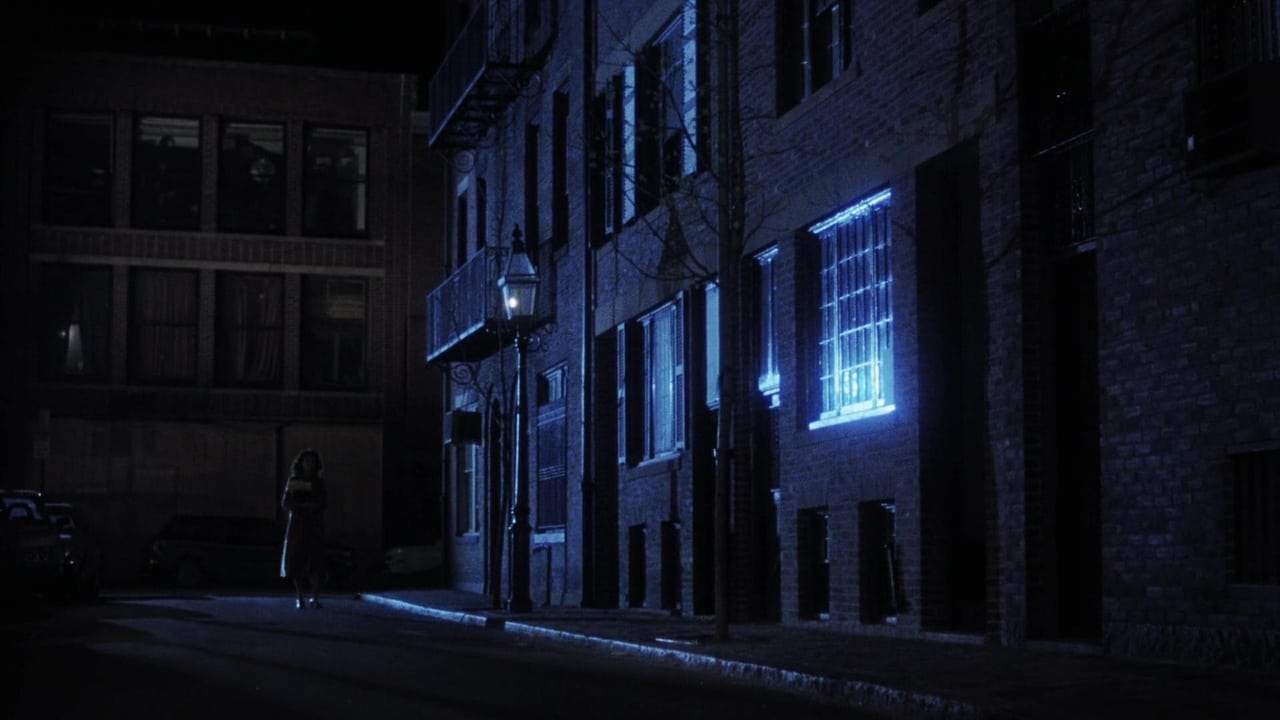
Boston Nocturne
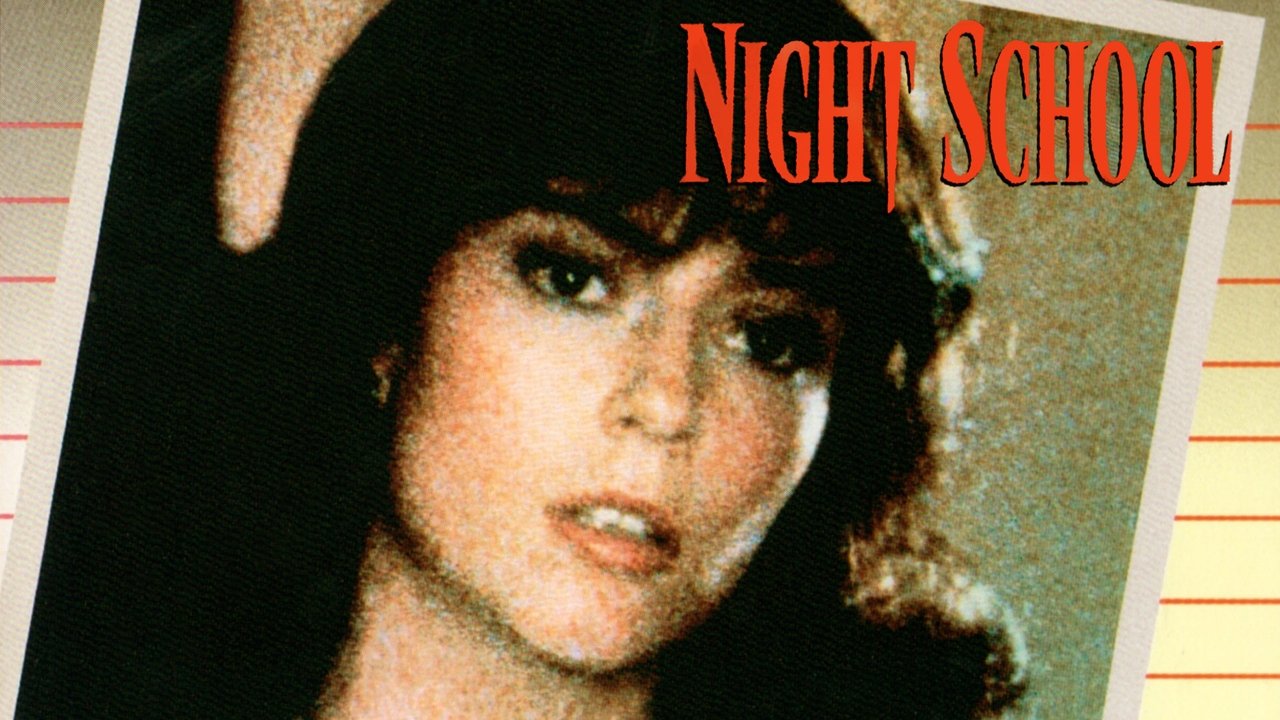
Forget idyllic summer camps or sleepy suburban streets. Night School plunges us into the chilly, late-night world of Boston academia, specifically the Wendell College night classes. The premise is pure slasher gold: someone with a penchant for sharp blades and motorcycle helmets is systematically decapitating female students. The connection? They all seem to frequent the same anthropology class taught by the aloof Professor Millett (Drew Snyder) and assisted by the intense Eleanor Adjai, played by none other than Melissa Sue Anderson. Tasked with solving these grisly crimes is Lieutenant Judd Austin (Leonard Mann), a world-weary detective wading through the city's shadows. The atmosphere here is key – it feels damp, cold, and genuinely unsafe, a far cry from the sun-drenched slashers that would soon dominate. Those nighttime Boston locations weren't just sets; they lend the film a palpable sense of place, grounding the horror in a recognizable reality.
From Walnut Grove to Mean Streets
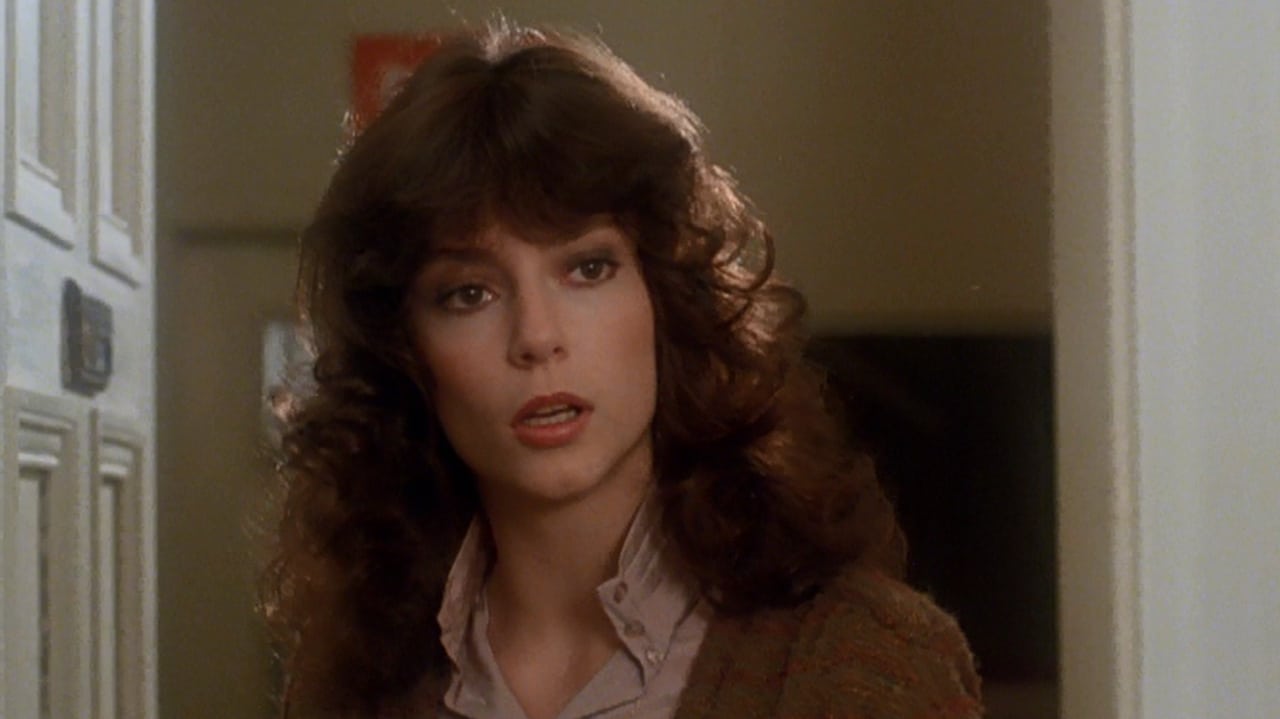
Let's talk about the elephant in the room, or rather, the prairie dress hanging in the closet. Seeing Melissa Sue Anderson, forever etched in our minds as the earnest Mary Ingalls from Little House on the Prairie, playing the potentially disturbed TA was a jolt back then. It was a clear attempt to shatter that wholesome image, and honestly, she commits. Anderson brings a coiled intensity to Eleanor, her large eyes conveying something possibly hidden beneath the surface. It might not be a revolutionary performance, but watching her navigate this dark material is undeniably one of the film's main curiosities. It makes you wonder how many actors back then desperately sought roles like this to escape television typecasting.
Cutting Class, Literally
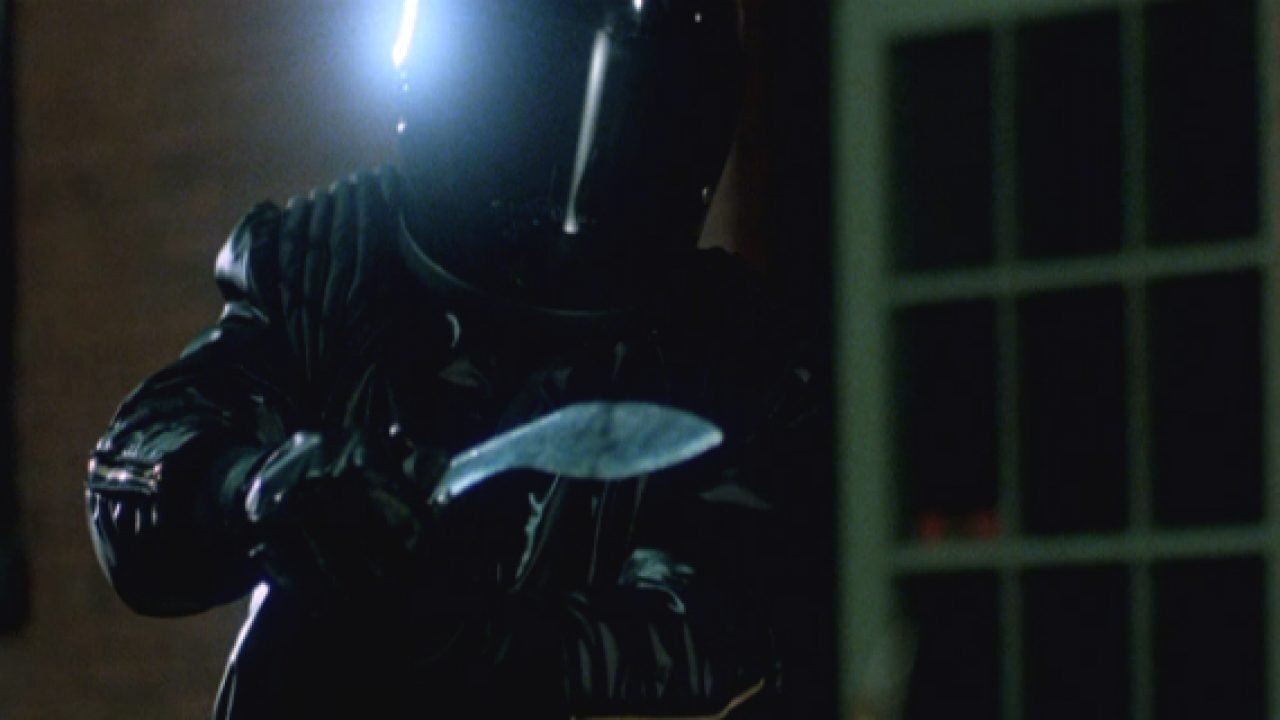
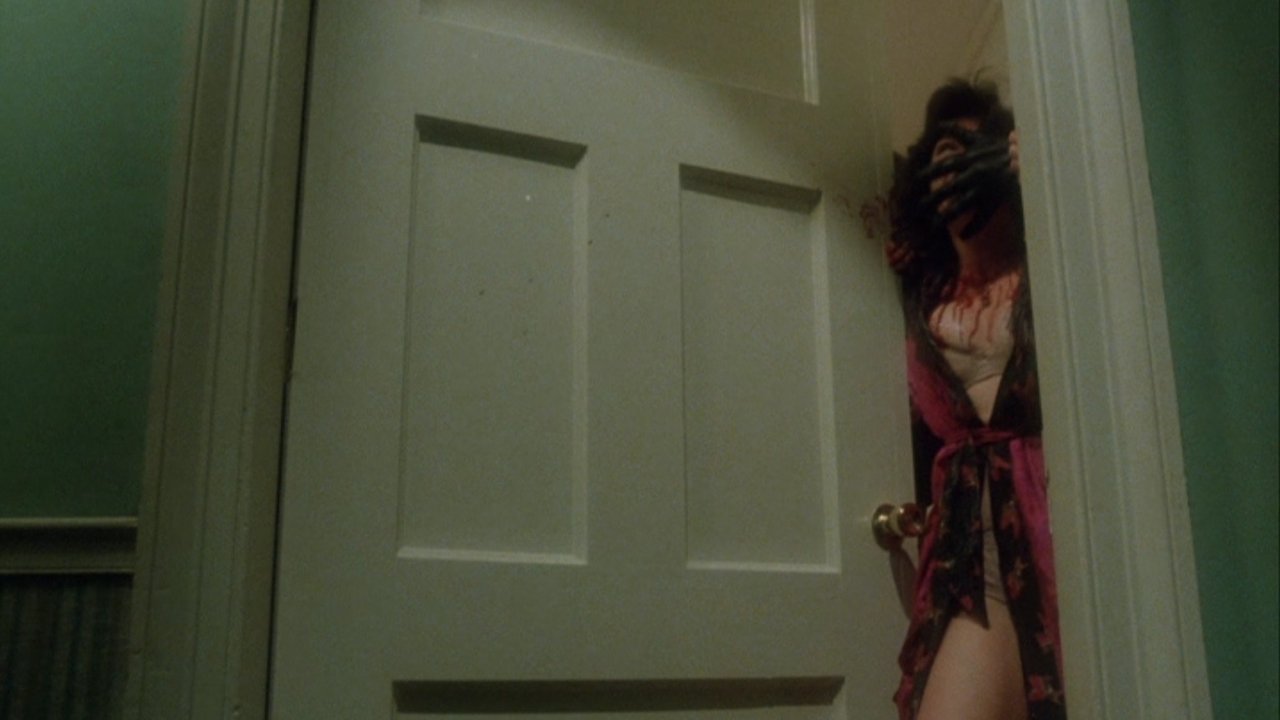
Now, for the good stuff – the reason many of us rented these movies in the first place. The kills. Night School doesn’t shy away, especially for 1981. The decapitations are the main event, and while they might seem tame compared to today's CGI-splattered extravaganzas, they had a real visceral impact back then. Remember how those quick cuts combined with surprisingly graphic prosthetic head shots could make you jump? That was the magic of practical effects – tangible, messy, and somehow more disturbing because you knew something physical was created for that shot. Interestingly, the film had to be trimmed to secure an R rating in the US, but thankfully, uncut versions later surfaced on home video, delivering the slightly grimier experience the filmmakers likely intended. And while not a complex action sequence, the killer's motorcycle pursuits add a nice touch of urban menace, feeling grounded and dangerous in that classic 80s way – real bikes, real streets, real stakes.
A Most Unexpected Professor
Here’s a truly fascinating bit of retro trivia: Night School was directed by Ken Hughes. Yes, the same Ken Hughes who gave us the whimsical family classic Chitty Chitty Bang Bang and the historical epic Cromwell! It’s a directorial choice almost as surprising as seeing Mary Ingalls knee-deep in decapitations. Did his diverse background influence the film? Maybe in its slightly more deliberate pacing compared to some slashers, or perhaps in the attempt (not always successful) to layer in some psychological elements alongside the gore. It wasn't Hughes' only foray into darker territory (Casino Royale's spy spoof elements aside), but it certainly stands out on his varied résumé. Also look out for early appearances by a very young Rachel Ward (just before The Thorn Birds made her a household name) in a small but memorable role, and E. G. Daily (credited as Elizabeth Daily), who would later voice Tommy Pickles!
Forgotten Gem or VHS Dust Collector?
Written by Ruth Avergon (reportedly her only produced screenplay), Night School isn't rewriting the slasher rulebook. It follows many familiar beats: the red herrings, the final chase, the slightly predictable twist. Yet, it distinguishes itself with that gritty Boston atmosphere, Anderson’s against-type performance, and those unflinching (for the time) practical gore effects. It wasn't a box office smash, finding its true life, like so many genre flicks of the era, on grainy VHS tapes passed between friends or discovered late at night on cable TV. It embodies that specific type of early 80s slasher – less formulaic than what came later, a bit rough around the edges, but possessing a certain down-and-dirty charm.
Final Score & Eject Button
Night School earns a solid 6/10.
It's not top-tier slasher royalty, but it's a fascinating and atmospheric entry from the genre's formative years. It boasts a genuinely surprising director, a notable lead performance breaking type, and practical kills that still carry a certain gritty weight. For fans digging through the crates for overlooked early 80s horror with a distinct urban chill, this Boston-based beheading spree remains a surprisingly effective lesson in dread, perfectly suited for a late-night viewing with the tracking slightly off.