Okay, settle in and let's dim the lights. Tonight, we're looking at a film that arrived right at the cusp of the new millennium, Sally Potter's The Man Who Cried (2000). Now, I know what you might be thinking – 2000? Isn't that a bit late for VHS Heaven? Technically, yes. But this film feels steeped in the artistic sensibilities and carries the weight of talent so familiar from our beloved 90s shelves that it practically begs for inclusion. It possesses a certain melancholic beauty and deliberate pacing that feels like a spiritual cousin to the independent cinema that blossomed in the decade prior, and chances are, if you were still haunting the rental aisles then, this one might have caught your eye with its intriguing cover and star-studded cast.
A Journey Etched in Silence
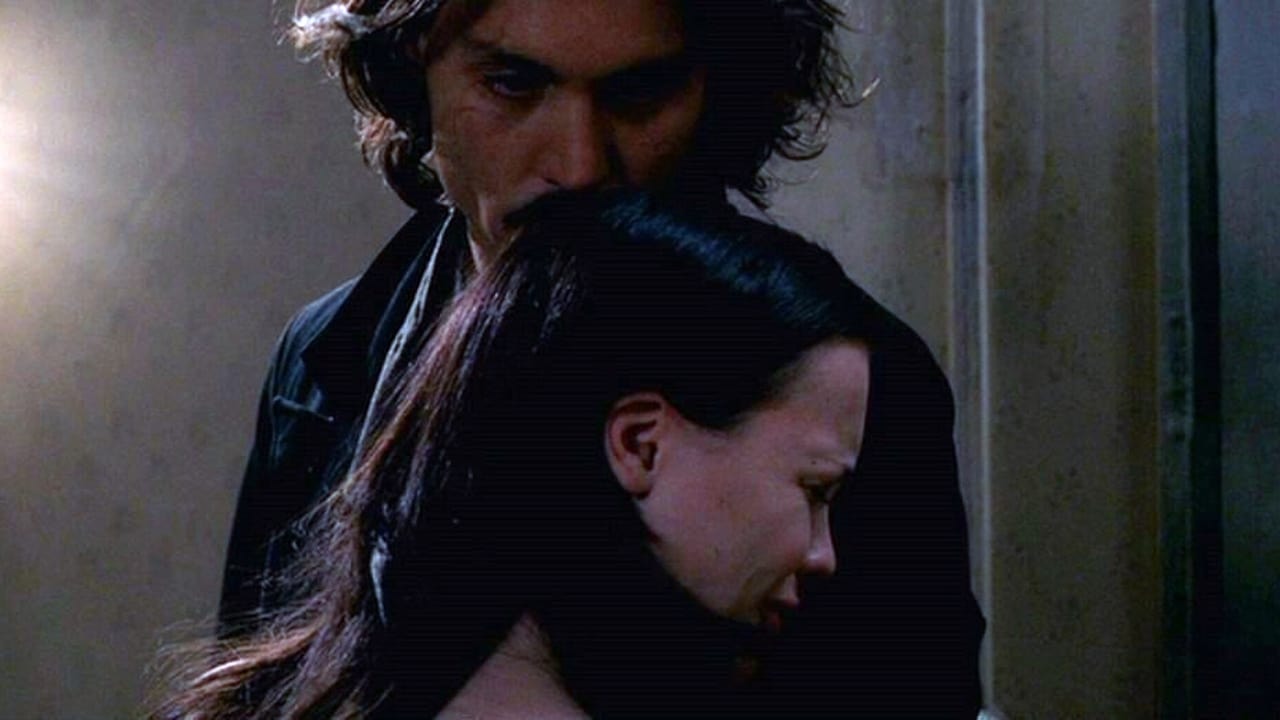
The film opens with a heart-wrenching departure: a young Jewish girl, Fegele, is sent away from her Russian village in 1927 for a chance at survival in America. Separated from her father, she lands in England, is renamed Suzie, and forbidden to speak her native Yiddish. This foundational trauma shapes Christina Ricci's central performance. Known to many of us from her unforgettable 90s roles in films like The Addams Family (1991) and Sleepy Hollow (1999), Ricci here embodies Suzie with a profound stillness. Her character is an observer, absorbing the world through wide, watchful eyes, her silence a heavy cloak of displacement and unspoken longing. It’s a performance built on nuance rather than dialogue, conveying years of history and hurt in a glance or a hesitant gesture. Her journey eventually leads her to Paris, working in an opera company just as the shadows of war begin to stretch across Europe.
Paris on the Brink
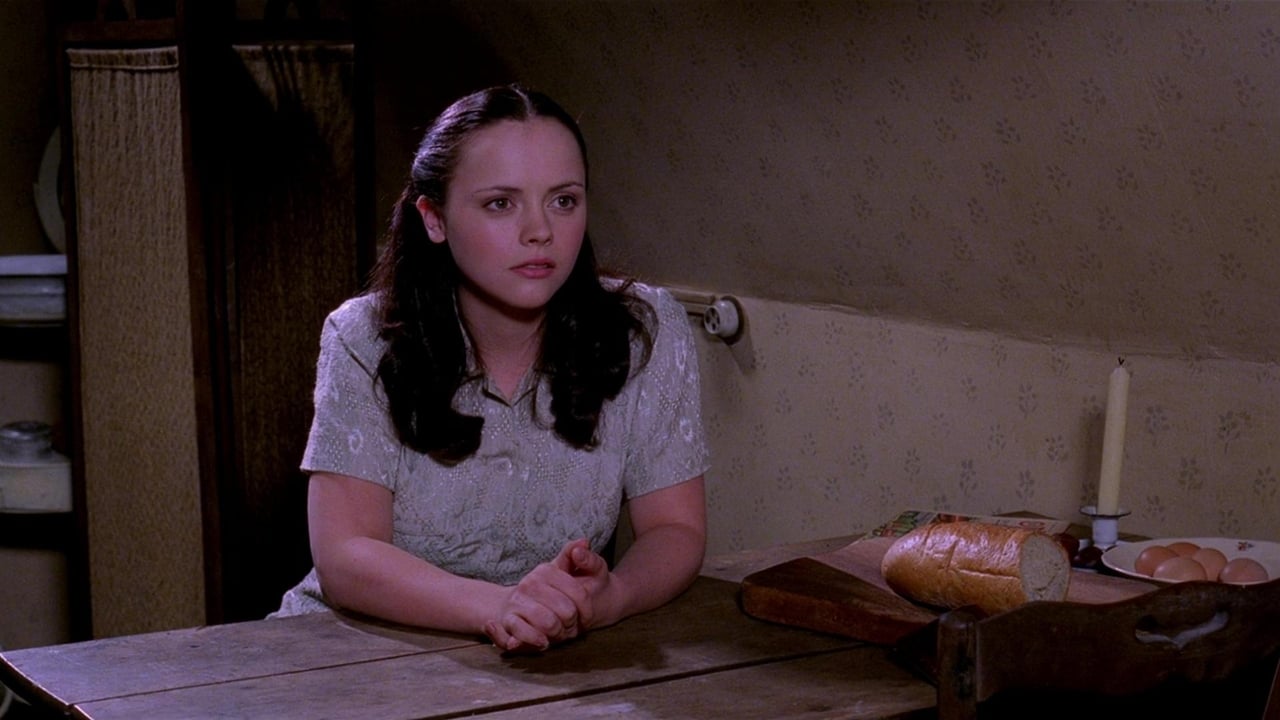
Paris in the late 1930s is depicted not just as a city of light, but one simmering with tension and unspoken anxieties. Here, Suzie finds a fragile camaraderie and sharp contrast in Lola, a fellow émigré, a gold-digging Russian dancer played with brittle ambition by Cate Blanchett. Fresh off her breakout role in Elizabeth (1998), Blanchett gives Lola a surface glamour that barely conceals her desperation and opportunism. Their cramped apartment life provides some of the film's more intimate moments, highlighting the different ways people cope with being outsiders.
The opera house itself becomes a microcosm of the larger world stage. John Turturro, a familiar face from Coen Brothers classics like Barton Fink (1991), delivers a compelling performance as Dante Dominio, the company's celebrated Italian tenor. He’s arrogant and puffed-up, yet possesses a vulnerability linked to his fascist sympathies, which become increasingly dangerous as the political climate darkens. His powerful voice fills the theatre, yet his moral compass seems frighteningly adrift.
And then there's Cesar, the enigmatic Romani horseman, played by Johnny Depp. Reuniting with Ricci after Sleepy Hollow, Depp delivers a performance almost entirely without English dialogue, communicating through presence, physicality, and his character's connection to his horses. Cesar represents another kind of outsider, one who belongs to a community facing persecution yet seems rooted in his identity in a way Suzie struggles to be. Their connection is tentative, built on shared glances and unspoken understanding, a quiet counterpoint to the opera's grand drama. Potter reportedly wanted Depp for his expressive eyes, feeling he could convey the necessary depth without relying on language – a choice that largely pays off, adding to the film's often ethereal quality.
A Visual and Aural Tapestry
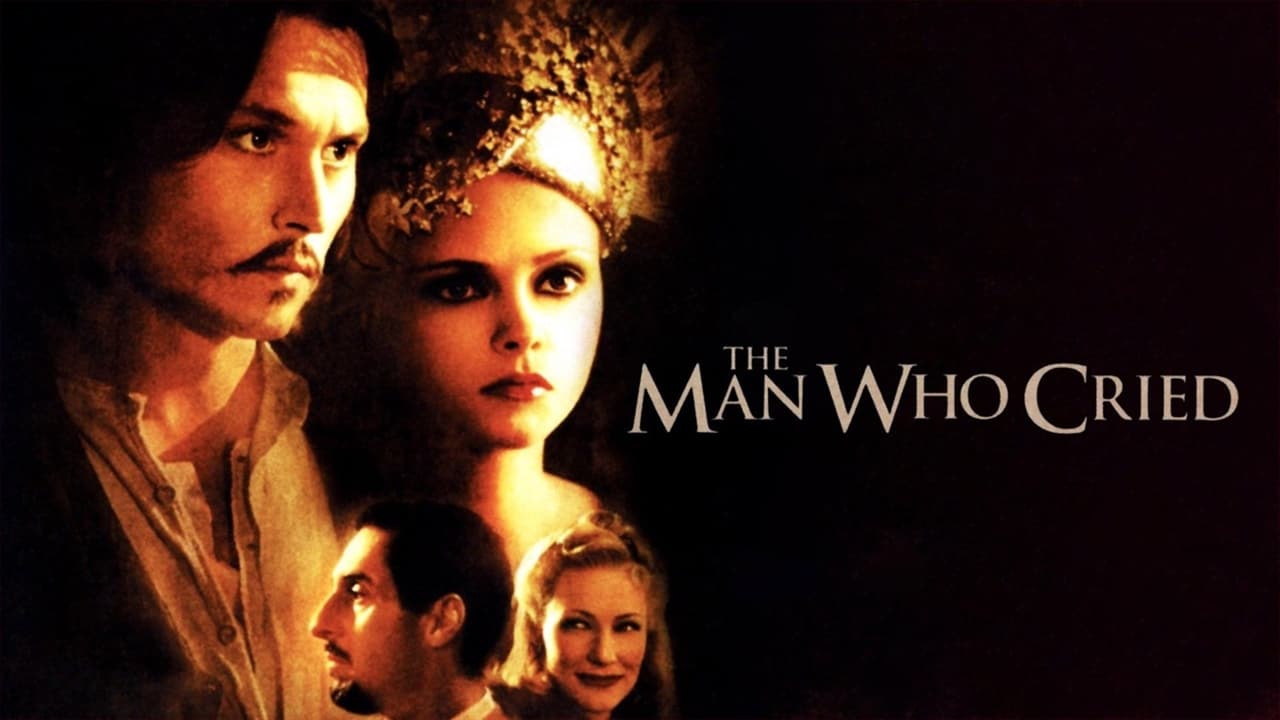
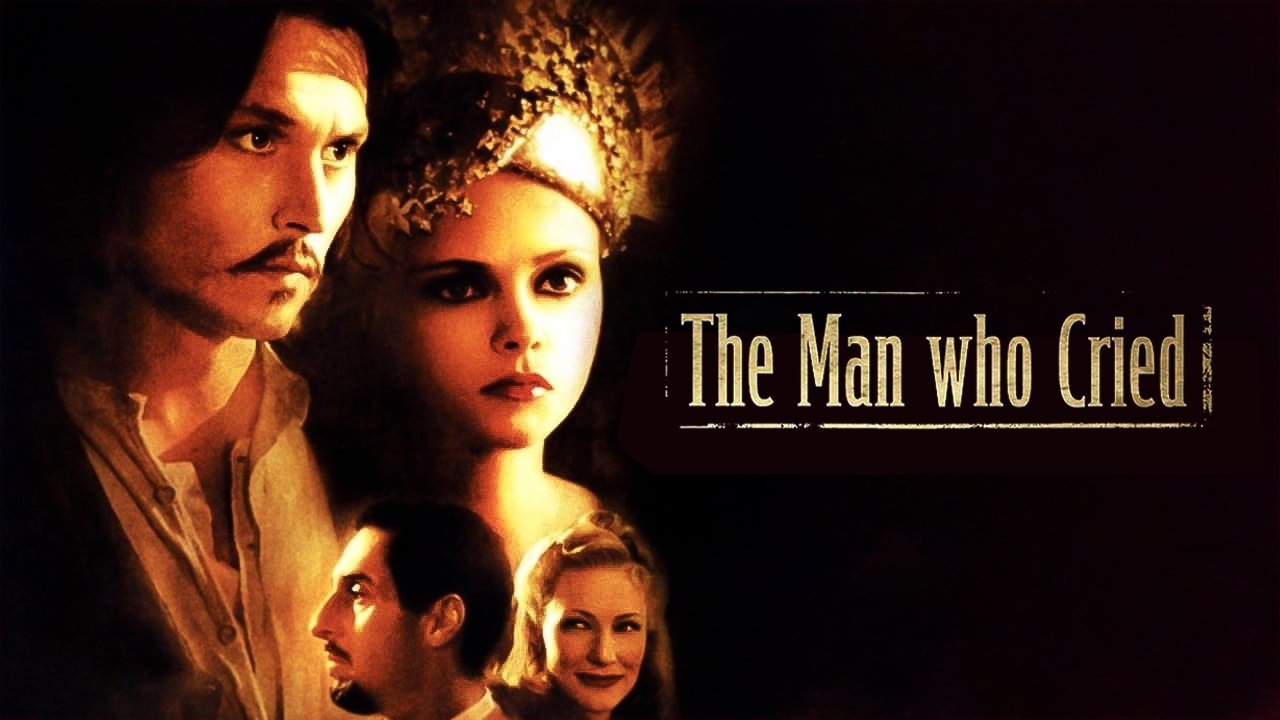
Sally Potter, who also directed the visually stunning Orlando (1992), brings a distinct painterly eye to The Man Who Cried. Working with legendary cinematographer Sacha Vierny (known for his collaborations with Alain Resnais and Peter Greenaway), she crafts sequences of haunting beauty. The use of colour is deliberate – rich reds and golds dominate the opulent opera world, contrasting with the muted tones of Suzie's solitary existence. The compositions often feel like carefully arranged tableaux, emphasizing the characters' isolation even when surrounded by others.
Music isn't just accompaniment here; it's practically a character in itself. The score by Osvaldo Golijov, interwoven with passionate opera arias (including pieces from Bizet's Les pêcheurs de perles), underscores the emotional currents running beneath the surface. Dante's powerful singing voice (provided by Salvatore Licitra) is both majestic and unsettling, reflecting the precariousness of beauty in a world sliding towards brutality. Suzie’s own journey is tied to finding her voice, both literally and metaphorically, making the musical landscape central to the narrative.
Echoes in the Quiet
While the film boasts stunning visuals and strong performances, its deliberate, almost languid pacing and sometimes thinly sketched narrative drew mixed reactions upon release. It's less concerned with intricate plotting than with evoking a mood – the pervasive sense of displacement, the search for identity, the rising tide of anti-Semitism and xenophobia in pre-war Europe. What does it mean to be voiceless in a world on the verge of shouting? How do you find connection when your very existence feels provisional? These are the questions Potter seems more interested in exploring, allowing moments of quiet observation to speak volumes.
It's true that some character motivations remain opaque, and the historical context sometimes feels more like a backdrop than a driving force. Yet, there's an undeniable power in its atmosphere and in the performances, particularly Ricci's portrayal of quiet endurance. It's a film that lingers, perhaps not through dramatic twists, but through its evocative imagery and the resonance of its themes. Filming took place across England, France, and Spain, adding an authentic sense of place to Suzie's peripatetic life.
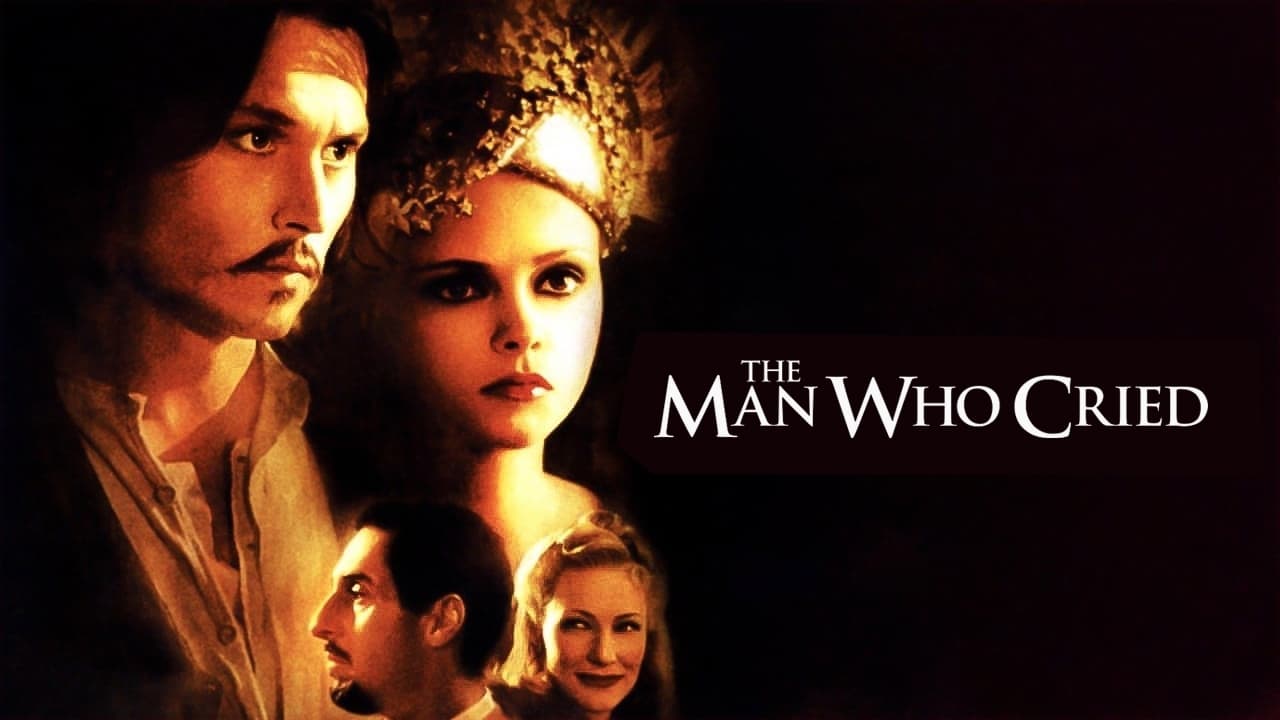
Rating: 7/10
The Man Who Cried earns a 7 out of 10. While its narrative can feel understated to the point of occasionally meandering, and some characters might seem more symbolic than fully fleshed out, the film's artistic ambition is undeniable. The stunning cinematography, the integral role of music, and the committed performances (especially Ricci's quiet intensity and Turturro's fragile bombast) create a unique and often moving cinematic experience. It successfully evokes the specific anxieties of its historical moment while exploring timeless themes of identity and belonging. For those of us who appreciate the more contemplative, visually rich independent films that graced the late 90s, this 2000 release feels like a worthy, if melancholic, coda to that era.
It’s a film that reminds us that sometimes the most profound stories are told not in grand declarations, but in the silences between the notes. What truly stays with you is the feeling of watching, waiting, and listening alongside Suzie, hoping for a reunion that feels both essential and terrifyingly fragile.