Okay, fellow travelers in time and tape, let's dust off a different kind of gem today. Not a laser-grid actioner or a synth-scored slasher, but something altogether grander, something that arrived just as the VHS era was yielding to the digital dawn. I'm talking about Andrzej Wajda's breathtaking 1999 adaptation of Poland's national epic, Pan Tadeusz. It might not have been the tape perpetually stuck in your VCR next to Die Hard, but watching it now feels like unearthing a treasure chest – heavy, ornate, and filled with stories that resonate across borders and decades.
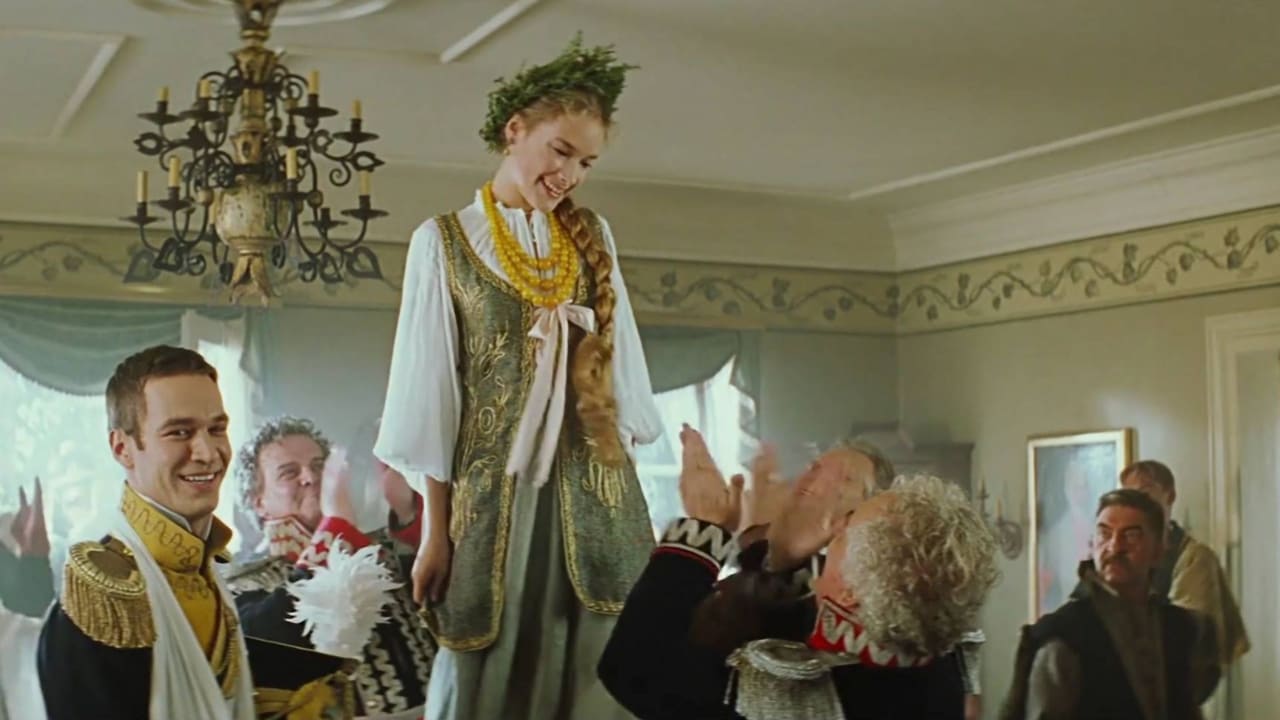
Taking on a National Monument
Imagine the audacity, the sheer weight of expectation, in deciding to film a work so deeply ingrained in a nation's soul. Adam Mickiewicz's 1834 poem Pan Tadeusz isn't just literature in Poland; it's practically scripture, a foundational text studied by every schoolchild, capturing a romanticized vision of Polish gentry life in Lithuania on the eve of Napoleon's invasion of Russia in 1812. Bringing this sprawling, rhyming epic – filled with feuding families, political intrigue, burgeoning romance, and deep-seated patriotism – to the screen? That required a filmmaker of immense stature and courage. Thankfully, Poland had Andrzej Wajda. Already a titan of world cinema (Wajda gave us searing political dramas like Man of Iron (1981) and Ashes and Diamonds (1958)), he approached this project not just as a director, but seemingly as a national custodian.
Stepping Into a Painting
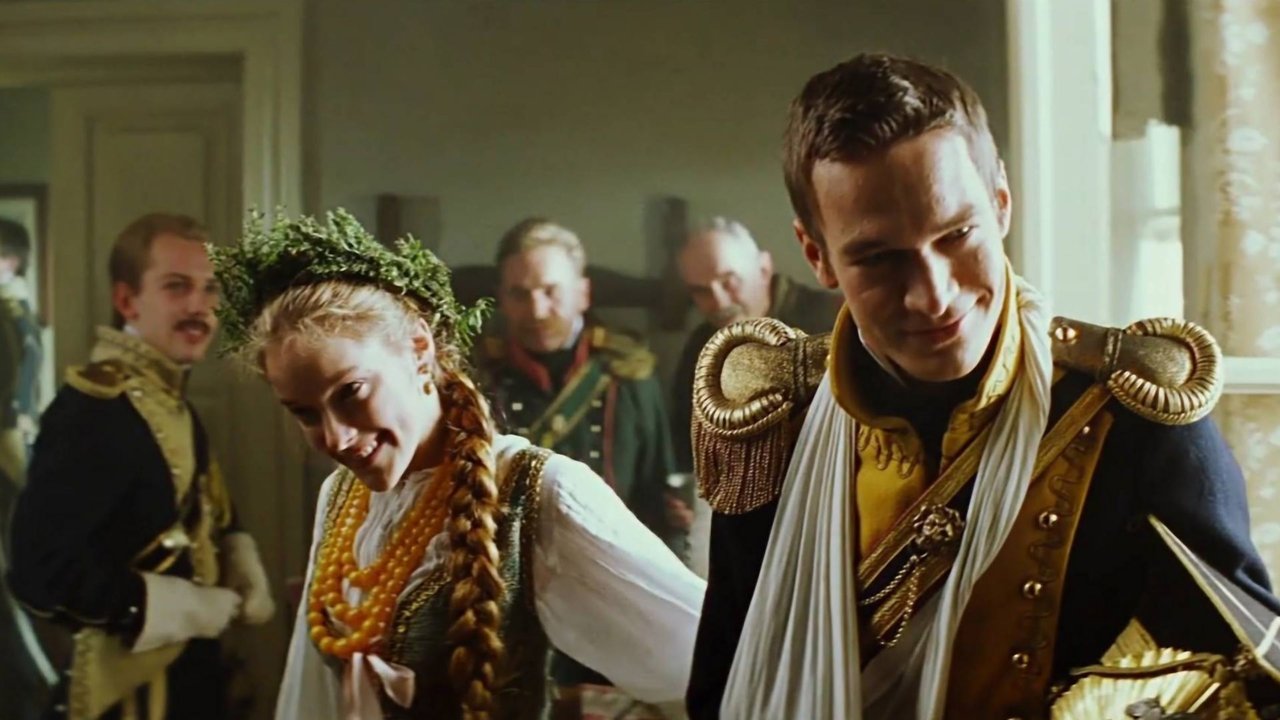
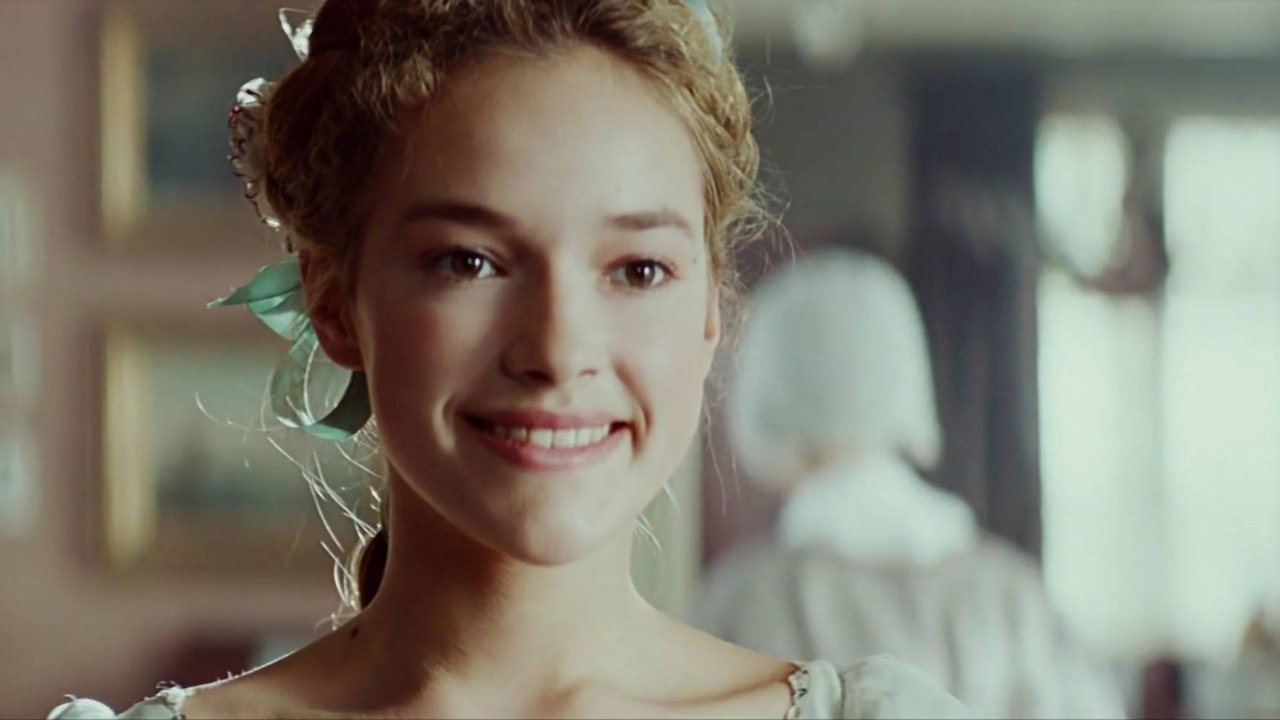
What strikes you first, even now, is the sheer visual opulence. This isn't just filmmaking; it's world-building on a lavish scale. Wajda, working with cinematographer Paweł Edelman (who would later shoot The Pianist (2002)), paints with light and landscape. The sun-drenched fields, the deep, mysterious forests where mushrooms are gathered with almost ceremonial reverence, the candle-lit interiors of the Soplica manor – every frame feels meticulously composed, like stepping into a series of 19th-century paintings. The attention to detail in the period costumes and production design is remarkable. It avoids feeling like a stuffy museum piece; instead, it creates a palpable sense of time and place, a lost world brimming with life, tradition, and simmering tension. I remember seeing it for the first time, perhaps on an early DVD rather than tape, and being struck by how tangible it all felt, a far cry from the often grittier aesthetic of many 90s films.
Faces in the Crowd
A story this dense relies heavily on its ensemble cast, and Wajda assembled some of Poland's finest actors. Bogusław Linda, often known for tougher roles (think Psy (1992) - a Polish cult classic), brings a haunted gravitas to the enigmatic priest Father Robak, whose secrets drive much of the plot. The titular Tadeusz (Michał Żebrowski) and the beautiful Zosia (Alicja Bachleda-Curuś) embody youthful innocence caught in the sweep of history and family obligation. But it’s perhaps the veterans who anchor the film’s emotional weight. Daniel Olbrychski, a frequent Wajda collaborator since the 60s, is magnetic as the fiery Gerwazy, nursing an ancient grudge. And Grażyna Szapołowska radiates intelligence and conflicted desire as Telimena, whose sophisticated presence complicates the romantic threads. The performances feel grounded, even amidst the poetic language (much of which is adapted directly from Mickiewicz), capturing the blend of honour, pride, folly, and deep-seated longing that defines these characters.
More Than Just Swordplay and Scenery
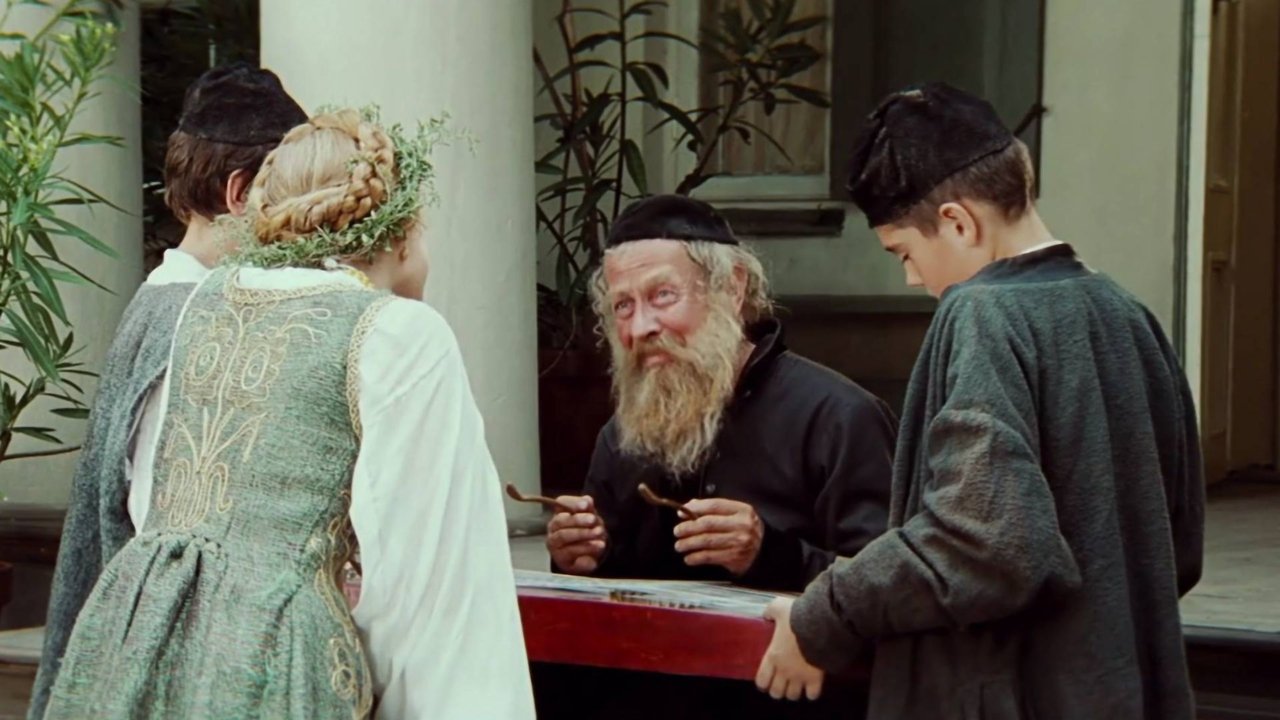
While Pan Tadeusz has its share of dramatic confrontations – including a wonderfully chaotic, almost farcical gentry skirmish – its power lies less in action and more in its exploration of identity, belonging, and the bittersweet ache of nostalgia for a homeland under threat. It's about the pull of tradition versus the desire for change, personal grievances set against the backdrop of monumental historical shifts. Wajda masterfully balances the intimate dramas – the stolen glances, the whispered secrets, the family arguments – with the larger themes of patriotism and the dream of liberation. He doesn't shy away from the flaws of this society, its stubbornness and penchant for squabbles, but he portrays it all with an underlying affection.
One fascinating tidbit: adapting a 13-canto rhyming poem into natural-sounding dialogue was a Herculean task. The screenwriters (Wajda, Piotr Wereśniak, Jan Nowina Zarzyba) cleverly integrated Mickiewicz's famous verses, often using them as narration or finding ways to make them feel organic within the scenes. It's a testament to their skill that the film flows cinematically while retaining the poetic soul of its source. The production itself was a massive undertaking for Polish cinema at the time, and its incredible success at the domestic box office proved how deeply the story resonated.
A Rich Tapestry Worth Unraveling
Pan Tadeusz isn't the kind of film you throw on for casual background noise. It demands attention, rewards patience, and offers a rich, immersive experience. It’s a reminder of the power of epic storytelling, beautifully crafted and deeply felt. It might sit slightly outside the usual definition of a "VHS Heaven" staple, but for those of us who remember the late 90s video store shelves holding not just blockbusters but also ambitious works of world cinema, it represents the kind of discovery that made browsing those aisles so rewarding. It’s a film about looking back, about cherishing a past even while grappling with its complexities – a sentiment that feels particularly relevant when we engage with the films of our own past.
Rating: 8.5/10
This score reflects the film's stunning visual artistry, the strength of its ensemble cast, and Wajda's masterful direction in tackling an incredibly challenging adaptation. It successfully translates the spirit and grandeur of the national poem to the screen, creating an immersive and emotionally resonant historical epic. While its pacing and cultural specificity might require more engagement from viewers unfamiliar with the source, its cinematic achievements are undeniable.
Final Thought: Pan Tadeusz is a love letter to a lost world, filmed with the kind of passion and scale that feels both timeless and distinctly of its ambitious, turn-of-the-millennium moment. It leaves you pondering how nations remember themselves, and the enduring power of stories to shape that memory.