Alright, fellow tape travellers, settle in. Tonight, we're digging deep into the dusty corners of the European section, past the familiar Cannon fodder and studio blockbusters, to unearth a truly bizarre and brilliant gem: 1982’s Yugoslavian dark comedy masterpiece, The Marathon Family (Maratonci trče počasni krug). If you ever stumbled across this one on a grainy, perhaps nth-generation copied tape, maybe with wonky subtitles, consider yourself lucky. This isn't your standard Hollywood fare; it's something far stranger, funnier, and frankly, more unsettling.
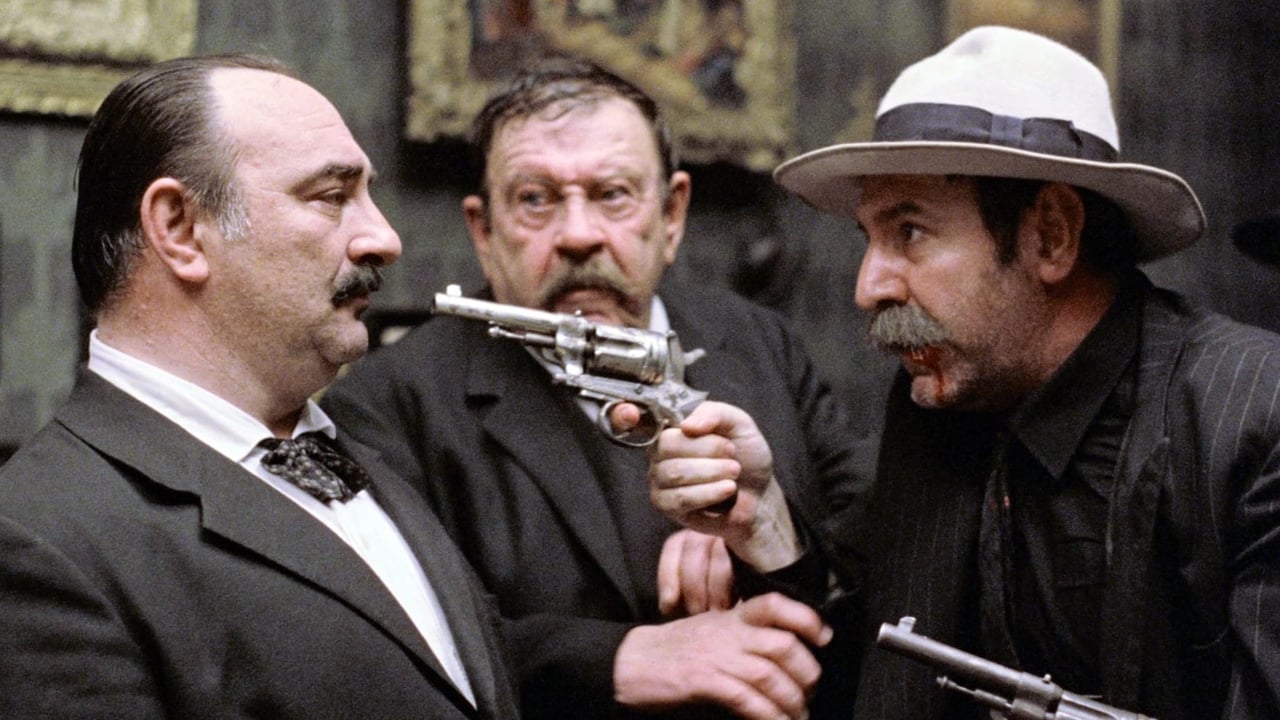
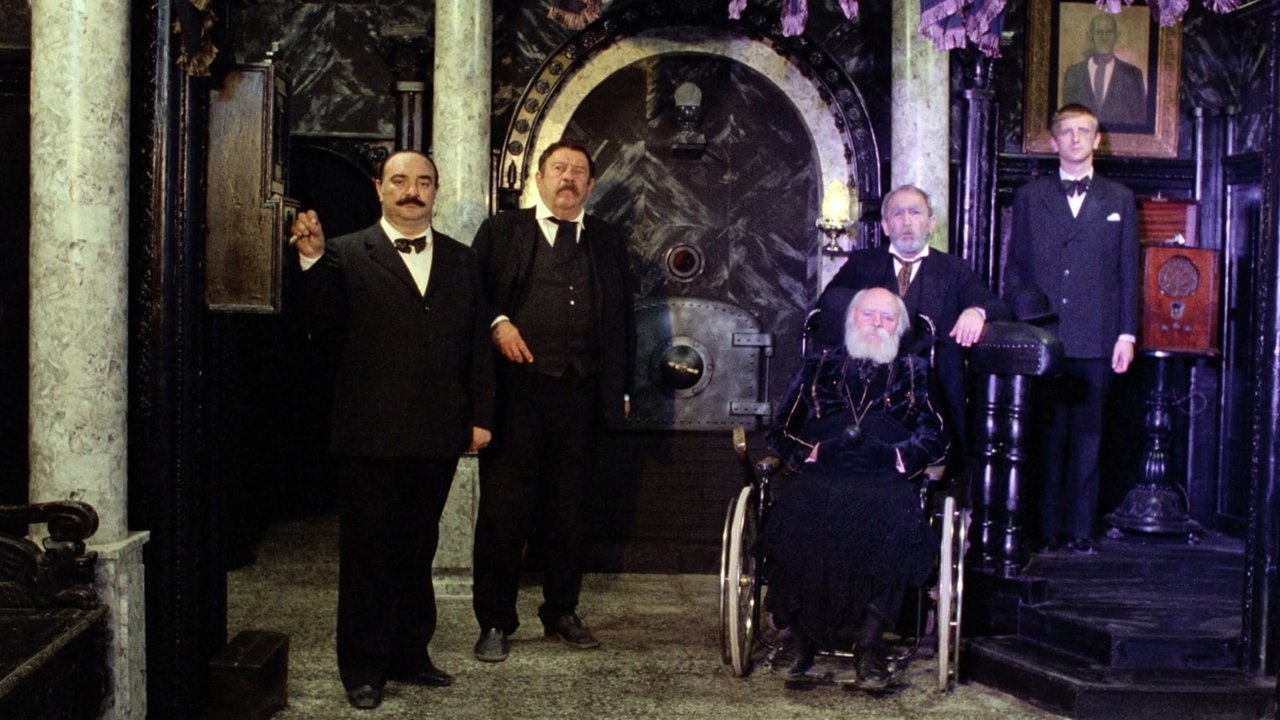
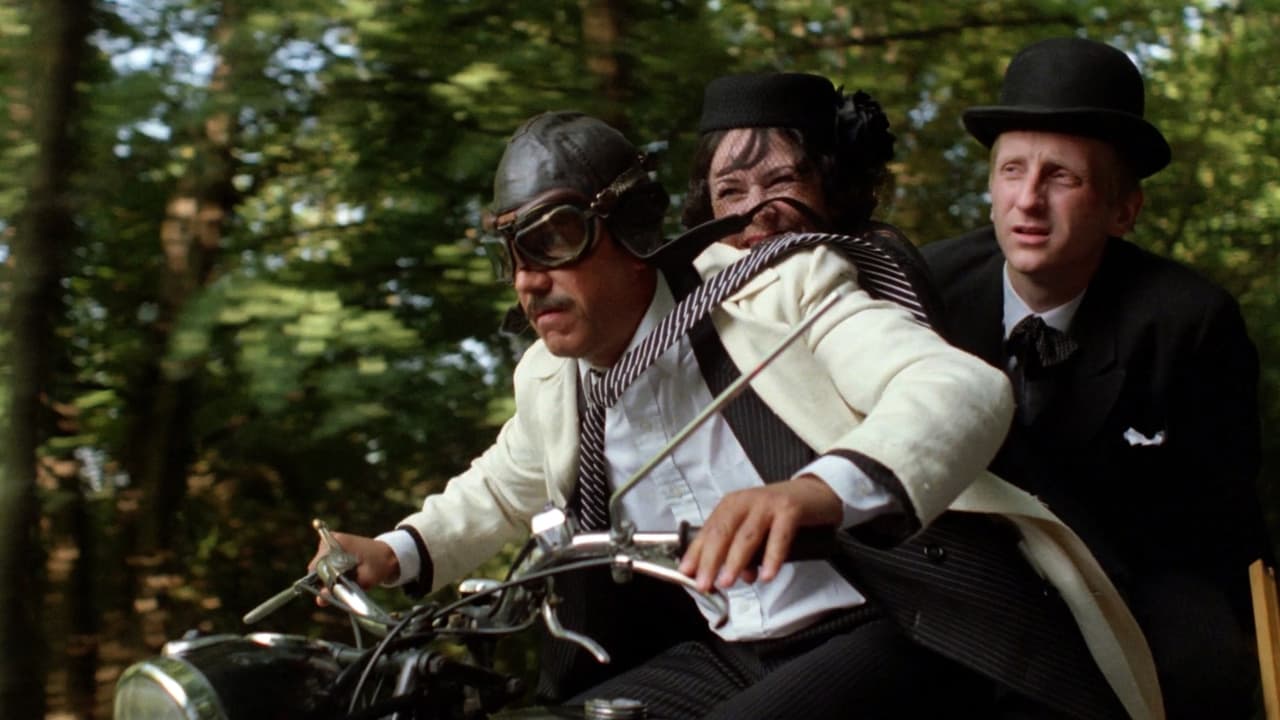
Imagine this: a family business stretching back over a century, dealing exclusively in death. The Topalović clan are undertakers, and their household is... crowded. Six generations of men, ranging from the ancient, barely lucid Pantelija (played by the legendary Mija Aleksić) down to the youngest, Mirko (Bogdan Diklić), all cohabitate in a sprawling, perpetually gloomy house adjacent to their coffin workshop. Forget the Waltons; this is the Addams Family by way of Balkan existential dread, seasoned with pure, unadulterated greed.
Generations of Grime and Greed
The film, penned by the acclaimed playwright Dušan Kovačević based on his own stage play, wastes no time establishing the pecking order and the simmering resentments within this funereal dynasty. There’s the perpetually grumpy Maksimilijan (Milivoje Tomić), the conniving Aksentije (Pavle Vujisić), the slightly smoother but equally avaricious Laki (Danilo Stojković), and his hapless son Mirko. Overseeing them all, supposedly, is the 120-year-old Pantelija, whose fleeting moments of coherence often involve demanding cake or reminiscing about wars long past. Their dialogue, dripping with Kovačević’s signature cynical wit, is a masterclass in passive (and not-so-passive) aggression, revealing generations of dysfunction held together only by the morbid family trade.
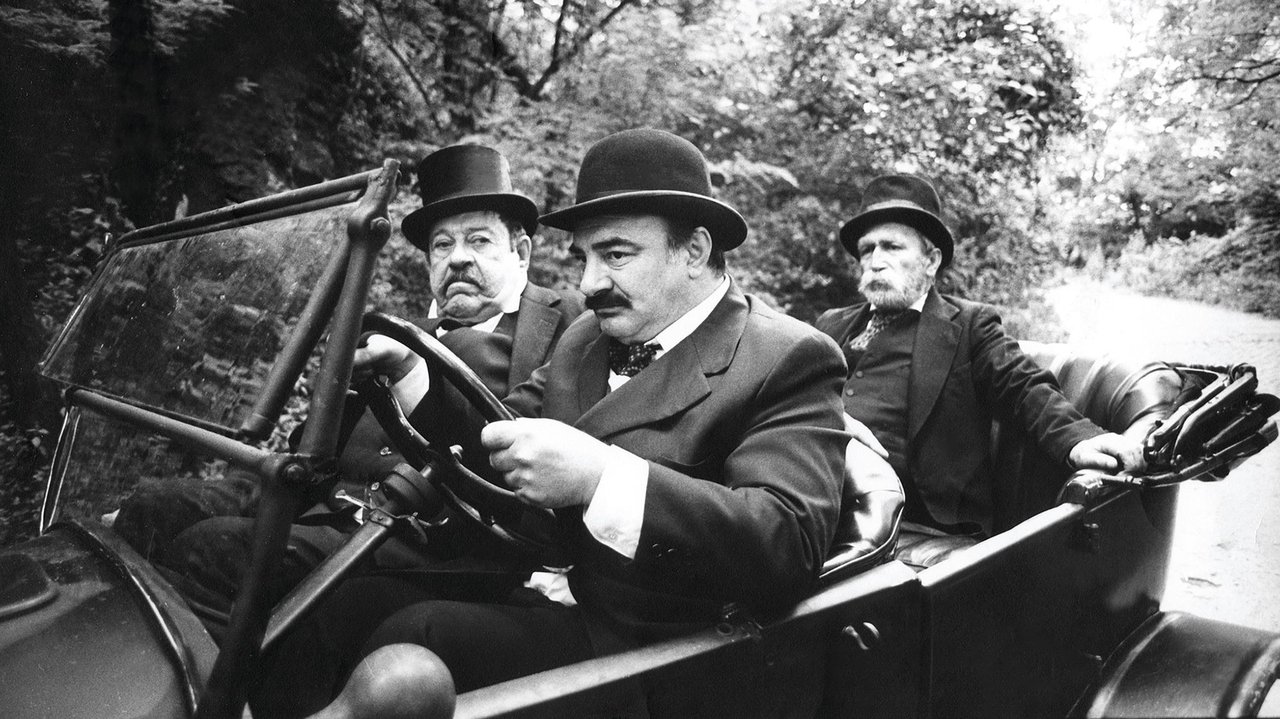
The plot, set in a small Serbian town in 1935, kicks into high gear when the ancient Pantelija finally kicks the bucket, sparking a vicious internal struggle for control of the business and the family fortune. This coincides with young Mirko’s burgeoning obsession with a newfangled invention: cinema. He dreams of escaping the coffin dust for the silver screen, much to the disgust of his elders who see filmmaking as frivolous compared to the respectable business of burying people. This clash between the grim tradition of the Topalovićs and the allure of modern entertainment forms one of the film’s darkly comic threads. Mirko’s attempts to film the family, capturing their grotesque behaviour, feel almost like a meta-commentary delivered decades early.
Dark Laughs in Broad Daylight
What makes The Marathon Family burrow under your skin is its audacious tone. Director Slobodan Šijan, who also gave us the equally brilliant and beloved Yugoslav classic Who's Singin' Over There? (1980), orchestrates the proceedings with a steady hand, finding humor in the most macabre situations without ever shying away from the inherent darkness. This isn't slapstick; it's biting satire aimed squarely at greed, hypocrisy, patriarchal structures, and the often-absurd nature of human ambition. Remember the scene where they 'test' a coffin's durability? It’s played for laughs, but there’s a chilling undercurrent.
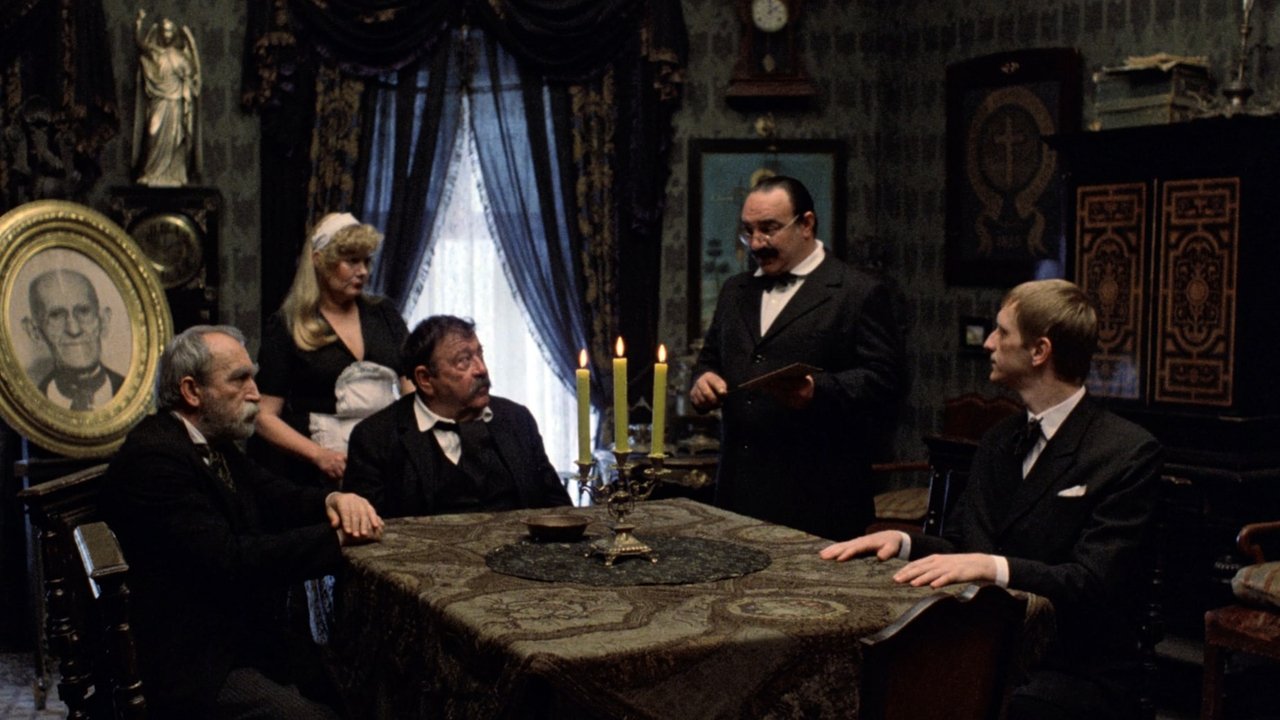
The performances are uniformly incredible, featuring a who's-who of Yugoslav acting royalty. Danilo Stojković as Laki is particularly memorable – scheming, bullying, yet somehow pitiably trapped. Pavle Vujisić, a titan of Balkan cinema, brings a weary menace to Aksentije. And Bogdan Diklić perfectly captures Mirko's desperate desire for escape, his wide eyes reflecting both the wonder of film and the horror of his family. These weren't actors just hitting their marks; they inhabited these grotesque characters with a lived-in authenticity that makes the absurdity feel grounded, almost disturbingly real.
There’s a tactile quality to the filmmaking, typical of much Eastern European cinema from this era. Forget slick CGI – the grit is the point. The dusty workshop, the oppressive interiors of the house, the slightly faded look of the town square – it all feels tangible, enhancing the film’s unique atmosphere. This wasn't a big-budget spectacle; it was crafted with ingenuity and a focus on character and script, reflecting the resourcefulness often required in filmmaking outside the Hollywood system. The film reportedly cost very little, relying instead on the immense talent involved and Kovačević’s razor-sharp script.
A Legacy Etched in Acid
While perhaps not a household name on Western VHS shelves, The Marathon Family became an absolute phenomenon in its native Yugoslavia and remains a deeply quoted cult classic across the Balkan region. Its lines have entered the popular lexicon, testament to Kovačević’s genius and the unforgettable characters. It’s a film that uses the past (1935) to comment on timeless human failings, presented through a uniquely Balkan lens of dark, fatalistic humor. The ending (Spoiler Alert! though arguably the film's bleak trajectory makes it inevitable) is famously abrupt and brutal, leaving the audience reeling – a final, cynical punchline that solidified its cult status.
Watching it today, the film feels remarkably undated in its themes. The black comedy still bites, the satire remains sharp, and the characters are as monstrously compelling as ever. It’s a reminder that brilliant, challenging cinema was thriving far beyond the multiplexes we frequented back in the day.
VHS Heaven Rating: 9/10
Justification: The Marathon Family earns this high score for its sheer audacity, brilliant writing, unforgettable performances, and masterful direction. It's a near-perfect blend of macabre humor and sharp social satire, executed with a raw, grounded style that feels uniquely authentic. It loses a single point only because its very specific cultural context and bleakness might not connect universally, but for fans of dark comedy and world cinema, it's essential.
Final Cut: Forget feel-good family dramas; the Topalovićs offer a hilariously morbid alternative that sticks with you long after the tape stops rolling. A true Balkan masterpiece that proves dysfunction is the deadliest inheritance of all. Seek it out – just maybe don’t watch it right before a family dinner.