Okay, settle in, grab your beverage of choice, and let's rewind the tape. Forget the slick, hyper-edited comedies of today for a moment. We're diving headfirst into the glorious, slightly fuzzy, utterly charming world of 1979's Gol Maal. This isn't just a movie; for many of us who haunted video libraries in the 80s and 90s, finding a copy felt like striking gold. It was, and remains, one of those perfect comfort watches, a masterclass in situational comedy helmed by the legendary Hrishikesh Mukherjee.
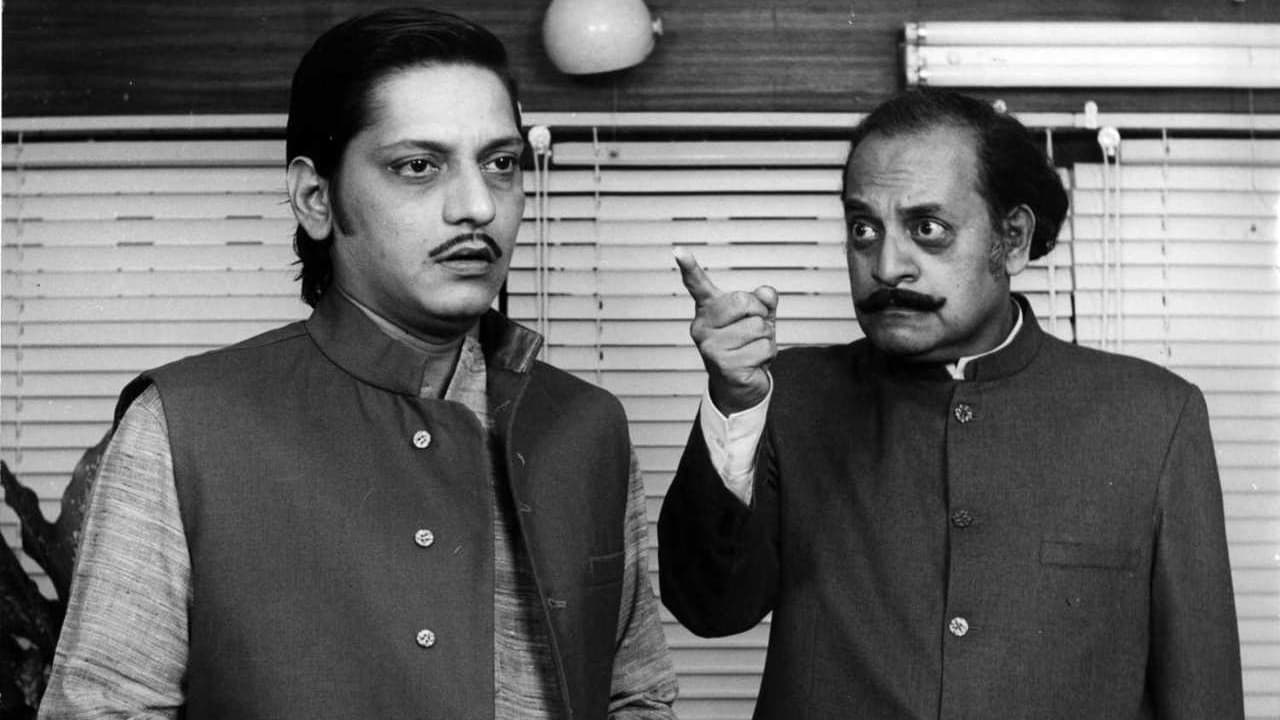
The premise itself is pure comedic genius, rooted in the anxieties of securing that all-important job. Enter Ramprasad Dashrathprasad Sharma, played with pitch-perfect earnestness by the king of the 'common man' persona, Amol Palekar. Ram desperately needs work and lands an interview with the formidable Bhavani Shankar (Utpal Dutt), a man whose traditionalist ideals are as rigidly starched as his kurtas. Bhavani detests modern youth, believes moustaches signify character, and wouldn't hire anyone interested in frivolous things like... well, anything fun, especially sports.
### The Immaculate Deception (and the Moustache)
So, what does our smart, sports-loving, clean-shaven Ram do? He crafts the perfect employee persona: a simple, kurta-clad, devotedly traditional young man, complete with a glued-on moustache! It works! He gets the job. But, as fate and hilarious screenwriting would have it, Bhavani spots Ram – sans moustache and deeply engrossed in a hockey match. Cue panic! Instead of confessing, Ram invents a non-existent twin brother: the flamboyant, modern, utterly irresponsible Lakshmanprasad Sharma, or "Lucky".
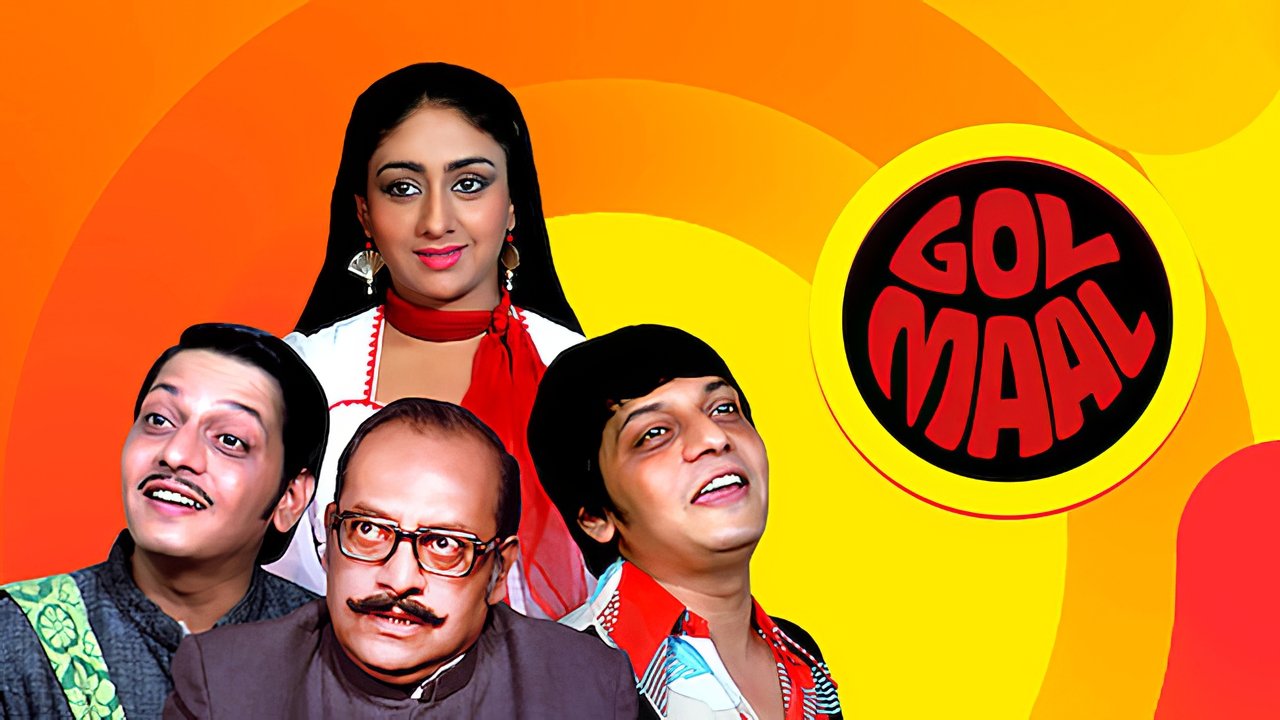
This is where Gol Maal truly takes flight. Palekar’s performance is a joy, switching seamlessly between the meek, obedient Ramprasad and the carefree, slightly roguish Lucky. It’s a masterclass in subtle shifts – a change in gait, a different vocal inflection, the presence or absence of that crucial moustache. Remember how convincing that felt, even on a slightly worn VHS tape? There's no CGI trickery here, just pure acting chops selling the duality. Watching Bhavani Shankar, a man of unshakeable beliefs, get progressively bewildered by the supposed antics of these 'twin' brothers is where the comedic gold lies. His sputtering exasperation, punctuated by that iconic "Eeessshhh!", is comedic timing perfected.
### Hrishida's Gentle Touch
You can’t talk about Gol Maal without celebrating the director, Hrishikesh Mukherjee. Known for gems like Anand, Chupke Chupke, and Bawarchi, 'Hrishida' had this incredible knack for finding humour and heart in everyday middle-class life. His direction here is beautifully understated. He doesn't rely on slapstick or cheap gags; the humour flows organically from the situation and the brilliantly drawn characters. There's a warmth and simplicity to the filmmaking that feels incredibly refreshing. A fun bit of trivia: Mukherjee apparently got the idea for the film from an earlier Bengali film, Kancha Meetha, but gave it his own unique, unforgettable spin. The dialogue, penned by Rahi Masoom Raza (who also wrote the iconic dialogues for the Mahabharat TV series!), is sharp, witty, and perfectly captures the clash between tradition and modernity. And let's not forget the lovely, hummable tunes by R.D. Burman, especially the timeless "Aane Wala Pal Jaane Wala Hai".
### The Pillar of Principled Fury
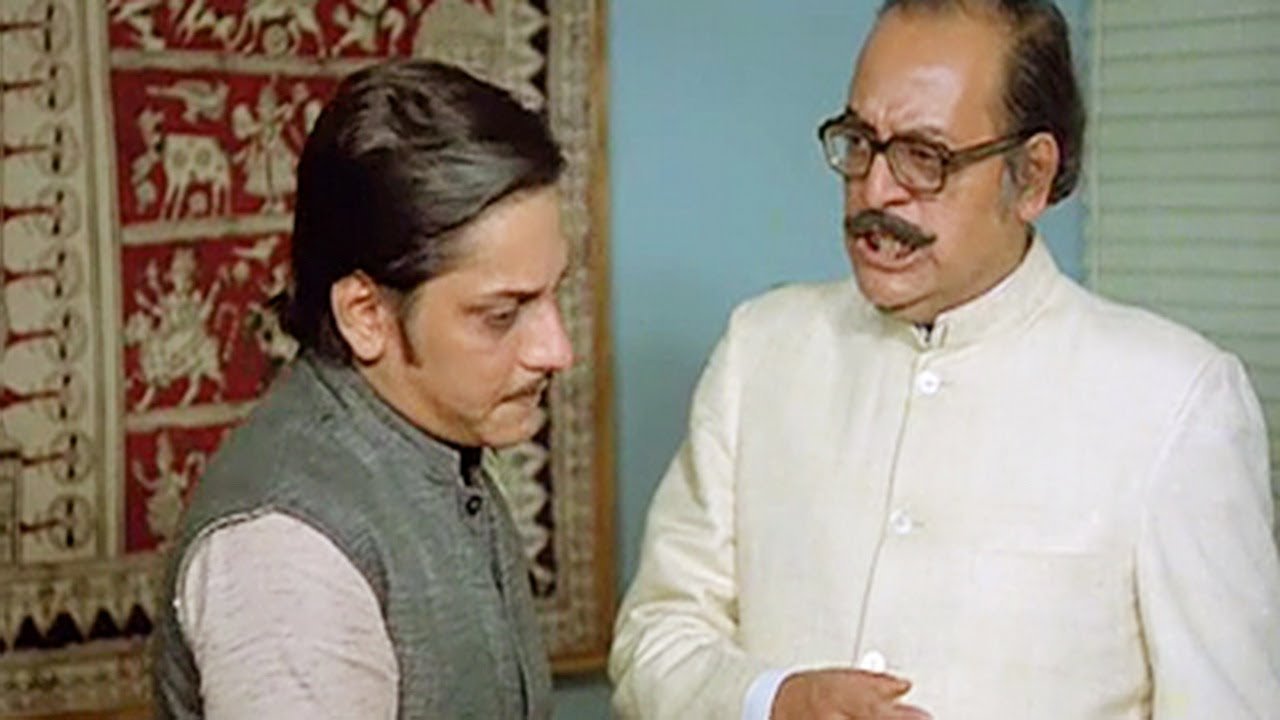
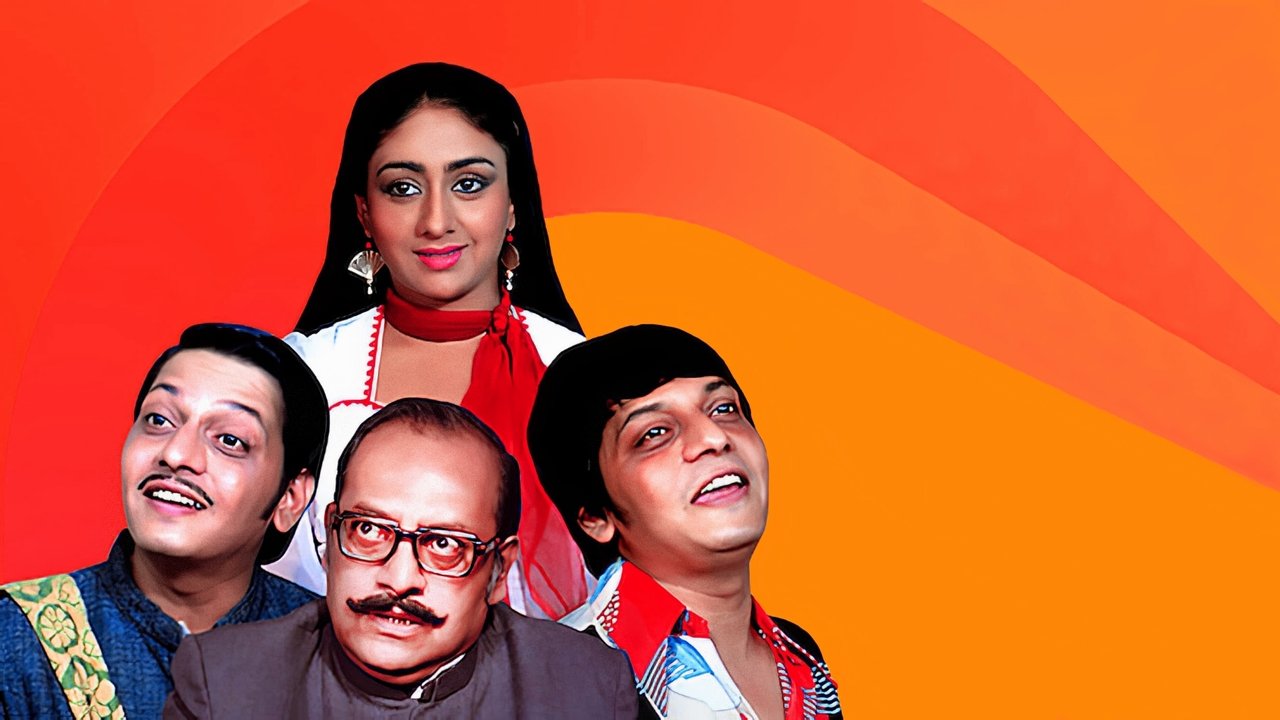
While Palekar carries the film's central conceit, Utpal Dutt arguably steals the show. His Bhavani Shankar isn't just a caricature; he’s a man utterly convinced of his worldview, making his gradual unraveling all the funnier. Dutt, a stalwart of Bengali theatre and cinema, brings such gravitas to the role that his comedic reactions land with explosive force. His performance rightly earned him the Filmfare Award for Best Comedian. It’s said that Dutt based some of Bhavani's mannerisms on a real person he knew! Supporting actors like Bindiya Goswami as the initially unsuspecting love interest Urmila, and the ever-reliable Dina Pathak as the 'aunty' caught in the crossfire, add wonderfully to the ensemble.
### Why It Endures Beyond the VHS Era
Watching Gol Maal today, maybe on a crisp digital stream instead of a tape that required tracking adjustments, its genius is even clearer. The plot is intricate but never confusing, the performances are universally excellent, and the humour, based on character and situation, remains genuinely funny. It doesn’t feel dated because the core conflict – pretending to be someone you're not to please an authority figure – is timeless. This wasn't a film that relied on flashy effects or huge sets; its power was in its clever script, relatable characters, and flawless execution. It was a massive hit back in '79, beloved by critics and audiences alike, and its legacy as one of Hindi cinema's greatest comedies is undisputed. It’s the kind of film that makes you smile just thinking about it.
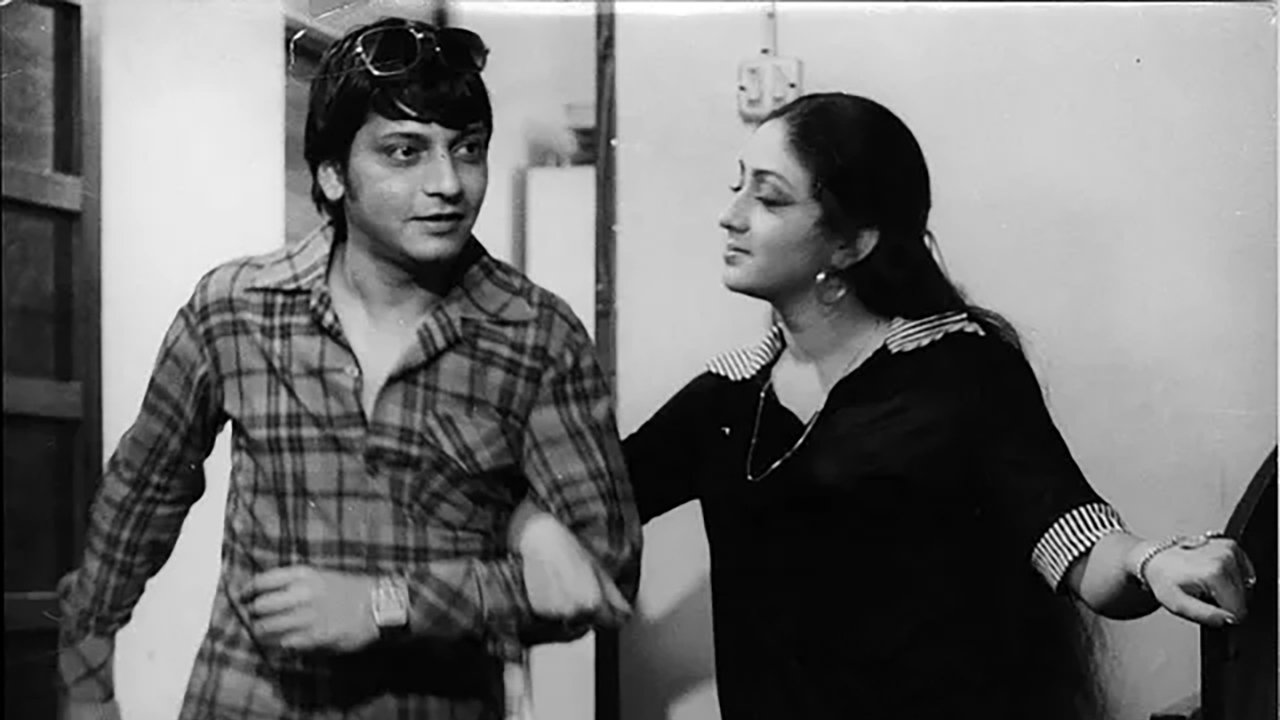
VHS Heaven Rating: 9/10
This rating reflects the film's near-perfect execution of premise, stellar performances (especially from Palekar and the legendary Dutt), witty writing, and Hrishikesh Mukherjee's masterful, gentle direction. It loses a single point only because, by its nature as a light comedy, it doesn't aim for profound thematic depth – but what it does aim for, it achieves brilliantly.
Gol Maal is pure, unadulterated comedic joy, a testament to a time when clever writing and brilliant acting were all you needed. It’s the cinematic equivalent of a warm hug – a truly essential piece of Indian film history that still sparkles, fuzzy tape memories or not.