Mirrors don't lie, they say. But in Ulli Lommel's 1980 descent into fractured psyches, The Boogey Man (sometimes spelled The Boogeyman), mirrors reflect something far worse than reality – they hold the fragments of a tormented past and, quite possibly, a killer's malevolent soul. Finding this tape on the shelf back in the day, often with that stark, unnerving cover art featuring the glowing eyes or the mirror shard, promised something genuinely weird, a departure from the straightforward slashers that were starting to dominate. It felt… off, somehow. And watching it, especially late at night with the volume low, confirmed that feeling. This wasn't just another masked killer story; it aimed for a different kind of unease, tapping into childhood fears and psychic dread.
### Shattered Reflections
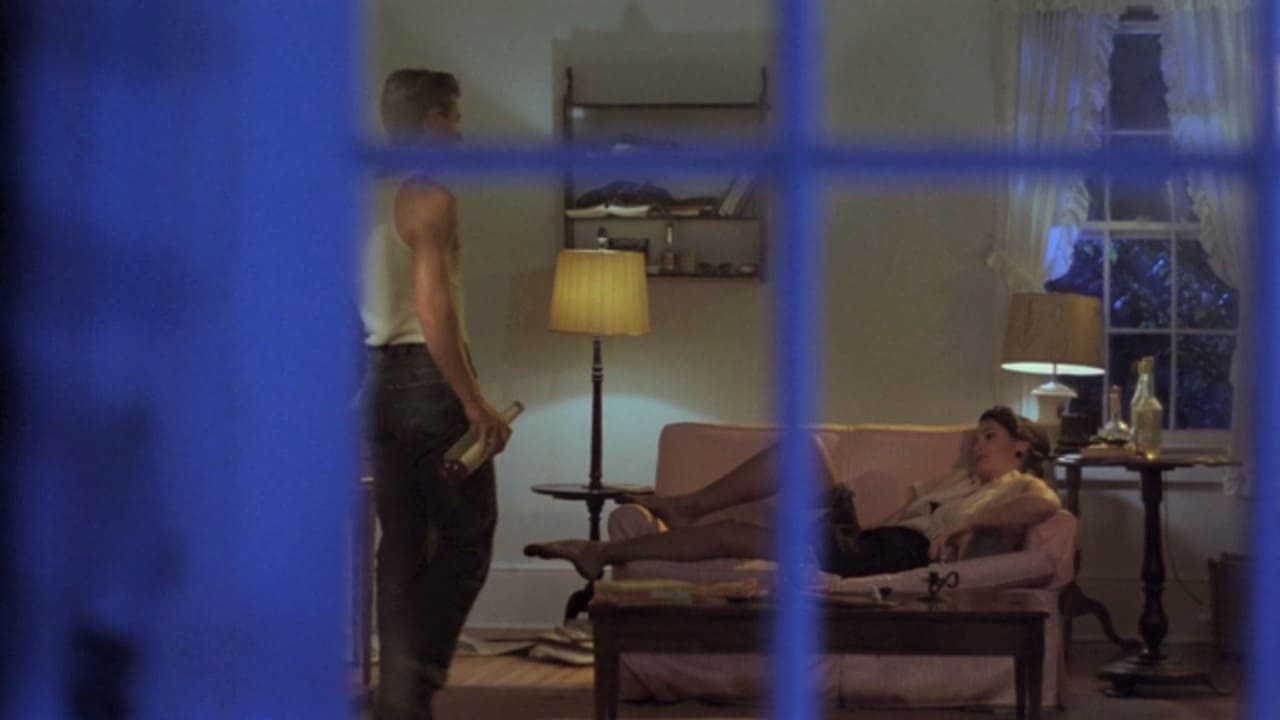
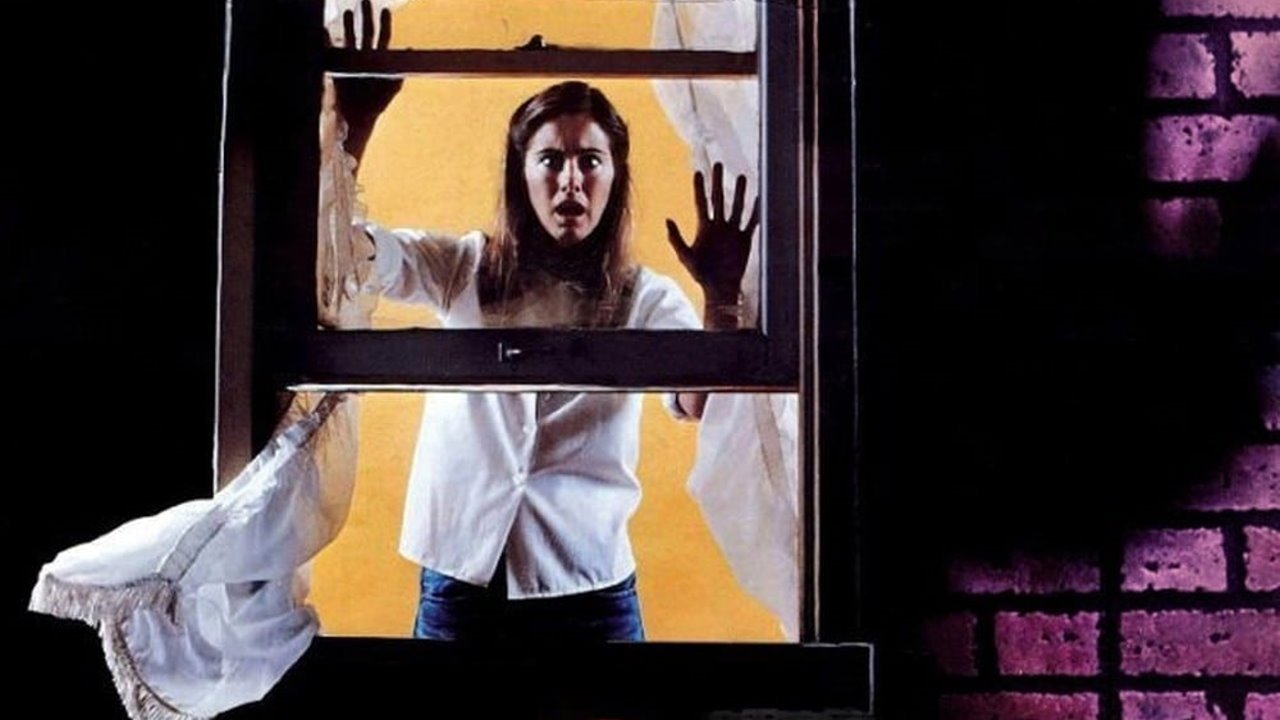
The premise is steeped in Freudian horror tropes: young Lacey witnesses her little brother Willy stab their mother's abusive boyfriend through a bedroom mirror. Twenty years later, Lacey (Suzanna Love, Lommel's wife at the time and frequent collaborator) is married with a child but remains deeply traumatized and selectively mute around mirrors. Her psychiatrist, Dr. Warren (John Carradine, lending his inimitable, skeletal gravitas in a brief but memorable appearance), suggests confronting her fear by returning to the childhood home and smashing the offending mirror. Bad idea. Shattering the glass doesn't destroy the evil; it unleashes it, allowing the trapped spirit of the dead boyfriend (or something) to possess mirror shards and continue its deadly work, often seen through unsettling point-of-view shots from the perspective of the hovering glass fragments.
Ulli Lommel, a German director with surprising roots in the New German Cinema movement working with Rainer Werner Fassbinder, brought a distinctly European sensibility to what is, on the surface, an American exploitation horror flick. This gives The Boogey Man a strange, often dreamlike quality. The pacing can feel languid, even disjointed, punctuated by moments of jarring violence and genuinely creepy imagery. Lommel famously shot parts of the film in the Maryland house he shared with Love, adding a layer of unsettling intimacy to the domestic haunting. That low budget – reportedly around $300,000 – is often apparent, yet Lommel leverages it into a kind of grubby realism mixed with supernatural weirdness. It's a film that feels simultaneously cheap and ambitious, reaching for psychological depth while delivering grindhouse shocks.
### Shards of Terror, Kernels of Trivia
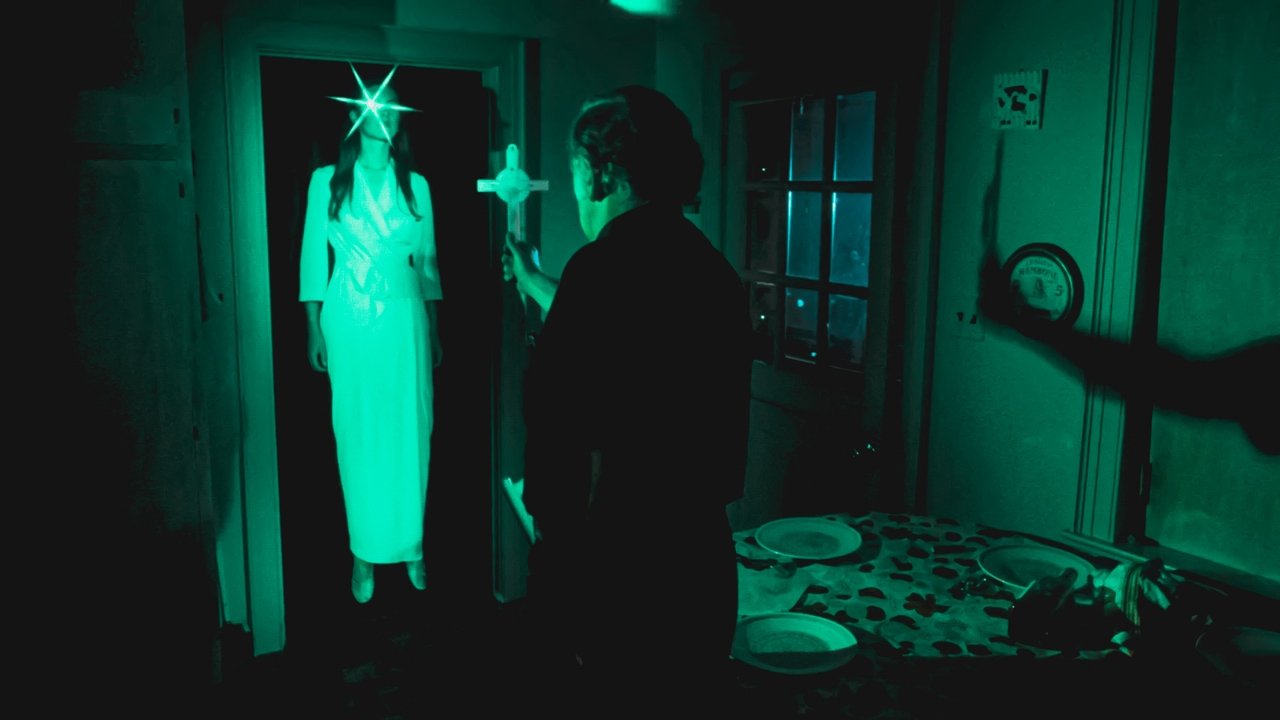
While often lumped in with the slasher boom ignited by Halloween (1978), The Boogey Man distinguishes itself with its supernatural core. The killer isn't flesh and blood stalking teens, but a spectral force tied to an object, operating through psychic connections and reflected surfaces. The mirror shard became the film's iconic weapon, a gimmick that felt novel at the time. Remember those glowing red eyes superimposed onto reflections? Simple, maybe even crude by today's standards, but undeniably effective in creating moments of pure B-movie menace on a flickering CRT screen.
The film's unexpected financial success (grossing a reported $25 million worldwide against its meager budget) speaks volumes about the horror audience's hunger for novelty in the early 80s. It tapped into something primal – the fear of what lurks just out of sight, in the reflections we catch from the corner of our eye. Interestingly, the title often caused confusion with Stephen King's 1973 short story of the same name, though the plots are entirely different. This might have inadvertently helped its visibility in crowded video stores. Lommel's approach wasn't subtle; the synth score by Tim Krog pulses and throbs, sometimes effectively heightening tension, other times feeling slightly intrusive. Yet, it’s part of the film's specific, dated charm.
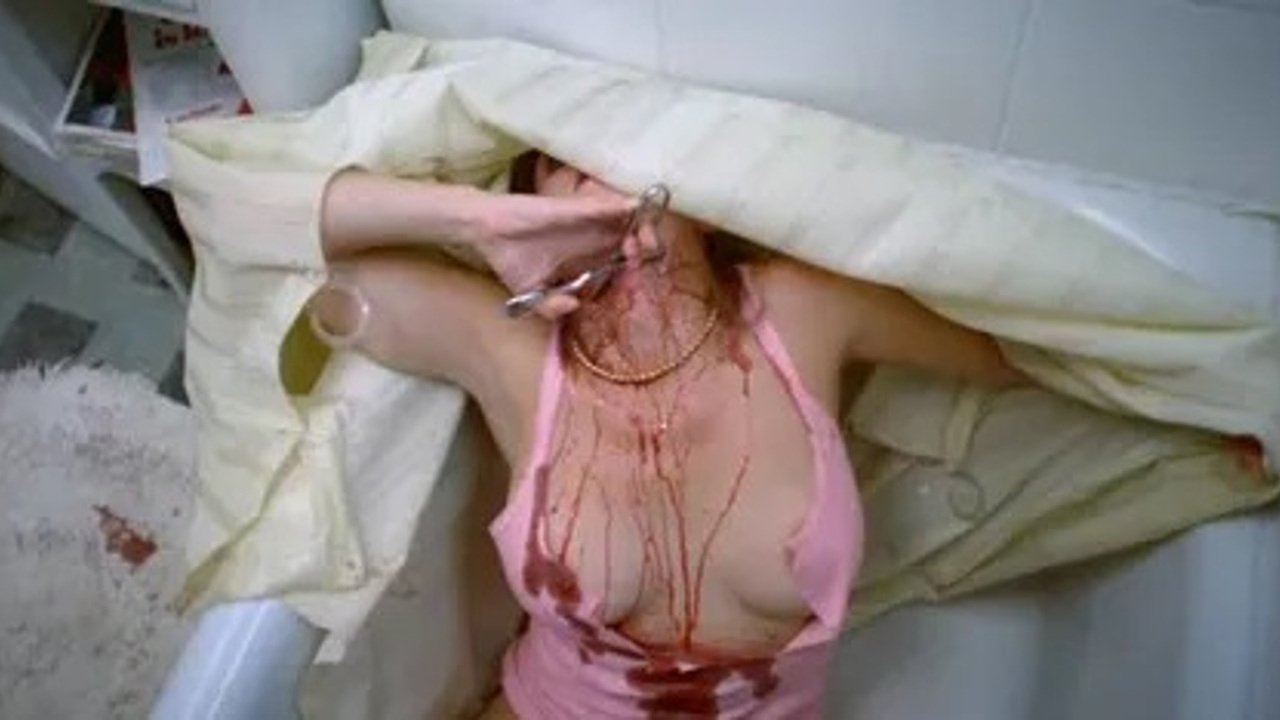
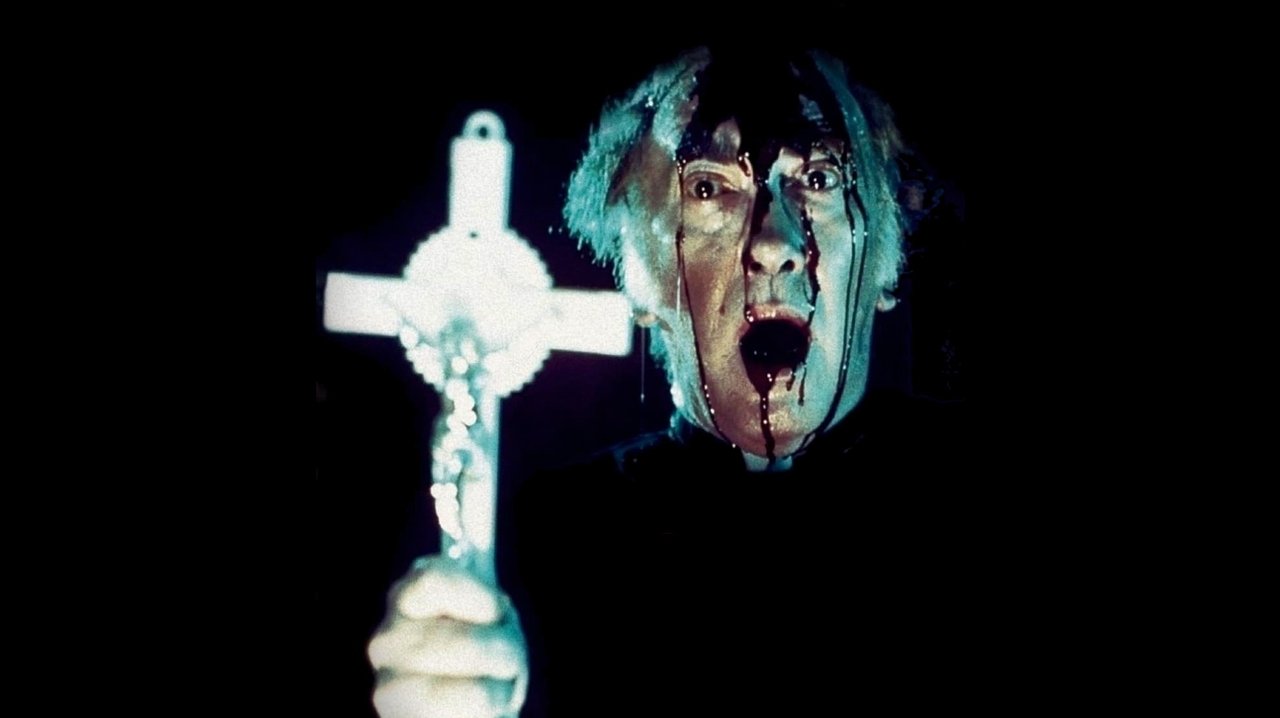
The practical gore effects, when they arrive, are visceral and bloody, typical of the era's willingness to push boundaries long before CGI sanitised screen violence. One particularly memorable sequence involving a pitchfork feels ripped from a different, perhaps more conventional slasher, yet adds to the film's erratic, anything-goes energy. Suzanna Love carries much of the film, her wide-eyed vulnerability shifting into terrified resolve. While the supporting cast occasionally dips into woodenness, her central performance anchors the film's emotional core, fragile as it sometimes seems.
### Lingering Shadows
The Boogey Man isn't a masterpiece of coherent storytelling. Its plot logic can be hazy, its character motivations sometimes obscure. There are moments that might provoke unintentional chuckles today – the bizarre superimposed imagery, the sometimes stilted dialogue. Yet, there's an undeniable atmosphere here, a persistent sense of wrongness that lingers. Lommel crafts sequences – like the initial murder viewed through the mirror, or the eerie silence of the possessed farmhouse – that lodge themselves in your memory. Its influence might be debatable, but it certainly stands as a unique, often baffling, but strangely compelling entry in the early 80s horror cycle. It even spawned a notoriously bizarre sequel, Boogeyman II (1983), largely composed of flashbacks from the original, and later, Lommel revisited the concept multiple times. Did that mirror shard POV genuinely creep you out back then, or was it just me?
It's a film that perfectly encapsulates the wild west feeling of early 80s horror filmmaking on the lower end of the budget scale – throwing ideas at the screen, mixing supernatural chills with slasher kills, and somehow striking gold with audiences eager for a scare, any scare, even one reflected darkly in a broken piece of glass.
VHS Heaven Rating: 6/10
Justification: The Boogey Man earns its points for its pervasive unsettling atmosphere, genuinely creepy core concept (haunted mirror shards!), some striking visuals (for its time and budget), and its status as a successful, offbeat cult curiosity from the golden age of VHS horror. It’s weird, it’s uneven, and Ulli Lommel's direction is idiosyncratic, to say the least. However, its ambition, memorable moments (hello, glowing eyes!), and surprising box office success make it a fascinating watch. Points are deducted for inconsistent pacing, sometimes awkward performances, and plot threads that dangle like loose wires. It's flawed, certainly, but its strangeness makes it far more memorable than many slicker, more generic horror entries of the era.
Final Thought: A fractured, fascinating, and sometimes genuinely spooky slice of early 80s supernatural horror that reminds us that sometimes, the most unsettling reflections are the ones we find in the broken pieces.