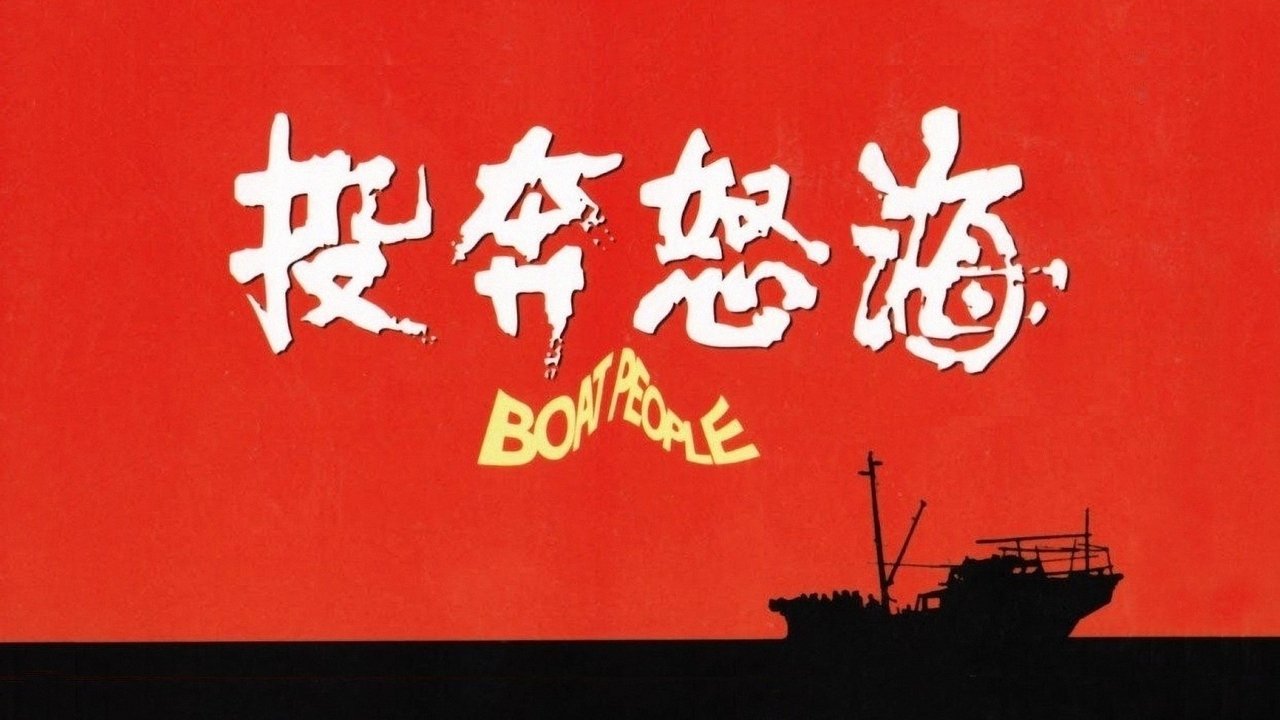
It's a strange thing, isn't it? How some films leave an imprint that goes far beyond mere entertainment. They settle under your skin, forcing questions you might not have considered, revealing truths that feel both specific to their time and hauntingly universal. Ann Hui's Boat People (1982), a film I first encountered tucked away in the 'World Cinema' section of a long-gone video store, is precisely that kind of experience. It doesn't gently invite reflection; it demands it, leaving you grappling with its stark portrayal long after the tape hiss fades.
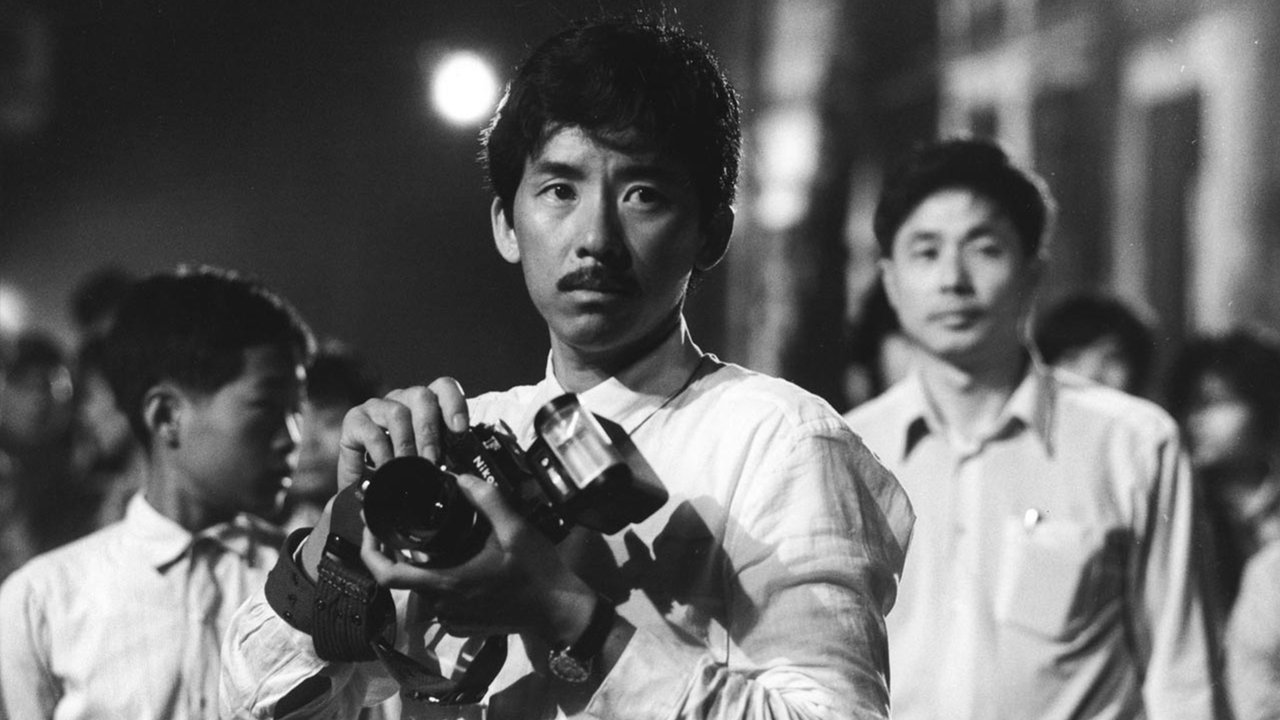
The opening feels almost deceptively calm. We arrive in post-war Da Nang, Vietnam, through the eyes of Shiomi (George Lam), a Japanese photojournalist invited to document the supposed triumphs of the new Communist regime. Initially, he sees what he's meant to see: smiling children, orderly streets, signs of progress. But Ann Hui, a pivotal director of the Hong Kong New Wave, masterfully layers this official narrative with unsettling undercurrents. There’s a tension in the air, a brittle quality to the smiles, that Shiomi, and by extension the viewer, can't ignore for long.
Beneath the Facade
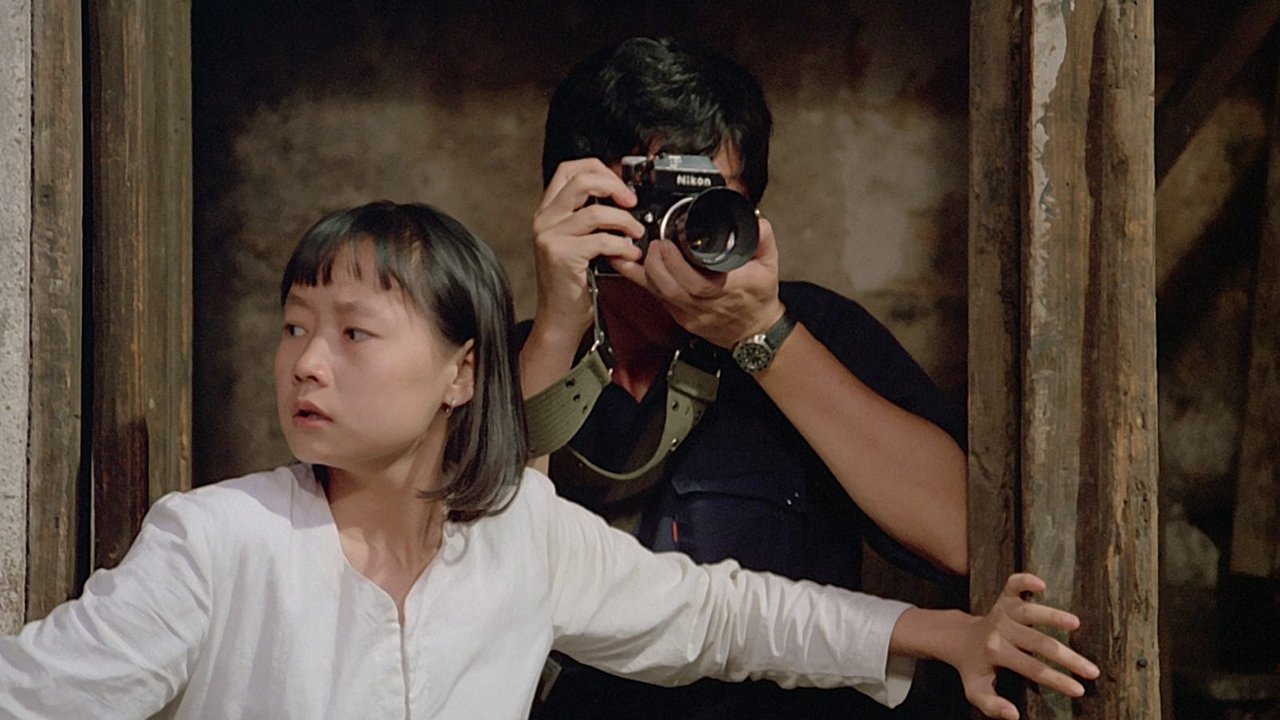
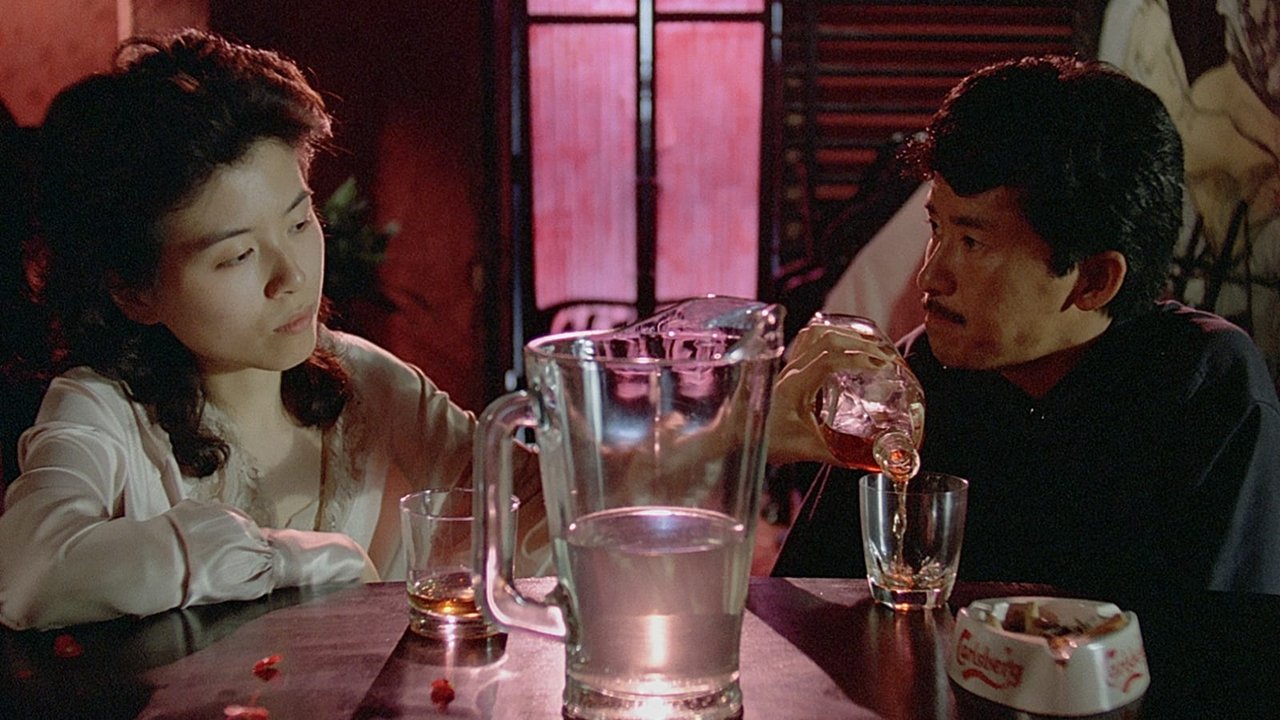
What unfolds is a slow, devastating peel-back of propaganda. Shiomi, initially a somewhat passive observer, finds himself drawn into the lives of ordinary Vietnamese citizens struggling beneath the surface. He befriends Cam Nuong (Season Ma), a young girl whose family lives in desperate poverty, and To Minh (Andy Lau in a striking early performance), a young man sentenced to forced labor in a "New Economic Zone" for minor infractions. Their stories, depicted with unflinching realism, become the lens through which Shiomi witnesses the grim reality: the scarcity, the fear, the brutal consequences of dissent, and the pervasive desperation that drives people to risk everything for a chance at escape.
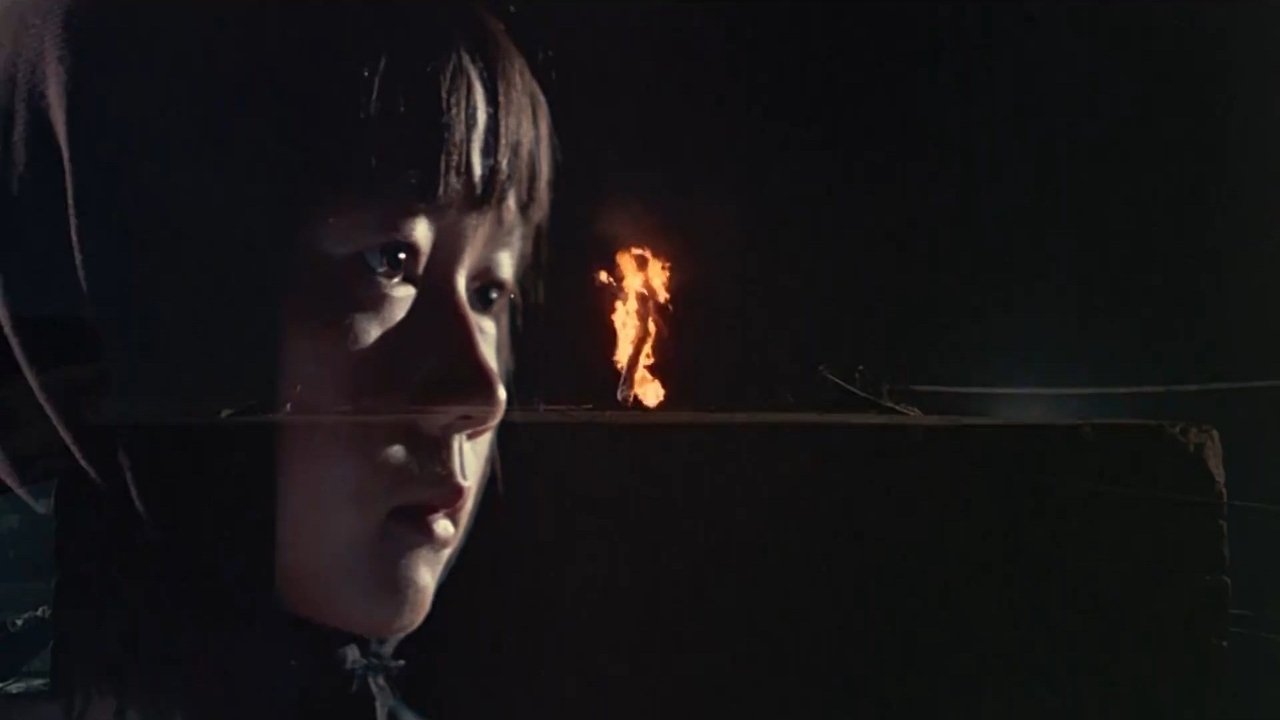
The film's power lies in its deliberate pacing and its focus on human connection amidst political upheaval. George Lam, primarily known as a Cantopop star, delivers a wonderfully understated performance as Shiomi. His transformation from detached journalist to deeply implicated witness is utterly convincing. You see the dawning horror in his eyes, the slow erosion of his professional objectivity as he becomes emotionally entangled in the fates of those around him. It’s a portrayal that resonates because it feels so achingly human – the struggle between observation and intervention, detachment and empathy.
Equally unforgettable is Season Ma as Cam Nuong. Her performance is heartbreakingly authentic, capturing both the resilience and the profound vulnerability of youth caught in historical crosscurrents. And then there’s Andy Lau, already showing the screen presence that would make him a superstar. His To Minh embodies the quiet desperation and simmering resentment of a generation whose future has been stolen.
A Risky Look at Reality
Understanding the context of Boat People's creation adds another layer to its significance. Filming a critique of the Vietnamese Communist regime, particularly one depicting the refugee crisis so starkly, was politically charged. Director Ann Hui achieved this by filming not in Vietnam, but on Hainan Island in China – a feat of negotiation in itself. This allowed her a degree of creative freedom, though the subject matter remained intensely sensitive. It’s a testament to her vision and courage that the film feels so grounded and authentic, capturing the humid, oppressive atmosphere of Da Nang with palpable intensity. Cinematographer Wong Chung-kei deserves immense credit here; the visuals are often beautiful yet deeply melancholic, emphasizing the contrast between the natural landscape and the human suffering within it.
The film wasn't without controversy. Its unflinching portrayal led to it being banned in Taiwan for years and withdrawn from the main competition at the Cannes Film Festival (though it screened successfully out of competition), reportedly due to diplomatic sensitivities. Yet, it was a major critical and commercial success in Hong Kong, winning Best Film, Best Director, Best New Performer (Season Ma), and Best Art Direction at the 2nd Hong Kong Film Awards. It struck a nerve, reflecting anxieties prevalent in Hong Kong at the time regarding its own future post-1997 handover.
Interestingly, Boat People was conceived as the final part of Hui’s informal "Vietnam trilogy," following The Boy from Vietnam (1978) and The Story of Woo Viet (1981), starring Chow Yun-fat. While not a direct sequel, it revisits and deepens the exploration of the refugee experience and the human cost of political turmoil.
The Lingering Question
What stays with you after watching Boat People? It’s the faces. The quiet dignity in the face of despair. The horrifying realization that the systems designed to liberate can become instruments of oppression. It’s a film that eschews easy answers or overt political sloganeering, focusing instead on the lived experiences of individuals crushed by historical forces. Shiomi’s journey forces us to ask: what is the responsibility of a witness? Is documentation enough when faced with profound suffering?
This isn't a 'feel-good' film, nor is it easily digestible Friday night fare snatched from the video store shelf. Finding this on VHS felt like discovering a hidden, potent truth – a stark contrast to the escapism often sought. It’s a challenging, deeply humane work that offers no easy comfort, only the sobering power of bearing witness. It reminds us how vital films can be in illuminating corners of the world and facets of the human condition we might otherwise ignore.
Rating: 9/10
Justification: Boat People earns this high score for its courageous and unflinching direction by Ann Hui, its powerful and authentic performances (especially from Lam, Ma, and Lau), its masterful creation of atmosphere, and its profound, enduring examination of truth, survival, and the human cost of ideology. It’s a landmark of Hong Kong cinema that feels just as relevant and impactful today.
Final Thought: A devastatingly honest film that transcends its specific historical context, leaving an indelible mark and forcing a confrontation with uncomfortable truths about power and humanity.