Okay, let's dim the lights, maybe crack open a Tab if you've got one stashed away, and settle in. We're digging into a tape that might not have screamed loudest from the rental shelf back in the day, but its quiet intensity leaves a mark long after the VCR clicks off. We're talking about True Confessions (1981).
### Two Brothers, One City's Soul
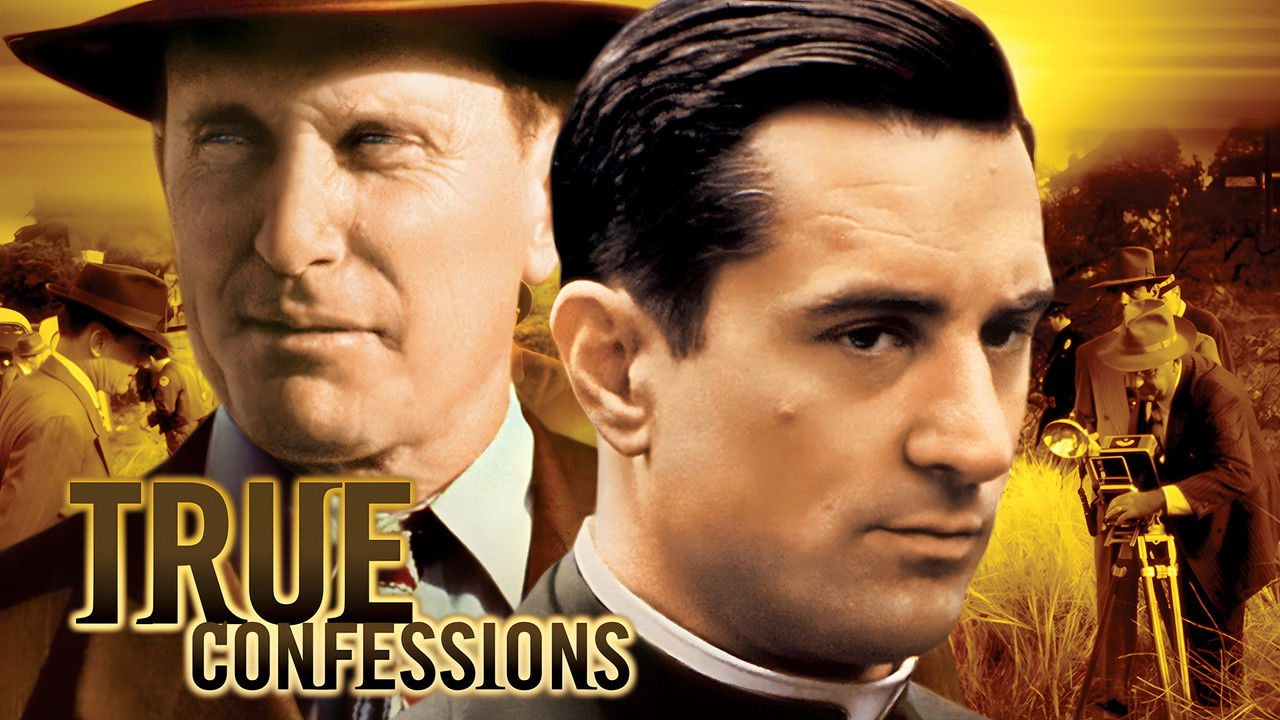
What immediately strikes you about True Confessions isn't a car chase or a shootout, but a feeling. It’s the heavy, palpable weight of unspoken history between two brothers, played with simmering tension by Robert De Niro and Robert Duvall. The film opens not with the crime that drives the plot, but with the weary aftermath, years later, hinting at the slow unraveling we're about to witness. It’s 1948 Los Angeles, a city painted in shades of moral grey, where the corridors of power run through both the police department and the Catholic Church, and the lines between saint and sinner blur like cheap ink on damp paper. This isn't your typical Hollywood crime story; it's a dissection of souls, wrapped in a neo-noir package.
### A Gritty Portrait of Post-War LA
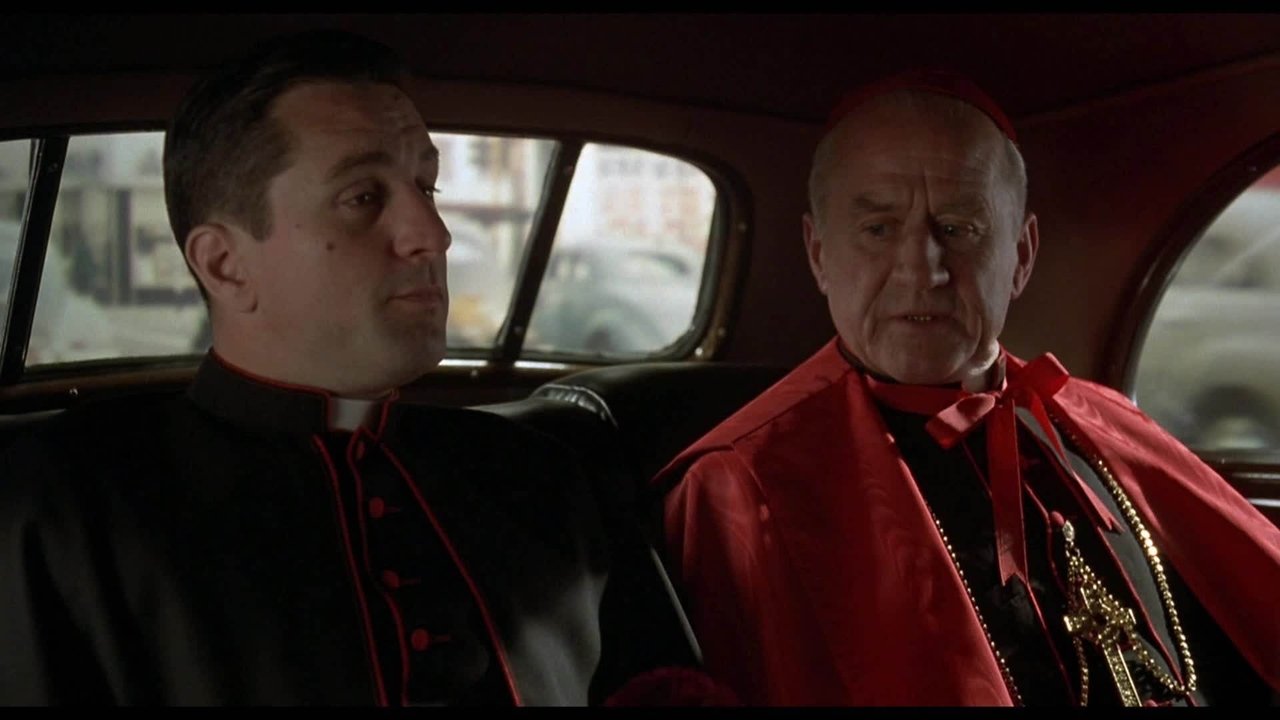
Detective Tom Spellacy (Robert Duvall) is a man ground down by the job, investigating the brutal, ritualistic murder of a young woman, Lois Fazenda (whose bisected body instantly evokes the real-life Black Dahlia case, a clear inspiration for John Gregory Dunne's source novel). His investigation inevitably circles back towards the orbit of his older brother, Monsignor Desmond Spellacy (Robert De Niro), a charismatic and ambitious priest deeply embedded in the church hierarchy and its complex dealings with powerful, often corrupt, city figures. Director Ulu Grosbard, known more for his acclaimed stage work, brings a patient, observant eye, letting the stifling atmosphere of corruption and compromise seep into every frame. Conrad Hall's cinematography deserves special mention – eschewing noir shadows for a kind of washed-out, smoggy daylight dread that perfectly captures the pervasive decay.
### A Masterclass in Weariness and Ambition
The film truly belongs to its leads. Seeing De Niro and Duvall together again, seven years after their unforgettable turns in The Godfather Part II (1974), is reason enough to seek this one out. They embody the film's central conflict. Duvall, as Tom, is all tired cynicism and simmering resentment. His performance is a study in restraint; you see the weight of years of witnessing the city’s – and perhaps his brother’s – compromises etched onto his face. He carries the weariness of a man who knows too much.
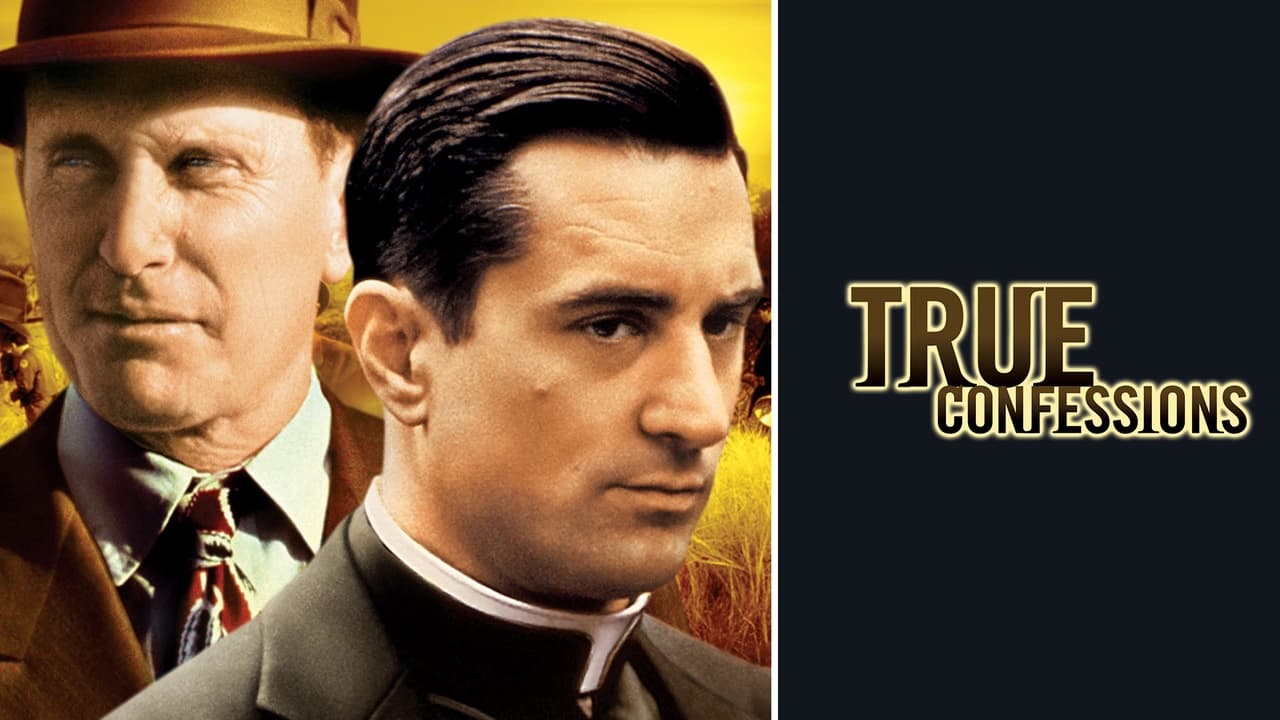
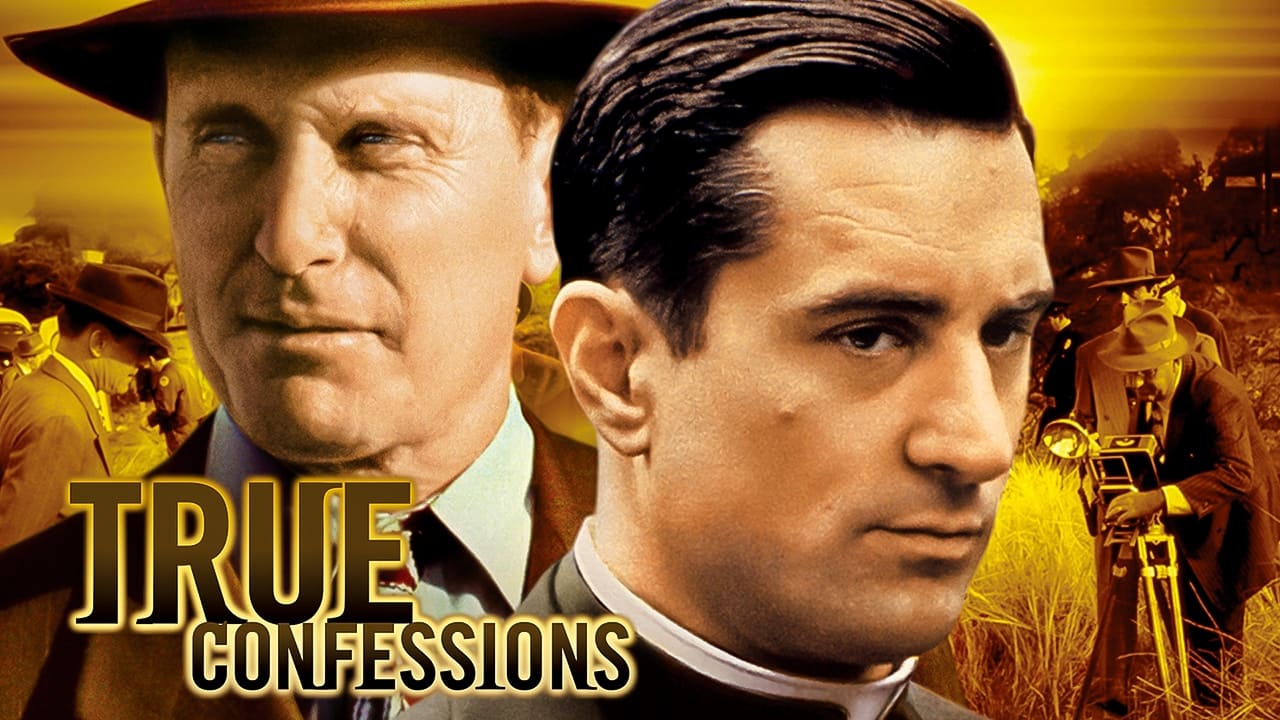
De Niro, as Des, offers a fascinating counterpoint. He’s the golden boy, the smooth operator navigating the treacherous currents of church politics, brokering deals with shady construction magnate Jack Amsterdam (a perfectly cast Charles Durning, radiating oily bonhomie). Yet, beneath the confident exterior, De Niro subtly reveals the cracks – the ambition warring with conscience, the buried guilt. It's a performance less explosive than some of his iconic roles from the era, but its power lies in its layered complexity. You watch him calculate, charm, and occasionally falter, wondering just how much he knows and when he knew it. Their scenes together crackle with unspoken accusations and a lifetime of fraternal baggage.
### Whispers from the Set & Page
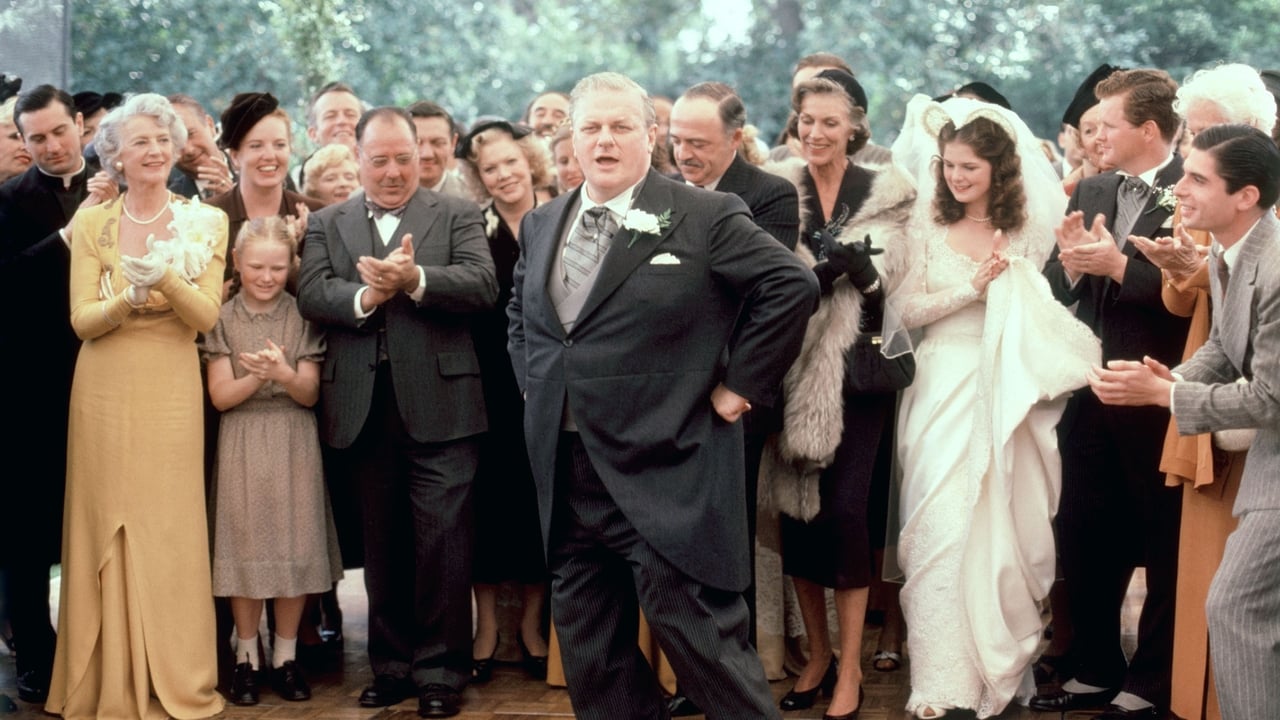
Adapting a dense novel like Dunne's is never easy, but having the author himself co-write the screenplay with his equally talented wife, Joan Didion, ensured the film retained the source material's sharp dialogue and unflinching look at moral compromise. Their literary pedigree shines through. Interestingly, while the film had powerhouse talent and critical respect (Roger Ebert gave it four stars upon release), it wasn't a huge box office success, pulling in around $12.6 million against an $11 million budget. Perhaps its bleak tone and challenging, non-linear structure, flashing back and forth between the late 40s investigation and the brothers' reunion in the 60s, proved too demanding for audiences perhaps expecting a more conventional thriller in 1981.
Grosbard’s background in theatre likely contributed to the emphasis on performance. He allows scenes to breathe, letting the actors explore the nuances of their characters. This wasn't a film rushed through production; it feels considered, deliberate. It was shot largely on location in Los Angeles, adding an authentic texture that grounds the period setting. One wonders if renting this back-to-back with, say, Raiders of the Lost Ark (also 1981) felt like cinematic whiplash – a testament to the diverse range of films finding their way onto VHS shelves.
### The Weight of Truth
True Confessions isn't interested in easy answers. The murder mystery, while providing the narrative engine, ultimately serves as a catalyst to explore deeper themes: the corrupting influence of power, the complex web of obligation and resentment within families, the painful compromises made in the name of ambition or faith. What does loyalty truly mean when pitted against justice or personal advancement? The film leaves you pondering these questions, particularly the tangled relationship between the Spellacy brothers – their shared past, their divergent paths, and the secrets that bind and separate them.
It's a film that rewards patience. It doesn't grab you by the throat; it slowly tightens its grip. The resolution isn't about catching the killer so much as understanding the cost of silence, the weight of complicity, and the slow erosion of integrity in a world built on shifting sands.
Rating: 8/10
Justification: The score reflects the powerhouse performances from Duvall and De Niro, the evocative direction and cinematography creating a palpable sense of time and place, and the film's intelligent, mature exploration of complex themes. It’s a challenging, superbly crafted character study. Points are slightly deducted as its deliberate pacing and bleak outlook might not resonate with viewers seeking faster-paced entertainment, and the non-linear structure occasionally feels a touch cumbersome.
Final Thought: True Confessions is a potent reminder that some of the most compelling dramas of the era weren't necessarily the biggest hits. It's a film that lingers, a quiet exploration of moral ambiguity that feels perhaps even more relevant today, leaving you to contemplate the heavy price of secrets kept, even for the sake of brotherhood. A true gem for those who appreciate character over spectacle.