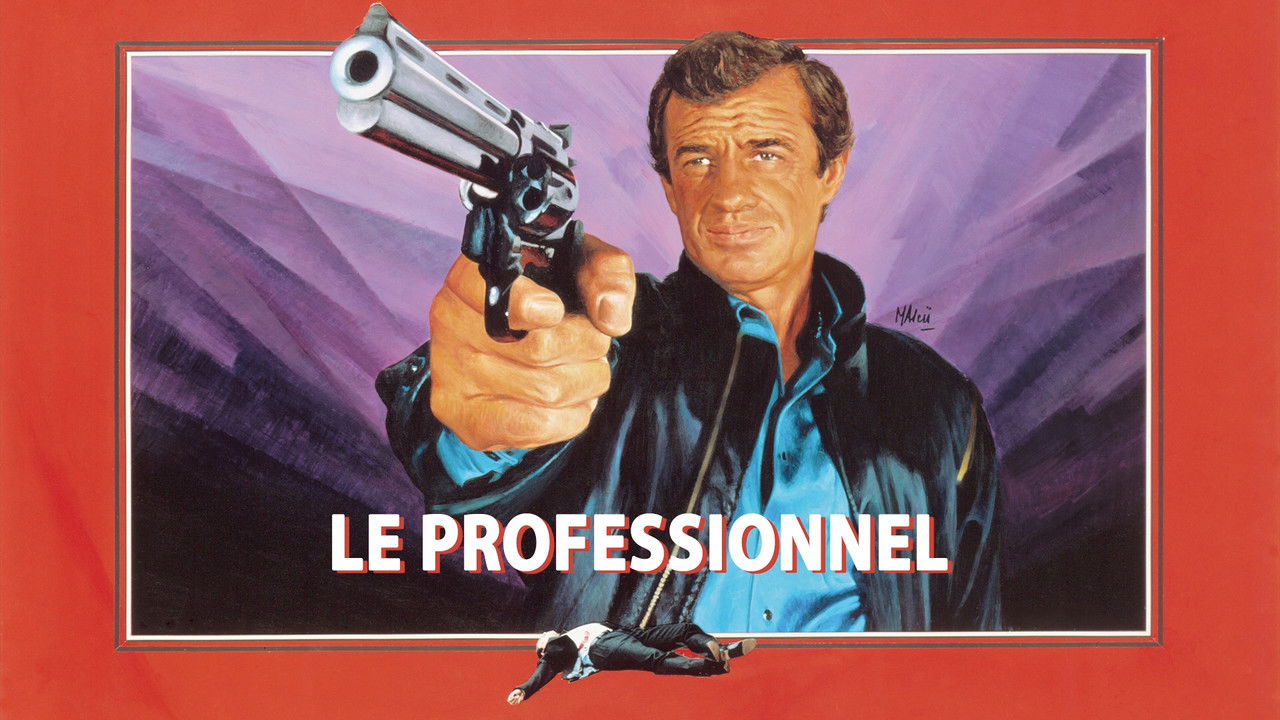
It often begins with a sound, doesn't it? A snatch of music drifting from memory, instantly transporting you back. For many of us who haunted video store aisles in the 80s, the haunting, melancholic whistled theme of Ennio Morricone's score for The Professional (original French title: Le Professionnel) is precisely that kind of evocative trigger. It promises something cool, something measured, something... dangerous. And the 1981 film, starring the inimitable Jean-Paul Belmondo, delivers on that promise with a uniquely European blend of espionage grit and existential weariness.
### The Mission, The Betrayal, The Return
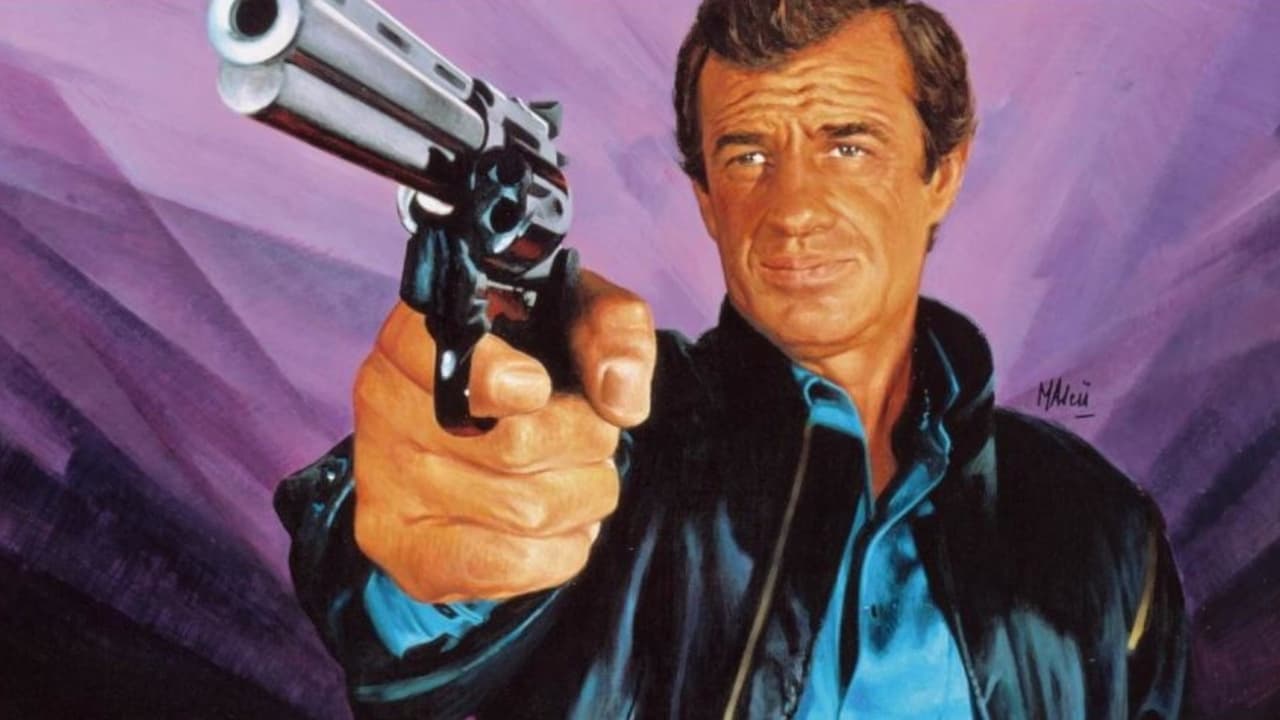
The setup is classic Cold War thriller territory, yet feels distinctly French in its execution. Josselin Beaumont (Jean-Paul Belmondo) is a top French secret service agent dispatched to assassinate Colonel Njala, the dictator of a fictional African nation, Malagawi. But politics shift, alliances change, and before Beaumont can complete his mission, his own government hangs him out to dry. Captured, subjected to a show trial and brutal imprisonment, Beaumont becomes a ghost, a loose end the state would rather forget. Two years later, he escapes, returning to Paris with a singular, chilling purpose: to complete the mission he was originally assigned, even though the political winds have changed entirely, and Njala is now an honored guest of the French state.
What elevates Le Professionnel beyond a simple revenge plot is its pervasive sense of cynicism. This isn't about patriotism or righteous fury; it's about a man stripped of everything, holding onto the only thing left – the mission itself, twisted into a personal code of honor against the very system that created and discarded him. Beaumont's return isn't bombastic; it's methodical, a calculated series of moves designed to corner his former handlers and force their hand. It's a chess game played with bullets and bureaucratic maneuvering, set against a grey, autumnal Paris.
### Belmondo: The Embodiment of Cool Defiance
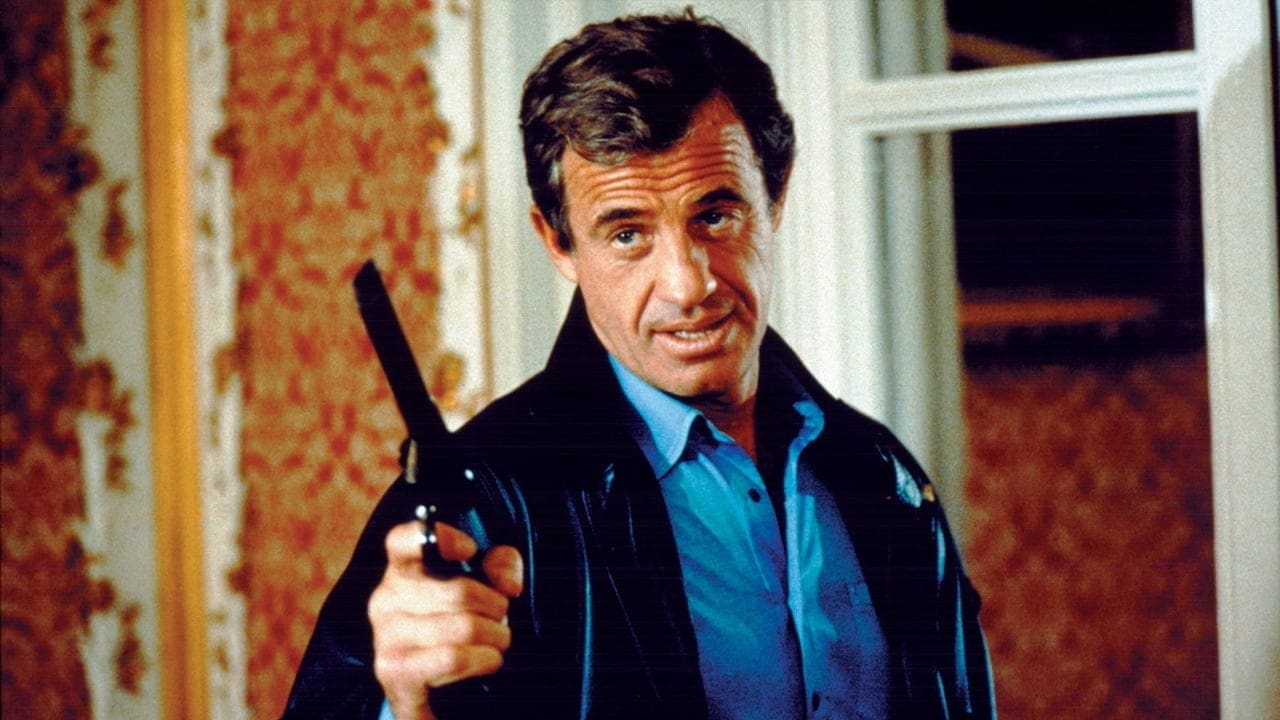
At the heart of it all is Jean-Paul Belmondo. By 1981, "Bébel," as he was affectionately known in France, was a megastar, having transitioned from his French New Wave origins in films like Breathless (1960) to become one of Europe's biggest action heroes. What made him compelling wasn't just his rugged good looks or his famous insistence on performing his own, often death-defying stunts (which he absolutely does here, adding a layer of raw authenticity). It was the effortless charisma, the wry smile that could flicker even amidst violence, the sense that beneath the action heroics lay a thinking, feeling man.
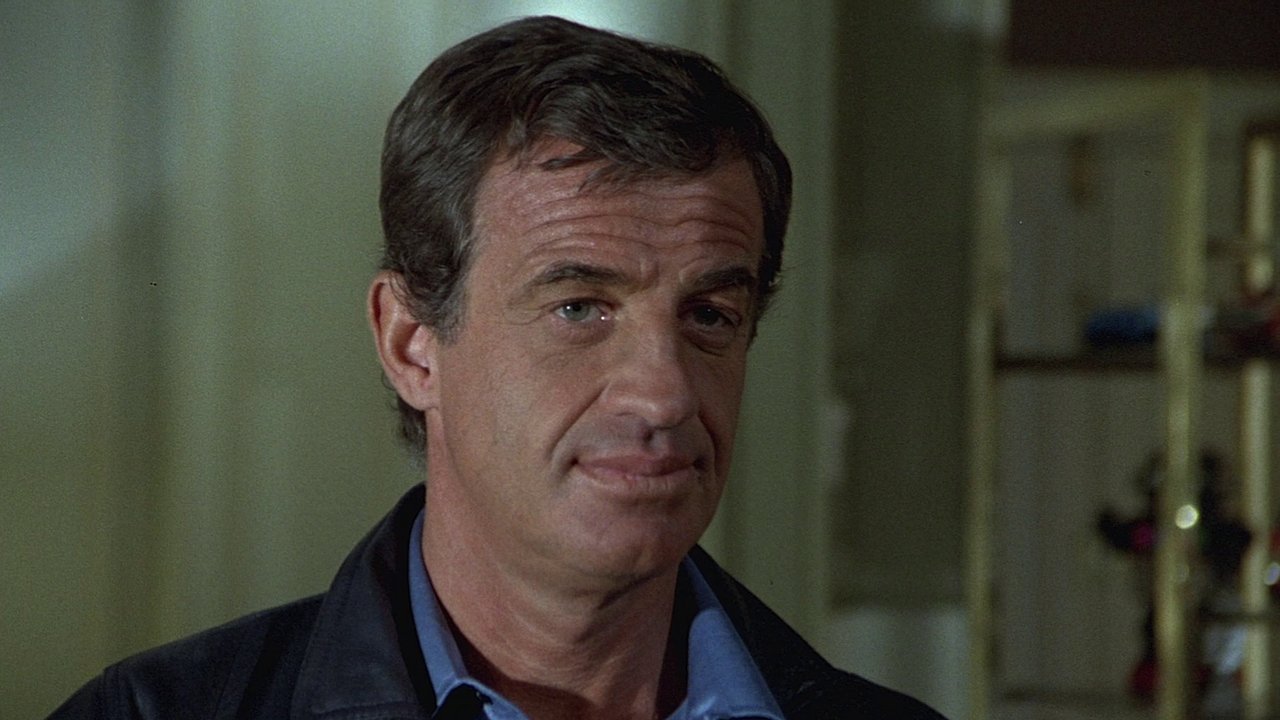
As Beaumont, Belmondo is perfect. He embodies the character's lethal competence but also his profound isolation. There's a weariness in his eyes, a quiet determination that speaks volumes more than any lengthy monologue. His interactions with his former superiors, like the slippery Minister (Jean Desailly), crackle with unspoken history and contempt. We see flashes of the man Beaumont was, particularly in scenes with his wife Jeanne (Cyrielle Clair), but the prevailing impression is of someone irrevocably changed, operating on pure, cold resolve.
### Behind the Curtain: Craft and Context
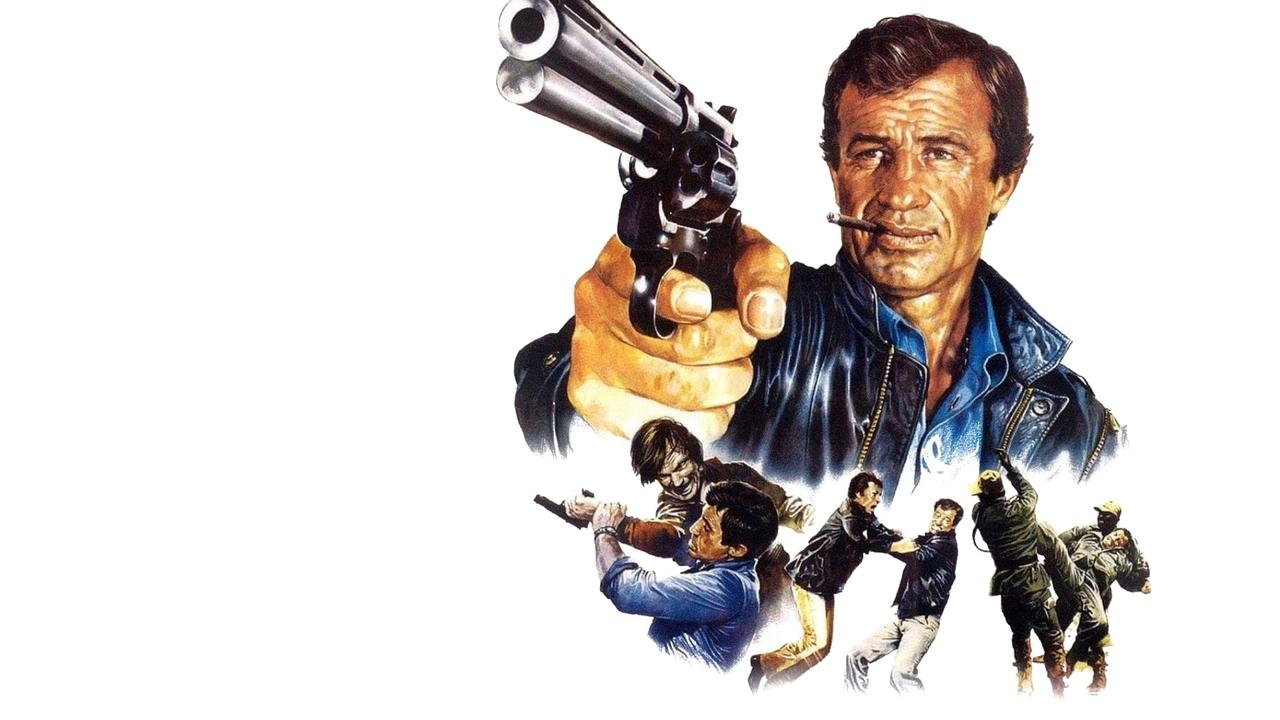
The direction by British veteran J. Lee Thompson is lean and efficient. Thompson, known for sprawling epics like The Guns of Navarone (1961) and later, grittier fare like the Charles Bronson actioner Death Wish 4: The Crackdown (1987), brings a certain workmanlike precision to the proceedings. He lets the tension build through pacing and cross-cutting, focusing on Beaumont's meticulous planning and the escalating panic within the secret service. The action, when it comes, is grounded and impactful – a far cry from the often cartoonish excess of some contemporary Hollywood offerings. It feels purposeful, driven by Beaumont's specific objectives.
And then there's the music. Ennio Morricone's score is arguably as famous as the film itself. The main theme, "Chi Mai," wasn't actually written for The Professional. Morricone had composed it a decade earlier for the 1971 Italian film Maddalena. Its repurposing here was a stroke of genius, becoming an international chart-topper and forever associated with Belmondo's determined stride. The score perfectly captures the film's blend of melancholy, suspense, and Beaumont's lonely quest. It's impossible to imagine the film without it.
Digging into the film's background reveals a few interesting tidbits. The screenplay, adapted from Patrick Alexander's 1976 novel Death of a Thin-Skinned Animal, significantly altered elements, particularly the target's nationality and the specifics of the plot, likely to navigate the sensitive political landscape of France's post-colonial relationships in Africa – a theme often referred to as "Françafrique." The film resonated strongly with French audiences, becoming a massive domestic hit with over 5.2 million admissions, cementing Belmondo's status as a national icon. Watching it now, you get a sense of that specific cultural moment – a nation grappling with its global role, reflected in the cynical corridors of power depicted on screen.
### Lingering Resonance
What stays with you after watching The Professional isn't just the action or the iconic theme tune. It's the film's uncompromising tone and its surprisingly stark conclusion (Spoiler Alert for the ending!). The final moments, with Beaumont seemingly achieving his goal only to be coldly gunned down by government order as "Chi Mai" swells, are devastatingly effective. It solidifies the film's central theme: the individual, no matter how skilled or determined, is ultimately disposable in the face of state power and political expediency. It felt bold then, and it still packs a punch today.
Does it feel dated in places? Perhaps some of the geopolitical specifics might seem tied to their era, but the core conflict – one man against a corrupt system that betrayed him – remains timeless. The practical stunts, Belmondo's sheer screen presence, and that unforgettable score ensure The Professional holds up remarkably well.
Rating: 8.5/10
Justification: This score reflects the film's strengths: Jean-Paul Belmondo's magnetic and nuanced lead performance, Ennio Morricone's legendary score which perfectly elevates the mood, J. Lee Thompson's taut direction, and a compellingly cynical narrative that culminates in a truly memorable and impactful ending. While some political elements are specific to its time, the core themes and execution remain powerful. It’s a quintessential piece of 80s European action cinema, gritty and cool in equal measure.
Final Thought: The Professional lingers not just as a thrilling ride, but as a surprisingly poignant meditation on loyalty, betrayal, and the cold machinery of power, all wrapped around one of cinema's coolest anti-heroes and underscored by that unforgettable music. A true gem from the VHS shelves.