Here's a review for "For a Cop's Hide" (1981) in the requested style for "VHS Heaven":

***
There's a certain kind of weary cool that Alain Delon practically patented. Seeing him step behind the camera for the first time solo with 1981's For a Cop's Hide (Pour la peau d'un flic), while also starring, raises an intriguing question: could the master of minimalist intensity translate that same brooding charisma into the director's chair? The answer, found within the flickering frames of this hardboiled Parisian thriller, is a resounding, albeit perhaps unsurprising, yes. This isn't a reinvention, but rather a distillation – Delon crafting a vehicle perfectly suited to the persona audiences knew and loved, rooted firmly in the French polar tradition.
A Tangled Web in Rainy Paris
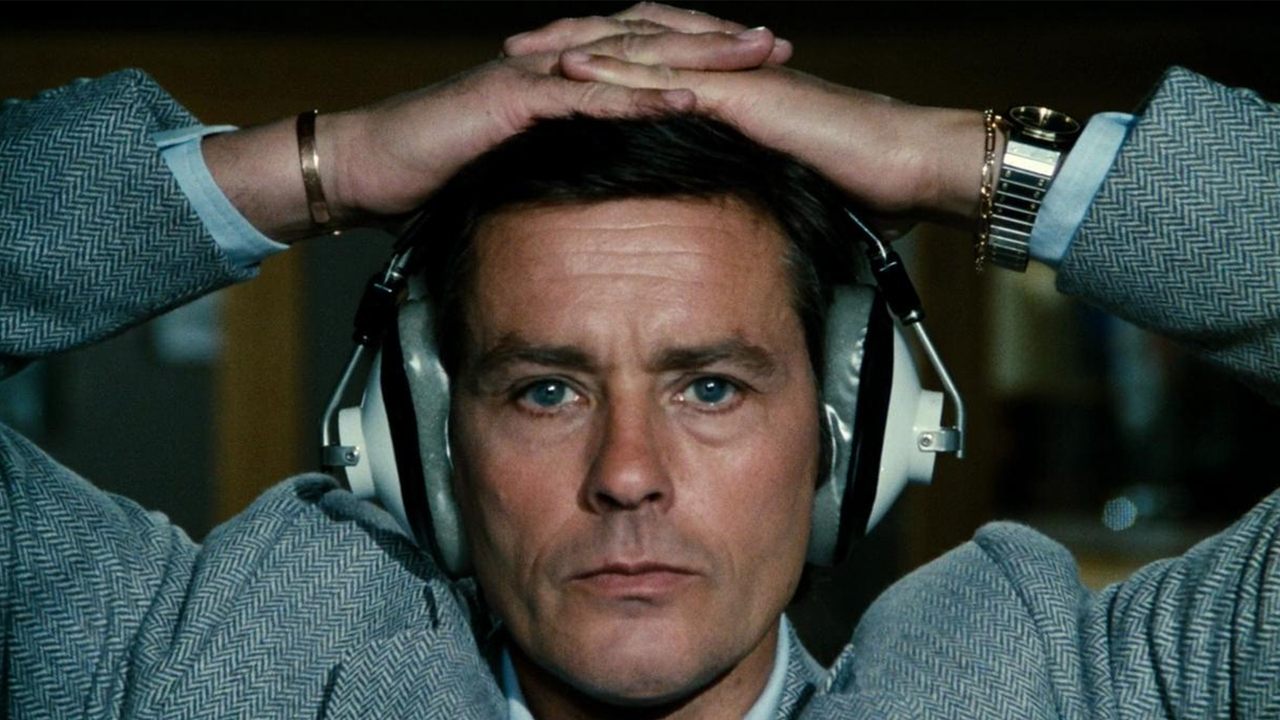
The setup feels comfortingly familiar, like slipping on a well-worn leather jacket. Delon plays Choucas, a former cop turned private investigator – laconic, efficient, operating out of a suitably lived-in office. He takes what seems like a straightforward missing person case: find the blind daughter of a wealthy woman. Naturally, things escalate rapidly. Bodies start dropping, mysterious figures emerge from the shadows, and Choucas finds himself entangled in a conspiracy far larger and more dangerous than he anticipated. The plot itself, adapted from the novel Que d'os! by the influential Jean-Patrick Manchette (a key figure in the French néo-polar crime fiction movement), delivers the expected twists and turns, but the real draw here is the atmosphere Delon cultivates. This is a Paris rendered in shades of grey, rain-slicked streets reflecting neon signs, a city holding its secrets close.
Delon Directs Delon
Watching Delon direct himself is fascinating. There’s no vanity project indulgence here; rather, it feels like an exercise in control and precision. He knows exactly what his screen presence conveys – the quiet threat, the observant stillness, the sudden bursts of decisive action – and he frames it economically. The camera often holds on his impassive face, letting the audience read the calculations behind those famous blue eyes. It’s a performance deeply comfortable in its own skin, the world-weariness feeling earned, not affected. Perhaps directing allowed him to strip away any extraneous elements, focusing purely on the core of the character and the lean narrative mechanics. It's worth noting this was Delon's first solo directorial effort, though he had co-directed The Burn (Les Granges brûlées) in 1973. Taking the helm solo here seems to have sharpened his focus on delivering a tight, effective genre piece.
Action, Authenticity, and a Future Star
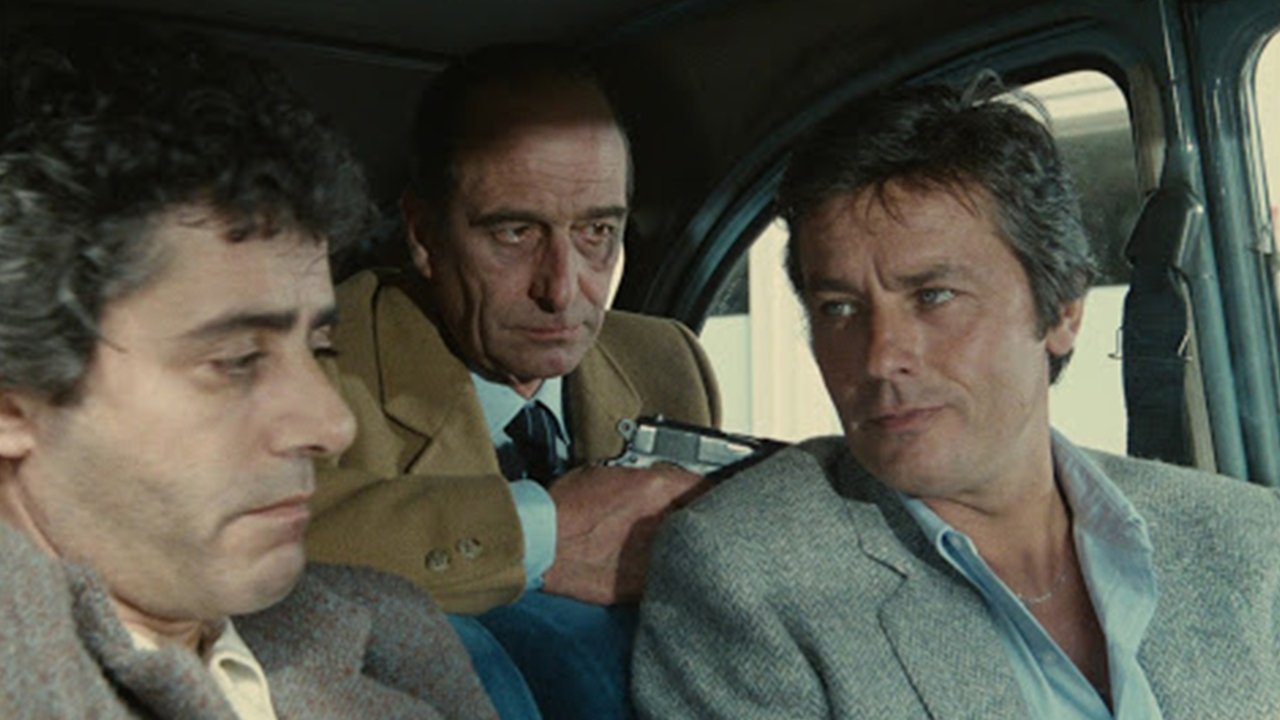
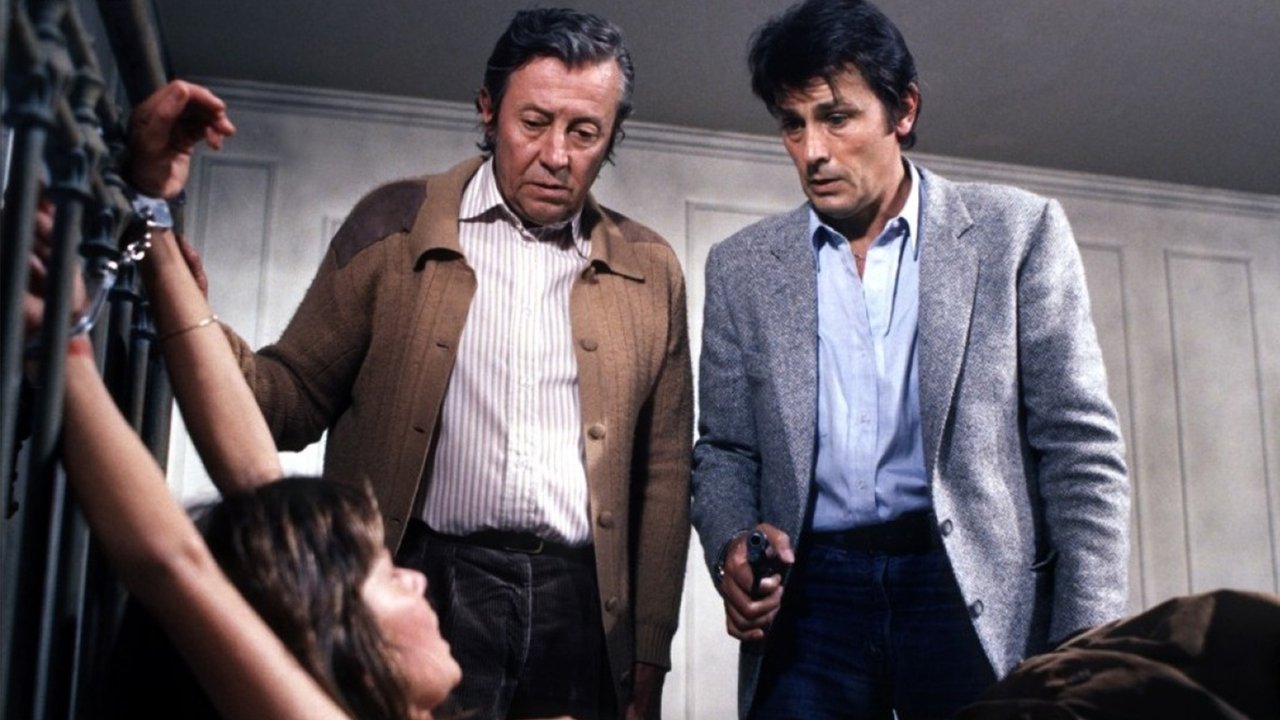
While dialogue is often sparse, the action, when it arrives, feels grounded and impactful. There's a particularly memorable car chase involving Choucas's Citroën CX weaving through Paris streets that feels refreshingly real compared to some of the more bombastic Hollywood sequences of the era. Delon, ever the professional, reportedly performed some of his own driving stunts. These moments aren't just spectacle; they feel like desperate, necessary acts of survival within the narrative. The film carries an air of authenticity, capturing the feel of early 80s Paris, a city transitioning yet still holding onto a certain gritty character.
Alongside Delon, a young Anne Parillaud plays Charlotte, Choucas's resourceful secretary who gets drawn into the danger. Watching her here, nearly a decade before her explosive international breakthrough in Luc Besson's La Femme Nikita (1990), is a treat. You can already see glimmers of that intensity and screen presence. She brings a youthful energy that contrasts effectively with Delon's stoicism, their dynamic adding a touch of warmth amidst the bleakness. The reliable Daniel Ceccaldi also provides solid support as Inspector Coccioli, representing the official law Choucas often operates outside of.
A Solid Find in the Video Store Stacks
I remember stumbling across For a Cop's Hide on a dusty VHS shelf back in the day, probably nestled between bigger American action hits. It wasn't loud or flashy, but it had that unmistakable European cool, that sense of lived-in realism. It felt like discovering a secret handshake among film fans. The film was a significant hit in France, drawing over 2.3 million viewers, proving Delon's star power hadn't dimmed and that audiences were eager for his brand of crime thriller, even with him calling the shots. It might not possess the existential depth of his collaborations with Jean-Pierre Melville like Le Samouraï (1967), but it wasn’t trying to. This is pure, unadulterated polar, lean and effective.
It moves with a brisk confidence, never overstaying its welcome. Delon the director trusts Delon the actor, and both trust the power of a well-told, gritty story. It’s a film that understands its genre conventions and executes them with professional flair and a distinctly Gallic sensibility.
Rating: 7/10
Justification: For a Cop's Hide earns its solid 7 rating through sheer competence and atmospheric execution. Delon's assured direction and typically cool performance anchor the film, while the authentic Parisian setting, grounded action, and early glimpse of Anne Parillaud add significant value. It delivers exactly what it promises: a taut, engaging French crime thriller that respects its roots, even if it doesn't radically reinvent the wheel. It's a strong directorial debut and a satisfying watch for fans of the genre and its iconic star.
Final Thought: What lingers after the credits roll isn't necessarily a profound message, but the indelible image of Alain Delon, navigating the shadows of Paris one last time as the kind of tough, solitary investigator only he could truly embody – this time, firmly in control on both sides of the camera. A perfect slice of early 80s Euro-crime for a rainy evening.