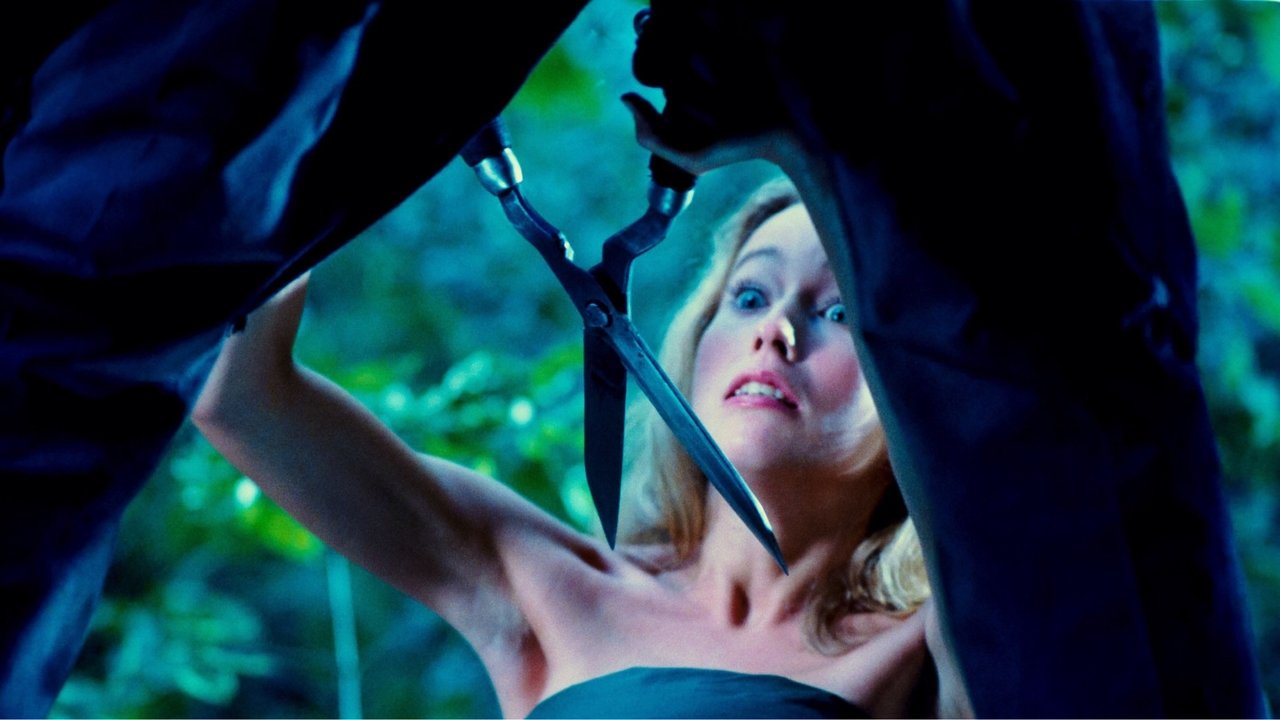
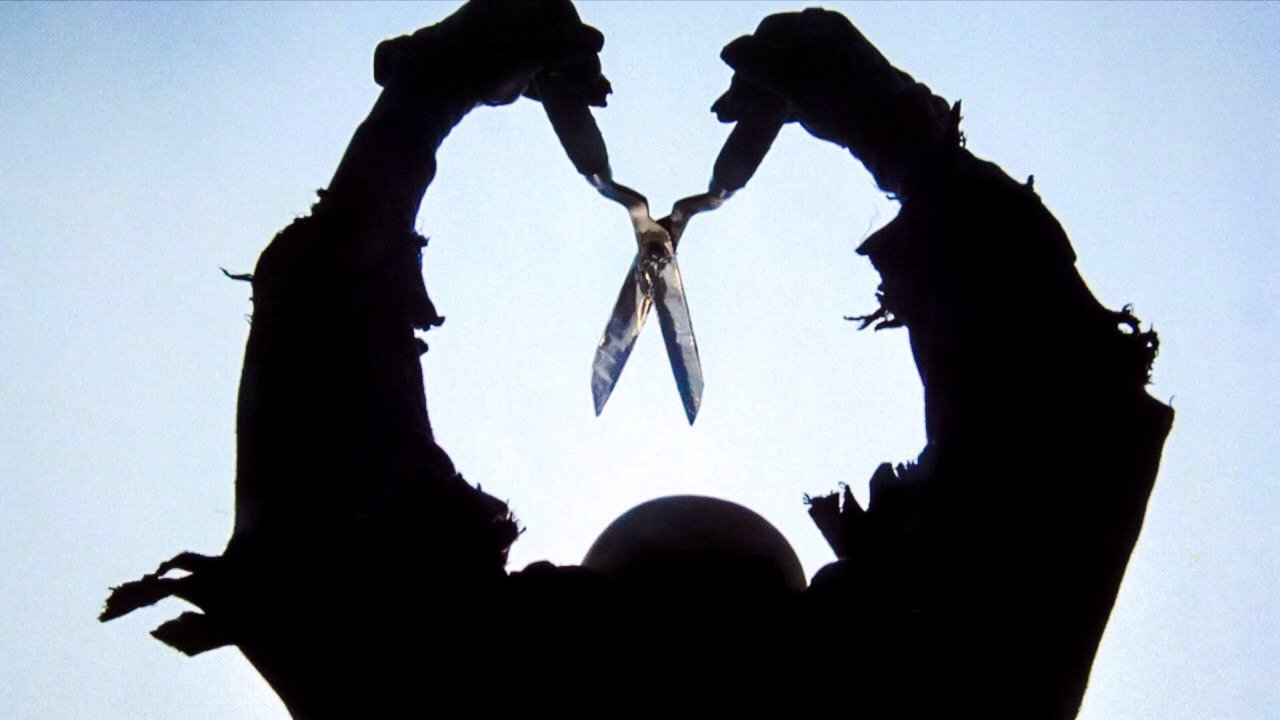
The glint of moonlight off oversized steel – that’s the memory that often surfaces first. Not the flames, not the screams, but the cold, sharp finality of those garden shears. The Burning (1981) doesn’t gently nudge you into unease; it shoves you headfirst into the murky waters of retribution and primal fear, leaving a stain that doesn't easily wash out from the recesses of your mind, much like those stubborn blood splatters on a worn-out VHS slipcase. Forget jump scares; this is about the grim inevitability closing in, stroke by brutal stroke.
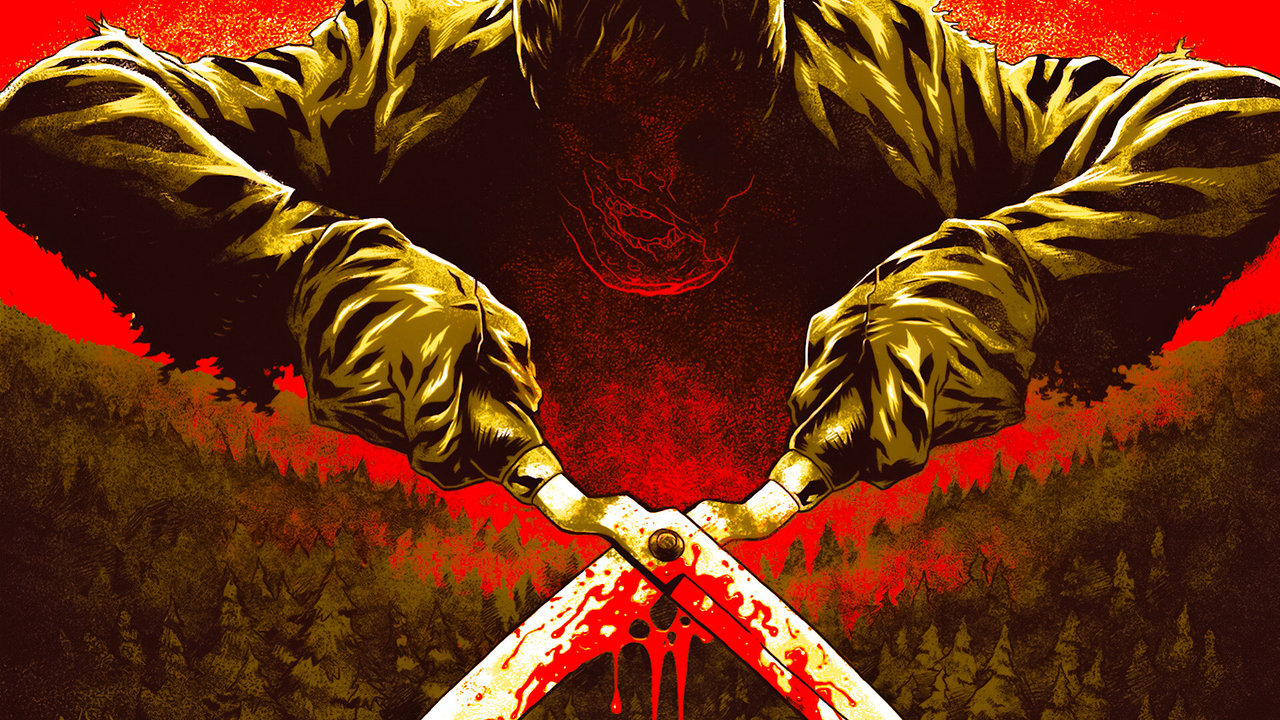
Camp Blackfoot’s Revenge
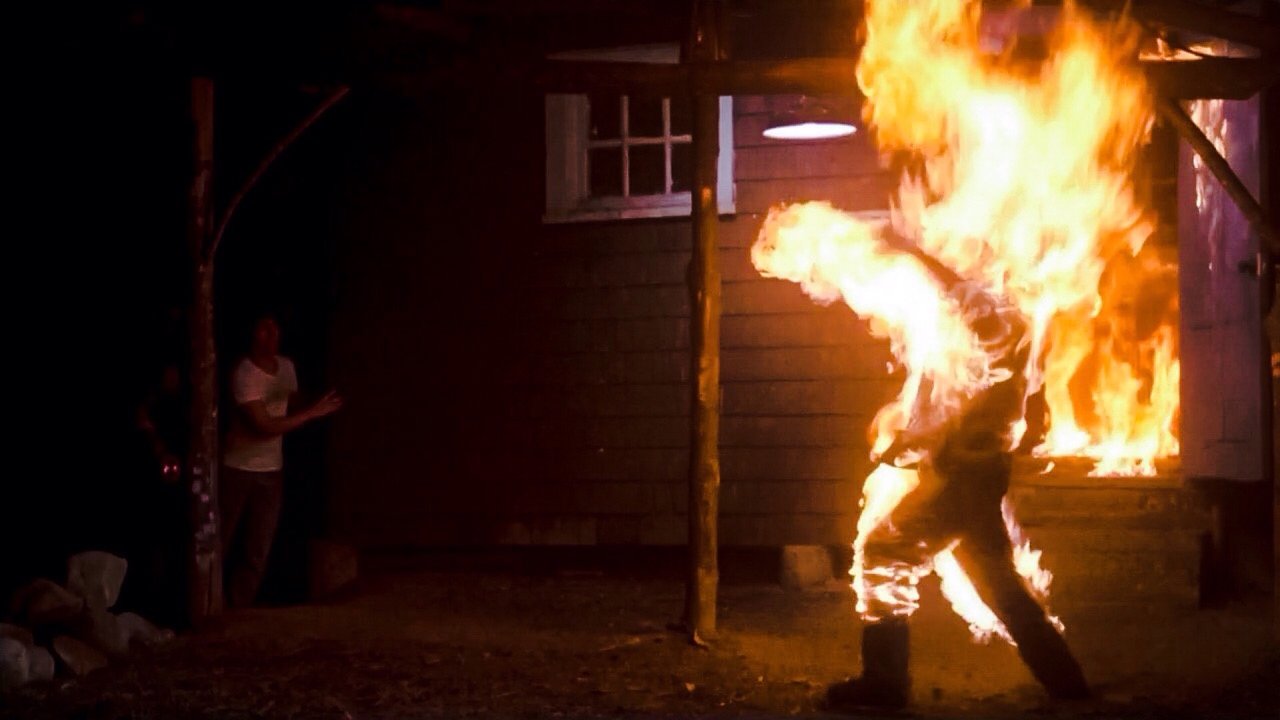
It starts, as these things often do, with youthful cruelty escalating beyond control. A prank aimed at Camp Blackfoot’s genuinely unpleasant caretaker, Cropsy, goes horribly wrong, leaving him horrifically burned and presumed dead. Years pass. Summer returns. Nearby, Camp Stonewater is bustling with hormonal teens and vaguely attentive counsellors, ripe for the picking. And Cropsy, scarred physically and mentally, is back, trading his caretaker tools for a far more sinister pair of shears. Director Tony Maylam crafts a palpable sense of dread around the idyllic summer camp setting, turning sun-dappled woods and tranquil lakes into hunting grounds where adolescent carelessness meets savage consequence. The setup is classic slasher, yes, but executed with a grimy conviction that feels disturbingly authentic.
The Savini Touch of Death
Let’s be blunt: much of The Burning’s enduring notoriety rests on the shoulders of effects maestro Tom Savini. Fresh off his groundbreaking work on Friday the 13th (1980) and Dawn of the Dead (1978), Savini reportedly turned down the chance to work on Friday the 13th Part 2 (1981) to unleash his creativity here. And unleash it he did. The film became infamous, particularly for the notorious raft massacre sequence – a symphony of carnage so graphic it caused significant headaches with the MPAA and led to the film becoming a prime target during the UK's "video nasty" panic. Even viewing it today, with decades of cinematic gore having passed, the scene retains a shocking visceral power. Savini’s practical effects – the glistening wounds, the severed digits, the sheer messy reality of it – felt terrifyingly real on grainy CRT screens. There's an artistry, albeit a gruesome one, to his work here that elevates the film beyond simple schlock. It's said Savini himself was disappointed by how much was ultimately cut to appease the censors, making you wonder just how much more intense the original vision was.
Before They Were Famous
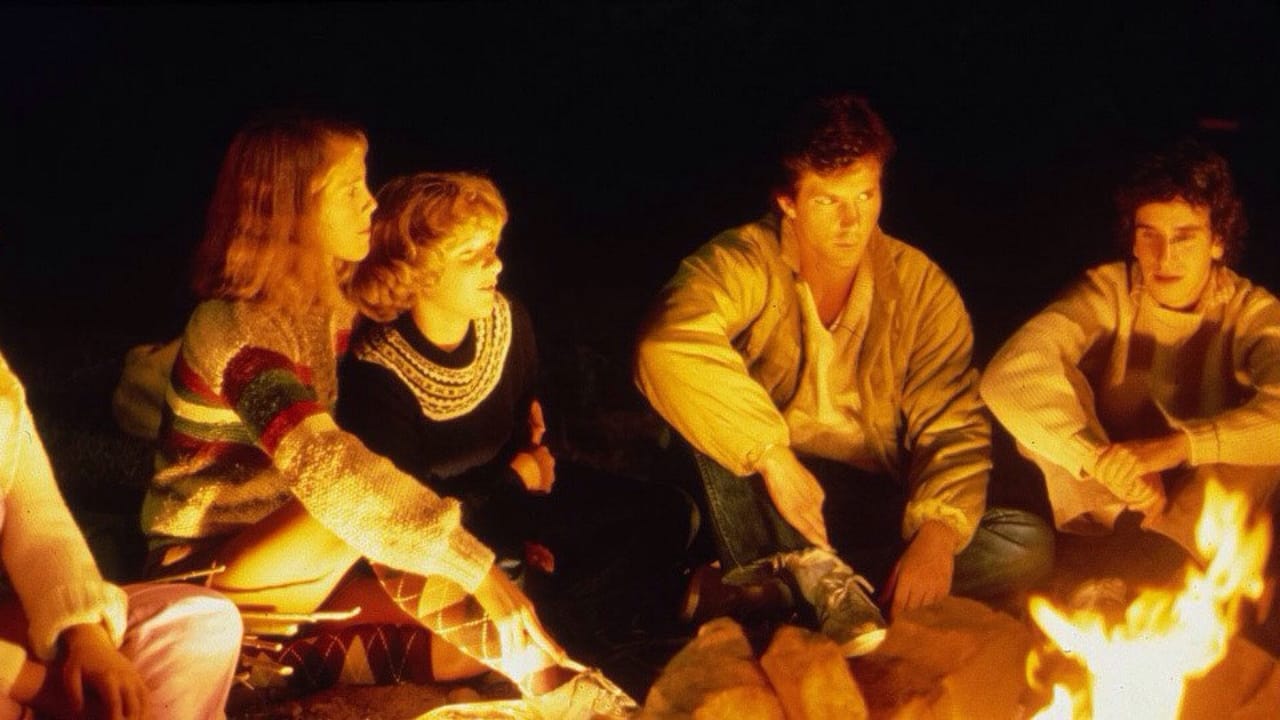
While the focus is often on the gore, The Burning offers a fascinating glimpse of future stars. Keep your eyes peeled for a very young, curly-haired Jason Alexander (yes, George Costanza himself!) as Dave, providing some much-needed comic relief. You’ll also spot Fisher Stevens (Short Circuit (1986)) as Woodstock and, in a blink-and-you’ll-miss-it role, Holly Hunter (Raising Arizona (1987)) as Sophie. Leading the counsellor pack are Brian Matthews as Todd and Leah Ayres as Michelle, who manage to convey genuine fear amidst the chaos. While character development isn't exactly deep by dramatic standards, the young cast feels believable as summer camp attendees, making their eventual fates hit harder. You can almost feel the sticky summer heat and awkward teen energy radiating off the screen.
Miramax Origins and Musical Moods
Digging into the film's history unearths some surprising details. The Burning was the first film produced by a fledgling company called Miramax Films, founded by brothers Bob Weinstein (who also co-wrote the screenplay under the pseudonym Peter Lawrence) and Harvey Weinstein. Knowing their later history adds a strange, perhaps darker layer to this early foray into exploitation horror. The film was loosely inspired by the New York urban legend of Cropsey, a hook-handed or axe-wielding boogeyman said to haunt campgrounds – a tale whispered around many actual campfires. Adding significantly to the unsettling atmosphere is the score by Rick Wakeman, the keyboard wizard from the progressive rock band Yes. His synth-heavy compositions manage to be both eerie and melancholic, perfectly complementing the visuals and amplifying the tension without resorting to cheap stingers. Shot on location in North Collins and Buffalo, New York, the film makes excellent use of its natural settings, turning picturesque landscapes into claustrophobic traps.
Shear Terror Endures
Why does The Burning still resonate with fans of 80s slashers? It’s more than just the Savini gore show, though that’s undeniably a huge part of its appeal. It captures that specific early 80s slasher vibe – gritty, mean-spirited, and surprisingly atmospheric. Cropsy, though perhaps not as iconic as Jason or Freddy, is a genuinely menacing presence, his motivations rooted in believable trauma twisted into homicidal rage. The shear weapon feels somehow more personal, more brutal than a machete. This wasn't a slick, self-aware horror flick; it felt raw, dredged up from some campfire nightmare and splashed onto celluloid. I distinctly remember renting this from a local video store, the lurid cover art practically daring you to take it home. It delivered on that promise of visceral horror, the kind that lingered long after the tape was rewound and returned. Doesn't that raft scene still feel uniquely shocking in its intensity?
***
VHS Heaven Rating: 8/10
The Burning earns its high marks for being a brutally effective and influential early slasher. Its commitment to visceral, groundbreaking practical effects (Tom Savini's work is legendary here), its genuinely menacing villain, the surprisingly atmospheric direction, and Rick Wakeman's haunting score elevate it above many of its contemporaries. While the characters might fit familiar archetypes and the plot follows the slasher formula, it does so with a grim conviction and level of intensity that remains impactful. The pre-fame cast adds a fascinating layer for retro film fans. It's a quintessential piece of the golden age slasher puzzle, infamous for its gore but deserving recognition for its craft.
Final Thought: More than just a Friday the 13th clone, The Burning stands as a raw, nasty, and unforgettable slice of 80s horror cinema – a campfire legend brought chillingly to life on flickering VHS.