The flickering static of a worn VHS tape somehow feels like the only appropriate way to begin discussing William Lustig’s Maniac (1980). This isn't a film you watch casually; it's one that seeps under your skin, leaving a residue of grime and unease long after the credits roll and the VCR clicks off. Forget polished Hollywood scares – Maniac drags you down into the sweaty, garbage-strewn streets of late-70s/early-80s New York City and forces you to look, unfiltered, into the abyss of a shattered mind.

Into the Nightmare Aquarium
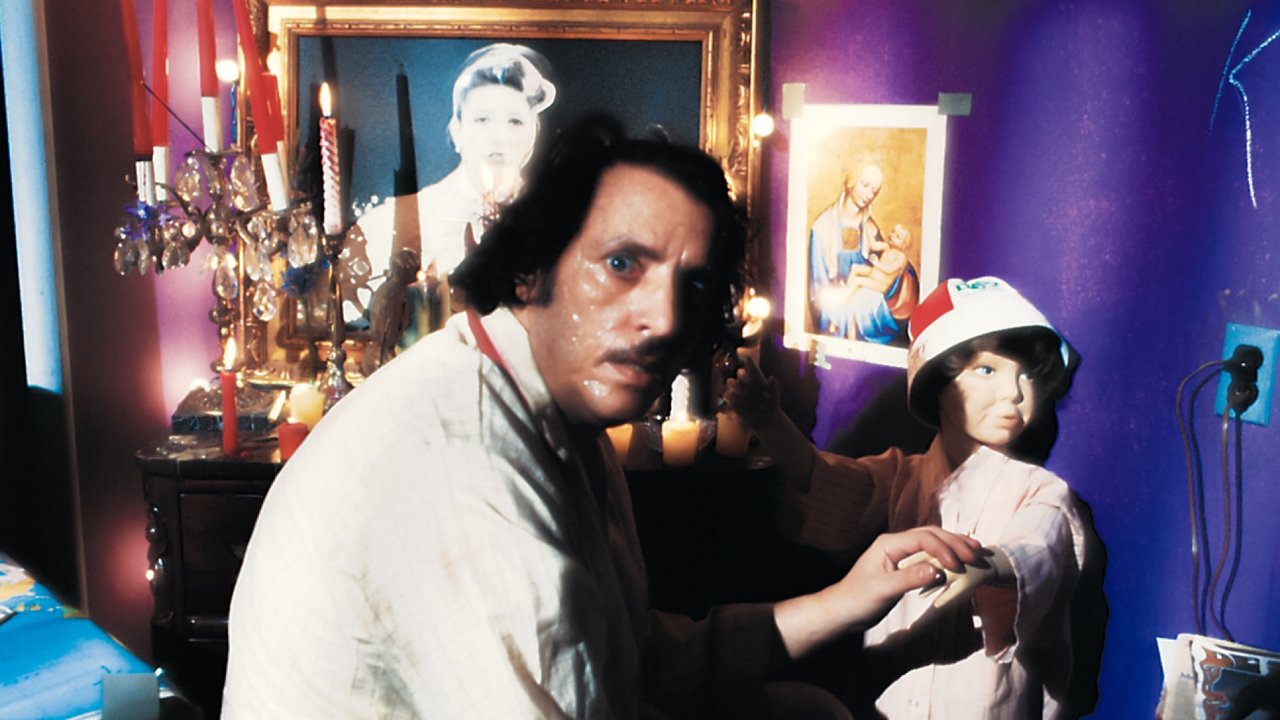
At the fractured heart of this darkness is Frank Zito, brought to terrifying life by co-writer Joe Spinell. Spinell, often seen in tough-guy bit parts in classics like Rocky (1976) and The Godfather (1972), delivers a performance here that’s less acting and more a raw, exposed nerve. Zito isn't a charismatic phantom like Freddy or a silent force like Jason; he's tragically, repulsively human. He’s overweight, sweating, mumbling to himself and his collection of mannequins draped in the scalps and clothing of his victims. His apartment isn't a gothic lair; it's a claustrophobic, squalid reflection of his own decaying psyche. Watching him is profoundly uncomfortable, a descent into loneliness warped into homicidal rage, supposedly fuelled by the abuse suffered at the hands of his prostitute mother. Spinell’s commitment is absolute, reportedly immersing himself so deeply that the lines between actor and character blurred, adding another layer of unsettling authenticity to the film's legacy.
The Savini Touch
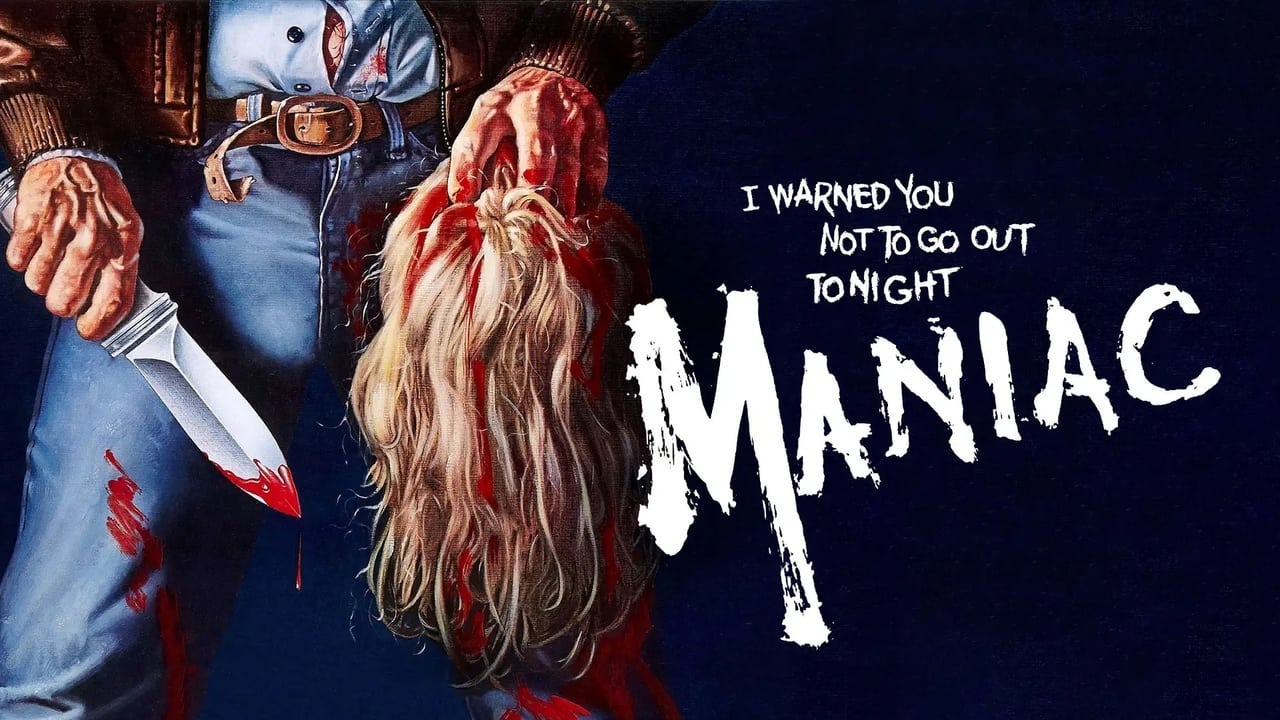
You can't talk about Maniac without invoking the name Tom Savini. Fresh off his groundbreaking work on Dawn of the Dead (1978), Savini delivers some of the most visceral and controversial practical gore effects of the era. These aren't quick cuts or suggestions; they are graphic, lingering depictions of violence that pushed boundaries and provoked outrage. The infamous shotgun-through-the-windshield sequence (featuring Savini himself as the victim, a story often recounted about how they only had one shot to get it right with the dummy head) remains a benchmark of shocking, hyper-realistic gore. There’s also the scalping, achieved with unsettling effectiveness. It’s brutal, yes, but it serves the film's grim purpose: to portray the horrific reality of Zito's actions without flinching, stripping away any potential glamour or thrill. These effects, seen on grainy VHS, felt disturbingly real, lacking the digital sheen that often distances modern audiences. Remember how jaw-droppingly convincing (and stomach-churning) that head explosion felt back then?
Guerrilla Grit and Urban Decay
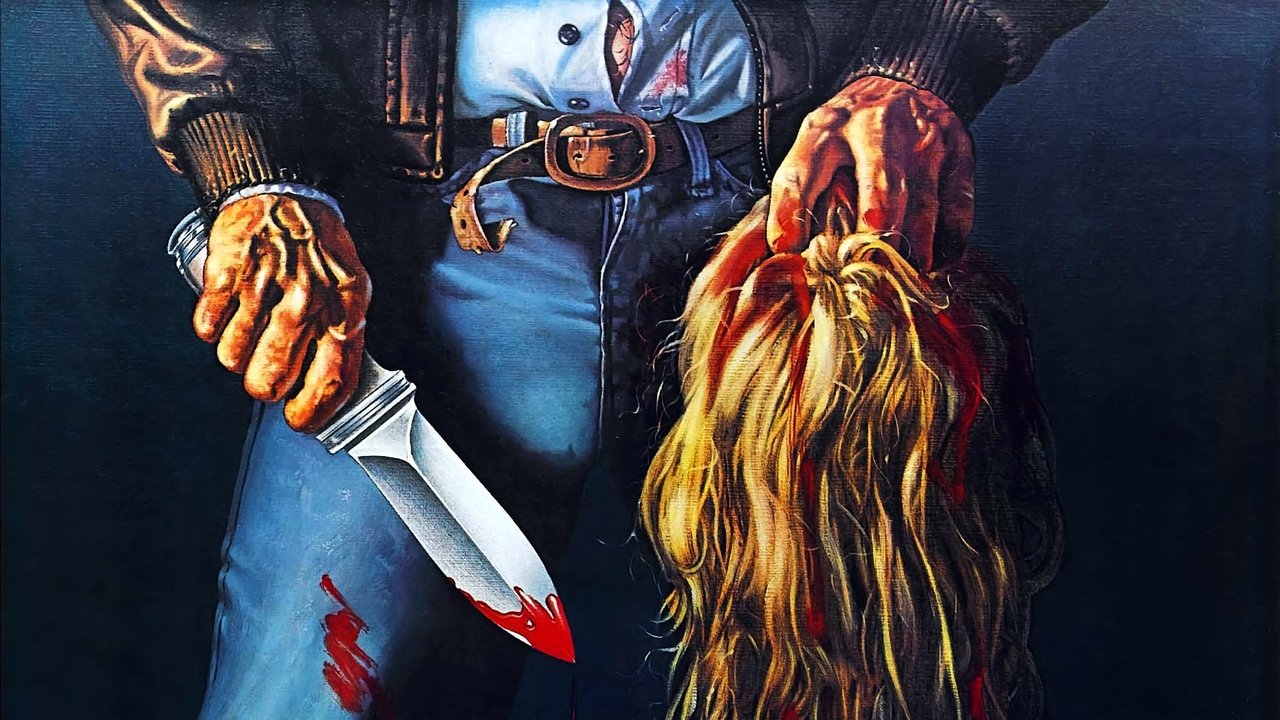
Shot on a shoestring budget (reportedly around $350,000), Maniac embodies the spirit of guerrilla filmmaking. William Lustig, who would later give us the cult action Maniac Cop trilogy, uses the decaying landscape of New York City as more than just a backdrop; it’s practically a character in itself. The dimly lit subway tunnels, desolate parking garages, and rain-slicked streets create an atmosphere of pervasive dread and vulnerability. Much of the film was shot quickly, often without permits, adding to the raw, unpredictable energy. This wasn’t the romanticized New York of postcards; it was the dangerous, pre-cleanup city that felt genuinely threatening, a perfect hunting ground for Zito. The film's stark realism horrified mainstream critics (Gene Siskel famously walked out, calling it sickening), leading to protests and condemnation, yet it became a significant financial success on the grindhouse and home video circuits, proving there was an audience hungry for its unflinching horror.

A Glimmer of Light?
Amidst the relentless bleakness, the film introduces photographer Anna D'Antoni, played by scream queen Caroline Munro (The Spy Who Loved Me (1977), Starcrash (1978)). Her character represents a potential connection for Frank, a chance – however slim – at something resembling normalcy. Their interactions are fraught with tension, as the audience waits for Frank's inevitable relapse. Munro brings a necessary warmth and vulnerability that contrasts sharply with Spinell's coiled menace, making the threat feel even more palpable. Does her presence offer hope, or just raise the stakes for the inevitable, horrifying conclusion? It’s a question that hangs heavy throughout their scenes.
Lasting Stain
Maniac remains a deeply divisive film. It’s ugly, nihilistic, and refuses to offer easy answers or catharsis. It doesn't operate like a traditional slasher; the focus is almost entirely on the killer's perspective, forcing a disturbing intimacy. There’s no final girl triumph in the conventional sense, just the suffocating weight of Zito's pathology. Its influence can be seen in subsequent gritty horror films that dared to explore the darker, less palatable aspects of violence and the human condition. While the 2012 remake starring Elijah Wood offered a stylish, albeit different, take (notably using a POV perspective), the raw, primal power of the original remains undiluted. It’s a film that feels genuinely dangerous, a relic from a time when horror could still feel truly transgressive.
VHS Heaven Rating: 7/10
Maniac earns its 7/10 rating not for being pleasant, but for being undeniably effective. Joe Spinell's harrowing performance is unforgettable, Tom Savini's effects are legendary (if stomach-churning), and William Lustig crafts an atmosphere of pure urban dread on a minimal budget. It's deliberately paced, relentlessly grim, and forces a confrontation with uncomfortable truths about violence and isolation. It loses points for its almost overwhelming bleakness and thin plot beyond the character study, which can make it a punishing watch. However, its raw power, historical notoriety, and significance within the evolution of extreme horror cannot be denied.
This is pure, uncut, grindhouse nightmare fuel. It’s not for the faint of heart, but for connoisseurs of gritty 80s horror looking for something that truly burrows into the psyche, Maniac remains a potent and disturbing artifact of the VHS era. It’s the kind of tape you might have hesitated to rent, but once watched, never fully forgot.