The woods have gone quiet. Not the peaceful quiet of nature, but the watchful, waiting silence that precedes a storm. Or something worse. That’s the feeling that permeates Camp Crystal Lake, even before the first shadow falls or the first scream echoes across the water. Friday the 13th wasn’t just a movie you watched in 1980; it was a place you visited, a palpable sense of dread you carried home from the video store, sealed inside that slightly worn clamshell case.

The Unsettling Idyll
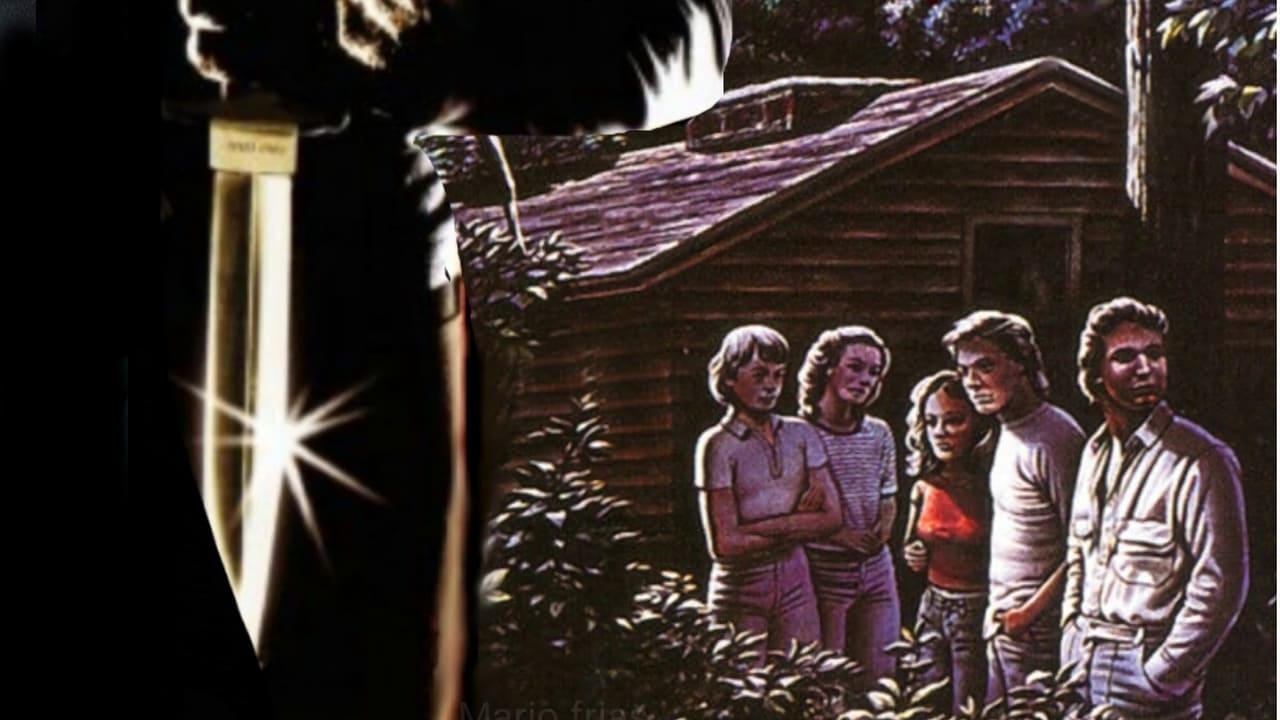
Forget picturesque summer camps. Director Sean S. Cunningham, perhaps best known before this for producing Wes Craven's The Last House on the Left (1972), crafts an atmosphere thick with isolation. Camp No-Be-Bo-Sco in Hardwick, New Jersey – a real, functioning Boy Scout camp to this day – becomes a character unto itself. The peeling paint on the cabins, the murky lake, the vast, indifferent woods… it all feels unnervingly authentic. There's a raw, almost cinéma vérité quality to the early scenes, lulling you into a false sense of campfire camaraderie before the methodical dismantling begins. The film deliberately takes its time introducing the young counselors – likable, slightly naive archetypes ready for a summer of fun, completely oblivious to the vengeful presence stalking the grounds.
Savini's Touch of Terror
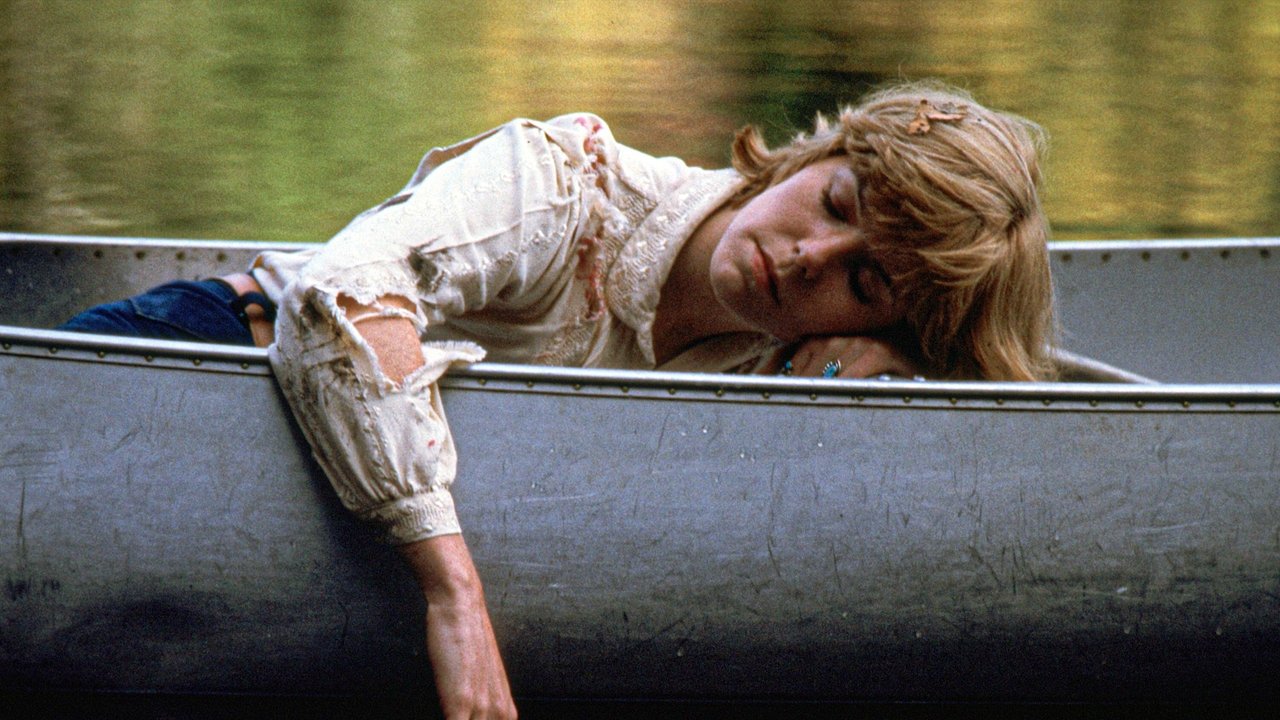
Let's be honest, part of the grim magic of Friday the 13th on VHS was rewinding that scene. Or that one. The visceral impact of Tom Savini's practical makeup effects felt revolutionary. Fresh off his work on Dawn of the Dead (1978) and drawing grim inspiration from his experiences as a combat photographer in Vietnam, Savini delivered moments of shocking brutality that lodged themselves firmly in the collective consciousness. Remember Kevin Bacon (in one of his earliest roles) and the arrow? Or the axe finding its mark? Savini achieved these moments with ingenious, often low-tech solutions – latex, tubing, stage blood, and sheer creative will. There was a tangible, disturbing reality to the gore that digital effects rarely capture. Even the infamous snake scene involved wrangling a very real, and reportedly uncooperative, reptile on set, adding another layer of chaotic authenticity.
The Whisper on the Soundtrack
Complementing the visuals is Harry Manfredini's unforgettable score. It's more than just music; it's a weaponized soundscape. The sparse, stabbing strings mimic the killer's approach, but it's the chilling, distorted whisper – ki-ki-ki, ma-ma-ma – that truly burrows under your skin. Manfredini famously derived this from the phrase "Kill her, mommy," electronically processed into something primal and terrifying. It's a sound intrinsically linked to the film's dread, a Pavlovian cue for terror that still works decades later. Did that sound send shivers down your spine back in the day, echoing in the dark long after the TV was off?
Beyond the Bloodshed: Genesis of a Legend
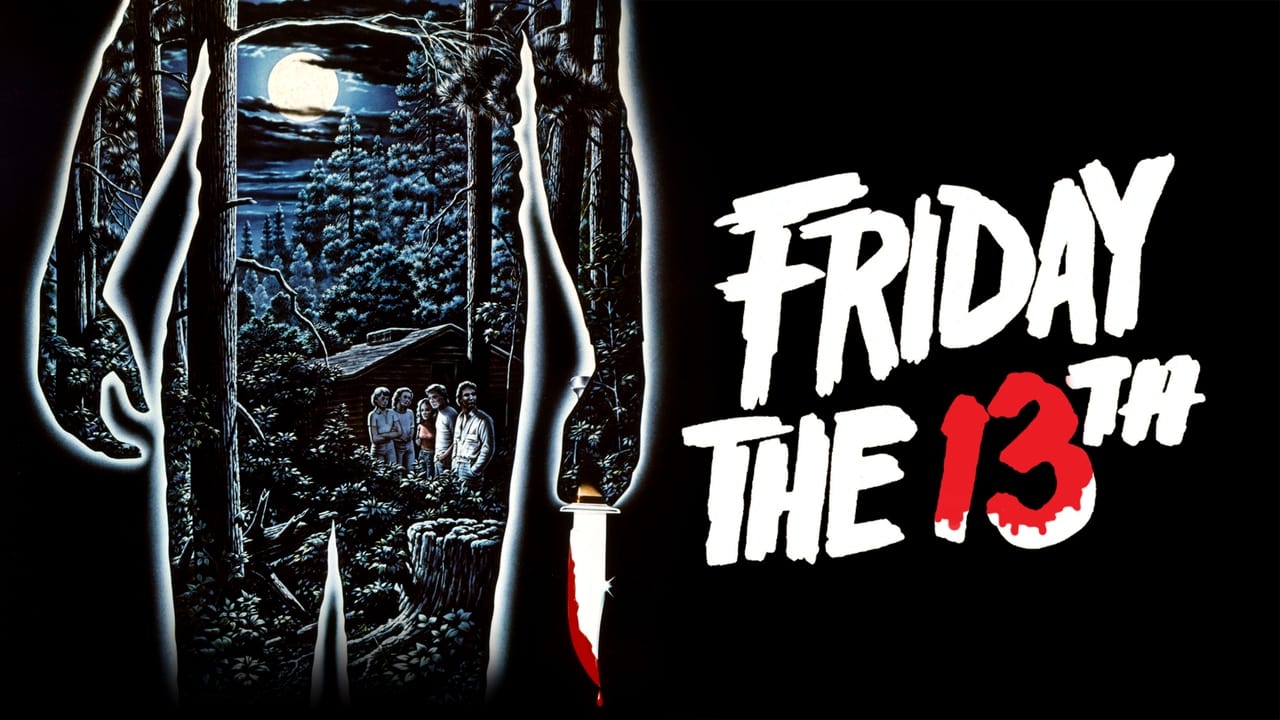
The story behind Friday the 13th is almost as intriguing as the film itself. Cunningham reportedly conceived of the title first, placing a bold ad in Variety proclaiming Friday the 13th "The Most Terrifying Film Ever Made" before a script even existed, simply to gauge interest. Writer Victor Miller penned the screenplay wanting to explore a different kind of killer – not a faceless boogeyman, but a motivated, grieving mother pushed past the breaking point. This led to one of horror's great reveals and a truly unsettling performance.
Which brings us to Betsy Palmer. A respected actress known more for panel shows and stage work, she initially recoiled from the script, allegedly calling it "a piece of shit." Legend has it she only accepted the role of Pamela Voorhees because she desperately needed $10,000 for a new car (roughly $36,000 today). Yet, her commitment in those final reels is electric. She transforms from seemingly kindly figure to vengeful force of nature, her eyes blazing with a terrifying blend of maternal love and psychotic rage. Her performance elevates the film beyond mere exploitation, giving it a disturbing psychological anchor.
Made for a scant $550,000 (around $2 million in today's money), the film became a box office phenomenon, raking in nearly $60 million worldwide (~$218 million adjusted). It faced significant battles with the MPAA over its graphic content, requiring cuts to avoid an X rating, but its raw power connected with audiences hungry for a new kind of horror. It wasn't sophisticated, but it was brutally effective.
The Last Scare and Lasting Shadow
And then there's the ending. Spoiler Alert! That final jump scare, with young Jason Voorhees lunging from the lake, wasn't even in Miller's original script. It was Cunningham's last-minute addition, inspired by the ending of Carrie (1976), designed to give the audience one final jolt. Little did they know that this seemingly tacked-on shock would inadvertently birth one of horror's most enduring icons, even though Mrs. Voorhees was the architect of terror in this initial outing.
Friday the 13th isn't high art. The characters are thin, the dialogue functional, and the plot a straightforward stalk-and-slash formula. But its genius lies in its execution: the relentless pacing, the masterful build-up of suspense between kills, Savini's groundbreaking gore, Palmer's chilling performance, and that pervasive, inescapable atmosphere of dread. It tapped into primal fears – the dark woods, the isolation, the unseen watcher – and combined them with the burgeoning anxieties of a new decade.
Rating: 8/10
This score reflects the film's undeniable impact and raw effectiveness. While rough around the edges, its atmospheric dread, influential practical effects, iconic score, and Betsy Palmer's terrifying turn solidify its place as a cornerstone of the slasher genre. It perfectly captured a particular brand of early 80s horror grit that still feels potent.
It may seem crude by today's standards, but Friday the 13th remains a masterclass in low-budget terror, a film that proved you didn't need complex mythology or slick production to scare audiences senseless. Sometimes, all you need is a summer camp, a dark secret, and the whisper of a mother's revenge echoing through the trees.