The thick, humid air practically hangs off the screen in The Siege of Firebase Gloria. This isn't the polished, morally complex Vietnam of Platoon (1986) or the operatic nightmare of Apocalypse Now (1979). No, this 1989 gut-punch from exploitation maestro Brian Trenchard-Smith throws you headfirst into the mud, the blood, and the unrelenting chaos of the Tet Offensive with a raw immediacy that feels disturbingly intimate, especially viewed through the fuzzy analogue warmth of a well-worn VHS tape. It’s the kind of film that leaves you feeling grimy, exhausted, and maybe just a little bit shell-shocked yourself.
Into the Meat Grinder
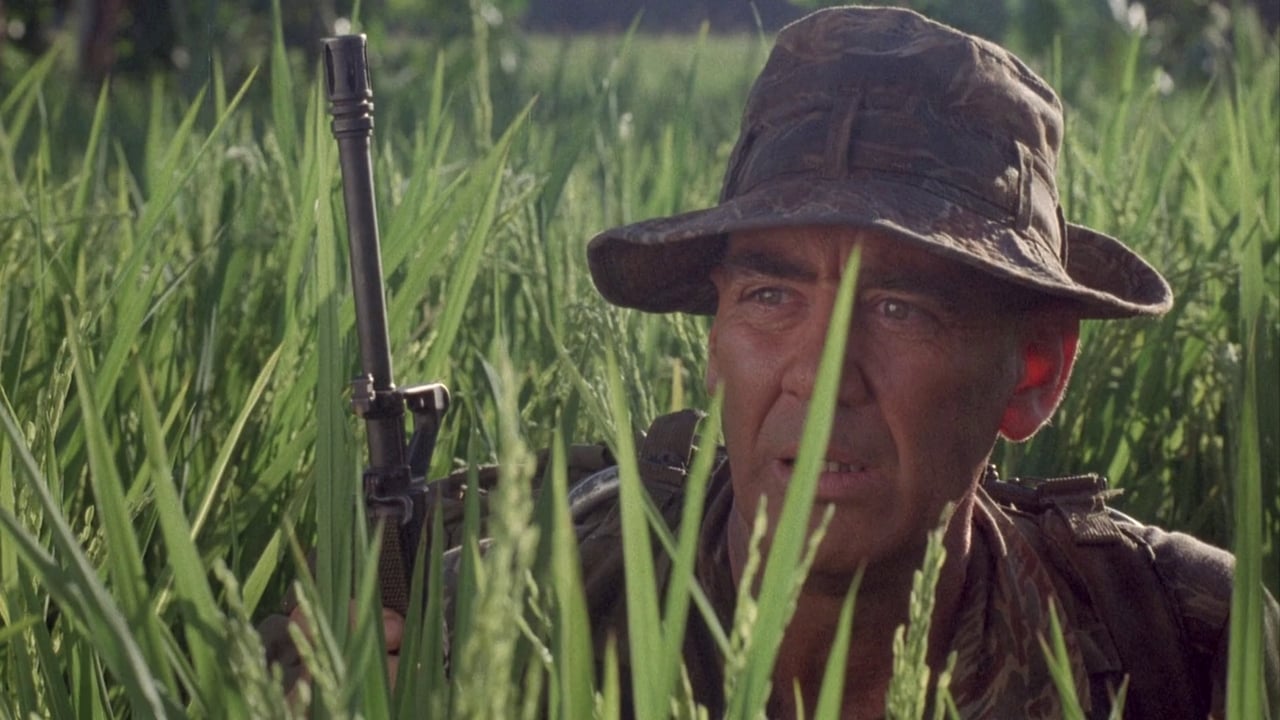
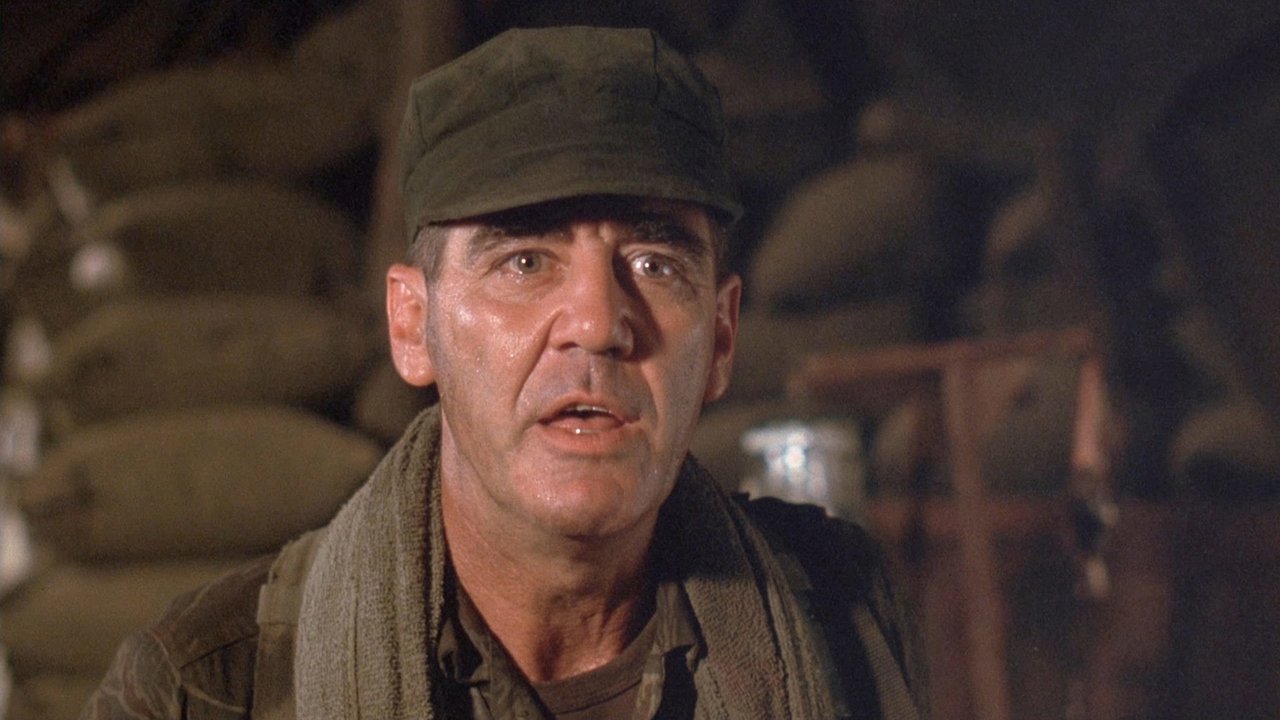
Set during the initial, brutal days of the 1968 Tet Offensive, the film locks us down in a remote Marine firebase, undermanned and perilously positioned. We experience the escalating horror through the eyes of Corporal Di Nardo (Wings Hauser), a capable but increasingly weary soldier, and under the command of the formidable Sergeant Major Bill Hafner, played with gravelly authority by the inimitable R. Lee Ermey. Forget the high-decibel theatrics of Gunnery Sergeant Hartman in Full Metal Jacket (1987); Ermey here delivers a performance steeped in grim resolve and battlefield pragmatism. His Hafner is a man who understands the ugly calculus of survival, a leader forged in the crucible, not just barking orders but feeling the weight of every life under his command. It's a portrayal deepened by Ermey's own service as a Marine Drill Instructor and Staff Sergeant, including a tour in Vietnam – lending an unspoken authenticity that resonates powerfully.
The plot is brutally simple: hold the line. As wave after wave of Viet Cong forces assault the firebase, the film becomes an exercise in sustained tension and visceral combat. Trenchard-Smith, known for his efficient and kinetic action direction in Ozploitation classics like Turkey Shoot (1982) and BMX Bandits (1983), brings that same lean, mean energy here, but grounds it in a far more harrowing reality. There’s little room for heroics, only desperate measures and the stark fear etched on soldiers' faces.
Boots on the Ground Authenticity
What elevates Firebase Gloria beyond mere action fodder is its commitment to a certain kind of gritty realism, born partly from necessity and partly from intent. Shot entirely on location in the Philippines, the film leverages its relatively modest budget – a reported $1.5 million (around $3.7 million adjusted for inflation) – to maximum effect. The jungle feels suffocating, the fortifications rudimentary and vulnerable. The screenplay, co-written by Vietnam veteran William L. Nagle (who also served and wrote about his experiences), avoids jingoism, focusing instead on the sheer grinding horror of the situation. There’s an ugliness to the violence here, unflinching and often shocking, that feels earned rather than gratuitous.
The practical effects, a hallmark of the era, contribute significantly to the film's impact. Explosions feel concussive, bullet hits land with sickening thuds – the kind of pyrotechnics and squib work that looked terrifyingly real on a flickering CRT screen late at night. Remember how tangible those effects felt back then, before CGI smoothed all the rough edges? Firebase Gloria delivers that raw, physical impact in spades. One can only imagine the challenges the effects team faced staging such intense battle sequences under the Filipino sun on that budget, a testament to Trenchard-Smith's resourcefulness.
The Human Cost Amidst the Chaos
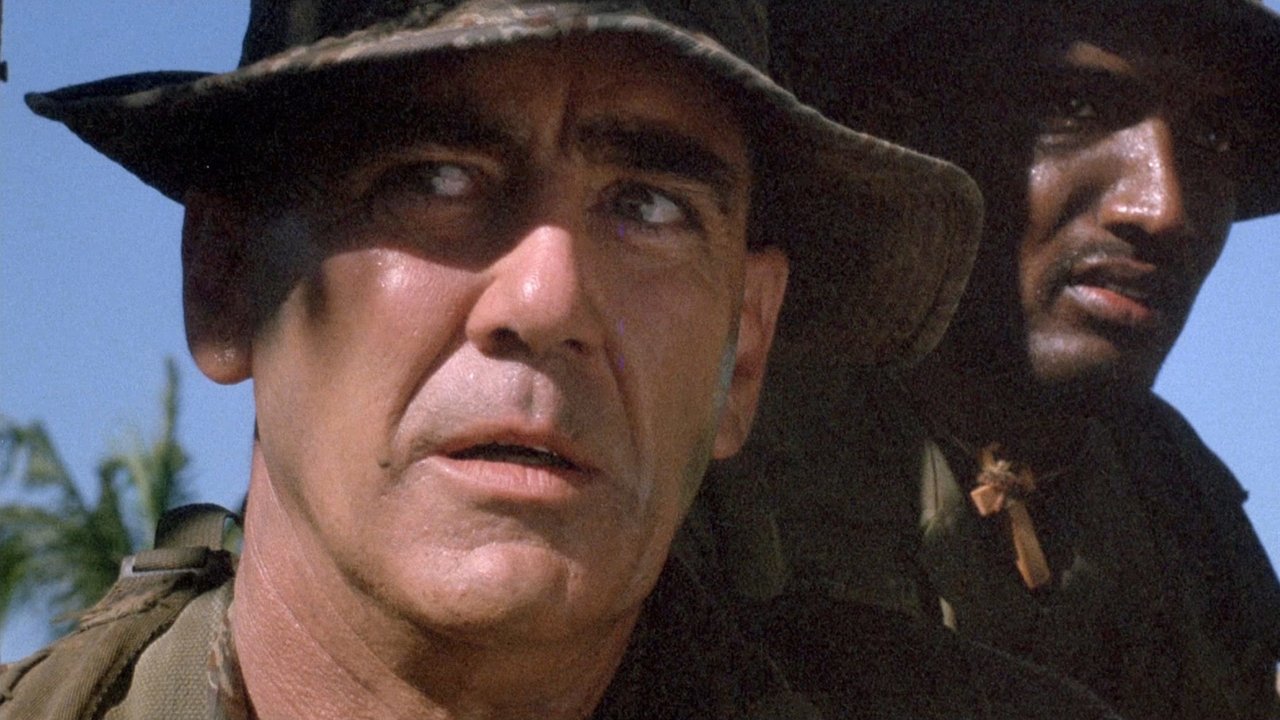
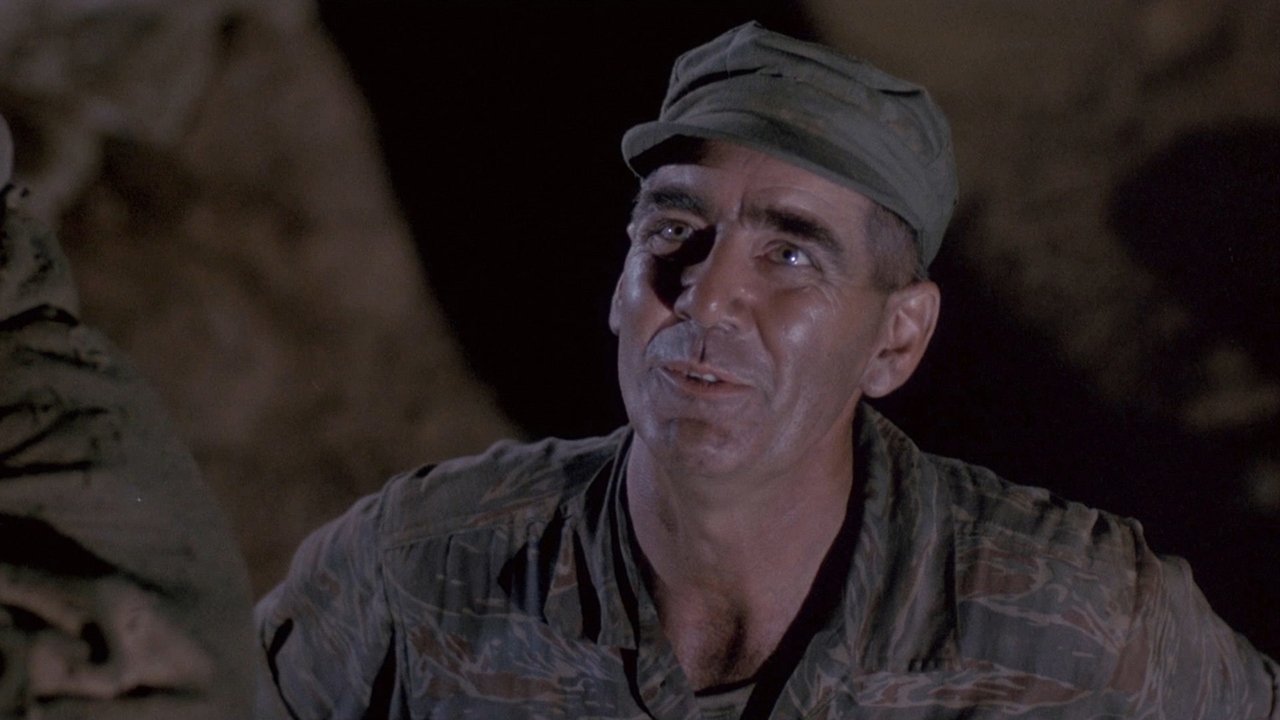
While the action is relentless, the film doesn't entirely neglect the human element. The dynamic between Ermey's stoic Hafner and Hauser's more outwardly frayed Di Nardo forms the core relationship. Wings Hauser, often cast in more villainous or eccentric roles (like in Vice Squad from 1982), brings a compelling vulnerability here, capturing the psychological toll of endless combat. Supporting characters, including the local Filipino soldiers defending the base alongside the Marines (led by Robert Arevalo as Cao Van), are sketched effectively, reminding us of the broader scope of the conflict beyond the American perspective, even if their screen time is limited.
The film doesn’t shy away from the brutality inflicted by both sides, including difficult scenes involving civilian casualties and the moral compromises demanded by survival. It paints a picture not of heroes and villains, but of people pushed to their absolute limits in an impossible situation. Did those moments of stark moral ambiguity hit you as hard as they did me back in the day? They certainly stand out now against the often more sanitized portrayals of war.
Lasting Impressions from the Foxhole
The Siege of Firebase Gloria isn't a comfortable watch. It lacks the philosophical depth of some Vietnam War epics and the gung-ho thrills of others. Instead, it offers something perhaps more potent: a relentless, claustrophobic immersion in the immediate, visceral terror of combat. It's a film that feels less like a strategic overview and more like a desperate diary scrawled from inside the wire. It captures a specific kind of exhaustion and fear, the feeling of being constantly under siege, that many bigger-budgeted films struggled to convey with such raw force. It remains a standout in Brian Trenchard-Smith's eclectic filmography and a powerful, if often overlooked, entry in the Vietnam War movie subgenre.
Rating: 8/10
This score reflects the film's intense atmosphere, R. Lee Ermey's commanding performance, its surprisingly effective low-budget execution, and its unflinching, gritty portrayal of combat. While perhaps lacking the scope or nuance of acknowledged masterpieces, it achieves its aims with brutal efficiency and leaves a lasting, visceral impact that perfectly captures the raw edge many of us sought out on those late-night VHS hunts. It’s a film that grabs you by the fatigues and refuses to let go until the harrowing end.