Sometimes, a film doesn't announce itself with explosions or grand pronouncements, but slips quietly into your heart, leaving a warmth that lingers long after the VCR whirs to a stop. Claude Berri’s Le Maître d'école (or The Schoolmaster, as we often found it labelled on those slightly worn rental boxes) from 1981 is precisely that kind of movie. It doesn’t shout its themes, but rather lets them unfold with the gentle rhythm of everyday life, centered around an utterly captivating performance from an actor many knew primarily for making them laugh out loud.
An Unexpected Classroom
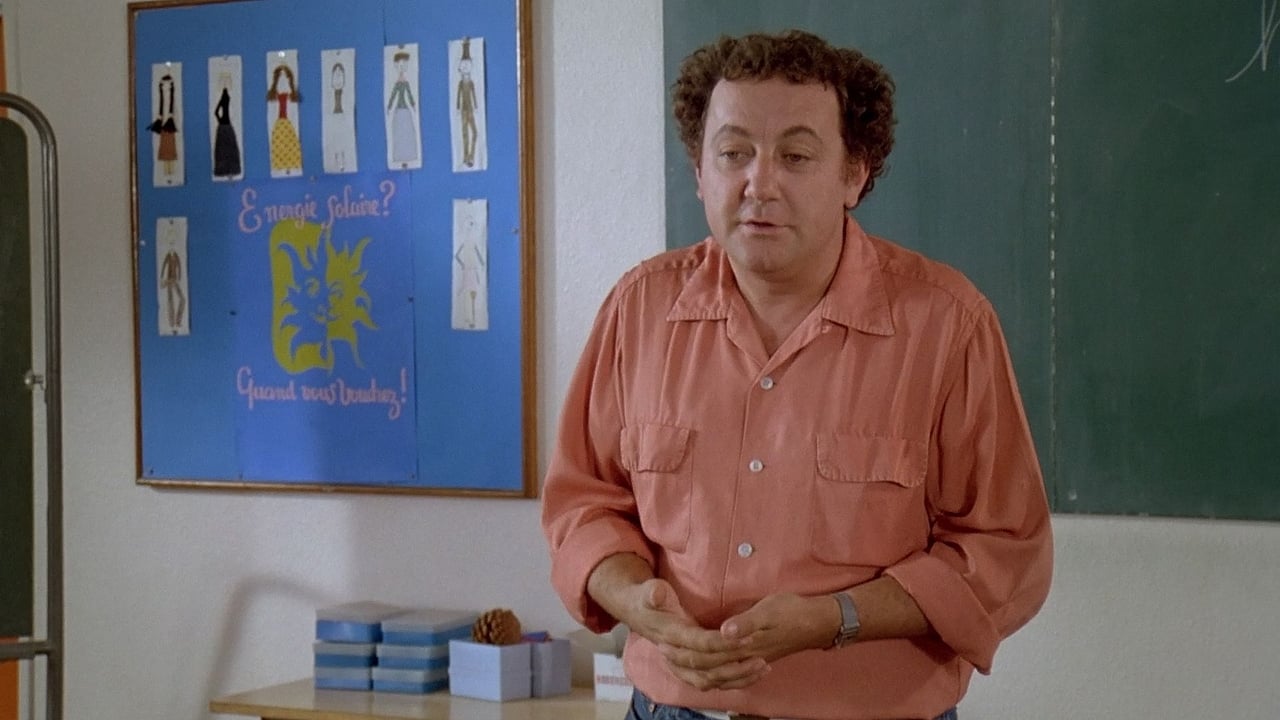
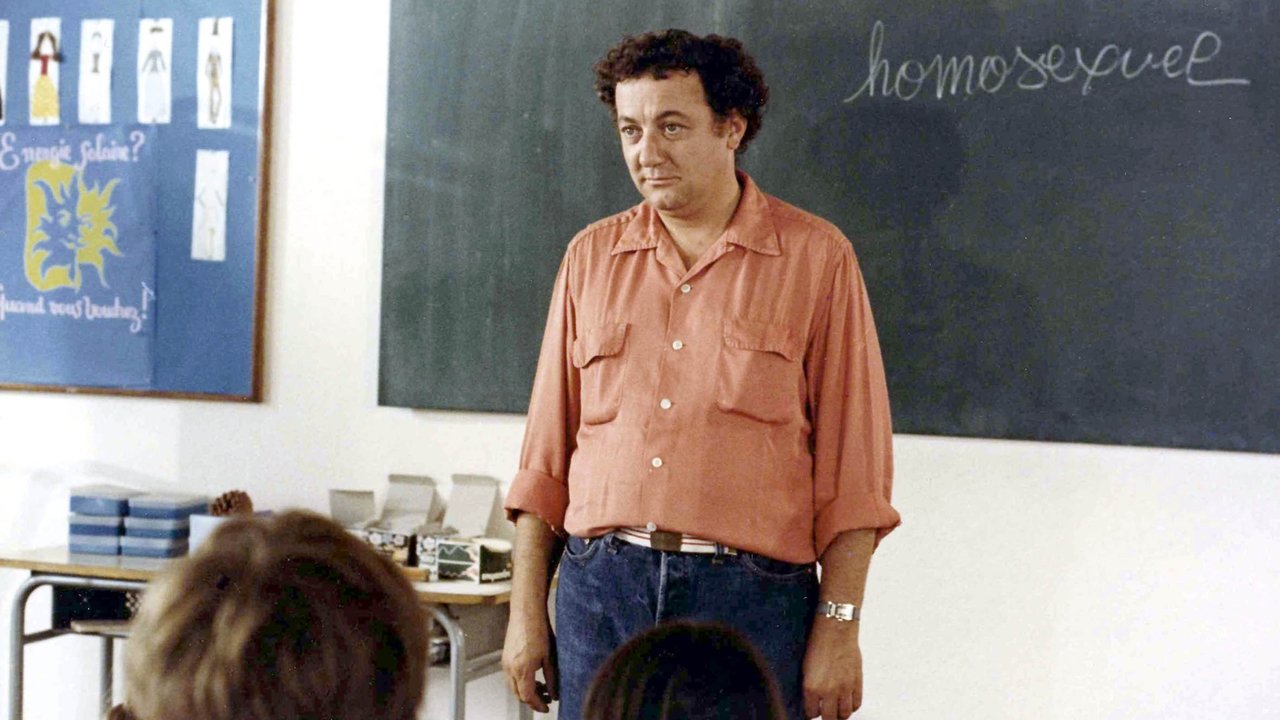
The premise is simple, yet ripe for emotional exploration. Gérard Barbier, played by the inimitable Coluche, finds himself adrift after losing his job selling jeans. On something of a whim, perhaps nudged by his partner, he decides to become a primary school teacher. He lands a substitute position in a small, unassuming village school, stepping into a world far removed from fashion retail – a world of chaotic energy, skinned knees, burgeoning friendships, and the myriad tiny dramas that fill a child’s day. It’s a classic fish-out-of-water setup, but Berri, who also penned the screenplay (and would later give us the stunning rural epics Jean de Florette and Manon des Sources), steers clear of broad caricature. Instead, he focuses on the human element, the genuine connection – or lack thereof – between this unconventional teacher and his young charges.
The Soul of the Salopettes
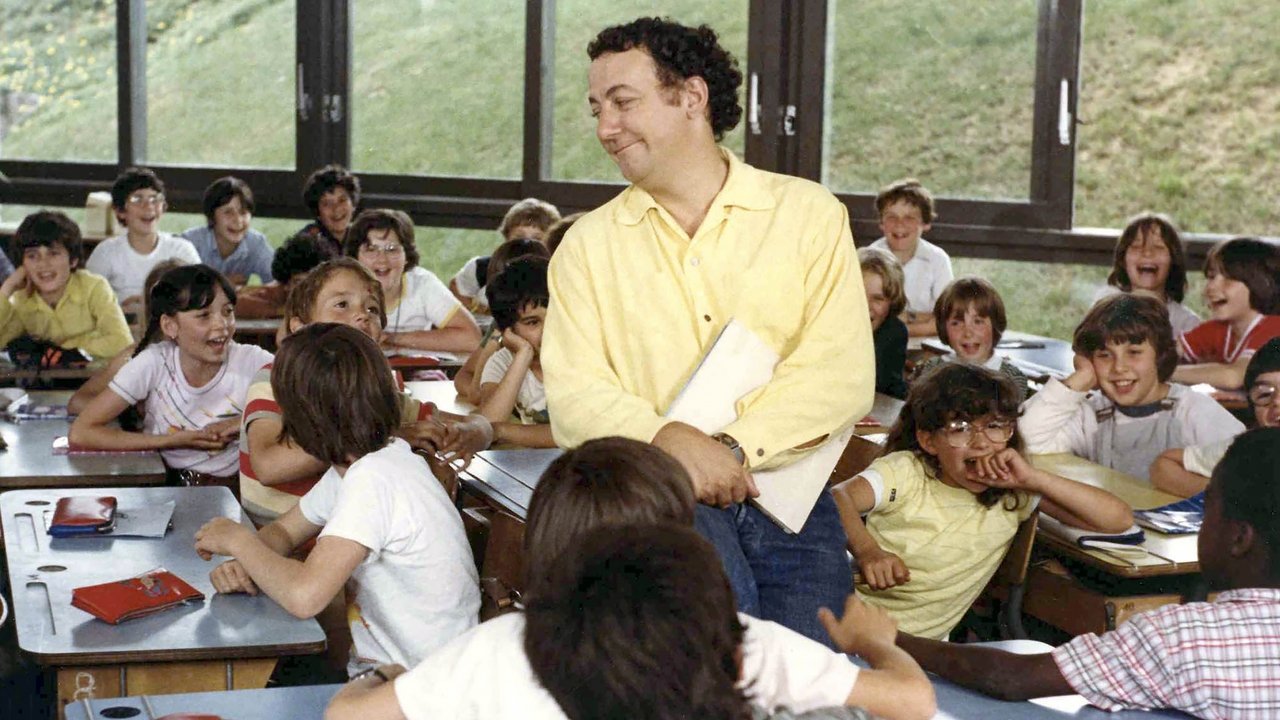
Let’s be honest: the absolute core of Le Maître d'école is Coluche. Known in France as a comedic superstar, famous for his blue-striped salopettes (overalls), sharp satire, and even a provocative presidential bid, his casting here might have seemed surprising. Yet, it’s a masterstroke. Coluche doesn't entirely shed his comedic persona – there are moments of delightful improvisation and physical comedy as Gérard tries, often clumsily, to manage the classroom zoo. But beneath the familiar clowning is a deep wellspring of sincerity and vulnerability. We see Gérard’s frustration bubble up, his moments of doubt, his genuine joy when he connects with a struggling student, his quiet determination to do right by these kids despite his lack of formal training. It's in the way he looks at the children, a mixture of exasperation and deep affection, that his performance truly resonates. You believe him not just as a teacher, but as a man finding an unexpected, vital purpose. It feels less like acting and more like witnessing a genuine transformation.
Berri's Gentle Hand
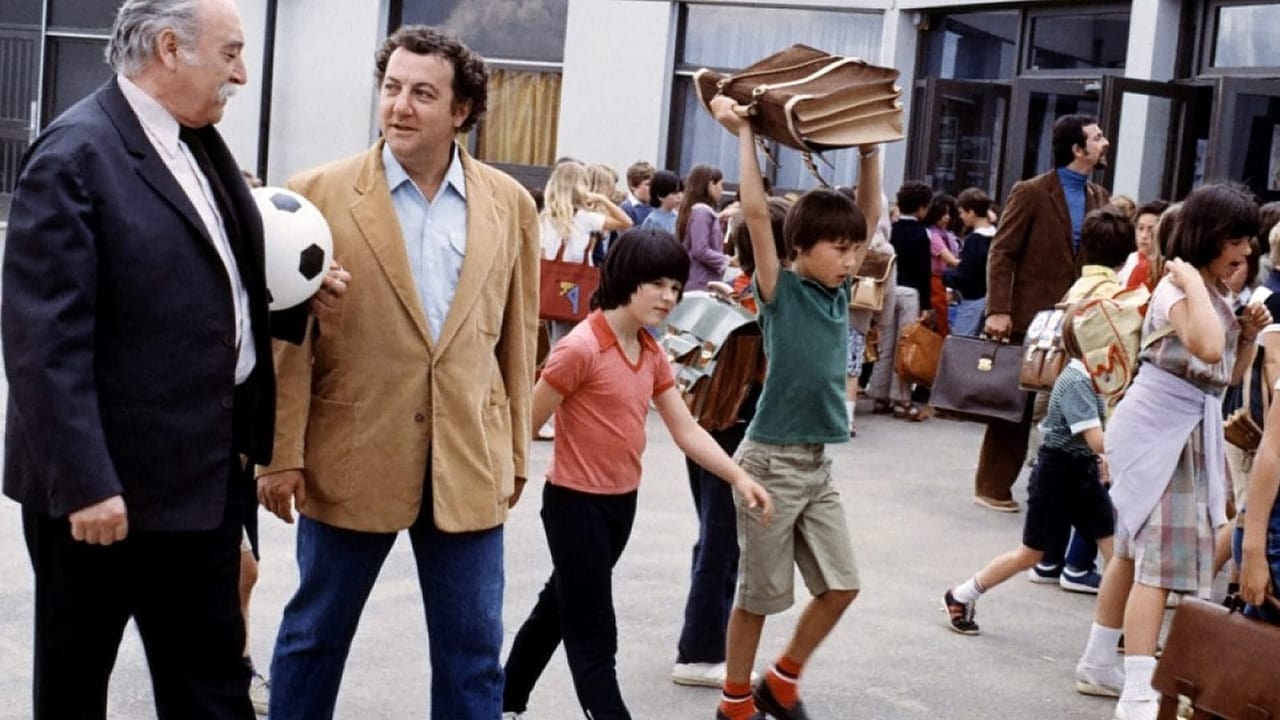
Claude Berri’s direction is characterized by its warmth and restraint. He observes the classroom dynamics, the playground politics, and Gérard’s interactions with colleagues – notably the supportive Mademoiselle Lajoie, played with warmth by Josiane Balasko (a formidable talent herself, later known for writing, directing, and starring in films like Gazon maudit), and the initially skeptical headmaster portrayed by Jacques Debary – with an empathetic eye. There’s an unhurried pace, allowing moments to breathe and character relationships to develop naturally. The film captures the specific atmosphere of a French village school in the early 80s, a feeling both familiar and distinct. Berri showed an early knack here for drawing wonderfully naturalistic performances from the child actors, something that would become a hallmark of his later, more celebrated work. The children aren’t just props; they feel like real kids, sometimes charming, sometimes infuriating, always believable.
Beyond the Chalkboard
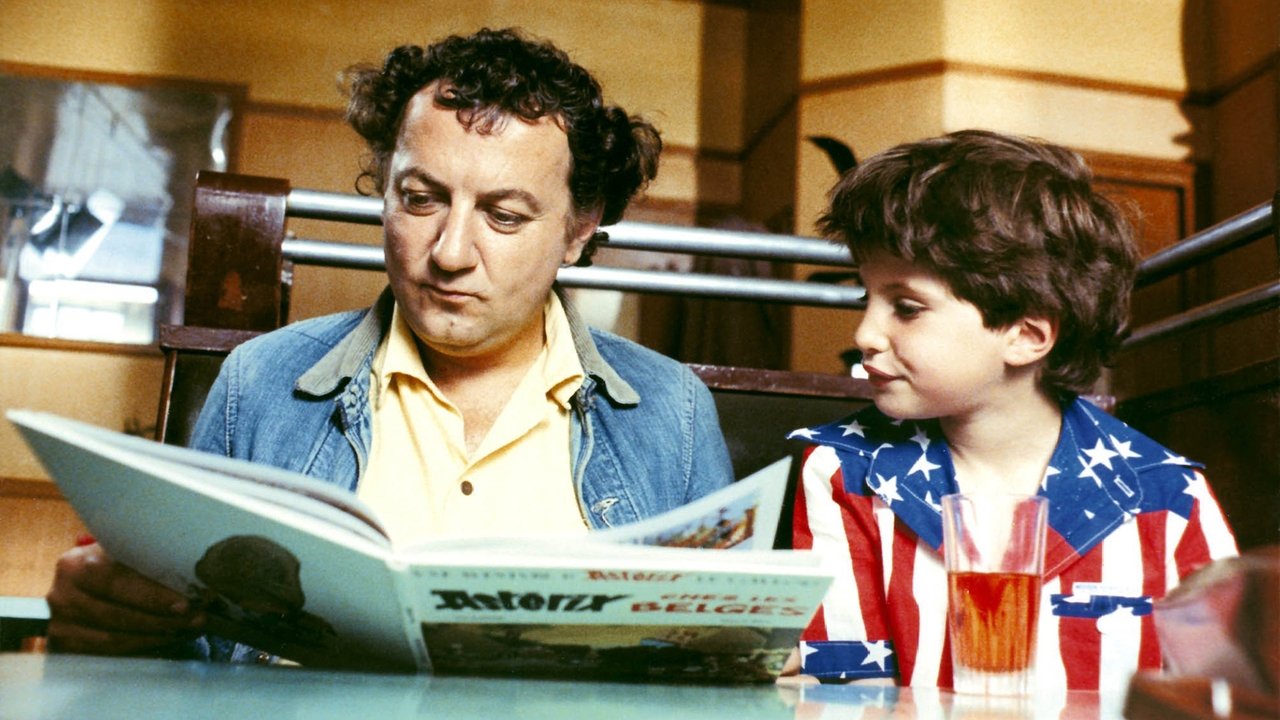
While watching this again, decades after first seeing it on a flickering CRT screen, I was struck by how subtly the film explores its themes. It’s about more than just the trials of teaching. It’s about finding meaning in unexpected places, about the courage it takes to start over, and about the profound impact one person can have, even without grand gestures. Doesn't Gérard's journey resonate with anyone who's ever felt adrift and questioned their path? The film suggests that sometimes the most important lessons aren't found in textbooks, but in human connection and empathy.
There's a lovely bit of trivia that adds another layer: Coluche, outside of his film career, was the founder of Les Restos du Cœur ("Restaurants of the Heart"), a massive French charity providing food and aid to the needy, demonstrating a real-life commitment to compassion that beautifully mirrors the heart his character displays on screen. Le Maître d'école was also a phenomenal success in France, drawing over 3 million people to cinemas – a testament to how deeply Coluche’s performance and the film's gentle humanism connected with audiences. It wasn’t just a movie; it felt like a shared experience. Seeing it tucked away on a video store shelf felt like discovering a hidden gem, a slice of authentic French life far removed from Hollywood gloss.
The Final Bell
Le Maître d'école isn't flashy. It doesn't rely on contrived plot twists or heightened drama. Its power lies in its quiet authenticity, its gentle humor, and above all, Coluche's remarkably touching performance. It captures the frustrations and triumphs of teaching, and the messy, beautiful business of finding where you belong. It reminds us that sometimes the most profound changes happen not with a bang, but with the patient scrape of chalk on a blackboard and the tentative trust in a child’s eyes.
Rating: 8/10 - This score is earned through the film's immense heart, Coluche's surprisingly deep and soulful performance that transcends his comedic image, Claude Berri's sensitive direction, and its genuine, unforced charm that feels both specific to its time and universally relatable. It’s a beautifully observed slice-of-life that avoids sentimentality while delivering real emotional warmth.
It’s a film that stays with you, not for intricate plotting, but for the feeling it evokes – a quiet reminder of the importance of kindness, patience, and the unexpected ways we can find our purpose.