It's a title that probably wouldn't have leaped off the shelf at Blockbuster, nestled perhaps between爆裂的动作片和闪耀的科幻片. "Abbas in Flower" (Abbas dar Gol), a 1982 film from Iran, represents a quieter corner of the vast VHS universe, a reminder that cinema during that vibrant era wasn't solely defined by car chases and rubber monsters. Finding a film like this, especially now, feels like uncovering a delicate pressed flower in an old book – a gentle whisper from another time and place.
A Simple Story, A Deeper Resonance?
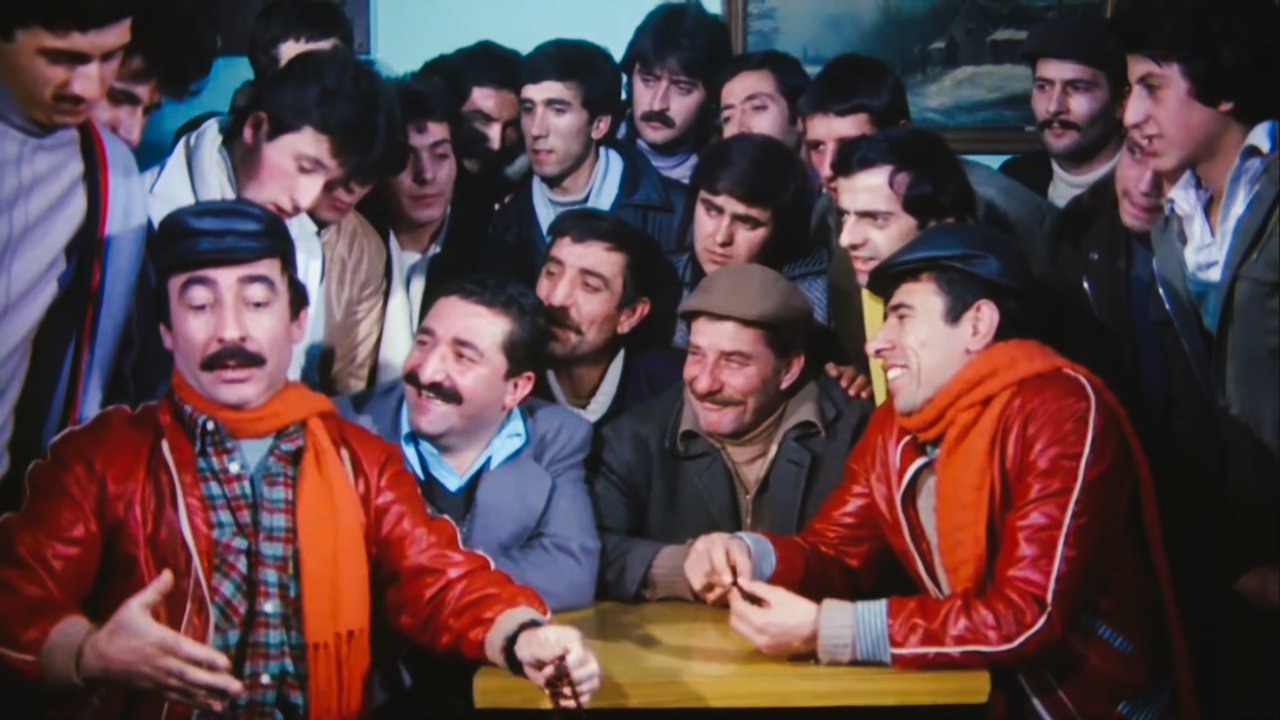
Information on Majid Mohseni's film is sparse, a common fate for many international films that didn't achieve widespread distribution in the West during the home video boom. Yet, the very title evokes a sense of pastoral simplicity, hinting at a narrative far removed from the high-octane escapism that dominated so many screens. Directed, written by, and starring Majid Mohseni himself, alongside Giti Forouhar and Homayoun Ashkan, the film likely centers on the titular Abbas and perhaps his connection to nature, growth, or a specific symbolic flower. One imagines a story grounded in everyday life, focusing on character, emotion, and the subtle rhythms of human connection. Could Abbas be tending a garden, finding solace or meaning amidst the petals and leaves? Or is the "flower" a metaphor for something more – innocence, hope, or a fleeting moment of beauty in a complex world?
The Actor-Director's Touch
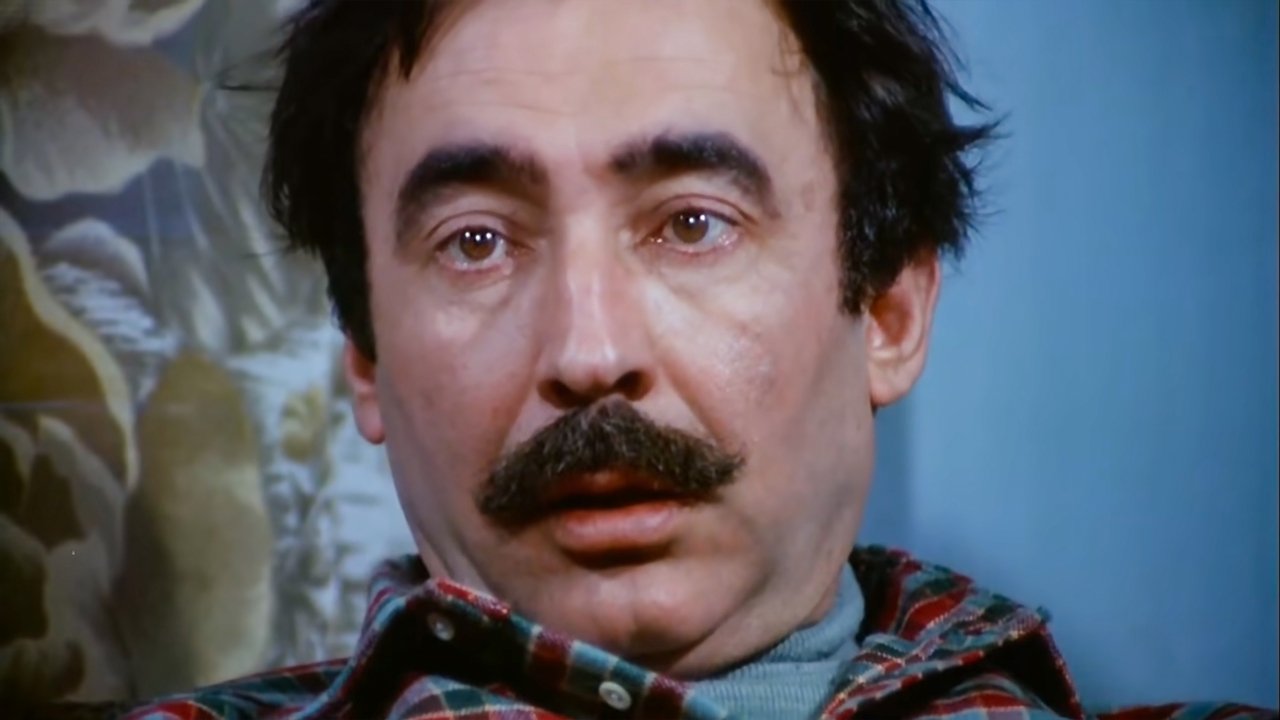
When a filmmaker takes on the roles of writer, director, and lead actor, it often signals a deeply personal project. Majid Mohseni, pulling triple duty here, likely poured a significant part of himself into "Abbas in Flower." This kind ofauteurial control can lead to a singular vision, where every frame and line of dialogue feels deliberately placed. We can only speculate, but it suggests a desire to tell a specific story with unwavering focus. What must it be like to shape the narrative on the page, guide the performances from behind the camera, and then step into the emotional core of the film as the main character? It speaks to a commitment that’s palpable, even without seeing the film itself – a driving force to bring this particular vision of Abbas and his world to life. While specific details of Mohseni's wider filmography might be obscure to many Western viewers, this multifaceted involvement itself becomes a point of intrigue.
Beyond the Blockbusters: A Different Kind of 80s Film
Watching something like "Abbas in Flower" in the context of the 80s offers a fascinating counterpoint. While American cinema was often exploring technological anxieties, Cold War tensions, or teenage angst through increasingly spectacular means, films from other parts of the world were frequently grappling with different realities. Released just a few years after the Iranian Revolution, one wonders how the societal shifts might have subtly informed the film's themes or atmosphere. Did it offer a nostalgic look back, a quiet commentary on the present, or simply an escape into a timeless human story? Without access to the film or more detailed contemporary accounts, it's hard to say definitively. However, its very existence in 1982 hints at the resilience of artistic expression, the enduring need to tell stories even amidst profound national change. For the dedicated VHS collector, finding such a title isn't just about nostalgia for the format; it's about appreciating the sheer breadth of cinematic voices that existed during that period, voices often drowned out by louder, more commercially dominant fare.
The Allure of the Obscure
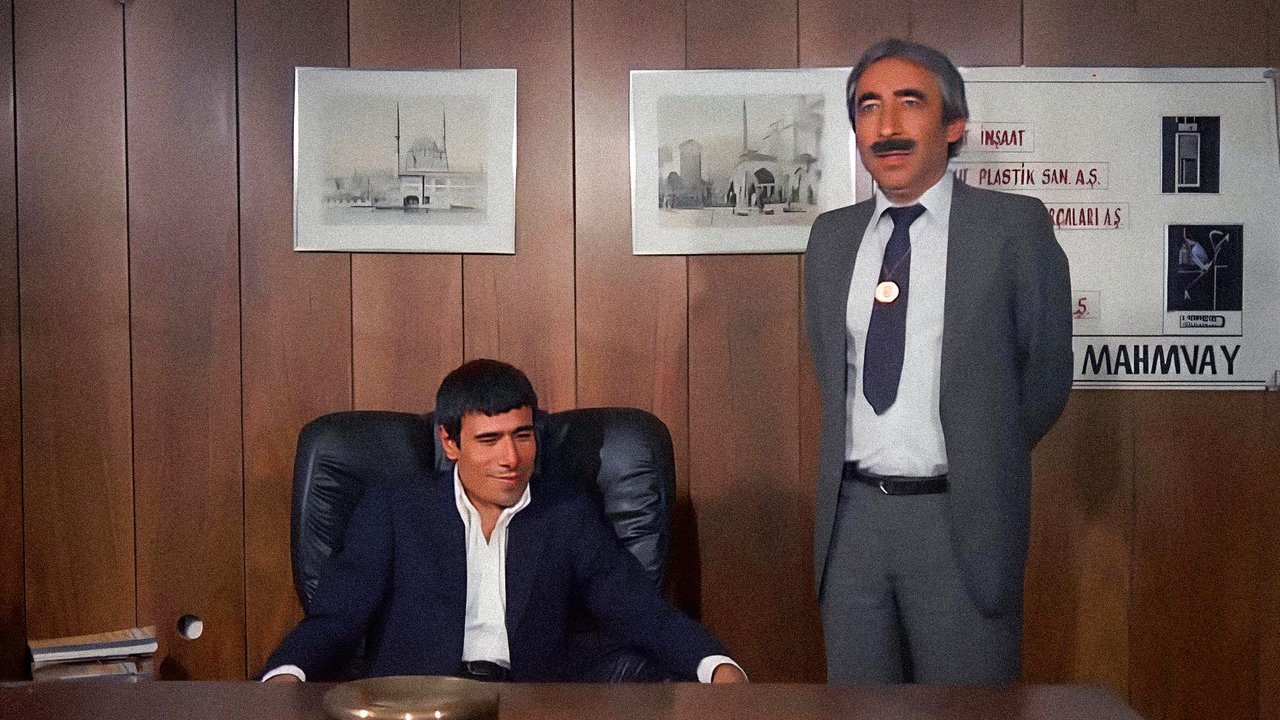
Let's be honest, tapes like "Abbas in Flower" were often the deep cuts, the finds you stumbled upon in the further reaches of a particularly well-stocked video store, or perhaps acquired through tape trading circles. They weren't the guaranteed crowd-pleasers, but they offered something else: a window into a different perspective, a different cinematic language. There's a unique satisfaction in discovering these less-travelled paths of film history. It reminds us that the story of cinema is far richer and more diverse than just the films that topped the box office charts. What emotions did Giti Forouhar convey? What role did Homayoun Ashkan play in Abbas's life? These questions linger, part of the mystique of a film that exists more as a title and a handful of credits than as a widely shared memory for many of us. It makes you appreciate the films we do have easy access to, while also respecting the countless stories captured on celluloid (and magnetic tape) that remain just out of reach.
Rating & Final Thought
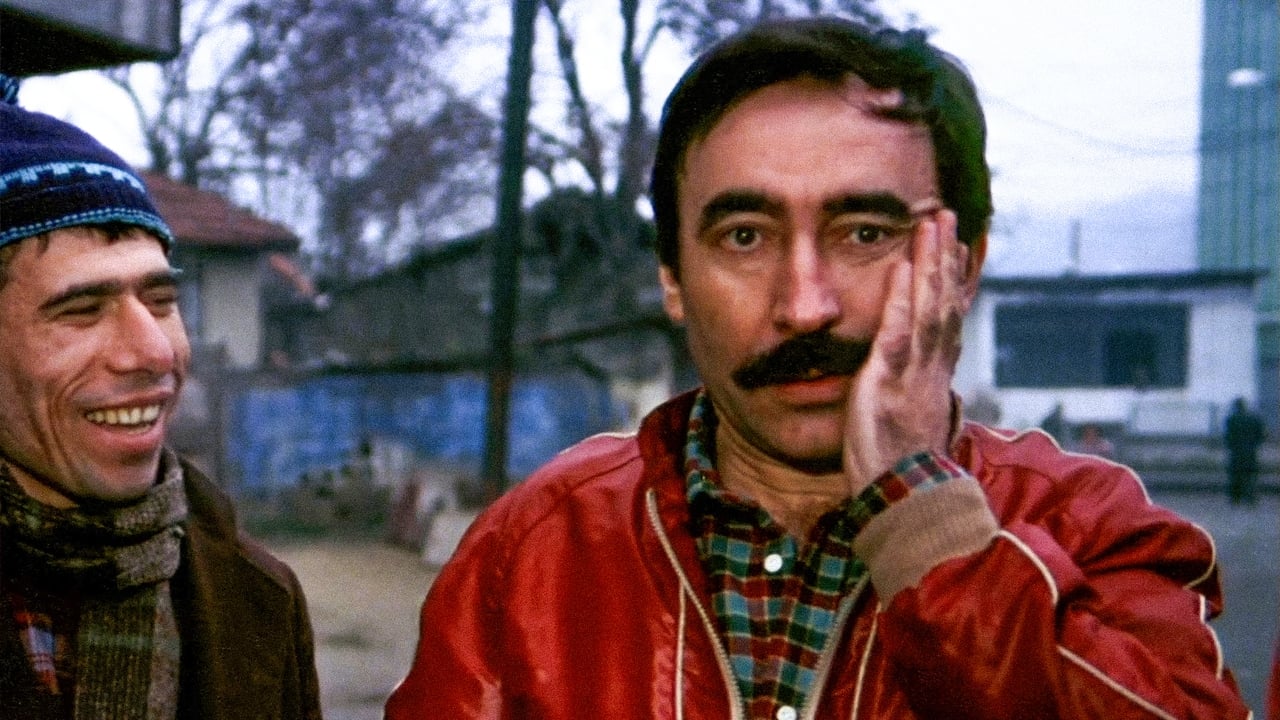
Without having viewed the film, providing a conventional rating is impossible. However, based on its context, presumed intimacy, and the dedication implied by Majid Mohseni's multiple roles, one can appreciate its potential value as a piece of personal filmmaking and a cultural artifact. Let's assign it a speculative score based on its intrigue and place in the broader VHS landscape:
Rating: 6/10 (Speculative) - This score reflects the film's inherent interest as an obscure international title from a significant era and the potential for a heartfelt, character-driven story under Mohseni's personal guidance. Its obscurity prevents a higher score based on known qualities, but its potential value to dedicated cinephiles and collectors warrants recognition above mediocrity.
"Abbas in Flower" stands as a quiet testament to the fact that even within the booming, often bombastic, world of 80s home video, there were always gentler stories waiting to be discovered, like hidden blossoms tucked away on dusty shelves.