Okay, rewind your minds. Picture this: cruising the aisles of the local video shop, fluorescent lights humming overhead, maybe grabbing a copy of Commando or Ghostbusters. But tucked away, perhaps in the "World Cinema" or "Comedy" section, is a tape with a slightly baffling cover featuring two guys looking stressed and maybe... a coffin? You take a punt. You get home, slot it into the VCR, the tracking lines wobble for a second, and then... pure, unadulterated chaos unfolds. That tape, my friends, was likely Kundan Shah's 1983 masterpiece of mayhem, Jaane Bhi Do Yaaro (Who Pays the Piper / Just Let It Be, Friends).
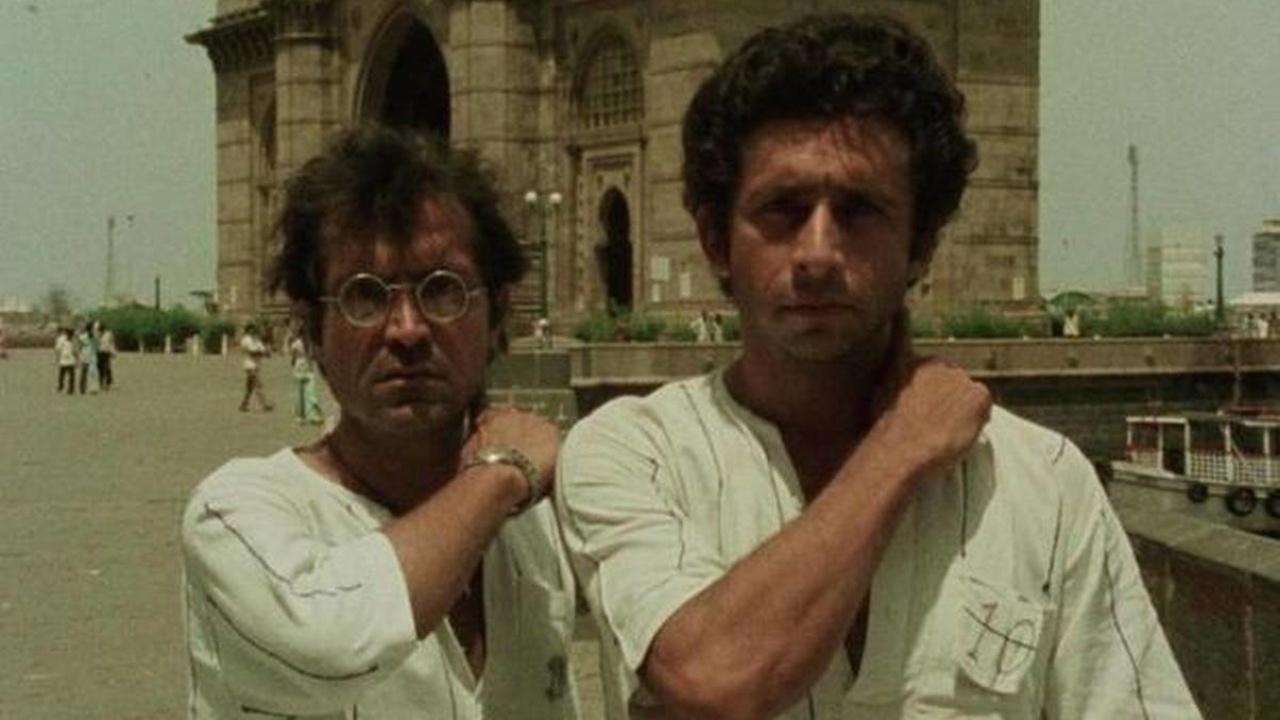
This isn't your typical slick 80s fare. Forget the high-gloss polish; Jaane Bhi Do Yaaro feels gloriously, hilariously handmade. It's a cinematic Molotov cocktail thrown gleefully at the establishment, brewed with frustration, ingenuity, and a shoestring budget reportedly hovering around a mere ₹7 lakhs (funded by the NFDC - National Film Development Corporation of India, bless their adventurous hearts!). This wasn't a blockbuster; it was a statement wrapped in slapstick, a dark satire that initially bewildered audiences before achieving legendary cult status, largely thanks to the very VHS tapes we cherished.
### Two Photographers and a Funeral
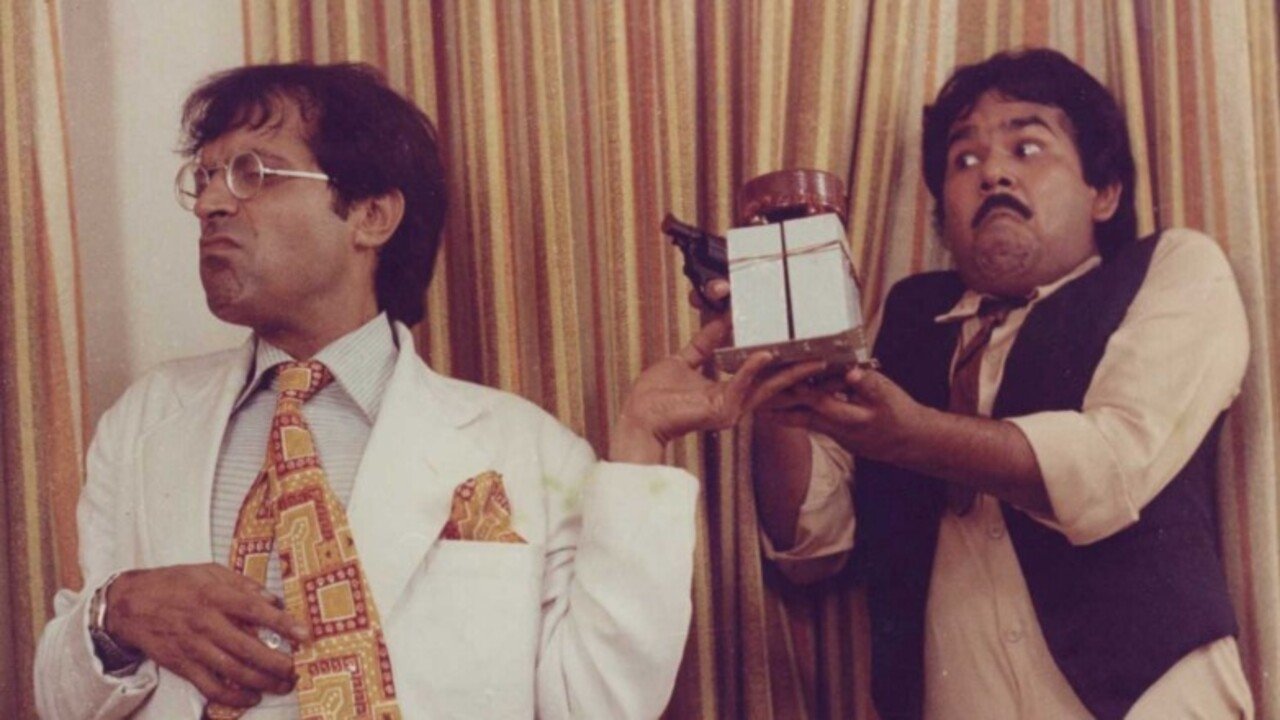
The premise starts simply enough. We meet Vinod Chopra (Naseeruddin Shah, already a titan of parallel cinema) and Sudhir Mishra (Ravi Baswani, in a performance that cemented his comedic genius), two earnest, perpetually broke photographers trying to launch their 'Beauty Photo Studio' in bustling Bombay. Their initial attempts to drum up business are funny enough, capturing the essence of hopeful, slightly clueless entrepreneurs. But things take a sharp left turn when they're hired by the scheming editor of a muckraking magazine, Shobha Sen (Bhakti Barve), to expose the corrupt dealings between ruthless builder Tarneja (Pankaj Kapur, delightfully villainous) and the equally slimy Municipal Commissioner D'Mello (Satish Shah).
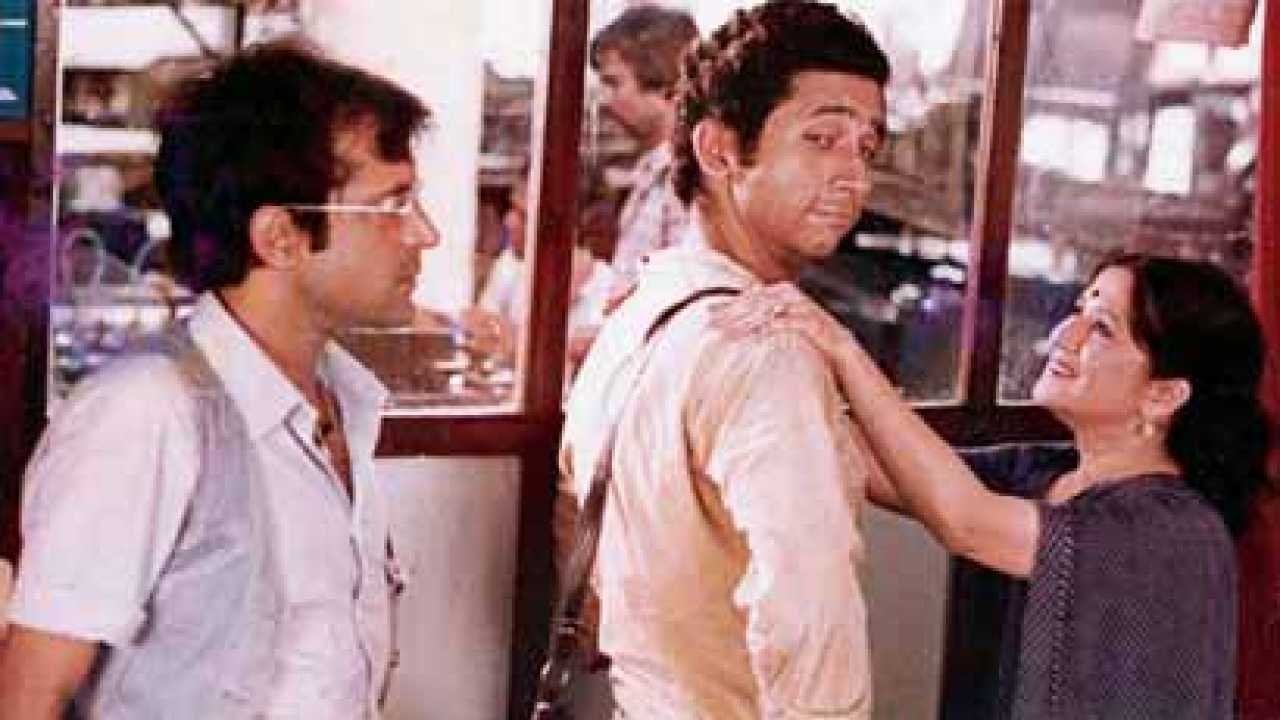
What follows is less an investigation and more a descent into glorious absurdity. While trying to snap incriminating photos, Vinod and Sudhir accidentally capture a murder. And not just any murder – they end up with photographic evidence and the victim's body. This isn't a spoiler, folks; the corpse of Commissioner D'Mello becomes arguably the third main character, leading to some of the most inspired physical comedy routines ever committed to Indian film.
### The Raw Energy of Low-Budget Brilliance
Forget CGI explosions. The "action" in Jaane Bhi Do Yaaro is raw, tactile, and often feels genuinely precarious. Think less Michael Bay, more Buster Keaton fuelled by righteous anger. The sequences involving hiding, transporting, and disguising D'Mello's increasingly battered corpse are masterpieces of comic timing and invention. Satish Shah deserves immense credit for his largely inanimate but physically demanding role; rumour has it the cast often forgot he wasn't actually dead during breaks!
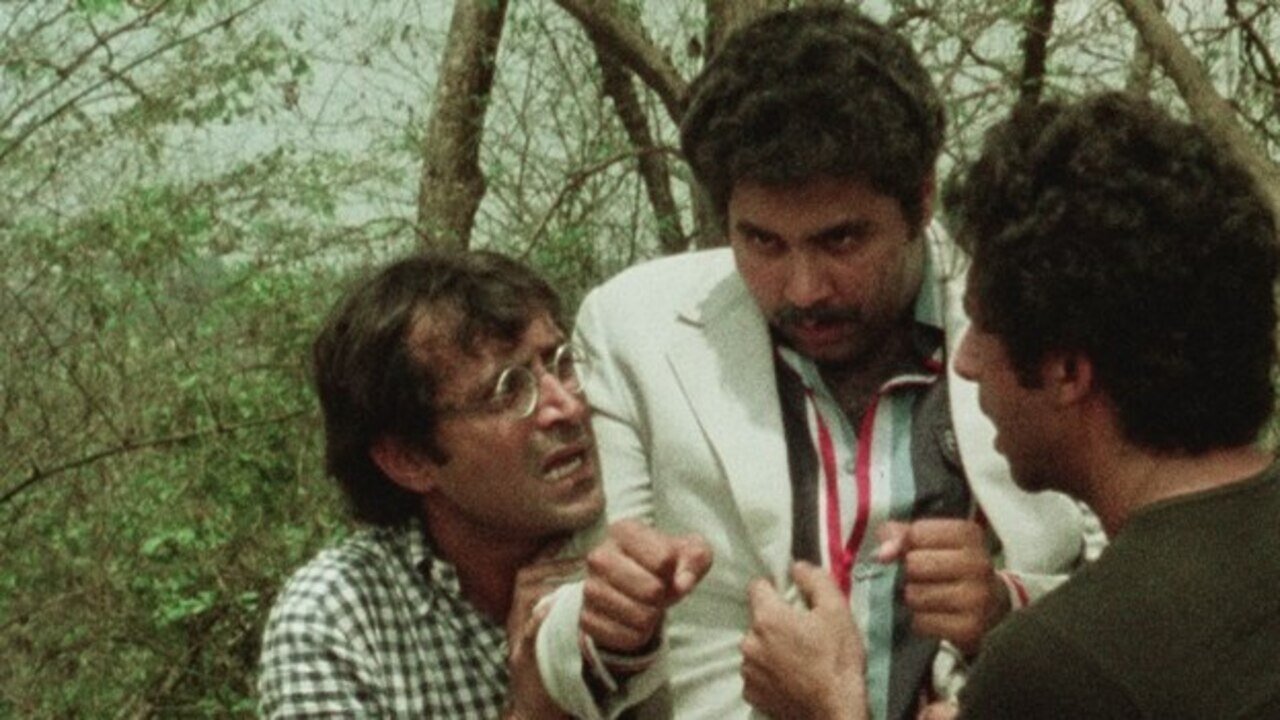
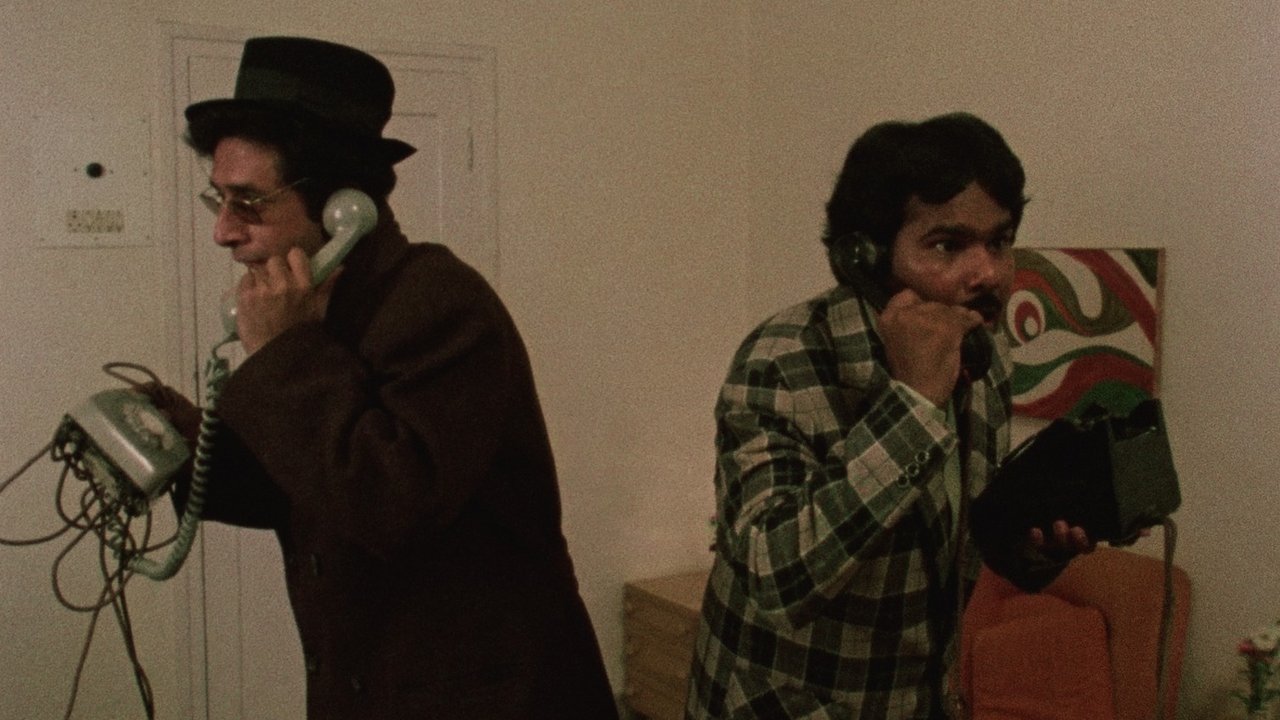
Then there's the infamous under-construction bridge scene. Trying to expose a deal involving shoddy building materials between Tarneja and his rival builder Ahuja (a hilariously drunk Om Puri), our heroes find themselves in a situation that feels genuinely dangerous precisely because of the film's low-budget constraints. You can almost smell the cheap cement and feel the precariousness of the structure. There wasn't the budget for elaborate safety rigs; much of the film's frantic energy stems from this palpable sense of making do, of finding brilliance in limitation. Apparently, some shots were grabbed almost guerrilla-style, adding to the authentic chaos. This wasn't polished Hollywood stunt work; it felt like something that could genuinely go wrong, adding an unexpected layer of tension to the comedy.
### A Cast Firing on All Cylinders
The ensemble cast, many drawn from the esteemed Film and Television Institute of India (FTII), is simply perfect. Naseeruddin Shah and Ravi Baswani share an infectious, bumbling chemistry that anchors the film. Their desperation is palpable, their comic timing impeccable. Om Puri steals every scene he's in as the perpetually sloshed Ahuja, delivering iconic lines with boozy conviction. Pankaj Kapur radiates oily menace as Tarneja. And keep an eye out for Satish Kaushik (who also co-wrote the dialogues) as Tarneja's put-upon assistant and a young Neena Gupta navigating the office politics. It feels like a group of talented friends getting together to make something special, pouring their hearts into it for little financial reward – a spirit sadly rare today.
Director Kundan Shah, who later brought us beloved TV shows like Nukkad and Wagle Ki Duniya, orchestrates the chaos with remarkable control. He understands that the absurdity works best when played completely straight by the characters. The film cleverly uses visual gags, sharp dialogue (peppered with witty social commentary), and escalating situations to build momentum towards its legendary climax.
### The Mahabharata Goes Mad
And what a climax it is! If you've seen Jaane Bhi Do Yaaro, you know. If you haven't, prepare yourself. Our heroes, still trying to expose the villains and somehow deal with the troublesome corpse, end up crashing a stage production of the Mahabharata. What unfolds is arguably one of the most brilliantly chaotic, hilariously subversive sequences in cinema history. Draupadi's vastraharan (disrobing) scene becomes entangled with burqas, coffins, mobile corpses, and frantic dialogue mixing ancient epic with contemporary corruption.
It's a scene that shouldn't work, but it absolutely does. It’s pure, unhinged genius, filmed with an energy that feels both meticulously planned and wildly improvised. The sheer audacity of using this revered epic as the backdrop for such farcical mayhem is breathtaking. How they managed to coordinate the actors, the props (including that resilient coffin), and the sheer comedic destruction on stage remains a marvel of low-budget filmmaking. It's the ultimate expression of the film's satirical rage, tearing down hypocrisy with laughter.
### From Flop to Phenomenon
Unsurprisingly, perhaps, Jaane Bhi Do Yaaro didn't exactly set the box office on fire upon release in 1983. Its dark humour and biting satire were likely too unconventional for mainstream tastes at the time. Critics were mixed. But then came television screenings and the rise of VHS. Slowly, surely, word spread. People discovered this strange, brilliant, angry, hilarious film. It became a cult classic, quoted endlessly, beloved for its fearless absurdity and its surprisingly sharp critique of a system drowning in corruption. It proved that sometimes, the films that struggle initially are the ones that lodge themselves deepest in our collective consciousness.
Rating: 9/10
Why this score? Jaane Bhi Do Yaaro is a near-perfect execution of biting satire disguised as slapstick chaos. The writing is sharp, the performances legendary, and the low-budget ingenuity is genuinely inspiring. It loses maybe a point for some pacing lulls in the first act before the madness truly kicks in, but the sheer brilliance of its concept, its fearless execution, and its unforgettable climax make it an absolute cornerstone of Indian cult cinema.
Final Take: This isn't just a funny movie; it's a Molotov cocktail wrapped in a VHS clamshell. Jaane Bhi Do Yaaro is proof that you don't need a blockbuster budget to create something enduring, hilarious, and savagely smart. Dig it out, brace yourself for the beautiful mess, and witness controlled chaos the way only the VHS era could truly deliver. It’s still brilliantly funny, depressingly relevant, and utterly unique.