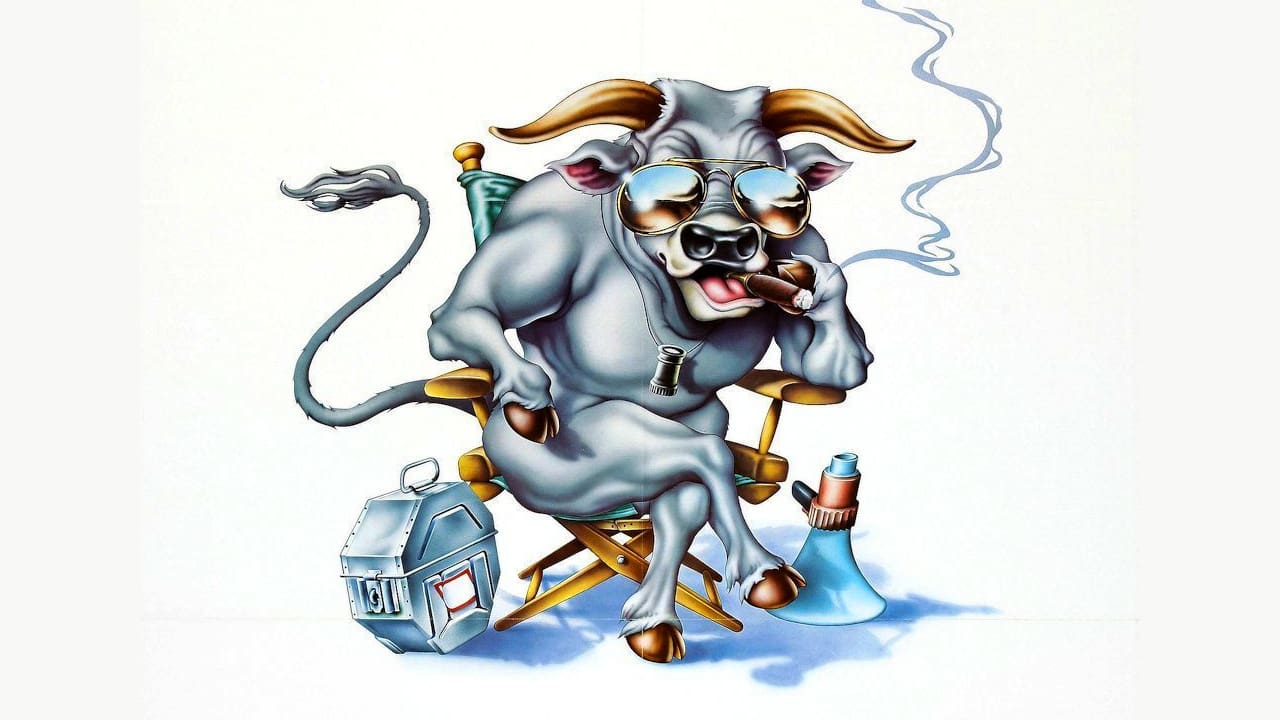
There’s a certain kind of gleam in Hollywood’s eye, isn’t there? A manic, desperate glint that appears when commerce flatlines and art becomes a commodity to be twisted into whatever shape might sell a ticket. Few films captured that desperation, that barely concealed panic beneath the Tinseltown veneer, with quite the same savage glee as Blake Edwards' deeply personal, often hilarious, and surprisingly dark 1981 satire, S.O.B.
A Disasterpiece is Born
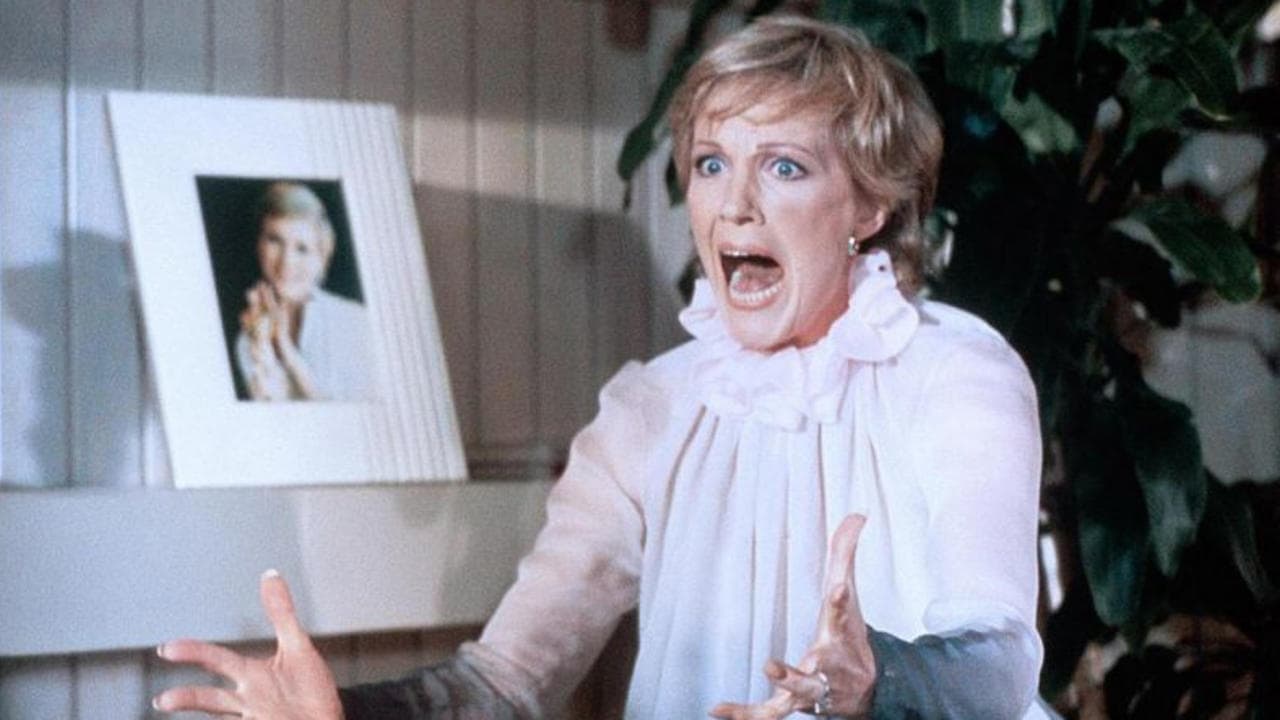
The premise feels ripped, if not directly from the headlines, then certainly from the whispered anxieties of studio backlots. Felix Farmer (Richard Mulligan, vibrating with frantic energy), a director famed for wholesome family fare, lays the biggest egg of his career: the saccharine musical Night Wind. It’s a colossal bomb, a $30 million write-off threatening to sink the studio run by the perpetually stressed David Blackman (Robert Vaughn) and the icily pragmatic studio head, Irving Lazar (Robert Preston). Felix’s response? A complete mental breakdown, culminating in a suicidal spree that somehow loops back into a maniacal drive to salvage his picture. His solution? Reshoot Night Wind with added nudity and sex, transforming it from family fluff into an erotic sensation, convincing his wife and the film’s squeaky-clean star, Sally Miles (Julie Andrews), to bare all for the camera.
If this sounds like a recipe for farce, it absolutely is. Edwards, a master craftsman known for the elegant chaos of The Pink Panther films and the sophisticated comedy of Victor/Victoria (released the following year), orchestrates a whirlwind of agents, doctors, hangers-on, and studio yes-men, all circling the drain of Felix’s disaster. Yet, beneath the slapstick (and there’s plenty of it, including a running gag involving a beach house full of hedonistic partygoers), there’s a palpable bitterness. Edwards himself had endured the studio interference and commercial failure of his ambitious 1970 musical Darling Lili, which also starred his wife, Julie Andrews. S.O.B. feels like his revenge, a Molotov cocktail lobbed directly at the system that bruised him. The title itself, reportedly standing for "Standard Operational Bullshit" according to Edwards, leaves little doubt about his intentions.
Hollywood Laid Bare
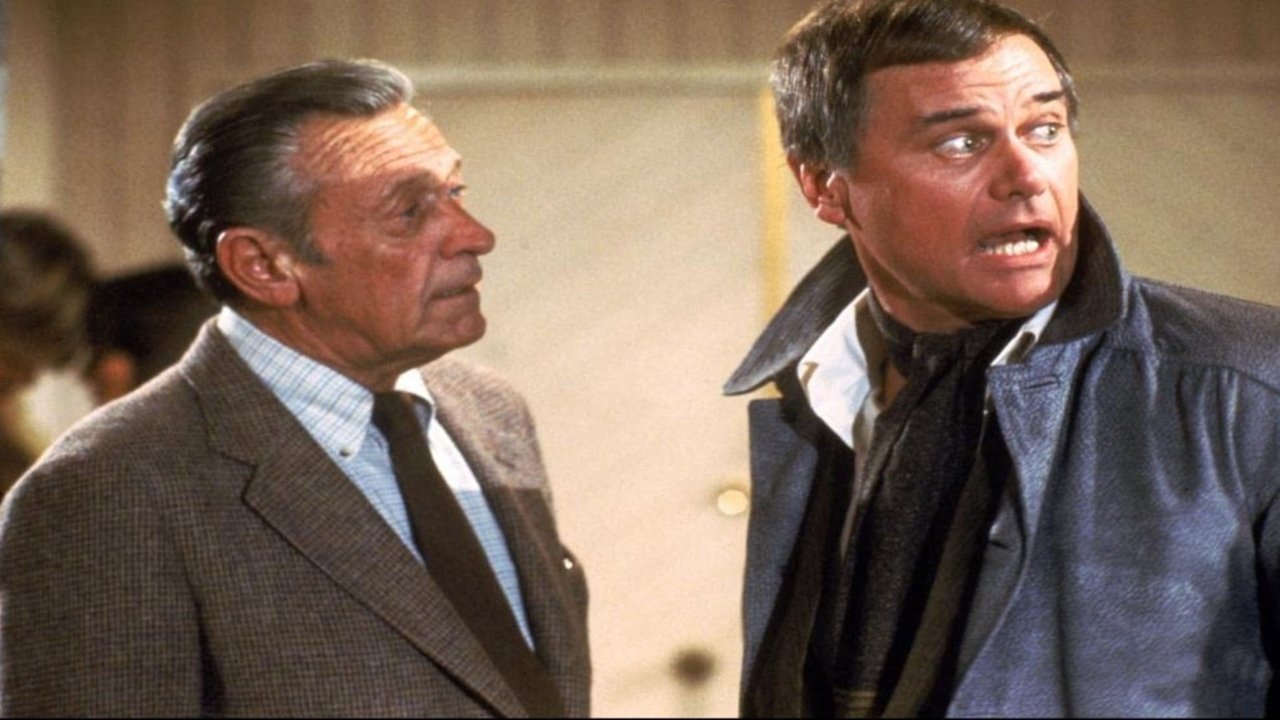
The film's true power lies in its cynical, almost surgical dissection of the movie business. Characters aren’t just broad caricatures; they feel like specific archetypes honed to a razor's edge. There’s the perpetually drunk press agent (a wonderfully weary Robert Webber), the quack physician Dr. Finegarten (William Holden, in his poignant final role, radiating world-weariness), and the ambitious young executive (a perfectly smarmy Stuart Margolin). They scheme, backstab, and panic with an unnerving authenticity. Holden, who tragically passed away shortly after filming wrapped, brings a particular gravitas; his character observes the unfolding madness with the detached amusement of someone who’s seen it all and expects nothing better. It's a performance heavy with the weight of experience, both the character's and, perhaps, the actor's own.
And then there’s Julie Andrews. Oh, Sally Miles. For audiences in 1981, Andrews was Mary Poppins, Maria von Trapp – the embodiment of wholesome, cinematic purity. Edwards, with audacious brilliance, uses this precise image as his satirical weapon. The central tension revolves around whether Sally will agree to shed her clothes and her pristine persona to save her husband's (and the studio's) skin. When the moment arrives (Spoiler Alert! though it’s the film’s most famous element), it’s played not for cheap titillation, but as the ultimate symbol of Hollywood's crass commodification. It was genuinely shocking back then, a move that sparked controversy and endless discussion. Seeing it now, it feels less like exploitation and more like a calculated, devastating commentary on the lengths the industry will go to, forcing even its purest icons to conform to market demands. Andrews handles it with remarkable poise, making Sally’s decision feel like a complex blend of loyalty, desperation, and perhaps a flicker of defiant liberation.
Behind the Bile: Retro Fun Facts
- The film wasn't a box office smash, grossing around $14.7 million against a $16 million budget (roughly $48 million against $53 million today), but its controversial nature and sharp wit cemented its cult status, especially on VHS where viewers could discover its biting humor away from initial mixed reviews.
- Edwards’s personal connection via Darling Lili is undeniable. He poured his frustrations with studio meddling and the fickle nature of success directly into S.O.B.'s script.
- The ensemble cast is packed with familiar faces, many part of Edwards's regular troupe, contributing to the feeling of controlled chaos and lived-in cynicism. Larry Hagman turns up as a desperate studio exec, adding another layer of familiar TV stardom playing against type.
- The film’s ending takes a surprisingly dark turn, shifting from farce to something closer to a morbid caper, reinforcing the idea that in this version of Hollywood, even death is just another plot point to be exploited.
A Bitter Pill, Still Potent
Watching S.O.B. today, tucked away on a well-worn VHS tape (or its digital equivalent), feels like unearthing a time capsule of industry discontent. The specific anxieties might have shifted, but the core critique – the tension between artistic vision and commercial pressure, the sycophancy, the desperation – still resonates. It’s not always subtle, and the pacing occasionally stumbles under the weight of its own cynicism, but the performances are uniformly strong, and Edwards’s direction keeps the sprawling cast and escalating absurdity remarkably coherent. Mulligan’s physical comedy is astounding, Holden’s presence is deeply felt, and Andrews’s bravery remains central to the film's enduring power. Does the central conceit still shock? Perhaps not in the same way, but its satirical point remains sharp.
Rating: 8/10
This score reflects the film's audacious satire, its brilliant ensemble cast (particularly Andrews and Holden), and Blake Edwards's masterful, if venomous, direction. It loses a couple of points for occasional unevenness in tone and a plot that sometimes feels as chaotic as the events it portrays, but its fearless critique and central performances make it essential viewing. S.O.B. isn't just a comedy; it's a howl of rage from inside the dream factory, a reminder that beneath the glamour often lies a desperation that's both laughable and deeply unsettling. What lingers most isn't just the infamous scene, but the unsettling feeling that maybe, just maybe, Edwards wasn't exaggerating all that much.