It begins not with a line of dialogue, nor even a fully formed image, but with a sound – a cascade of horns, the insistent pulse of congas, the very heartbeat of Havana carried on the night air. That's the immediate immersion offered by The Mambo Kings (1992), a film that feels less like watching a story unfold and more like stepping into a dimly lit, smoke-hazed nightclub where dreams and heartbreaks dance side-by-side to an irresistible rhythm. It’s a film that arrived on VHS shelves perhaps without the fanfare of blockbusters, but possesses a smoldering energy that lingers long after the tape spools to its end.
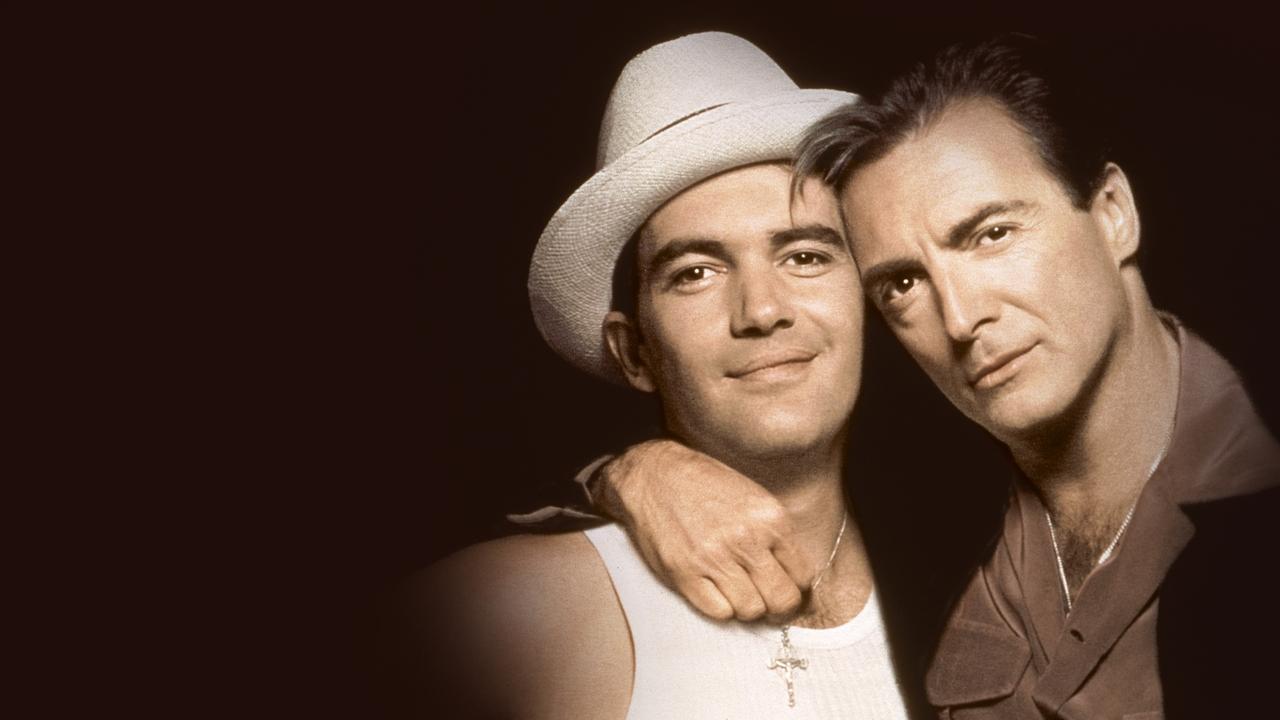
Based on Oscar Hijuelos' Pulitzer Prize-winning novel "The Mambo Kings Play Songs of Love," translating such a rich, sprawling literary work was always going to be a challenge. The result, directed by art-world figure Arne Glimcher in a surprisingly assured directorial debut, might feel somewhat episodic to some, tracing the lives of two Cuban musician brothers seeking fame in 1950s New York. Yet, this structure somehow mirrors the unpredictable tempo of life itself, the soaring highs and crushing lows dictated by passion, ambition, and the ghosts of the past.
Brothers Bound by Blood and Brass
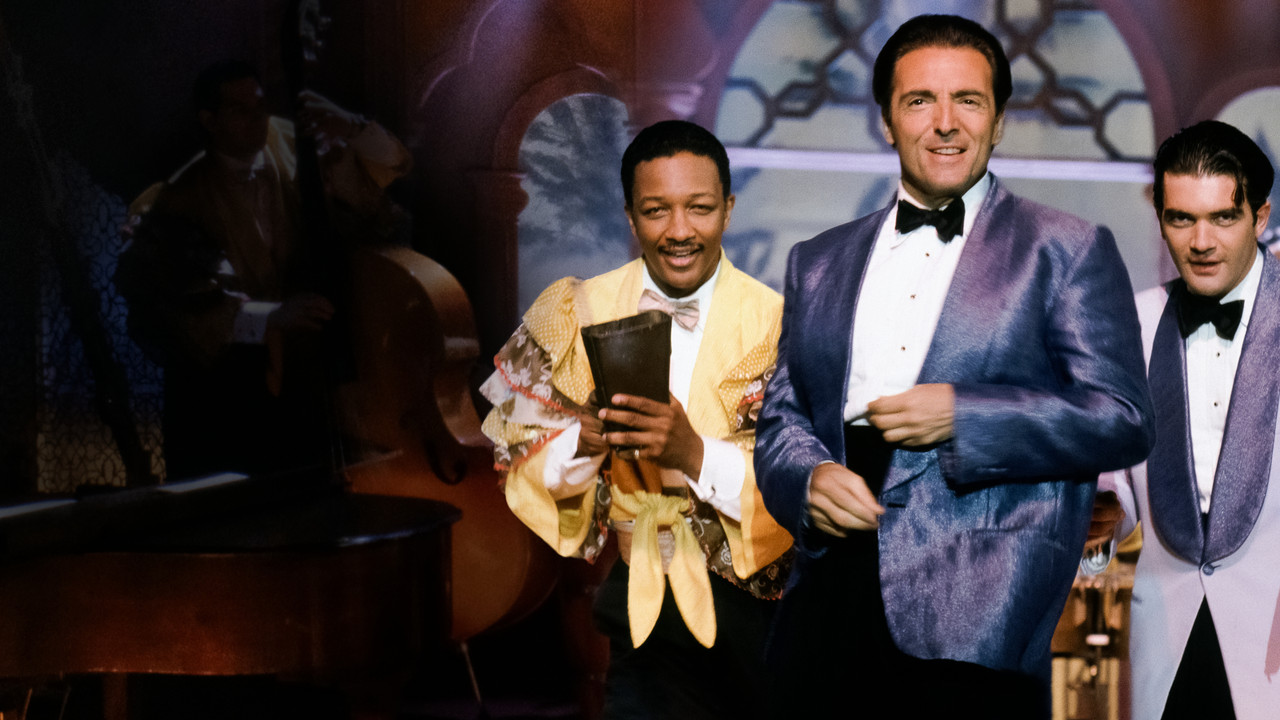
At the core of this vibrant tapestry are Cesar and Nestor Castillo, portrayed with smoldering intensity by Armand Assante and a young, magnetic Antonio Banderas. Assante embodies Cesar, the elder brother – charismatic, impulsive, driven by an insatiable hunger for success and sensual pleasure. He’s the engine, the brassy frontman who commands the stage and the room. Assante, often brilliant in tough-guy roles (Q&A (1990)), finds a different kind of fire here, a blend of swagger and vulnerability that makes Cesar deeply flawed yet undeniably compelling. You understand his drive, even as you wince at his self-destructive tendencies.
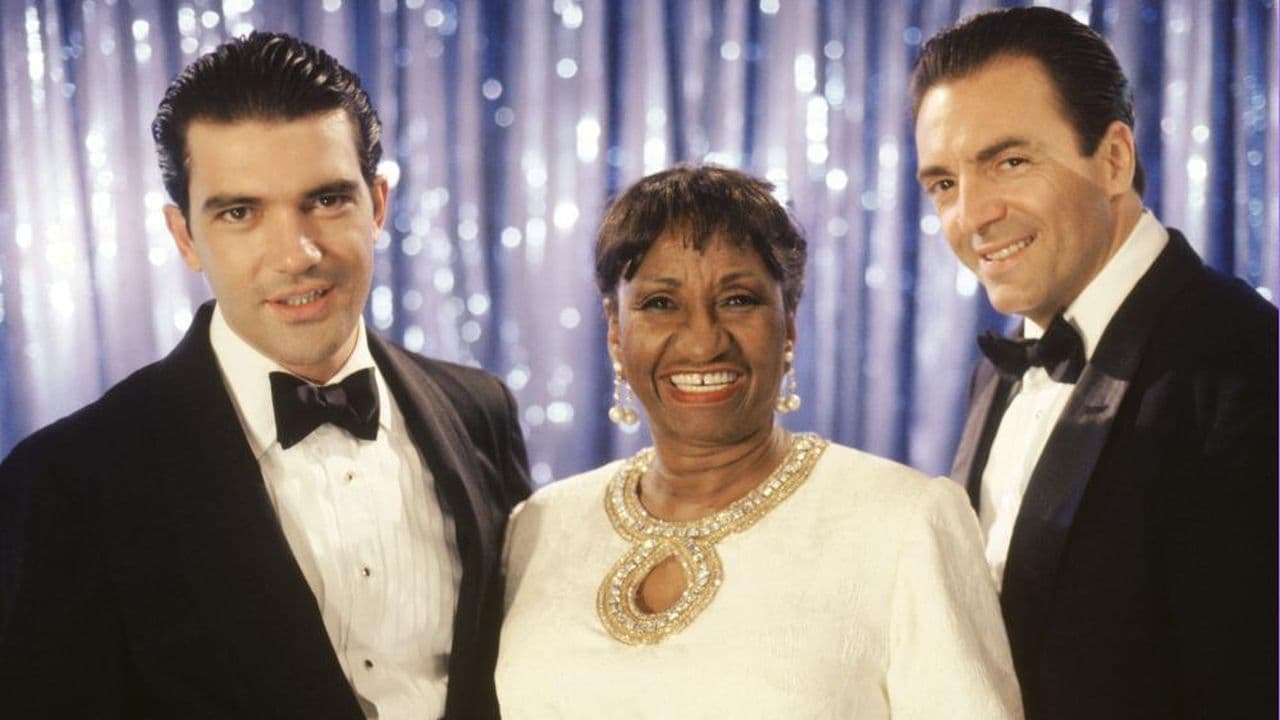
Contrast this with Banderas as Nestor, the younger, more soulful brother. He's the trumpeter, the composer, the heart of their music, forever haunted by the lost love in Cuba who inspired their signature ballad, "Beautiful Maria of My Soul." For many American audiences, this was a major introduction to Banderas, and what an arrival it was. Reportedly learning his lines phonetically as his English was still developing, Banderas delivers a performance of quiet power and profound melancholy. His eyes convey oceans of longing, a stark counterpoint to Cesar's fiery ambition. Their chemistry is electric; the push and pull of their brotherhood – the love, the rivalry, the shared dream – feels utterly authentic. It’s the magnetic pull between these two performances that truly anchors the film. Does their complex bond, rife with both deep affection and simmering resentment, not reflect the intricate nature of sibling relationships many of us know?
Stepping into a bygone Beat
Glimcher, leveraging his art world eye, collaborates with cinematographer Michael Ballhaus (Goodfellas (1990)) to create a visually lush experience. The film doesn't just depict the 1950s; it feels saturated in the era – the sharp suits, the glowing neon, the palpable energy of the New York Mambo scene. A key element to this authenticity was the music itself. The soundtrack is a glorious celebration, featuring legendary figures like Tito Puente and the incomparable Celia Cruz appearing as themselves, lending an invaluable layer of realism. The original compositions, particularly the Oscar-nominated "Beautiful Maria of My Soul" (with lyrics by Glimcher and music by Robert Kraft), become characters in their own right, weaving through the narrative like a bittersweet refrain.
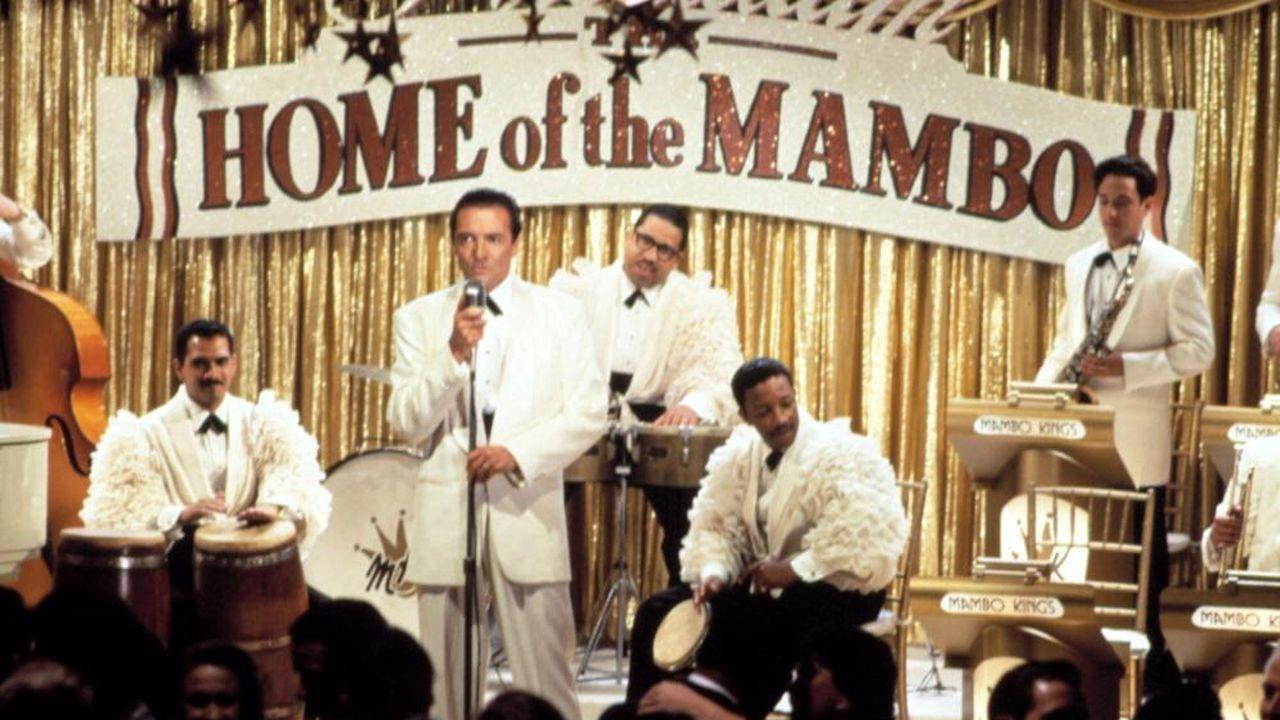
One of the film's most talked-about moments, and a masterstroke of merging fiction with iconic reality, is the Castillo brothers' appearance on I Love Lucy. Through clever editing and effects that felt quite seamless back in the day, Cesar and Nestor share the screen with Desi Arnaz himself. It’s more than just a cameo; it's a poignant nod to Arnaz as a pioneering Cuban entertainer who broke barriers in American television. Seeing the fictional brothers achieve this pinnacle of mainstream recognition, performing alongside the real Ricky Ricardo, carries a powerful resonance. I distinctly remember the buzz around how they pulled this off when the film first hit video stores – a little bit of movie magic that felt genuinely special.
The Echoes of a Song
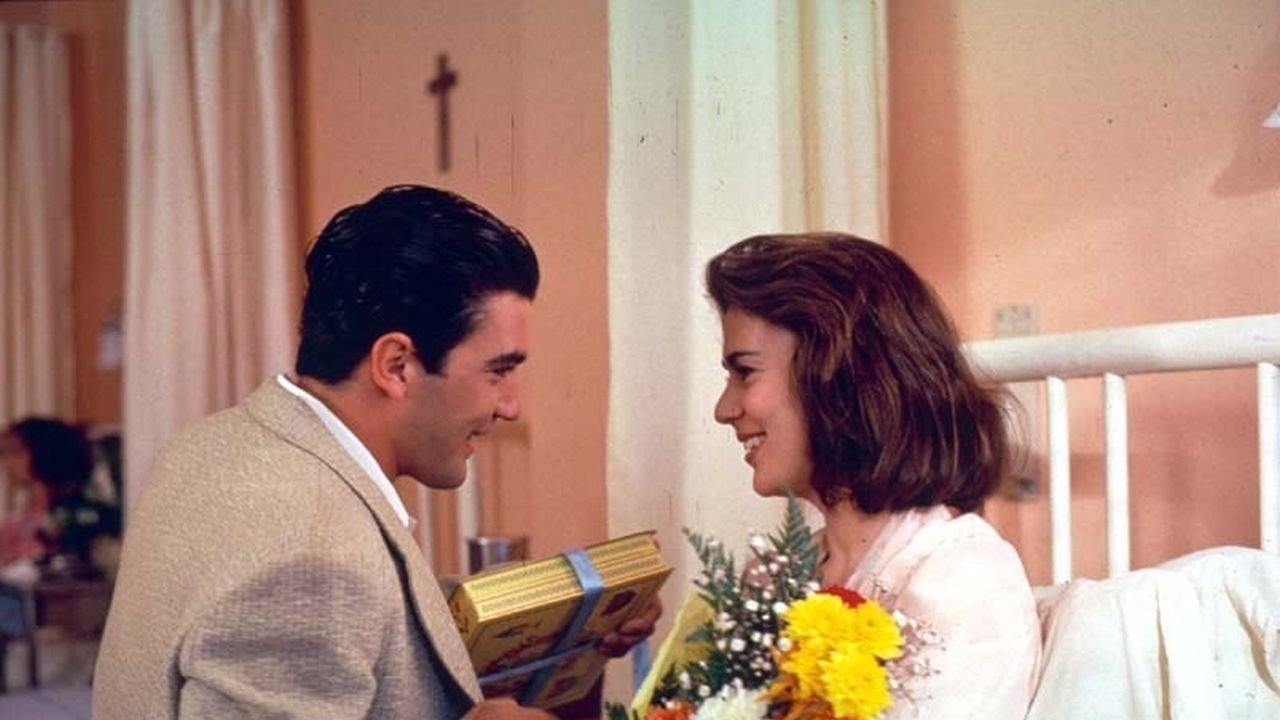
While the brothers dominate, the supporting cast adds texture. Cathy Moriarty, unforgettable from Raging Bull (1980), brings her distinctive voice and presence to the role of Lanna Lake, Cesar's tough-talking, platinum-blonde paramour. Maruschka Detmers plays Dolores, Nestor's patient wife, offering a necessary grounding influence amidst the musical whirlwind.
The Mambo Kings wasn't a massive box office hit upon release (grossing around $6.7 million domestically on a $15.5 million budget), which perhaps destined it for discovery on home video, where its charms could be savored more intimately. It’s a film whose melancholic beauty unfolds gradually. It explores themes of immigration, assimilation, the pursuit of the American Dream, the price of fame, and the enduring power of memory and music. It doesn't shy away from the darker aspects of its characters' lives – the infidelity, the betrayals, the compromises made along the way. What does it say about ambition when the very thing you chase pushes away those you love most?
It asks us to consider the nature of success and happiness. Is it the roar of the crowd, the name in lights? Or is it found in quieter moments, in the love shared, the music created not for fame, but from the soul? The film doesn't offer easy answers, leaving the viewer with a lingering sense of bittersweet reflection.
---
Rating: 8/10
The Mambo Kings earns this rating through its sheer atmospheric power, the unforgettable lead performances by Assante and Banderas, and its glorious celebration of Mambo music. While the narrative adapted from Hijuelos’ dense novel occasionally feels fragmented, the emotional core remains potent and the period detail is impeccable. It captures a specific time and place with intoxicating energy and heartbreaking melancholy.
Final Thought: More than just a movie, The Mambo Kings is an experience – a vibrant, passionate, sometimes tragic song that stays with you, echoing like Nestor's trumpet long after the screen fades to black.