Alright, fellow tape travelers, let's rewind to 1980. Remember digging through those slightly worn cardboard sleeves at the video store, hoping for something… different? Sometimes you struck gold. Sometimes you found something like Le Coup du Parapluie, better known to us Anglophones as Umbrella Coup. And what a gloriously daft piece of French comedic confection it is. Forget gritty realism; this is prime-era European farce delivered with a wink and, naturally, a rather unique umbrella.
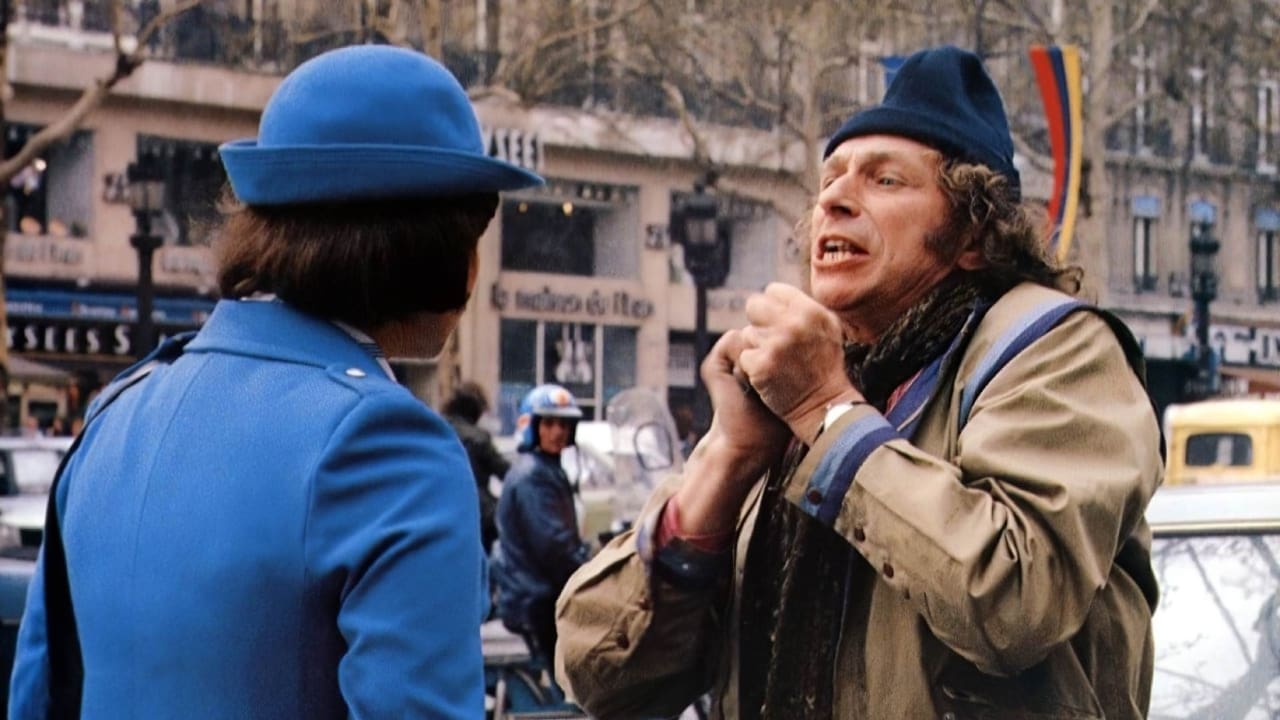
The premise alone is pure gold, brewed in that specific brand of high-concept absurdity the French seemed to perfect in the 70s and 80s. Grégoire Lecomte (Pierre Richard), a perpetually distracted and utterly hapless actor, desperate for a role – any role – accidentally walks into the wrong hotel room. Instead of meeting a casting director, he encounters a mob boss who mistakes him for a contract killer. Believing he's landed the part of a hitman, Grégoire unknowingly accepts a real assassination contract, complete with a peculiar gadget: an umbrella rigged to fire a deadly pellet. The target? A notorious arms dealer vacationing in sunny Saint-Tropez. What follows is a masterclass in escalating chaos, perfectly suited to Richard's signature brand of physical comedy.
### Mistaken Identity Mayhem
This film is pure Gérard Oury, through and through. If you've ever chuckled your way through his colossal hits like La Grande Vadrouille (1966) or The Mad Adventures of Rabbi Jacob (1973), you'll recognize the DNA here. Oury specialized in large-scale comedies, often built around frantic misunderstandings and fish-out-of-water scenarios, executed with clockwork precision. Umbrella Coup fits snugly into that mold, blending spy spoof elements with classic French farce. The pacing is generally brisk, propelling Grégoire from one ridiculous situation to the next, often leaving a trail of bewildered bystanders and collateral comedic damage.
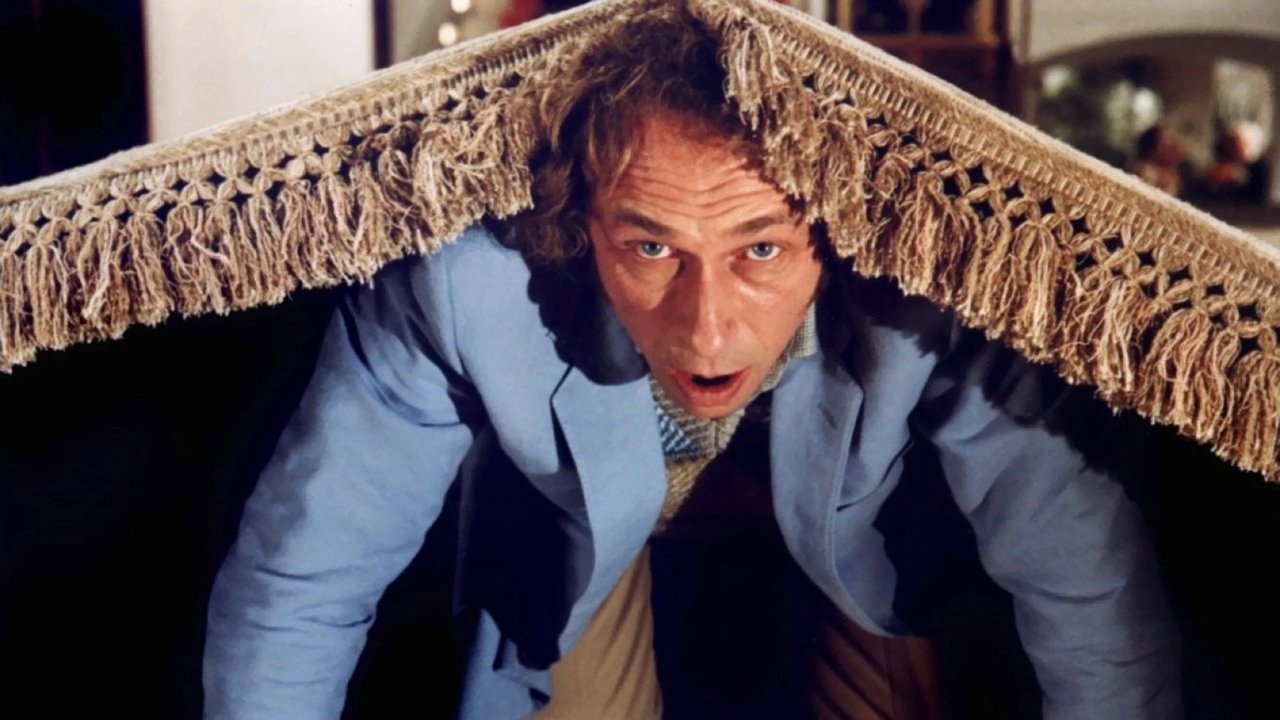
And at the center of it all is the inimitable Pierre Richard. If you only know him from The Tall Blond Man with One Black Shoe (1972), you’ll instantly recognize his archetype: the innocent bumbler swept up in events far beyond his comprehension. His Grégoire isn't just clumsy; he embodies a sort of blissful unawareness that makes the escalating danger genuinely funny rather than stressful. His physical timing is impeccable – a slight trip, a misplaced gesture, a look of utter confusion – all land perfectly. He sells the idea that someone could bumble their way through mob hits and assassination attempts purely by accident, all while thinking he's just rehearsing his lines.
### That Deadly Brolly and Riviera Style
Let's talk about that umbrella. It’s the ultimate MacGuffin, driving the plot and the danger. Retro Fun Fact: The concept wasn't entirely fantastical. Just two years before the film's release, in 1978, Bulgarian dissident Georgi Markov was assassinated in London using a modified umbrella that fired a tiny ricin pellet. Oury, ever attuned to contemporary currents, likely drew inspiration from this chilling real-world event, twisting its sinister implications into comedic fodder. It adds a layer of dark irony beneath the sunny slapstick, a little frisson that elevates it beyond simple silliness.
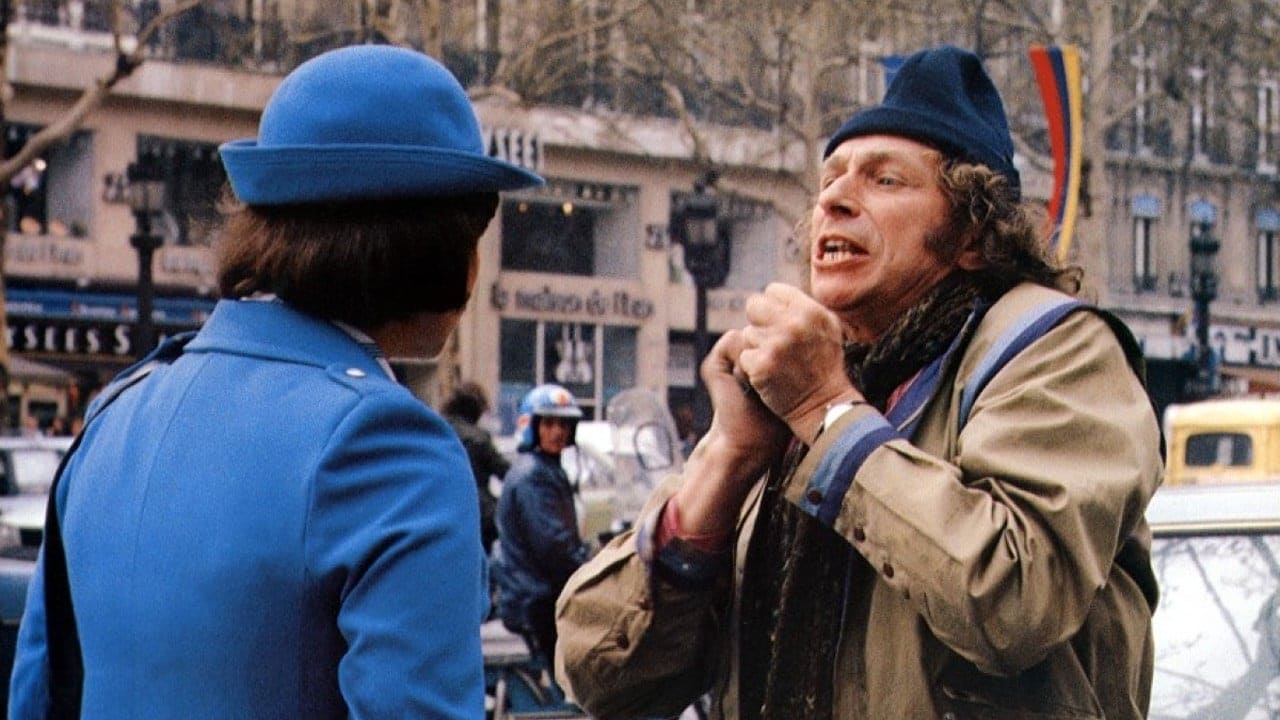
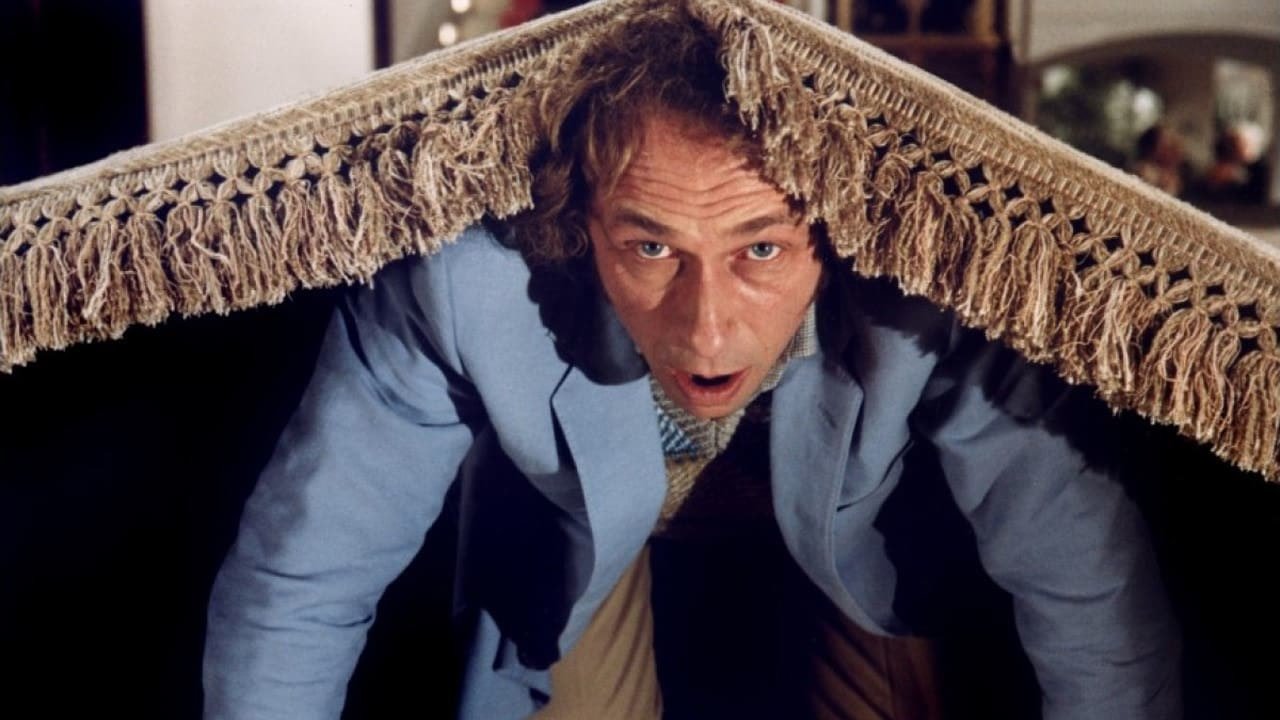
The film also benefits immensely from its glamorous French Riviera setting. Shot largely in Nice and Saint-Tropez, the sun-drenched beaches, luxury hotels, and winding coastal roads provide a beautiful, almost incongruous backdrop for the unfolding chaos. This visual contrast – the life-and-death stakes playing out amidst idyllic holiday spots – is a classic Oury touch. It also allows for some great set pieces, including frantic car chases that, while perhaps not Bourne Identity-level intense by today's standards, possess that tactile, metal-crunching reality common in films of this era. Remember how real those near-misses felt before CGI smoothed everything over?
Supporting players add to the fun. Gordon Mitchell, an American actor often seen chewing scenery in Italian B-movies (peplums, spaghetti westerns), is perfectly cast as the genuinely menacing killer Moskovitz, Grégoire's unintended rival. His imposing presence provides a necessary counterweight to Richard's lightness. Keep an eye out too for a young Gérard Jugnot (later of Les Choristes fame) in a supporting role as a star-struck police officer.
### Was it Good Then? Is it Good Now?
Umbrella Coup was a substantial hit in France back in 1980, proving Oury and Richard still had immense audience appeal. Critics were perhaps a bit more divided, as is often the case with broad comedies, but audiences embraced its sheer entertainment value. Watching it today on a (hopefully clearer than VHS) screen, its charms are largely intact. Sure, some of the humour feels distinctly of its time, and the plot relies heavily on contrivance, but that’s part of the appeal. It doesn't aim for deep satire; it aims squarely for laughs, and mostly hits the mark.
The film captures that specific feel of mainstream European comedies from the period – slightly cheeky, visually bright, and built around a high-concept premise and a charismatic star. I distinctly remember catching this on a fuzzy late-night TV broadcast years ago, the slightly exotic feel of a French comedy adding to its allure. It felt like discovering a slightly goofy, foreign cousin to the Hollywood comedies I was used to.
Overall Rating: 7/10
Justification: Umbrella Coup earns a solid 7 for its brilliantly simple premise, Pierre Richard's fantastic physical comedy performance, Gérard Oury's assured direction of farce, and its sheer, unpretentious entertainment value. It might feel a tad dated in places, and the plot logic is thinner than Grégoire's grasp on reality, but its charm and wit hold up surprisingly well. It’s a near-perfect example of its specific time and place in comedy filmmaking.
Final Thought: Before CGI smoothed out all the bumps, comedies like Umbrella Coup relied on pure concept, performance, and the occasional deadly accessory – a charmingly chaotic reminder that sometimes, the best weapon is blissful ignorance. Definitely worth tracking down if you enjoy classic French farce or just need a good, old-fashioned chuckle.