Okay fellow tapeheads, gather 'round. Remember those slightly worn tapes on the rental shelf, the ones that didn't scream blockbuster but had that intriguing cover art and maybe a familiar face or two? Sometimes, those were the real treasures. Tucked away between the explosive action flicks and neon-drenched comedies, you might have stumbled upon a quieter gem from 1979 that hit differently: Martin Brest's directorial debut, Going in Style. It wasn't about car chases or explosions, but it had a different kind of thrill, rooted in something far more relatable – desperation, friendship, and the audacious idea of three senior citizens robbing a bank.
More Than Just a Geriatric Heist
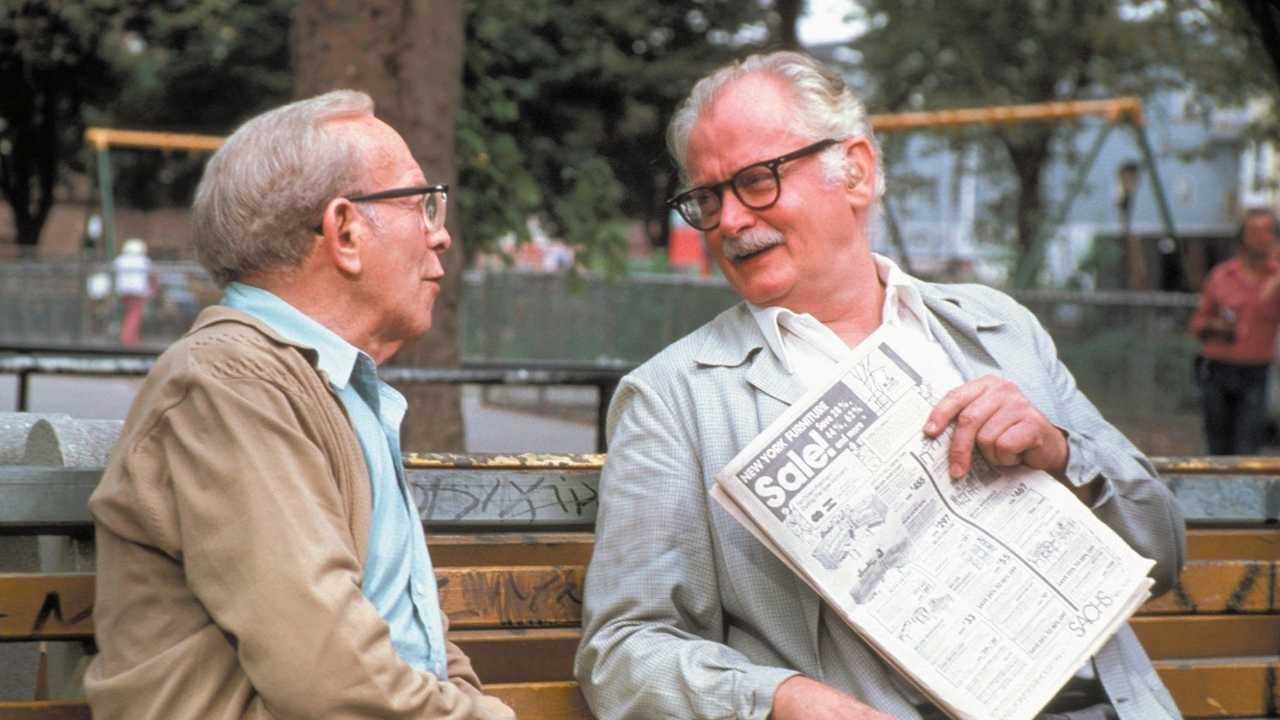
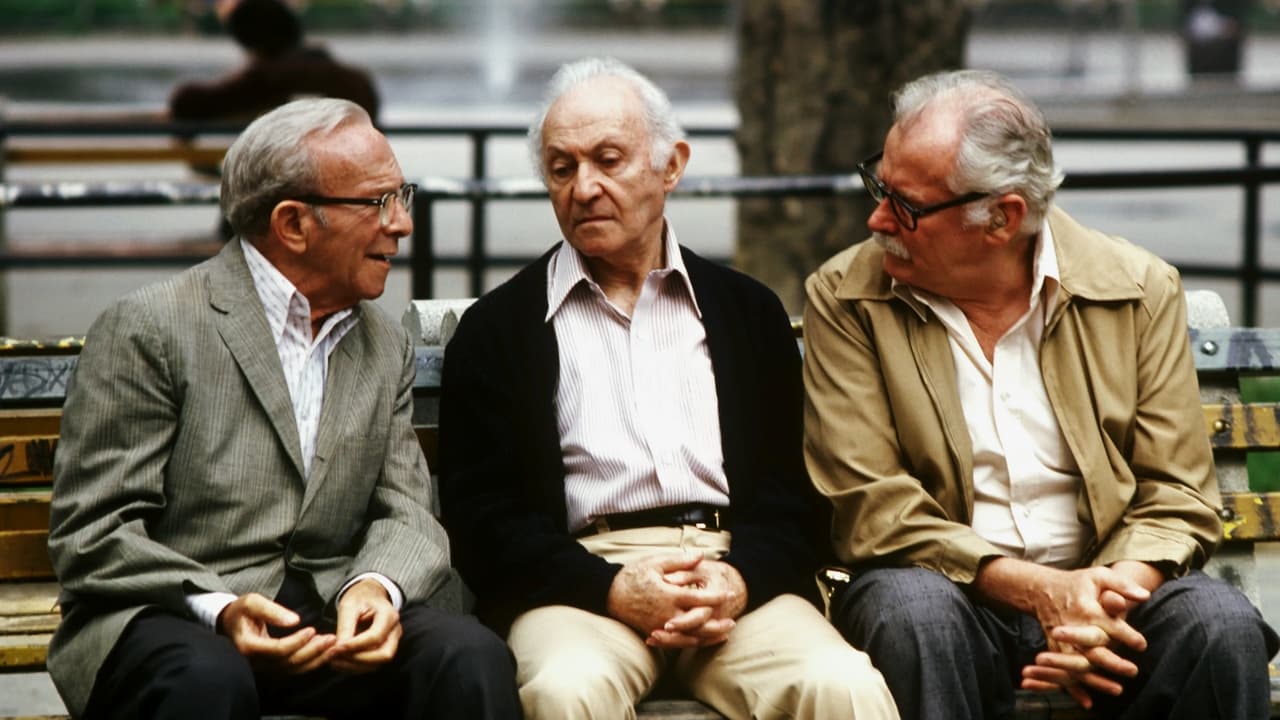
Let's be clear: the premise sounds like pure comedy gold, and there are certainly laughs here, delivered with impeccable timing by absolute legends. We have Joe (George Burns, already an icon), Al (Art Carney, forever beloved as Ed Norton from The Honeymooners), and Willie (Lee Strasberg, the legendary acting coach himself in a rare, significant role). They're three retirees sharing a small apartment in Queens, New York, living out their days on park benches, feeding pigeons, and surviving on meagre social security checks. The energy isn't high-octane; it's the quiet hum of boredom and dwindling purpose.
It's Joe, the sharpest and perhaps most cynical of the trio, who hatches the plan. Why not spice up their twilight years with a little armed robbery? The beauty of Going in Style is how it treats this absurd idea with utter seriousness. These aren't cartoon characters; they're men pushed to the edge, not by malice, but by a system that seems to have forgotten them. The film, penned by Edward Cannon, never mocks their age or their motives. Instead, it uses the heist as a catalyst to explore deeper themes of aging, mortality, and the need to feel alive, even when society deems you past your prime.
The Quiet Intensity of Planning
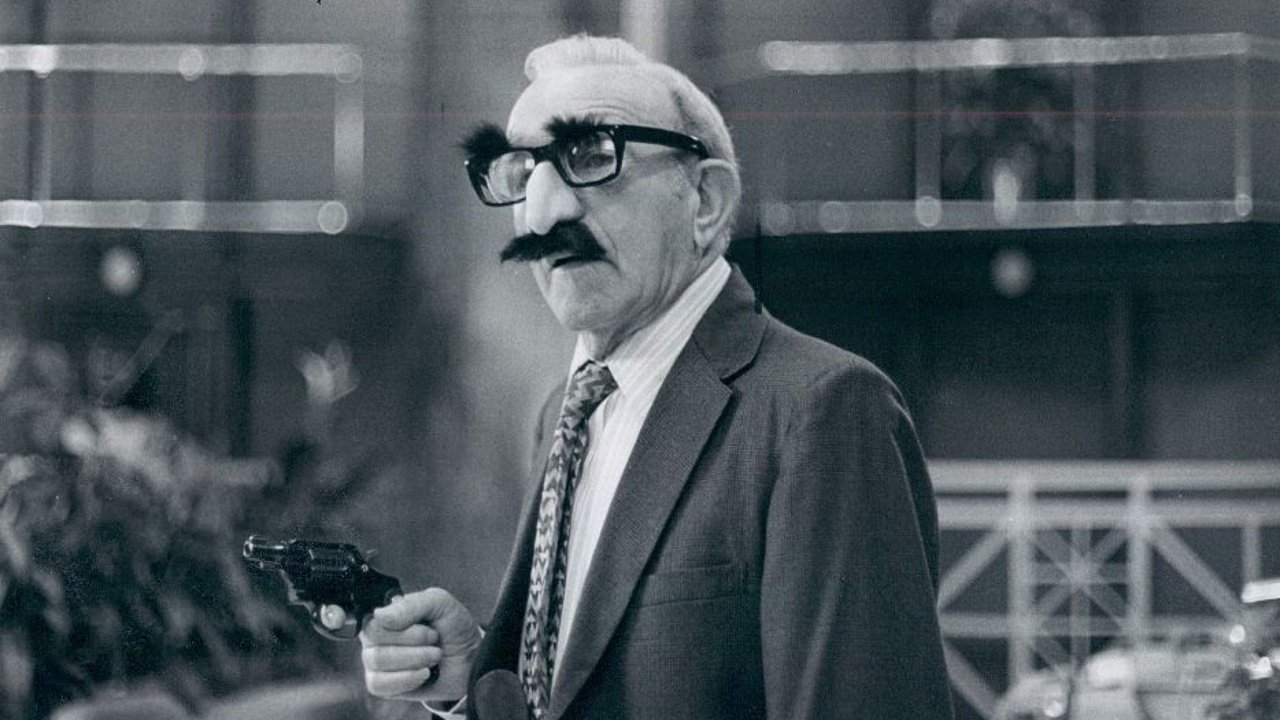
Forget intricate laser grids and split-second timing. The "action" here is in the planning stages, the hesitant procurement of joke-shop disguises (Groucho Marx glasses, naturally), and the sheer guts it takes for these men to even consider the idea. Martin Brest, who would later give us blockbusters like Beverly Hills Cop and Midnight Run, shows early signs of his talent for blending character work with genre elements. He captures the dreary atmosphere of late 70s New York perfectly – the film feels grounded, almost documentary-like in its depiction of their neighbourhood life. You can practically smell the exhaust fumes and feel the worn linoleum under their feet.
Seeing Lee Strasberg, the guru of Method Acting, play Willie is a particular treat. He brings a profound weariness and vulnerability to the role; Willie is perhaps the most hesitant, his anxieties palpable. It’s fascinating to know this was one of Strasberg’s last major film appearances before his passing in 1982, lending his performance an extra layer of poignancy. His quiet desperation provides a perfect counterpoint to George Burns' dry wit and Art Carney's soulful warmth. Their chemistry is effortless, born from decades of collective experience. They feel like real friends who’ve spent countless hours together, sharing complaints and dreams.
### When the Unthinkable Happens Spoiler Alert (for a 40+ year old movie, but still!)
The heist itself is deliberately unglamorous. It’s tense, awkward, and over surprisingly quickly. There's no slick getaway, no witty banter with the hostages. It feels... real, in a way that modern, hyper-stylized heist films rarely achieve. The film doesn't shy away from the consequences, either. The aftermath isn't a simple return to carefree living; it brings unexpected complications, moral quandaries, and a bittersweet flavour that lingers long after the credits roll. Remember how shocking Willie's fate felt? It completely upends expectations, grounding the film in a reality far removed from typical Hollywood escapism.
This wasn't a massive box office smash initially, earning a respectable but not world-shattering amount against its modest budget (around $5 million, if memory serves), but it found its audience, particularly, I suspect, on home video. Critics were generally positive, especially praising the central performances. George Burns even won the Best Supporting Actor award at the Venice Film Festival for his role – a testament to how effectively he balanced comedy with the underlying sadness.
### Still Stylish After All These Years?
Going in Style isn't about dazzling practical effects or stunt work in the traditional action sense. Its "effect" is the authenticity of its characters and setting. The thrill comes from the audacity of the premise and the emotional weight carried by its legendary leads. It captures a specific time and place – pre-Giuliani New York, feeling a bit grimy but undeniably alive – and tells a story that resonates beyond its era. It's a film with a unique blend of melancholy and humour, a quiet defiance against fading away unnoticed.
Rating: 8/10
Justification: While its pacing might feel deliberate compared to modern films, Going in Style remains a powerful and unique character study disguised as a heist comedy. The legendary performances are worth the price of admission alone, and its blend of humour and pathos feels remarkably fresh. It earns its emotional moments without resorting to schmaltz.
Final Take: Forget the slick remakes; the 1979 original is a perfect slice of late-70s filmmaking – grounded, character-driven, and surprisingly moving. It’s the kind of film you discover on a dusty tape and realize they truly don’t make ‘em like this anymore. A heist film with a heart, and a touch of delightful absurdity.