Okay, rewind your minds with me for a second. Picture this: browsing the comedy section at the local video store, maybe late on a Friday night. You spot a familiar pairing on the cover – Jack Lemmon and Walter Matthau. And directed by the legendary Billy Wilder? Instant rental, right? That’s how many of us likely stumbled upon 1981's Buddy Buddy, the final film from one of Hollywood's greatest directors, teaming up once more with his most iconic screen partners. But hitting play reveals something... different. Not quite the sparkling magic of The Odd Couple or The Fortune Cookie, but a darker, stranger beast altogether.
An Odd Couple Indeed
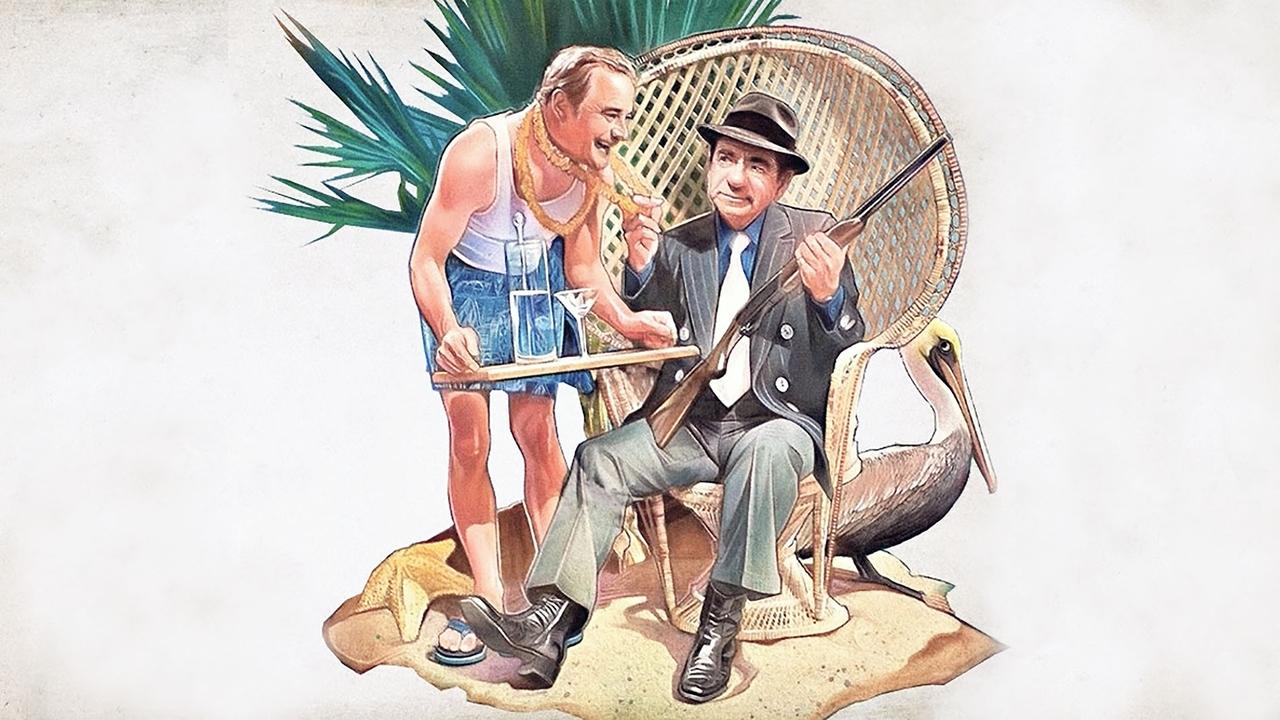
The setup is pure farce, distilled from Francis Veber's French play and hit film L'Emmerdeur (often translated as A Pain in the A...). Walter Matthau, radiating weary menace, plays Trabucco, a stoic, professional hitman holed up in a hotel room across from a courthouse, ready to take out a mob informant. His meticulous plan seems foolproof until he crosses paths with Victor Clooney (Jack Lemmon), the spectacularly needy, recently dumped schlub in the adjacent room who has decided this is the perfect place to end it all. What follows is a masterclass in escalating exasperation, as Trabucco’s deadly serious mission is constantly, hilariously derailed by Clooney's bottomless pit of neuroses and suicide attempts. It's a collision course of mismatched intentions, fueled by Lemmon’s signature tightly-wound energy bouncing off Matthau’s impeccable deadpan.
When Legends Take a Detour
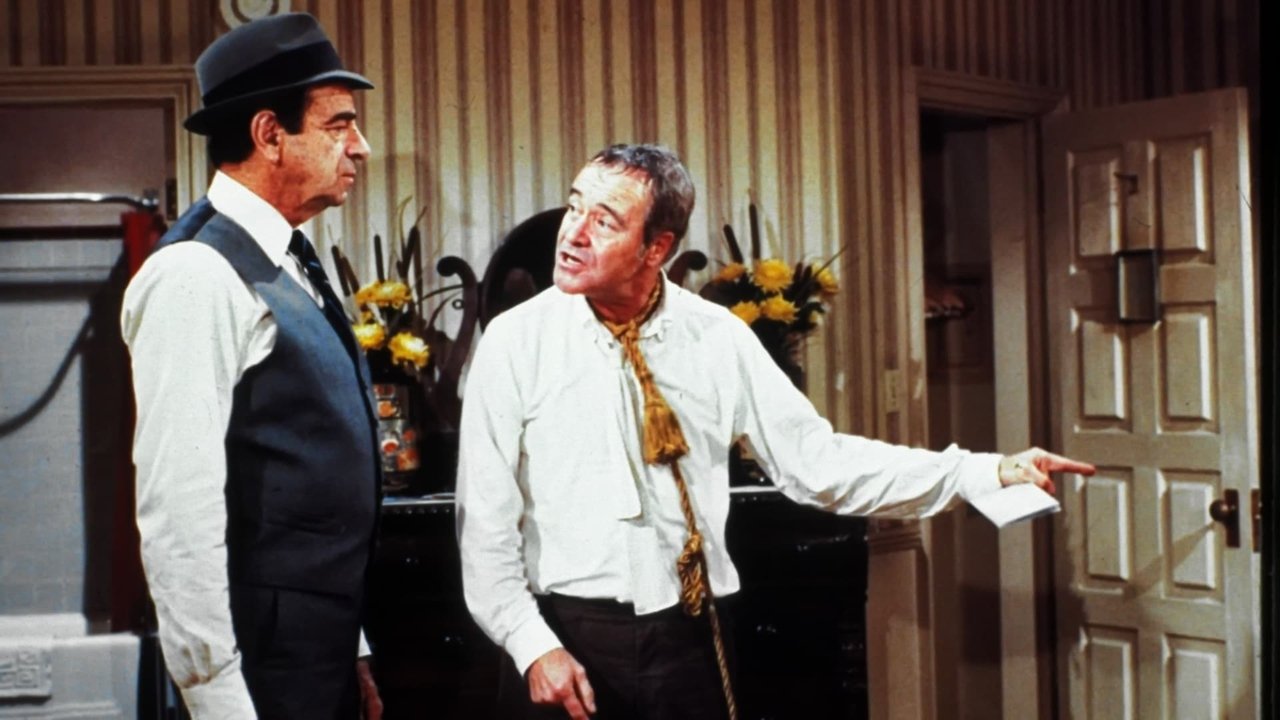
Seeing Lemmon and Matthau together is always a treat, their chemistry honed over decades into a perfect comedic instrument. Lemmon throws himself into Clooney’s pathetic desperation with gusto, while Matthau gets huge laughs from subtle shifts in expression, his simmering frustration palpable beneath the professional veneer. The brilliant Paula Prentiss also shows up as Clooney's sex-therapist wife, the source of much of his anguish, adding another layer to the chaotic proceedings.
Yet, despite the pedigree – Wilder directing, co-writing with his long-time partner I.A.L. Diamond (the geniuses behind Some Like It Hot and The Apartment) – something feels slightly off-key. The dark subject matter (contract killing, repeated suicide attempts) clashes somewhat uneasily with the broad, almost frantic comedic tone. It lacks the rapier wit and deeper character work of Wilder’s masterpieces. Retro Fun Fact: Wilder himself famously soured on the film later in life, reportedly calling it the worst picture he ever made. He and Diamond had adapted the French hit hoping for a commercial success after a few disappointments, but Buddy Buddy, budgeted at around $10 million, only pulled in roughly $7.3 million domestically – a definite stumble for the team.
Crafting Chaos
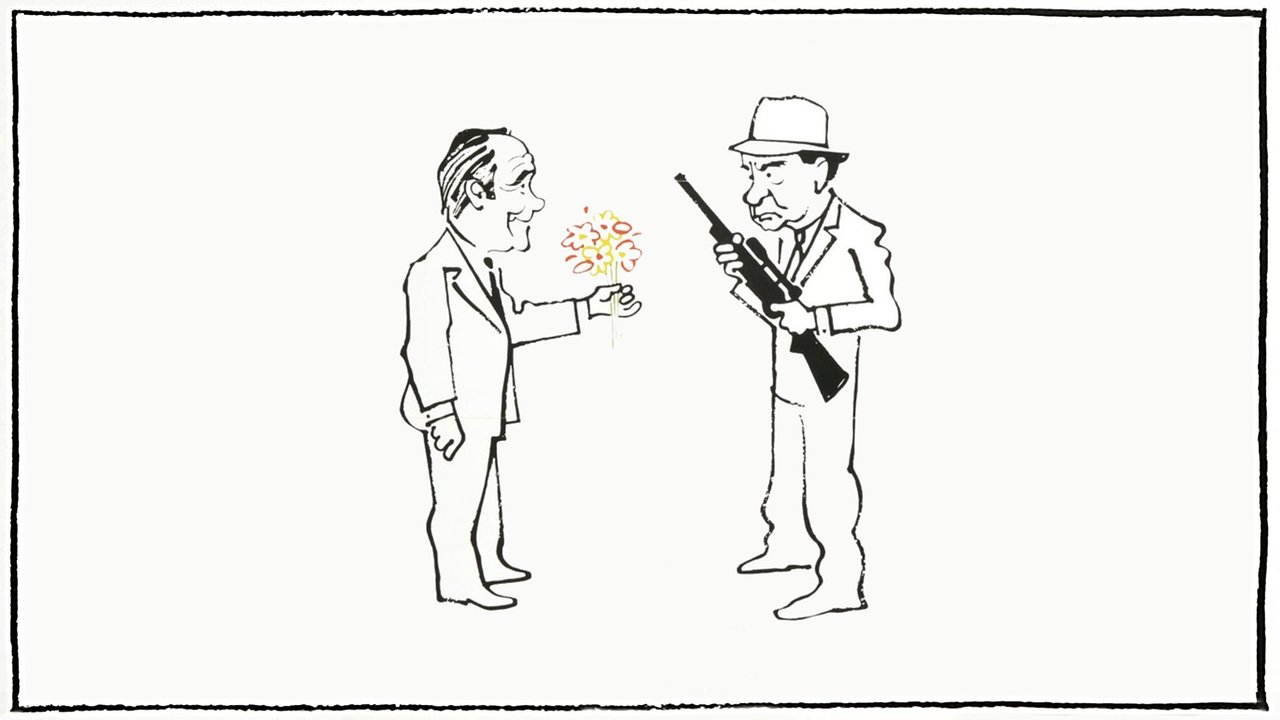
While there are no fiery car crashes or practical explosions here, the "action" lies in the intricate choreography of the farce. Wilder, even in his final outing, demonstrates a craftsman's understanding of comedic timing. Watch how scenes build, how interruptions compound, how seemingly small annoyances snowball into catastrophic failures for poor Trabucco. The dialogue, penned by masters, still has flashes of brilliance, particularly in the exchanges between the leads. It’s a tightly constructed scenario, even if the overall blend of darkness and slapstick doesn’t always quite gel. It’s fascinating to see Wilder, known for sharp social commentary and sophisticated romance, tackle such purely farcical material late in his career.
A Final Bow, A Curious Coda
Critically savaged upon release and largely ignored by audiences, Buddy Buddy quickly faded, becoming more of a footnote in the careers of its legendary creators than a celebrated capstone. Watching it today on a (perhaps slightly fuzzy) screen feels like uncovering a curious artifact. It’s undeniably flawed, the humor occasionally feeling dated or misjudged. Yet, the sheer joy of watching Lemmon and Matthau spar, under the direction of Billy Wilder one last time, provides its own unique, nostalgic kick. It wasn't the triumphant finale fans might have hoped for, but it's a fascinating glimpse into a moment when titans tried something different, even if it didn't quite hit the bullseye Trabucco was aiming for.
VHS Heaven Rating: 5/10
Justification: The rating reflects the undeniable disappointment considering the talent involved and the film's troubled reputation. The humor is uneven, and the tone sometimes falters. However, the magnetic chemistry of Lemmon and Matthau is undeniable, and seeing Wilder's craftsmanship, even on lesser material, offers value for fans. It lands squarely in the middle – not a disaster, but far from the collaborators' best work.
Final Thought: Buddy Buddy might be the cinematic equivalent of finding a slightly warped but still playable tape of your favorite band's weirdest B-side – not the hit you remember most fondly, but an intriguing listen for the dedicated fan appreciating the artists involved, warts and all.