That whispering sound… a child's spectral sigh caught on tape. It’s one of the moments from Peter Medak's The Changeling (1980) that burrows deep into your memory, resurfacing in the quiet hours long after the credits roll. This isn't a film that leaps out and shouts "Boo!" Instead, it coils around you, a slow-burn dread built on grief, isolation, and the chilling suggestion that some houses don't just hold memories; they hold pain. Forget jump scares; this is the kind of atmospheric horror that understood the power of silence, shadow, and a perfectly timed, impossibly bouncing rubber ball.
### A House Built on Sorrow
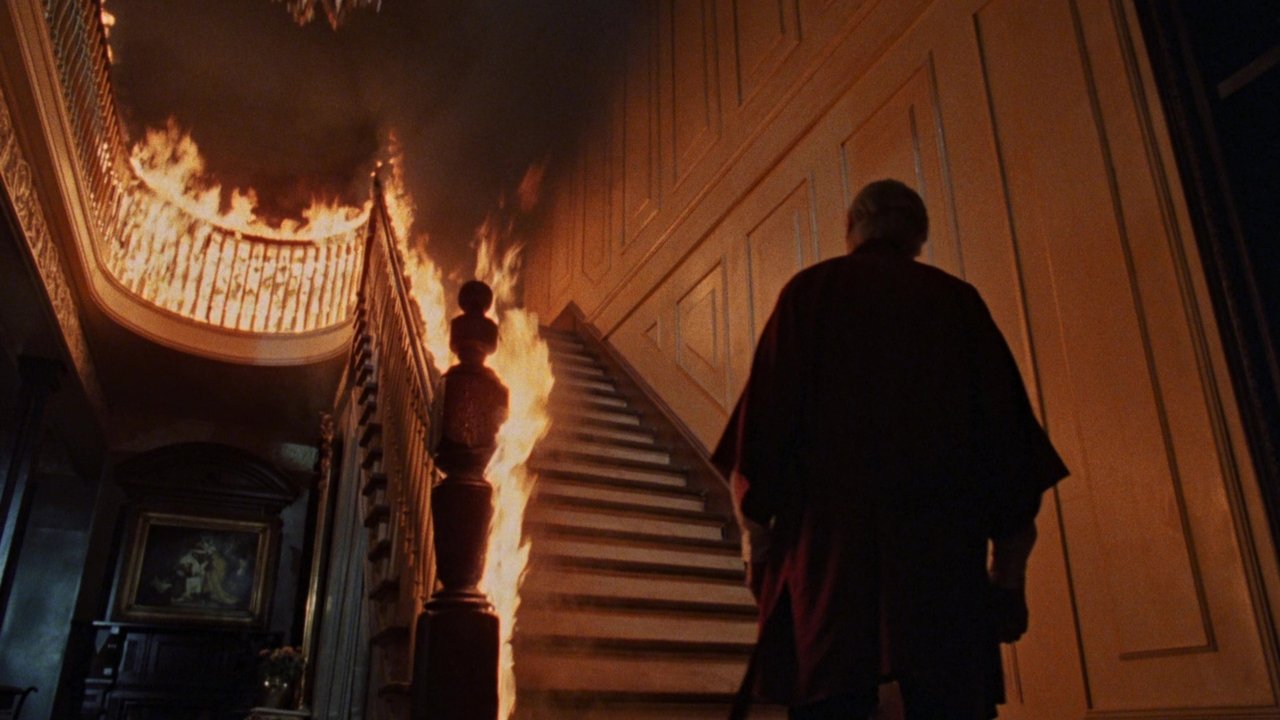
The film finds composer John Russell, played with profound, weary gravity by the legendary George C. Scott, reeling from the unimaginable roadside death of his wife and daughter. Seeking solitude to rebuild his life and music, he rents a sprawling, long-vacant Victorian mansion in Seattle – the kind of place that seems plucked from a gothic novel, all looming architecture and unsettling stillness. It’s a house that feels wrong from the moment he steps inside, radiating a palpable sense of history and unease. Russell, a man already saturated in loss, becomes an unwilling conduit for the house’s own tragic past. The subtle disturbances begin almost immediately: strange banging noises at dawn, doors opening on their own, and that single, small red and white ball – a relic of a former occupant – tumbling down the grand staircase with unnerving intent. Doesn't that simple effect still send a shiver down your spine?
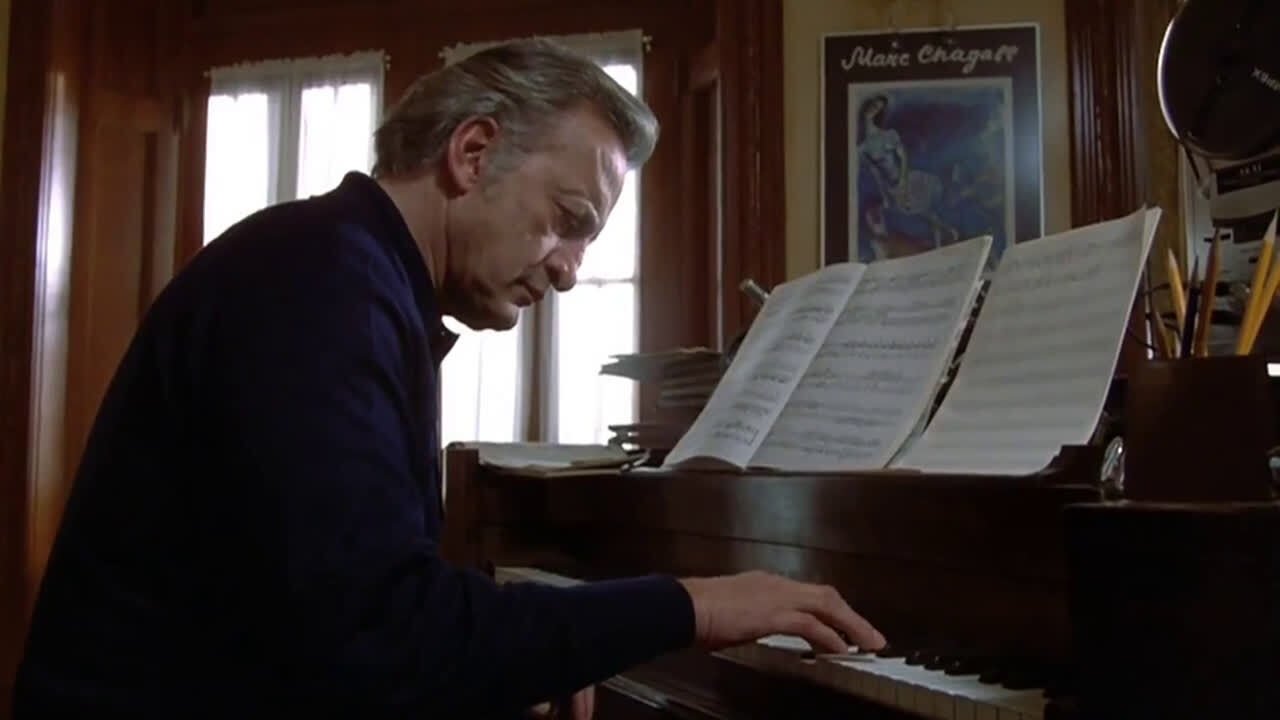
What makes The Changeling so effective, especially watching it now through the lens of VHS nostalgia, is its masterful restraint. Medak, who would later direct dark genre pieces like Romeo is Bleeding (1993), crafts a ghost story rooted in character and atmosphere. Scott’s performance is the bedrock; his portrayal of grief is so raw and believable that the supernatural intrusions feel less like cinematic devices and more like violations of his already shattered psyche. He isn't just scared; he's haunted internally and externally, lending the proceedings a weight rarely found in the genre. He’s joined by his then-wife Trish Van Devere as Claire Norman, the historical society agent who rented him the house, and the venerable Melvyn Douglas (in one of his final roles) as a powerful senator entwined with the mansion’s dark secrets. Both provide crucial support, grounding the increasingly terrifying events.
### Echoes of Truth and Whispers on Tape
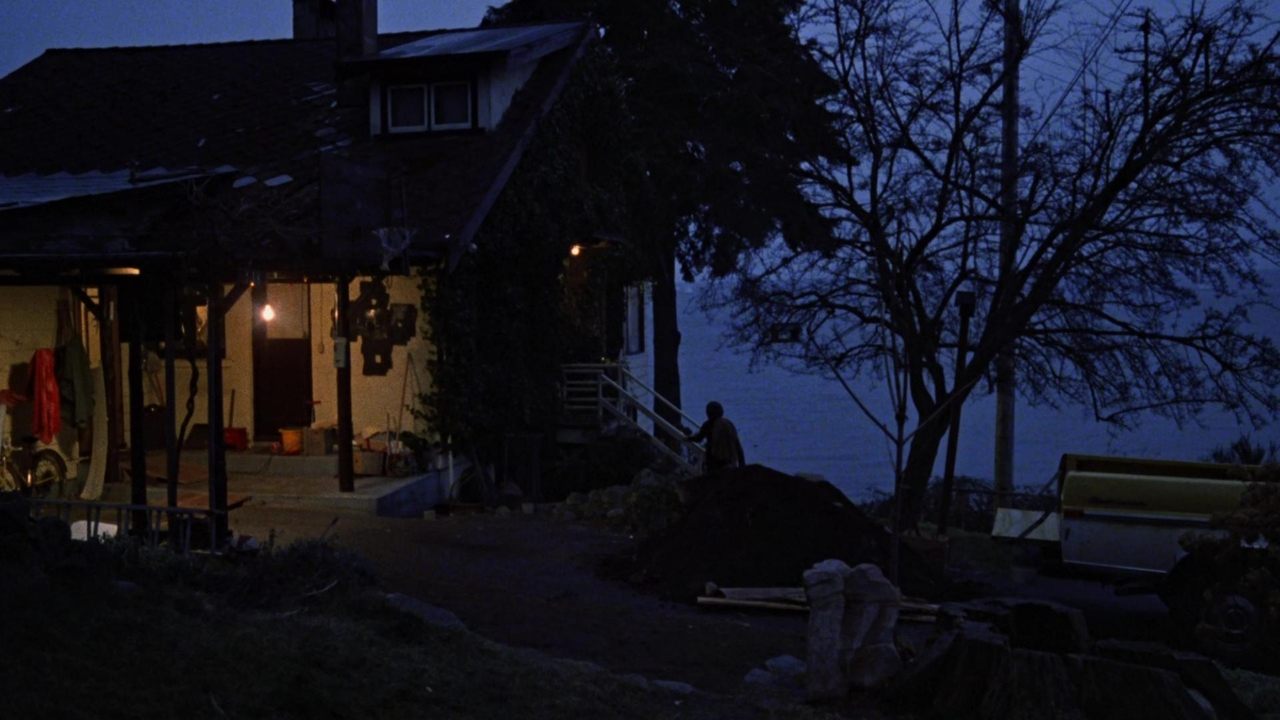
The film's power is amplified by the knowledge that its premise wasn't entirely conjured from fiction. Screenwriter Russell Hunter (credited under pseudonyms William Gray and Diana Maddox due to WGA rules at the time) based the story on experiences he claimed to have had while living in the Henry Treat Rogers mansion in Denver, Colorado, during the late 1960s. Hunter reported similar phenomena: inexplicable banging, discovered secret staircases, and even a séance that supposedly revealed the spirit of a crippled boy hidden away by his family. While the film relocates the story to Seattle and fictionalizes the details, this kernel of alleged truth lends an extra layer of unease. It’s a chilling thought – that the unsettling events onscreen might have roots, however embellished, in reality. Finding the right location was paramount; the imposing exterior was eventually found in the University Heights area near Seattle, though much of the claustrophobic, perfectly designed interior was constructed on sound stages, allowing Medak precise control over the atmosphere.
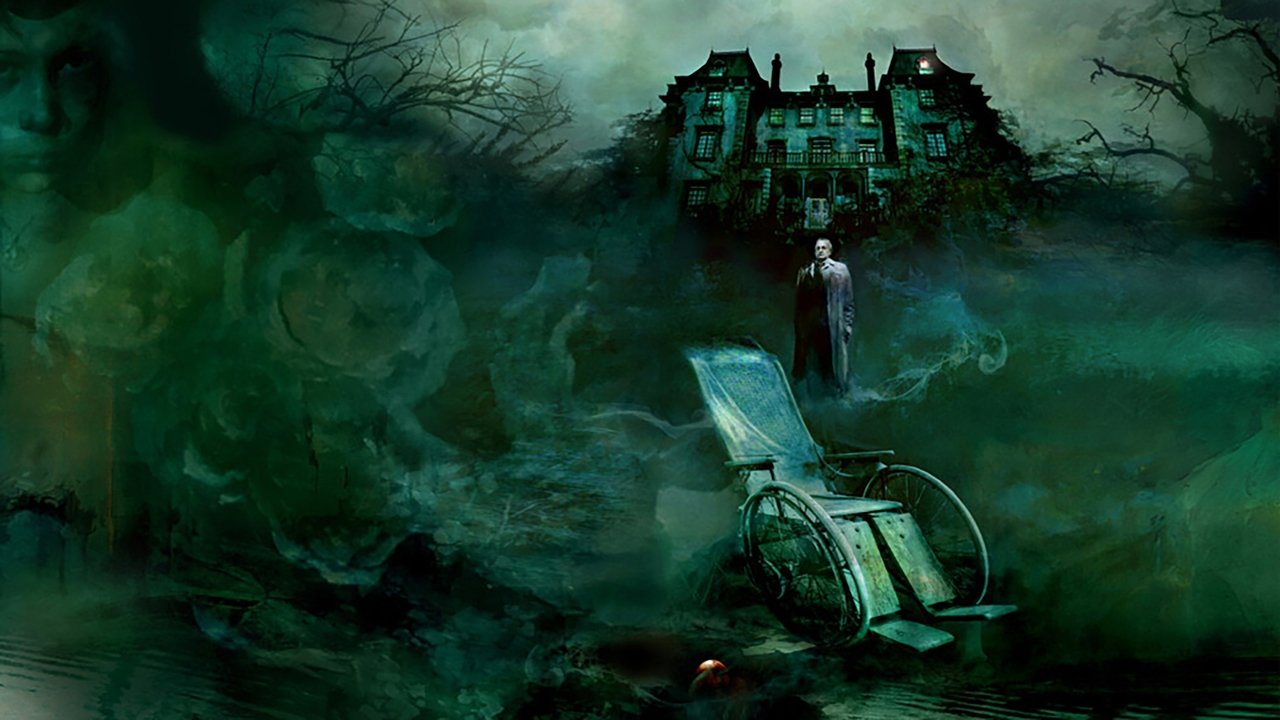
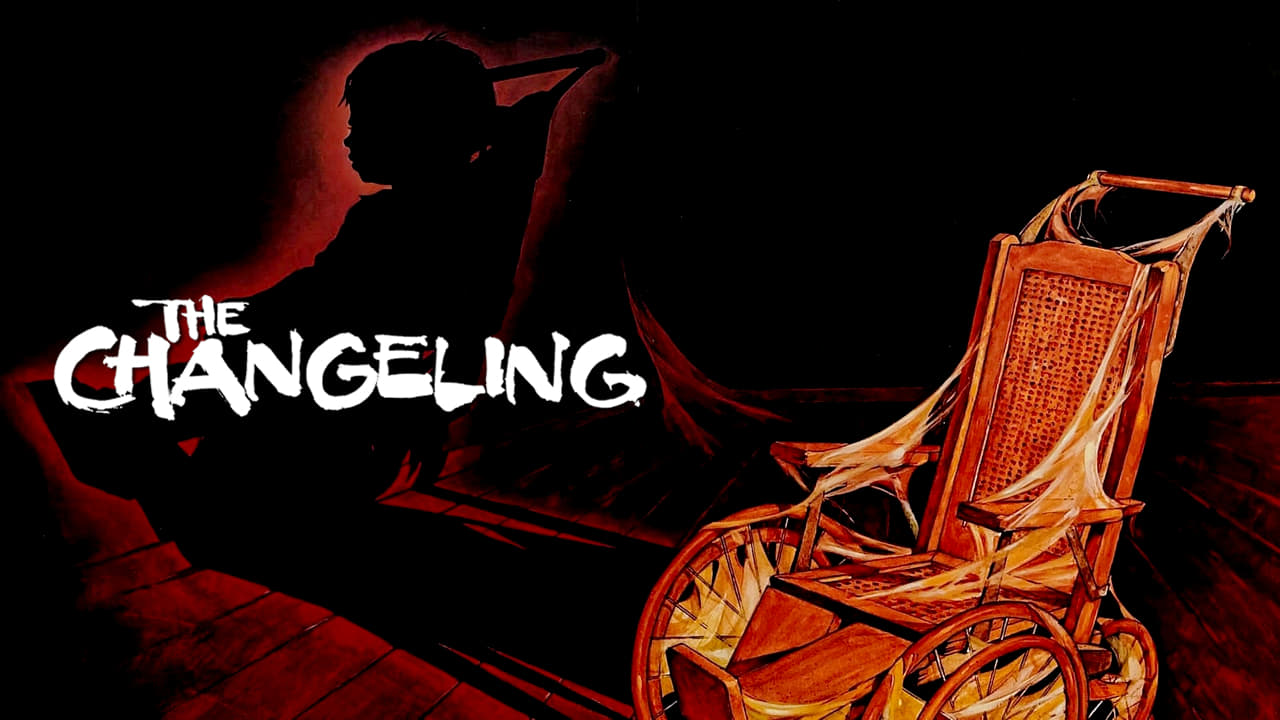
The film excels in its set pieces, which rely on practical ingenuity rather than overt gore. The séance scene remains a masterclass in building tension, relying purely on performance, sound design, and the slow, agonizing scrape of pencil on paper. And who could forget the shattering glass, the self-propelling wheelchair, or the simple, terrifying image of that small ball bouncing down the stairs, seemingly on its own? These moments were achieved through clever rigging and meticulous timing, proving that suggestion can be far more frightening than graphic depiction. The film’s unsettling score by Rick Wilkins is equally crucial, its melancholic piano themes weaving seamlessly with sudden, discordant shocks. It's a testament to the craft that even now, decades later, these sequences retain their power to disturb. Made for a modest (even then) $6.6 million Canadian dollars, The Changeling became a significant success, proving audiences were hungry for intelligent, atmospheric horror amidst the burgeoning slasher craze.
### Enduring Chill
The Changeling isn't just a haunted house movie; it's arguably one of the definitive haunted house movies. Its influence can be felt in countless supernatural thrillers that followed, particularly those prioritizing psychological dread and methodical investigation over cheap thrills. It respects its audience, trusting them to be unnerved by implication and atmosphere rather than demanding constant shocks. Watching it on VHS back in the day, often late at night with the volume low, felt like uncovering a secret – a genuinely scary, grown-up ghost story that lingered long after the tape ejected. The graininess of the format almost enhanced the film's shadowy corners and spectral whispers.
George C. Scott delivers a towering performance, anchoring the supernatural events in palpable human suffering. The direction is assured, the atmosphere thick with dread, and the central mystery unfolds with satisfying, chilling logic. While its pacing might feel deliberate to modern audiences accustomed to faster cuts, its power lies in that very deliberateness, allowing the horror to seep in gradually.
Rating: 9/10
This score reflects the film's masterful execution of atmospheric horror, George C. Scott's powerhouse performance, its enduringly effective scares, and its status as a benchmark classic of the haunted house subgenre. It’s a film that understands true fear often comes not from what you see, but from what you feel lurking just beyond the frame, a chilling whisper from the past that refuses to stay silent. It remains a must-watch for any serious fan of cinematic ghost stories.