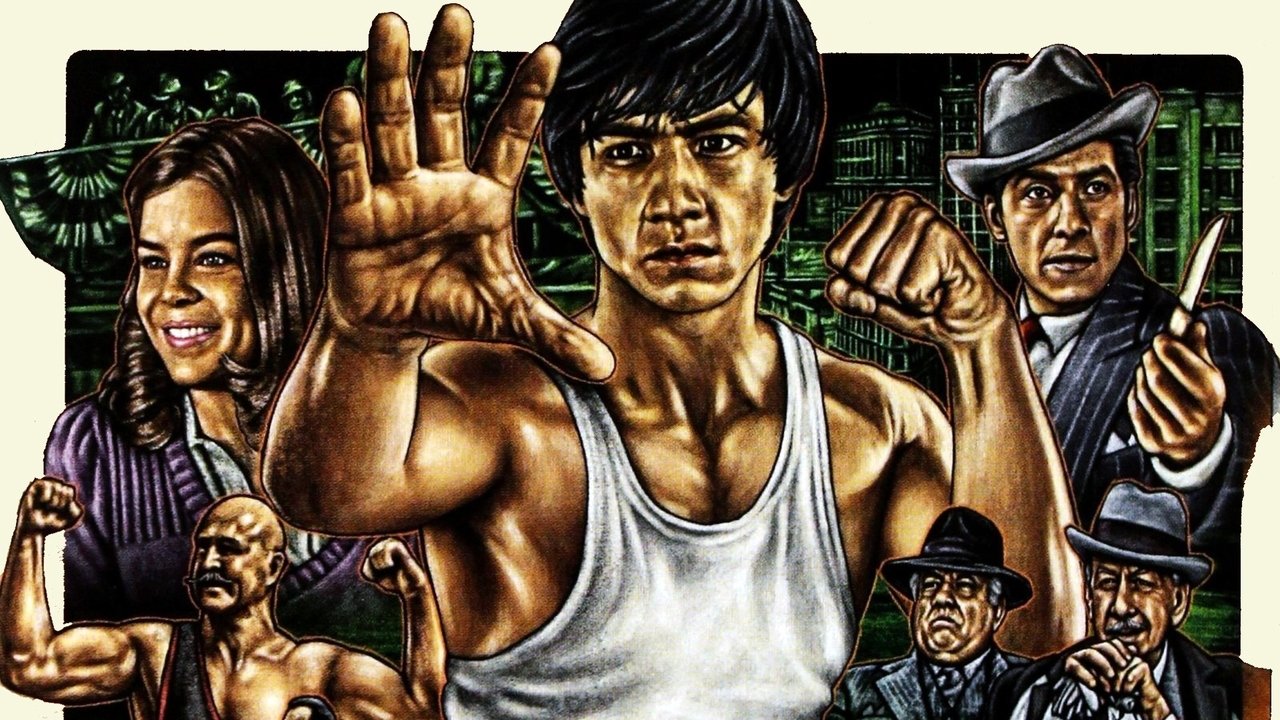
Okay, rewind your minds, pop that slightly worn cassette into the VCR, maybe blow on the connector first (did that ever really work?), and settle in. Tonight on VHS Heaven, we're digging into a fascinating, slightly awkward, but undeniably energetic piece of action history: 1980's The Big Brawl (also known as Battle Creek Brawl in some territories). This wasn't just another chop-socky flick filling the shelves down at Video King; this was meant to be the big one, the film that launched a certain Hong Kong dynamo named Jackie Chan into American superstardom.
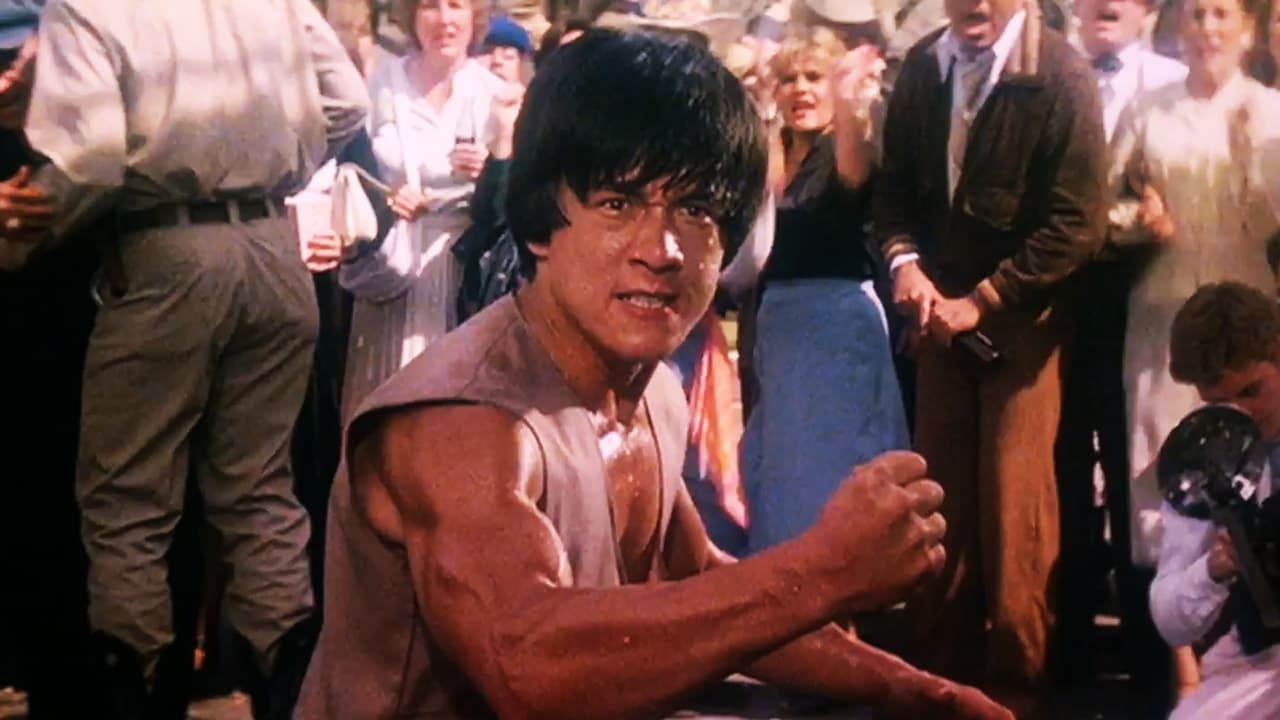
The setup? Pure pulp. We're dropped into 1930s Chicago (though keen eyes might spot the distinct lack of Midwestern grit, as much of it was filmed in San Antonio, Texas), where Jerry Kwan (Jackie Chan) is a good-natured martial artist just trying to help his family run their restaurant. But the local mob, led by the sneering Dominici (José Ferrer – yes, Oscar-winner José Ferrer chewing scenery!), takes notice of Jerry's skills. When Jerry refuses to throw fights for them, they kidnap his brother's fiancée, forcing him into the titular "Big Brawl," a no-holds-barred street fighting tournament in Battle Creek, Texas, against some truly monstrous opponents.
### Chan Takes America? Round One... Fight!
Right off the bat, you feel the ambition clashing with the execution. Golden Harvest producer Fred Weintraub and director Robert Clouse, who had struck gold bringing Bruce Lee to international fame with Enter the Dragon (1973), clearly hoped to repeat the magic with Chan. You can almost feel the studio notes: "Make it American! Set it in the past! Give him a sassy love interest!" (Kristine DeBell fills this role with gusto). The result is... interesting. It doesn't quite feel like the kinetic, prop-filled, death-defying stunt extravaganzas Chan would perfect back in Hong Kong just a few years later (think Police Story). This is a more grounded, somewhat grittier affair, trying to fit Chan's unique energy into a familiar American B-movie template.
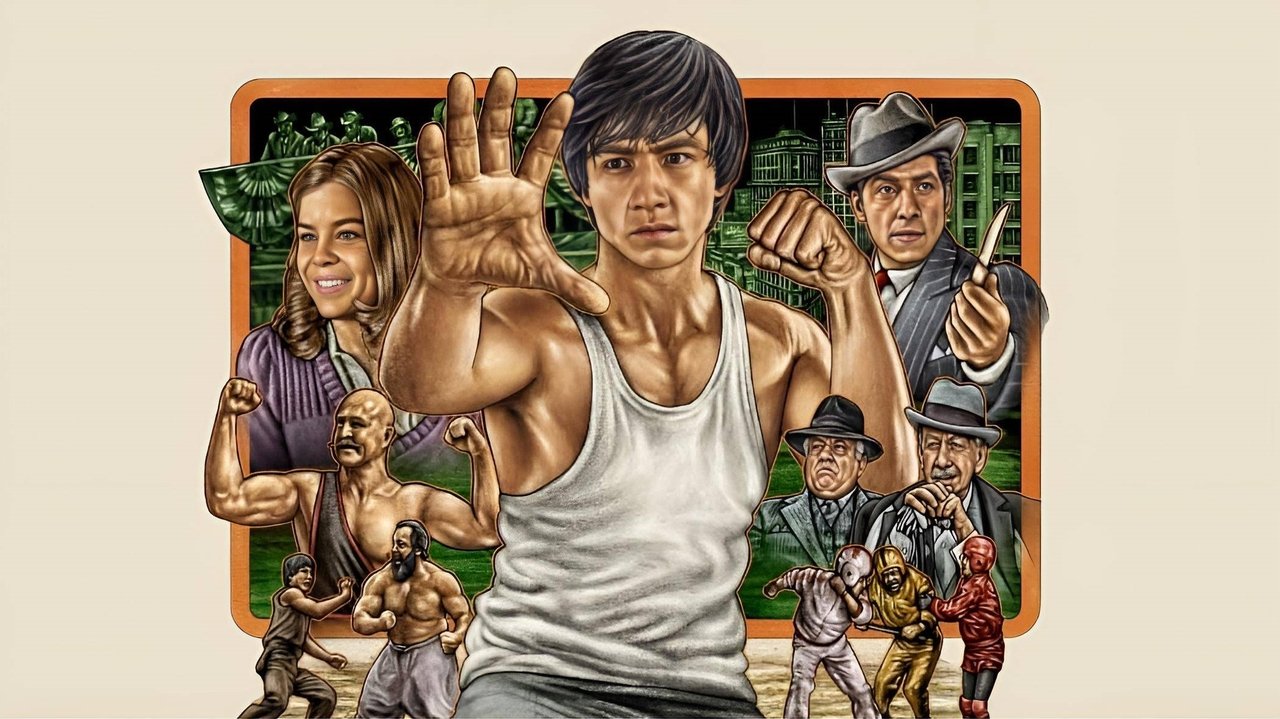
But even in this slightly constrained format, Jackie Chan is undeniable. The sheer physical talent is blazing. His acrobatics, speed, and charisma burst through the screen, even when the choreography feels a tad repetitive or less inventive than his later work. Remember watching his early training sequence? The one-handed push-ups, the incredible flexibility – it was raw potential, a promise of the global icon he would become. It's fascinating to see him here, navigating English dialogue phonetically at times, trying to bridge that cultural gap through sheer force of personality and physical prowess.
### Good Old-Fashioned Knuckle Sandwiches
Let's talk about that action. Forget slick CGI wire-fu; this is the era of feeling the hits. When guys get thrown through tables in The Big Brawl, those are real tables splintering. The stunt performers are putting their bodies on the line, giving the brawls a weight and impact that often feels missing today. Robert Clouse directs the fights competently, focusing on clarity and power over complexity. Were the fights revolutionary? Maybe not compared to what Chan was doing elsewhere, but for mainstream American audiences in 1980, seeing this level of intricate martial arts combat mixed with rough-and-tumble brawling felt pretty intense. Remember that final showdown against the mountain of a man, Billy Kiss (H.B. Haggerty)? It wasn't graceful, but it felt brutal – two guys genuinely whaling on each other. That raw physicality was the currency of 80s action flicks.
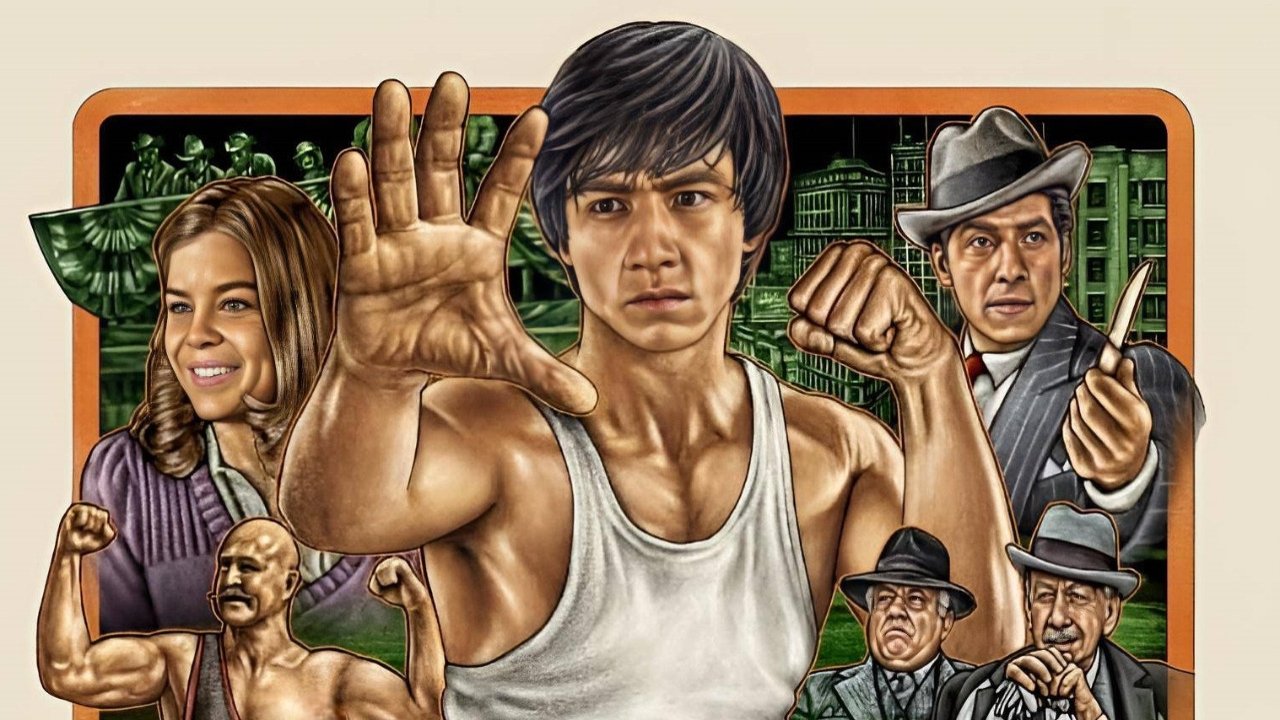
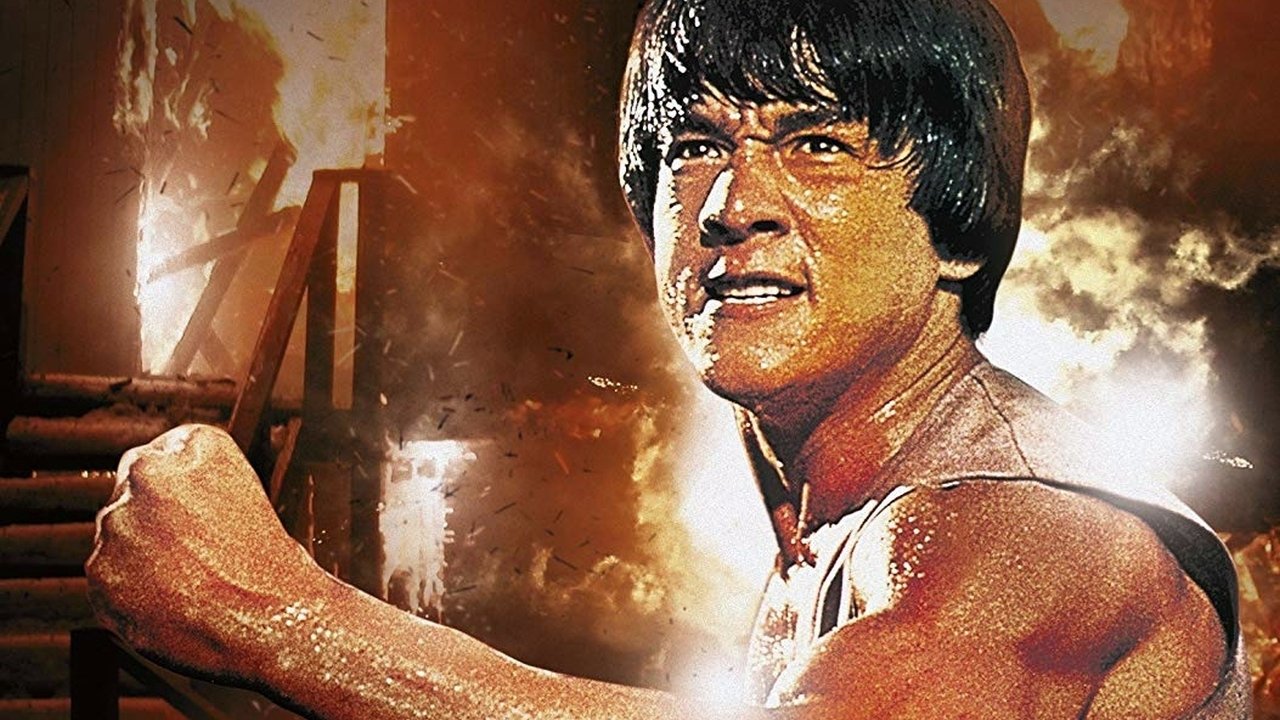
There's a certain charm to the film's slightly rough edges. The period setting feels more like a suggestion than a fully realized world, and some of the supporting characters lean heavily into stereotypes. José Ferrer, a genuinely legendary actor, seems to be having a bit of fun playing the ruthless gangster, adding a touch of class even amidst the chaos. And who could forget the thumping, occasionally funky score by the legendary Lalo Schifrin (Dirty Harry, Mission: Impossible)? It adds another layer to the film's unique, slightly discordant personality.
### The Verdict After the Rewind
The Big Brawl wasn't the knockout punch Golden Harvest hoped for. It underperformed at the US box office (grossing around $8.5 million), and Jackie Chan would head back to Hong Kong to create some of his most iconic work before truly conquering Hollywood later. Watching it now, decades removed, feels like finding a cherished but slightly oddball artifact. I distinctly remember renting this tape, drawn by Chan's name, and being slightly bewildered but mostly entertained. It's not peak Jackie, lacking the comedic genius and insane stunt work that would define him. But it is a vital piece of his history, a snapshot of his raw talent trying to find its footing on foreign soil.
The practical fights have a certain gritty appeal, and Chan's star power is unmistakable even in this early outing. It’s a fascinating curio – part martial arts showcase, part gangster flick, part slightly goofy period piece. It's the kind of movie that perfectly embodies the adventurous spirit of browsing those video store aisles, never quite knowing if you'd uncover a hidden gem or a glorious misfire.
Rating: 6/10
Justification: While Jackie Chan's incredible athleticism and charm are evident, the film struggles to blend his unique style with its Americanized 1930s setting and conventional plot. The action is solid for its time, relying on gritty practical stunts, but lacks the invention of his later work. It's hampered by pacing issues and some clunky elements, making it more of a historical curiosity for Chan fans than a standout classic. Still, its earnest energy and Chan's raw talent make it a worthwhile watch for retro action enthusiasts.
Final Thought: The Big Brawl might have been Jackie Chan's slightly stumbling first step onto the American stage, but even a stumble from Chan was more entertaining than most action stars' confident strides back then – a fuzzy, punchy reminder of when Hollywood tried, awkwardly but energetically, to bottle lightning.