Okay, fellow tapeheads, let's fire up the VCR in our minds and rewind to that glorious feeling of scanning the shelves at the local rental palace. Sometimes you'd stumble across a cover, maybe slightly faded, with a title that didn't quite ring a bell but promised something… different. Today, we’re dusting off a curious one that might have surfaced under various names, perhaps even leading to some head-scratching: the film often found as Fantôme d'amour (Ghost of Love) from 1981, though memories and maybe even some bootleg VHS labels might have occasionally mixed it up with titles like "My Wife is a Witch" or confused its lineage.
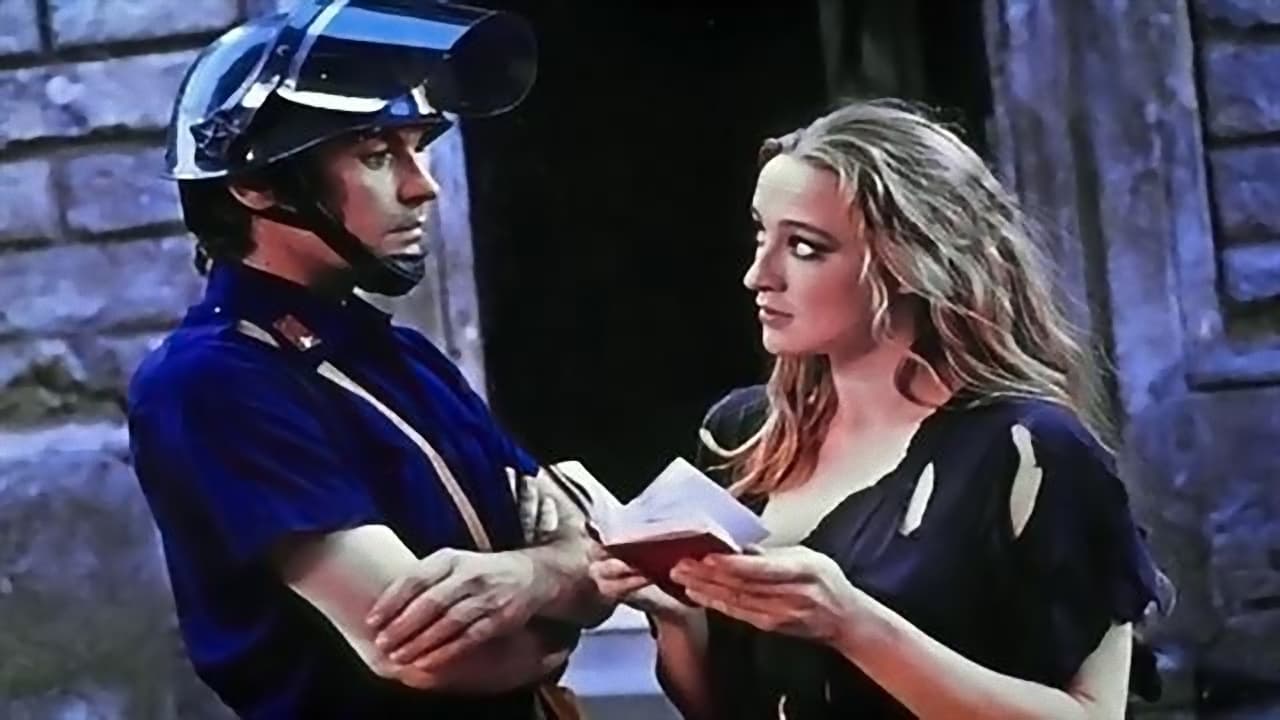
Now, the specific request mentioned the legendary René Clair directing Philippe Noiret and Romy Schneider in a 1980 film possibly titled "My Wife is a Witch". While that exact combination seems to be a phantom itself – Clair’s last feature was much earlier, and Noiret wasn’t in this particular picture – the mention of the luminous Romy Schneider in a supernatural-tinged romance points squarely towards this haunting 1981 Italian-French co-production, directed by the great Italian filmmaker Dino Risi. Risi, known more perhaps for sharp comedies like Il Sorpasso (1962), takes a fascinating detour here. So, let's call this a happy accident of VHS archaeology, unearthing the poignant Fantôme d'amour. Forget the potentially misleading title some tapes might have sported; the real find is the film itself.
### A Love That Haunts
Fantôme d'amour isn't your lighthearted Bewitched romp. It stars the legendary Marcello Mastroianni, Italy's quintessential leading man (think La Dolce Vita (1960) or 8½ (1963)), as Nino, a middle-aged tax advisor trapped in a mundane existence. His life takes a sharp, spectral turn when he encounters Anna – played with heart-wrenching fragility by Romy Schneider – a woman who appears to be his long-lost love, thought dead for twenty years. But is she real? A ghost? Or something else entirely?
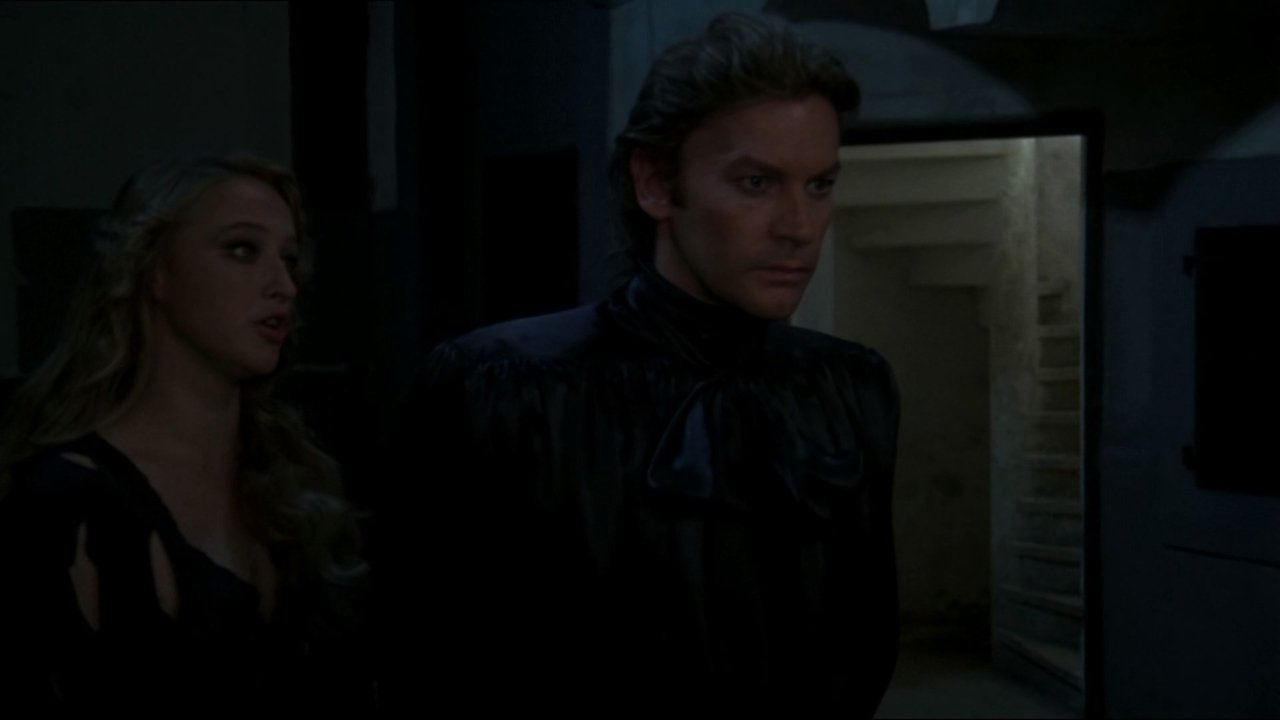
The film unfolds less like a mystery and more like a melancholic meditation on memory, lost love, and the ghosts of our past. Nino becomes obsessed, trying to reconnect with this woman who flickers in and out of his life, seemingly unchanged by time, while navigating the disbelief of his family and friends. It’s a premise that could easily slip into silliness, but Risi handles it with a surprising amount of grace and melancholy, leaning into the emotional weight of Nino's desperate hope.
### Schneider's Luminous Farewell
Seeing Romy Schneider here is undeniably powerful. This was released just a year before her tragic death in 1982, and her performance carries an almost unbearable poignancy. She embodies Anna with an ethereal quality – beautiful, captivating, yet profoundly sad and elusive. It’s impossible to watch her shimmering presence without feeling the weight of her real-life story. Schneider had suffered immense personal tragedy, including the recent death of her son, and some critics at the time noted how her performance seemed to blur the lines between character and actress, capturing a deep, resonant sorrow. A retro fun fact: Despite her iconic status in French and German cinema (cemented by the Sissi films decades earlier), this Italian-led production was one of several international projects she took on late in her career, showcasing her enduring screen magic across borders.
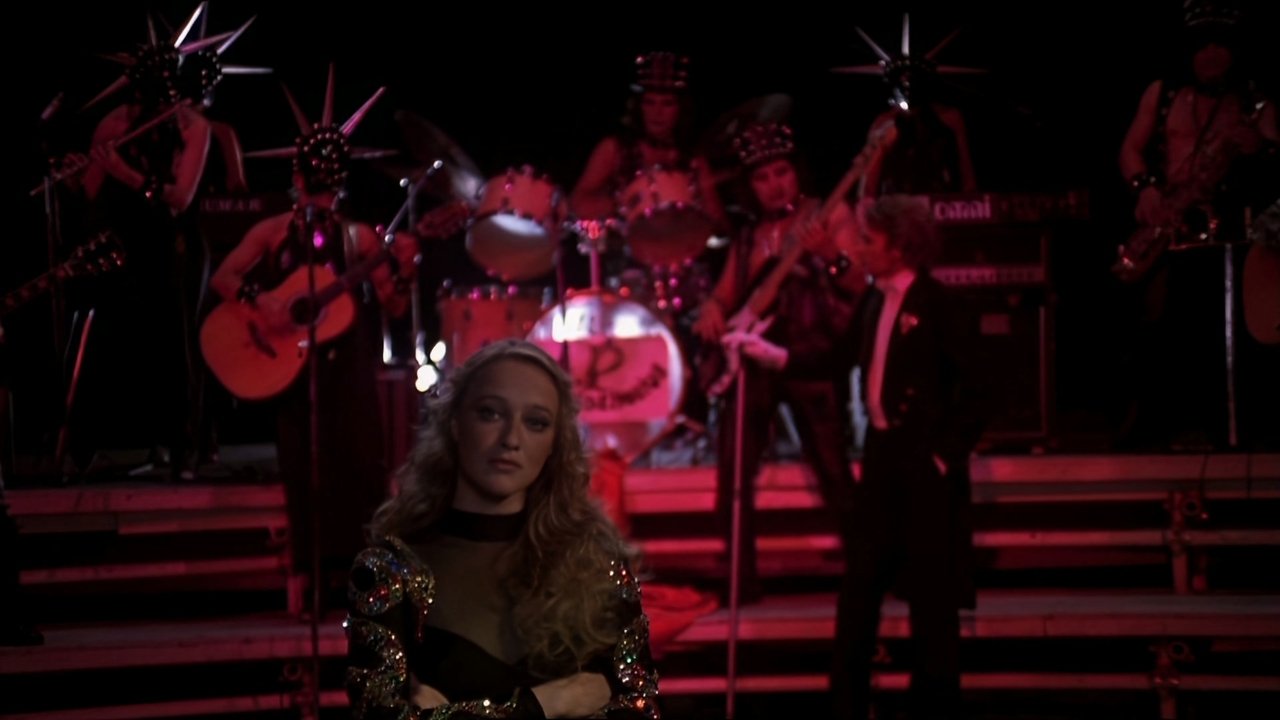
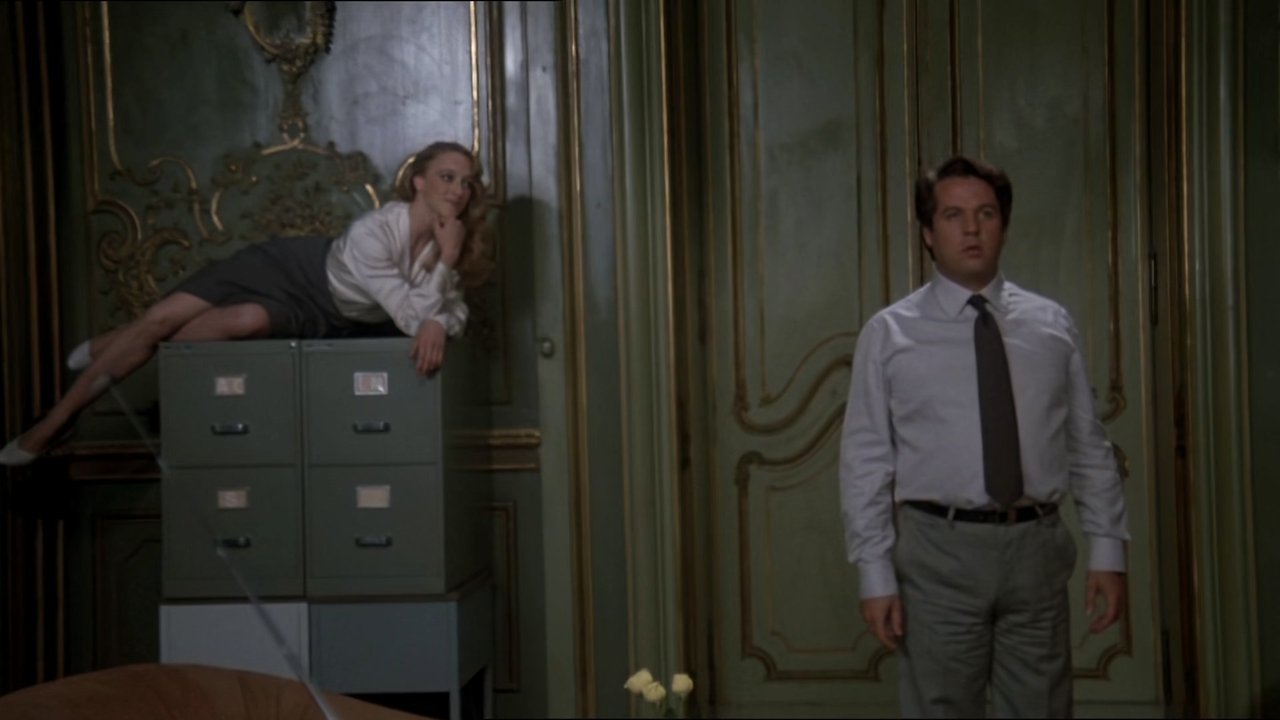
Marcello Mastroianni is, as always, superb. He grounds the film's fantastical elements with Nino's very relatable mid-life ennui and subsequent bewilderment and obsession. His chemistry with Schneider, though tinged with the spectral and the uncertain, feels genuine. You believe his character needs to believe in this impossible reappearance. It’s a performance that balances quiet desperation with moments of almost boyish hope.
### Echoes in the Static
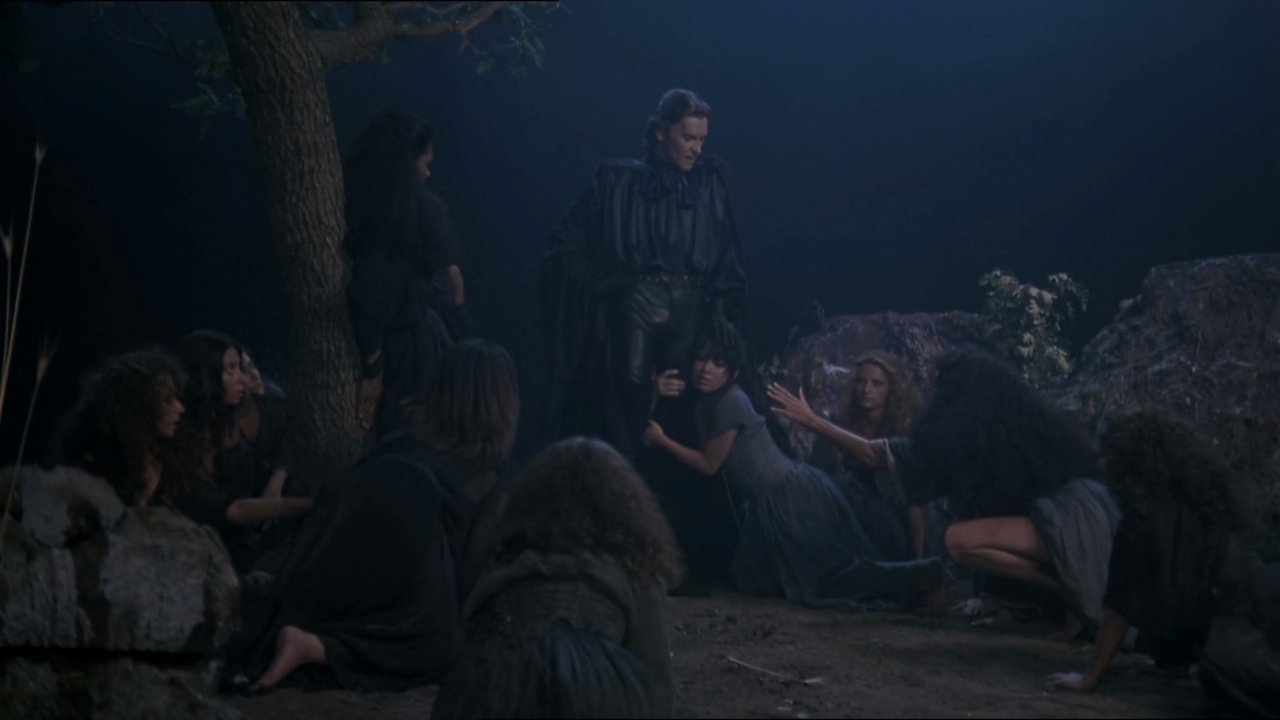
This isn't a film packed with dazzling 80s special effects. The "ghostly" aspects are handled with subtlety – playing with light, memory, and perception rather than flashy opticals. Remember how sometimes on those old CRT TVs, a slightly worn tape might make figures seem a bit hazy or dreamlike? That analogue imperfection almost enhances the atmosphere Risi creates here. It feels less like a technical limitation and more like a deliberate choice, mirroring the ephemeral nature of memory and Nino's fragile grasp on reality.
The film's pacing is distinctly European, favouring mood and character over rapid-fire plot developments. For viewers accustomed only to Hollywood blockbusters of the era, it might have felt slow back then, discovered on a whim from the 'Foreign Films' section. But that deliberate pace allows the atmosphere to seep in – the quiet streets, Nino’s cluttered office, the sense of time slipping away. The score, too, adds to the haunting quality, underlining the romance and the underlying sadness. It wasn't a massive box office hit internationally, remaining more of a curio, especially for fans of Schneider or Mastroianni, or those exploring Dino Risi's diverse filmography beyond his celebrated comedies.
### Finding the Phantom
So, was "My Wife is a Witch" (1980) directed by René Clair a real VHS find? Probably not exactly as remembered. But the search might lead you to Fantôme d'amour, a film that captures a similar spirit of romance touched by the supernatural, albeit with a much more melancholic heart. It’s a testament to the enduring power of its stars, particularly Romy Schneider in one of her final, unforgettable roles.
Rating: 7/10
Justification: The score reflects a film that is beautifully acted, atmospherically directed, and emotionally resonant, especially due to Schneider's poignant performance. It's a compelling exploration of memory and lost love. However, its deliberate pacing and melancholic tone might not appeal to everyone seeking a light fantasy, and the central mystery resolves in a way that some find less impactful than the journey. It’s a strong, affecting film, but perhaps more of a niche treasure than a universally embraced classic.
Final Thought: This isn't the bubbly magic of I Married a Witch, but a haunting whisper from the past, best watched on a quiet night when you're ready for love and loss to flicker across the screen like ghosts on an old TV. A bittersweet gem worth rediscovering from the deeper cuts of the video store era.