Alright, fellow tape travellers, pull up a beanbag chair and dust off that head cleaner. Tonight, we're slotting in something a little different, a gem that might have snuck onto the shelves of only the most adventurous video stores back in the day, probably tucked away in a 'World Cinema' section that was mostly ignored. We're talking about Kibar Feyzo (often translated as Feyzo, The Polite One), a 1978 Turkish film that’s less about explosions and car chases, and more about the explosive power of sharp wit aimed squarely at social injustice. Trust me, this one hits harder than you might expect.

### Beyond the Usual Blockbusters
Finding this movie back then felt like uncovering a secret. It wasn't your typical Hollywood fare; the texture, the language, the whole vibe felt distinct, refreshingly real. Directed by the prolific Atıf Yılmaz, a titan of Turkish cinema with a staggering filmography spanning decades and genres, Kibar Feyzo is a masterclass in using comedy as a Trojan horse for biting social commentary. Forget fuzzy explosions; the real fireworks here are in the dialogue and the brilliantly observed absurdity of the situations.
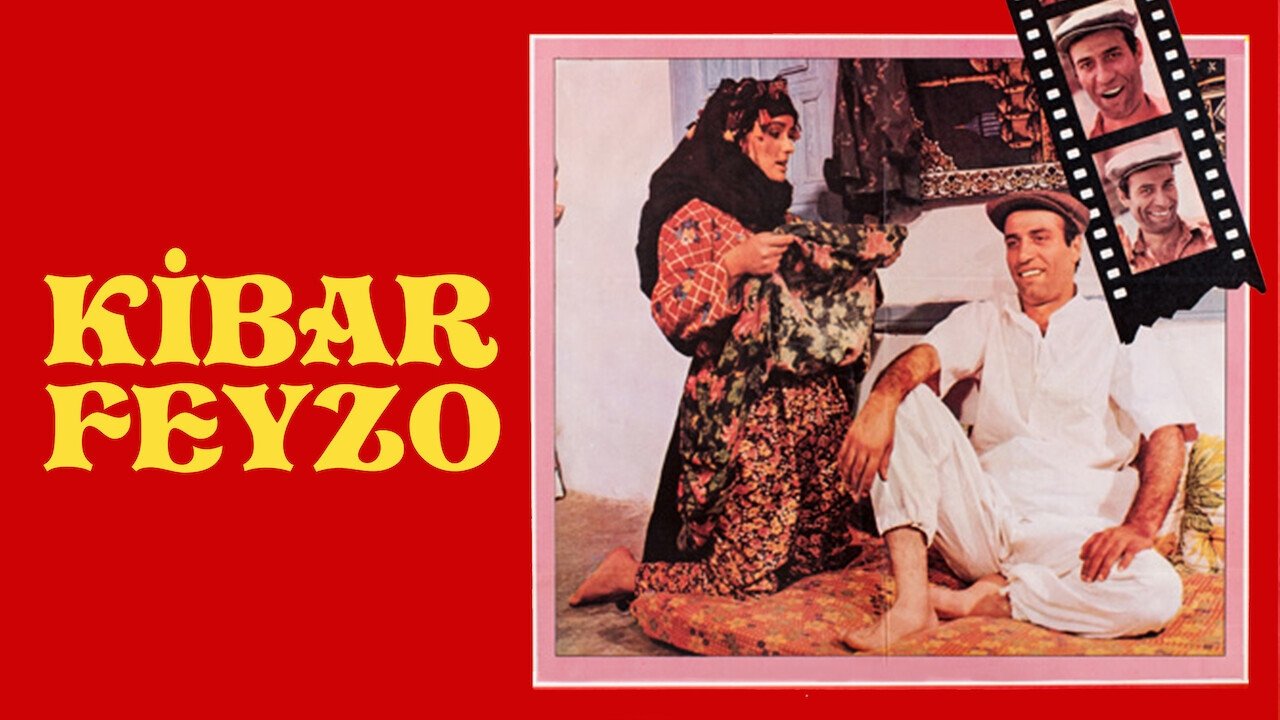
The premise seems simple enough: our hero, Feyzo (Kemal Sunal), returns to his impoverished village after military service, eager to marry his beloved Hacer (Müjde Ar). The catch? Her father demands an astronomical bride price (başlık parası), a sum Feyzo couldn't possibly afford. The village strongman, the greedy and buffoonish Maho Ağa (Şener Şen), also has his eyes on Hacer and actively works to keep the price high and Feyzo perpetually indebted. It's a tale as old as time, but the execution is pure gold.

### The Kings of Turkish Comedy
You can't talk about Kibar Feyzo without talking about Kemal Sunal. If you stumbled upon any Turkish comedies on VHS, chances are you saw his face. Sunal was, and remains, an absolute icon in Turkey. He perfected the persona of the naive, slightly hapless, but fundamentally decent common man struggling against bureaucracy, poverty, or foolish authority figures. His physical comedy is superb, but it's the earnestness in his eyes, the slight bewilderment at the world's unfairness, that makes Feyzo so endearing. He’s polite, almost to a fault, but beneath that deference, a slow-burning awareness starts to flicker.
And opposite him? The legendary Şener Şen as Maho Ağa. Şen, often paired with Sunal, is magnificent as the puffed-up, insecure village landlord, clinging desperately to his eroding feudal power. Their dynamic is comedic genius – Sunal’s quiet resilience against Şen’s blustering idiocy. Fun fact: Şen actually started his career as a teacher before following his actor father into the film industry, eventually becoming one of Turkey’s most versatile and respected actors, equally adept at comedy and drama (Eşkıya / The Bandit from 1996 is a must-see). Adding to the brilliance is the wonderful Adile Naşit as Feyzo's mother, bringing her trademark warmth and exasperation that made her a beloved maternal figure in Turkish film.

### When Laughter Bites
Written by İhsan Yüce (who also appears in the film and was a notable actor and writer known for his socially conscious work), the script is deceptively clever. Feyzo’s politeness ("kibarlık") becomes almost ironic. He navigates the absurd demands of the Ağa and village traditions with outward deference, but his experiences working briefly in the city have planted seeds of dissent. He starts questioning the oppressive "ağalık" system, the concept of bride price, and the inherent unfairness of it all.
This is where the film transcends simple slapstick. Atıf Yılmaz doesn't shy away from showing the harsh realities of rural poverty and the quasi-feudal system that lingered in parts of Turkey. The humour stems directly from the characters' struggles within this oppressive structure. Maho Ağa isn't just a funny buffoon; he represents a genuine obstacle to progress and happiness. Feyzo's awakening isn't just a plot point; it reflects broader social changes and the growing awareness of workers' rights and class consciousness in Turkey at the time. It’s amazing how they packed so much commentary into what feels like a light village comedy. Reportedly, the film faced some censorship hurdles precisely because its political undertones were quite potent for the era.
Retro Fun Fact: The film was shot primarily in the Hatay province of Turkey, near the Syrian border, giving it an authentic, sun-baked, dusty village atmosphere that feels worlds away from polished studio sets. You can almost feel the heat haze shimmering off the screen on your old CRT.
### The Raw Feel of Reality
While there are no practical effect explosions here, there's a different kind of "practicality" – the raw, unvarnished depiction of life. The performances feel grounded, the locations are real, and the social issues are tackled head-on, albeit through a comedic lens. It’s the kind of filmmaking that feels immediate and unfiltered, a far cry from the glossy perfection often sought today. Watching Feyzo try to scrape together the bride price, navigating ridiculous village customs and the Ağa’s schemes, feels intensely relatable despite the specific cultural context. Remember how powerful simple, well-told stories felt, even with slightly faded colours and mono sound blasting from the TV speakers? This film has that power.
The film's popularity in Turkey was immense and endures to this day. It’s constantly re-run on television and remains a beloved classic, quoted and referenced frequently. It captured something essential about the Turkish experience – the humour, the resilience, the frustrations, and the slow chipping away at outdated traditions.
***
VHS Heaven Rating: 9/10
Justification: Kibar Feyzo earns this high score for its masterful blend of laugh-out-loud comedy and sharp social satire. Anchored by iconic performances from Kemal Sunal and Şener Şen, directed with understated skill by Atıf Yılmaz, and armed with a brilliantly witty script by İhsan Yüce, it's a film that entertains profoundly while making you think. It’s a cornerstone of Turkish popular cinema and a testament to the power of humour as a tool for social commentary. The slight deduction is perhaps only for viewers completely unfamiliar with the cultural context, who might miss some nuances, but the core story and comedy are universal.
Final Rewind: Forget the dubbed kung-fu or bargain bin action flicks for a night. Kibar Feyzo is the kind of foreign discovery that made hunting through video store aisles so rewarding – funny, smart, and surprisingly radical. It’s proof that the most impactful battles aren’t always fought with guns, but sometimes with politeness, persistence, and a perfectly timed punchline. A timeless classic that still resonates.